Few markets pack as many advertising options into as small an area as Singapore. A commuter can pass an MRT platform screen, a bus shelter panel, a lift display in their HDB block and a mall kiosk before lunch, then scroll past a dozen paid placements on their phone on the way home. This guide to advertising in Singapore compares those channels side by side: what each one is good at, who it reaches and when it is the wrong choice.
Think of this page as the map rather than the territory. Each section below summarises a family of channels and links to our detailed guides on formats, costs, permits and measurement. If you already know which channel you want, jump straight to its guide. If you are still deciding where your budget should go, read the comparisons first.
Table of Contents
Outdoor and Transit Advertising
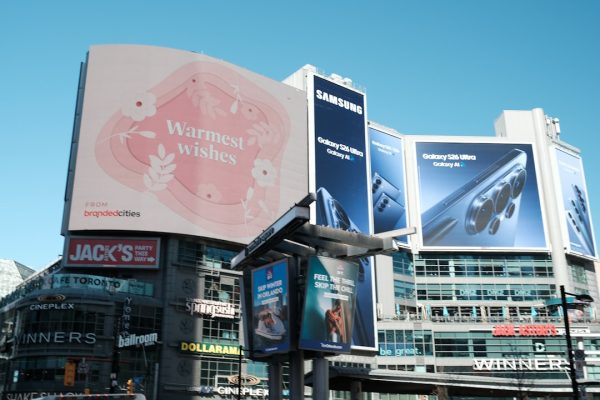
Out-of-home (OOH) advertising works unusually well in Singapore because daily routines are so concentrated. Most people move through the same handful of MRT stations, bus interchanges and malls every week, so a well-placed campaign builds repeated exposure quickly. MRT advertising is the obvious mass-reach option, with formats ranging from platform screens to full station takeovers. Bus advertising travels across neighbourhoods and suits brands that want island-wide presence, while lift and elevator screens reach residents and office workers in a captive, low-clutter setting.
The choice between formats usually comes down to three questions: do you need mass awareness or a specific catchment, do you want static or digital creative, and how will you measure it? Digital out-of-home lets you rotate creative by time of day and buy programmatically, which suits campaigns that need flexibility. Traditional billboards and Changi Airport placements trade flexibility for scale and prestige. Before committing, read our guides to OOH media planning and measuring OOH campaigns. Offline reach is only worth paying for if you can connect it to search lift, store visits or sales.
- Digital Out-of-Home Advertising: Programmatic DOOH in Singapore
- OOH Advertising Measurement: Track ROI From Offline Ad Campaigns
- OOH Media Planning: Choose Locations, Formats and Budget for Maximum Reach
- Signage Marketing: Shopfront Signs, Wayfinding and In-Store Displays
Print, Broadcast and Cinema
Traditional media has not disappeared in Singapore. It has narrowed. Newspaper advertising still carries authority with older, higher-income and business readers, and magazine advertising remains effective for niche audiences such as luxury, property and trade sectors. The trade-off is limited targeting and slower feedback, so print works best when credibility and audience profile matter more than click-through.

Broadcast and screen formats sit at the brand-building end of the spectrum. Our TV advertising guide covers linear television, while connected TV advertising lets you buy streaming inventory with digital-style targeting. Cinema advertising delivers a captive, attentive audience and pairs well with lobby activations. At the other end, flyer distribution and direct mail are hyper-local and measurable with codes or QR links. They are often the most cost-efficient options for neighbourhood businesses.
- Direct Mail Marketing Guide: Cut Through the Digital Noise
- Magazine Advertising in Singapore: Reach Niche Audiences in Print and Digital
- Print Advertising in Singapore: Newspapers, Magazines and Trade Publications
Events, Experiential and Below-the-Line
Below-the-line activity puts your product in people’s hands rather than in front of their eyes. In Singapore that usually means mall roadshows, pop-up stores, product sampling and trade exhibitions. These formats need venue bookings and sometimes permits, and they require more planning lead time than media buys. In return, they generate trial, conversations and first-party data that broadcast channels cannot.
For B2B brands, trade show marketing remains one of the few places to meet many qualified buyers in a single day. Consumer brands tend to get more from experiential marketing and promotional mechanics such as gift-with-purchase offers. Whatever the format, decide how you will measure success before the event. Our guide to event marketing ROI explains how to track leads, sales and cost per contact so the next budget conversation is based on evidence.
- Event Marketing Checklist Template: Plan Successful Events
- Event Marketing ROI: Measure the Business Impact of Your Events
- Event Marketing Singapore: How to Promote Your Event Successfully in 2026
- Event Marketing Strategy: How to Plan, Promote and Measure Live and Virtual Events
- Event Planner Marketing in Singapore: How to Attract Clients in 2026
- Exhibition Booth Design: Stand Out at Singapore Trade Shows and Expos
- Experiential Marketing in Singapore: Create Brand Experiences People Remember
- Experiential Marketing Strategy: How to Create Brand Events People Remember and Share
- Hybrid Event Marketing: How to Engage Both In-Person and Virtual Audiences Effectively
- PR Event Planning in Singapore: Launch Events, Press Conferences and Media Days
- Sponsorship Marketing in Singapore: Events, Sports and Community Partnerships
- Trade Show Marketing Strategy for Singapore Exhibitions and Conferences
- Virtual Event Marketing: Drive Registrations and Engagement Online
Digital, Industry and Specialist Advertising
Most Singapore advertising budgets now lean digital, and the specialist formats in this section fill the gaps between search and social. Programmatic advertising automates display and video buying across thousands of sites. Native advertising places sponsored content inside publisher environments. Contextual advertising targets by page content rather than personal data, which matters more as third-party cookies fade. Retail brands should also look at marketplace advertising on Shopee, Lazada and Amazon, where shoppers are already in buying mode.

Several industries face their own advertising rules in Singapore, and getting them wrong can mean pulled ads or regulatory complaints. Read the sector guides before you brief creative: real estate advertising, education advertising and food and beverage advertising. If you are weighing paid media against earned coverage, our comparison of PR vs advertising sets out when each makes sense.
- Geo-Targeting in Advertising: How to Reach the Right Audience by Location
- Marketplace Advertising: Shopee Ads, Lazada Sponsored Solutions and Amazon PPC
- Native Advertising Guide: Blend In, Stand Out in 2026
- Native Advertising in Singapore: Sponsored Content That Blends In
- Paid Advertising in Singapore for Foreign Brands: Google, Meta, TikTok and LinkedIn
- Podcast Advertising in Singapore: Reach Engaged Audiences Through Audio
- PR vs Advertising: Which Is More Effective for Singapore Businesses?
- Programmatic Advertising Guide: Automated Ads for Singapore Marketers in 2026
- Programmatic Advertising in Singapore: How Automated Ad Buying Works
How to Build Your Advertising Mix
Most successful campaigns in Singapore use more than one channel, with each channel given a clear job. A practical way to plan is to split the mix into three roles. Reach channels create awareness among people who do not yet know you: transit, billboards, TV, cinema and broad social video. Consideration channels give interested people a reason to look closer: native content, magazine features, events and retargeting. Conversion channels capture people who are ready to act: search ads, marketplace ads, flyers with offer codes and direct mail.
Start with the role your business is weakest at. A brand that already has search demand but few new customers needs more reach. A brand with strong awareness but low enquiries needs to fix conversion first, because extra awareness will simply leak away. Run channels in sequence where possible. Launch the awareness burst, then increase search and retargeting budgets while people are still talking about it.
Finally, budget for measurement from day one. Use unique URLs, QR codes, promo codes or dedicated phone numbers for offline channels, and compare branded search volume and direct traffic before, during and after each burst. Even simple tracking turns advertising from a leap of faith into something you can improve campaign by campaign.
Where to Start
The right first step depends on what you need the campaign to do:
- Build island-wide awareness quickly: start with MRT advertising or bus advertising, and support it with search and social so the attention you create has somewhere to go.
- Win customers in one neighbourhood: flyer distribution, lift screens and local roadshows usually beat mass media for small catchments.
- Reach decision-makers: combine trade shows with business print and LinkedIn.
- Compare all the options at once: our overview of OOH advertising in Singapore is the best single read on outdoor formats.
If you would rather have one team plan and buy across channels, see our outdoor and billboard advertising services.
Frequently Asked Questions
What is the most effective form of advertising in Singapore?
No single channel is most effective for every business. Mass-reach channels such as MRT and bus advertising suit brands that need broad awareness. Local businesses usually get better returns from targeted formats such as flyers, lift screens and Google Business Profile. Most effective campaigns combine an offline awareness channel with digital channels that capture the resulting demand.
Is outdoor advertising still worth it in Singapore?
For many brands, yes. Singaporeans follow concentrated daily routes through transit hubs and malls, so outdoor media can deliver repeated exposure efficiently. The key is measurement. Plan how you will track search lift, website visits or store traffic during the campaign, as explained in our OOH measurement guide.
Do I need a permit to advertise in Singapore?
It depends on the format. Media owners handle approvals for most paid placements such as MRT, bus and mall media. Activities in public spaces, such as roadshows, sampling and some flyer distribution, can require permits or landlord approval. Certain industries, including property, education, alcohol and healthcare, also have content rules. Check the relevant guide before you book.
How do I choose between traditional and digital advertising?
Start with your audience and your goal. Digital channels give precise targeting and fast feedback. Traditional channels give scale, credibility and presence in physical spaces. If your buyers are older, high-income or concentrated in a location, traditional media can be very efficient. If you need measurable leads quickly, start digital and add offline once the funnel works.
How much does advertising in Singapore cost?
Costs vary widely by channel, format, location and campaign length. See the individual channel guides above, or our marketing costs hub, which brings every Singapore price guide together in one place.
Can small businesses afford traditional advertising?
Yes, if they choose the right formats. Flyers, direct mail, lift screens and short roadshows are accessible to small budgets and can be tightly targeted to a neighbourhood. Large-format billboards and station takeovers are generally better suited to brands with bigger awareness goals.