
If there is one question every Singapore business owner asks before launching a Google Ads campaign, it is this: how much is it actually going to cost? The honest answer is that it depends — but that answer is only useful when paired with real numbers, clear benchmarks, and an understanding of exactly what drives the cost up or down. For hands-on help, it is worth talking to search engine marketing in Singapore.
This guide gives you all of that. Whether you are a small business in Singapore exploring paid search for the first time, or a marketing manager reviewing your 2026 ad spend, you will find industry-specific cost-per-click benchmarks, recommended monthly budgets, and practical strategies to stretch every dollar further. By the end, you will be able to walk into any conversation about Google Ads pricing in Singapore fully informed.
How Google Ads Pricing Works
Before you can budget intelligently, you need to understand the mechanics behind Google Ads pricing. Unlike a traditional media buy where you pay a fixed rate for a fixed placement, Google Ads operates on a real-time auction system where the price you pay is determined by multiple factors simultaneously.
The Auction System
Every time a user performs a Google search, an auction takes place in milliseconds. Every advertiser targeting that keyword enters the auction, and Google determines which ads appear, in what order, and at what cost. Crucially, the advertiser who pays the most does not automatically win the top position. Google’s system rewards relevance as much as budget.
Quality Score
Quality Score is Google’s internal rating of your ad’s relevance and quality, scored from 1 to 10. It is calculated based on three components:
- Expected click-through rate (CTR) — How likely users are to click your ad relative to other ads for the same keyword
- Ad relevance — How closely your ad copy matches the intent behind the search query
- Landing page experience — How relevant, useful, and fast your landing page is for users who click through
A higher Quality Score directly lowers your cost. An advertiser with a Quality Score of 8 can achieve a higher ad position than a competitor with a Quality Score of 4, even while paying less per click. This is one of the most powerful levers for reducing your Google Ads cost in Singapore.
Ad Rank and Cost Per Click
Ad Rank is calculated by multiplying your maximum bid by your Quality Score, then factoring in the expected impact of your ad extensions and the auction context. Your actual cost per click is not your maximum bid — it is just enough to outrank the advertiser below you, plus SGD 0.01. This means smart advertisers regularly pay significantly less than their stated maximum bid.
Bidding Strategies
Google offers several bidding strategies that affect how your budget is spent:
- Manual CPC — You set individual bids for keywords. Gives maximum control but requires active management.
- Target CPA (Cost Per Acquisition) — Google’s Smart Bidding adjusts bids automatically to achieve your desired cost per conversion.
- Target ROAS (Return on Ad Spend) — Google optimises bids to hit a target revenue-to-spend ratio, well-suited to e-commerce.
- Maximise Conversions — Google spends your full budget to get as many conversions as possible.
- Maximise Clicks — Google prioritises traffic volume within your budget. Useful for brand awareness, less so for performance.
For most Singapore businesses focused on lead generation or sales, Target CPA or Maximise Conversions with a target CPA cap tend to deliver the best results once a campaign has enough conversion data (typically 30 or more conversions per month).
For a full overview of how we approach paid search strategy, visit our Google Ads services page.
Average CPC in Singapore by Industry (2026)
Singapore is a compact, high-GDP market, which means competition for Google Ads placements — and the associated costs — can be significant, particularly in professional services. The table below reflects realistic cost-per-click benchmarks in Singapore across major industries for 2026. These are market ranges based on typical keyword competitiveness; your actual CPC will vary depending on your specific keywords, targeting, and Quality Score.

| Industry | Estimated CPC Range (SGD) | Notes |
|---|---|---|
| Legal | SGD 8 – 25 per click | Highly competitive; personal injury, family law, and immigration keywords command premium rates |
| Finance & Insurance | SGD 10 – 30 per click | Among the most expensive categories globally; mortgage, insurance, and wealth management keywords are intensely contested |
| Healthcare & Medical Aesthetics | SGD 5 – 15 per click | Aesthetics clinics, dental practices, and specialist consultations drive high CPCs; strong conversion potential justifies spend |
| Real Estate | SGD 3 – 12 per click | New launches and property agent keywords can spike significantly; broader location keywords are more affordable |
| E-commerce | SGD 1 – 5 per click | Wide range depending on product category; Shopping campaigns often deliver lower CPCs than Search |
| Education | SGD 3 – 10 per click | Tuition centres, private schools, and enrichment courses are moderately competitive; strong seasonal spikes around exam periods |
| F&B / Restaurants | SGD 1 – 4 per click | Generally lower CPCs but also lower conversion values; works best for delivery, catering, and event bookings |
| Home Services | SGD 3 – 8 per click | Renovation, plumbing, aircon servicing, and cleaning are moderately competitive with good local search volume |
| B2B / SaaS | SGD 5 – 20 per click | Long sales cycles mean higher CPCs are often justified by deal size; audience targeting is critical |
These figures represent search campaign CPCs. Display, YouTube, and Performance Max campaigns typically operate at lower CPCs — we cover those differences in the campaign type section below.
It is also worth noting that even within an industry, keyword intent dramatically affects cost. A broad keyword like “Singapore lawyer” will cost far less than a high-intent phrase like “best divorce lawyer Singapore” — and that higher-cost keyword will almost always convert better.
Factors That Affect Your Google Ads Cost
Understanding what drives your Google Ads budget in Singapore gives you real leverage to manage costs actively rather than simply accepting whatever the platform charges.
Competition and Industry
The more advertisers targeting the same keywords, the higher the CPC. Industries with high customer lifetime values — finance, legal, property — attract aggressive bidding, which pushes prices up for everyone. If you operate in a competitive sector, budget accordingly, and focus your strategy on winning the most commercially valuable keywords rather than trying to be everywhere at once.
Keyword Intent
Transactional keywords — those that signal a user is ready to buy or enquire — cost more than informational ones. “Buy ergonomic office chair Singapore” will cost more per click than “what is an ergonomic chair”, but the former is far more likely to result in a sale. For most businesses, concentrating budget on high-intent keywords delivers better returns despite the higher CPC.
Quality Score
As explained above, a higher Quality Score directly reduces what you pay per click. Two advertisers bidding SGD 5.00 for the same keyword can end up paying very different amounts — the advertiser with the higher Quality Score pays less and often achieves a better position. Improving your Quality Score through tighter ad group structure, more relevant ad copy, and better landing pages is one of the highest-leverage cost-reduction strategies available to you.
Ad Relevance
Google evaluates how closely your ads match the intent of the search query. Generic ads that try to cover too many keywords in one ad group typically earn poor relevance scores. Single keyword ad groups (SKAGs) or tightly themed ad groups allow you to write highly specific copy that earns stronger relevance ratings and lower CPCs.
Landing Page Experience
Your landing page is a direct input into Quality Score. A slow, irrelevant, or poorly structured landing page raises your costs — even if your ad copy is excellent. Google wants users to have a good experience after clicking an ad, so pages that load quickly, match the search intent, and provide clear paths to conversion are rewarded with lower costs and better positions.
Time of Day and Device
CPCs fluctuate throughout the day based on when your competitors are bidding. In Singapore, peak bidding times typically align with business hours for B2B, and evening hours for consumer services. You can apply bid adjustments to reduce spend during low-conversion windows, effectively reallocating budget to your highest-performing times. Similarly, if your data shows that mobile users convert at a lower rate, you can reduce mobile bids to focus spend where it performs best.
Geographic Targeting
Tightly defined geographic targeting within Singapore (by MRT catchment, district, or postcode) can sometimes improve relevance and reduce wasted spend — particularly useful for businesses with a physical location or a specific service radius.
Recommended Monthly Budgets for Singapore Businesses
One of the most common mistakes Singapore businesses make is setting a Google Ads budget that is too low to generate statistically meaningful results. Google’s Smart Bidding algorithms need conversion data to optimise effectively, and campaigns with tiny budgets rarely accumulate enough volume to exit the learning phase and perform at their best.

Here is a practical framework for thinking about Google Ads budgets in Singapore based on business size and ambition:
Small Business (SGD 1,000 – 3,000/month)
Suitable for local service businesses, single-location retail, or startups testing paid search for the first time. At this level, you need to be highly selective — focus on a tight set of high-intent keywords, a single campaign, and one clearly defined conversion goal. Spreading a small budget across too many campaigns or keywords will produce data that is too thin to act on.
Realistic outcomes: 20–100 clicks per day depending on your CPC. Enough to generate early learnings and initial leads, but not enough to be highly competitive in premium industries.
Medium Business (SGD 3,000 – 10,000/month)
The sweet spot for most Singapore SMEs looking to generate consistent lead volume or online sales. At this budget level, you can run multiple campaigns, test ad variations properly, use Smart Bidding with confidence, and begin to build remarketing audiences. Most businesses in moderately competitive sectors will see meaningful ROI within two to three months at this spend level.
Realistic outcomes: Enough data to optimise aggressively, begin testing Performance Max alongside Search, and scale what works.
Large Business or Aggressive Growth (SGD 10,000 – 50,000+/month)
For businesses in high-CPC industries (finance, legal, property), those competing nationally across Singapore and the broader region, or e-commerce brands scaling volume, budgets at this level unlock the full range of Google Ads capabilities. You can afford to compete for top positions on the most valuable keywords, run robust A/B testing, invest in YouTube and Display campaigns for full-funnel coverage, and build detailed audience segmentation.
At this scale, campaign management complexity increases significantly. Having a specialist agency — or a dedicated in-house team — managing your account is not optional; it is essential to prevent budget waste.
Our team at marketingagency.sg works with businesses across all three tiers. If you are unsure where your budget should sit, we can help you model expected returns based on your industry and goals.
Google Ads Cost by Campaign Type
Not all Google Ads campaigns are created equal. Different campaign types reach users at different stages of the buying journey, using different ad formats and bidding dynamics — which means costs vary considerably.
Search Campaigns
The most direct form of Google advertising. Your text ads appear when users actively search for your keywords. CPCs are highest here because intent is highest — users are telling Google exactly what they are looking for. This is typically the first campaign type Singapore businesses should invest in, and it forms the backbone of most search engine marketing strategies.
Typical Singapore CPC range: SGD 1 – 30+ depending on industry
Display Campaigns
Image and banner ads that appear across Google’s network of partner websites and apps — reaching over 90% of internet users globally. CPCs are much lower than Search because display advertising is interruptive rather than intent-driven. Display works well for brand awareness, remarketing to previous visitors, and keeping your business front-of-mind during longer consideration cycles.
Typical Singapore CPC range: SGD 0.10 – 0.80
Learn more about how we run display advertising on our Google Display Network services page.
Shopping Campaigns
Product listing ads that appear in Google Search results with a product image, title, price, and retailer name. These are exclusively available to e-commerce businesses and require a Google Merchant Centre product feed. Shopping ads typically deliver strong conversion rates because users can see product details before clicking.
Typical Singapore CPC range: SGD 0.50 – 3.00
We cover the full strategy on our Google Shopping Ads services page.
YouTube Campaigns
Video ads that appear before, during, or alongside YouTube content. Skippable in-stream ads are charged on a cost-per-view (CPV) basis, meaning you only pay when a user watches at least 30 seconds (or the entire ad if it is shorter). Non-skippable ads use CPM (cost per thousand impressions) pricing. YouTube is powerful for brand building, product launches, and reaching audiences at the awareness stage.
Typical Singapore CPV range: SGD 0.05 – 0.30 | CPM range: SGD 8 – 20
Performance Max Campaigns
Google’s newest and most automated campaign type runs ads across all of Google’s channels — Search, Display, YouTube, Gmail, Maps, and Discover — from a single campaign. Performance Max uses Google’s AI to optimise delivery in real time, allocating budget to wherever conversions are most likely to occur. It requires strong asset inputs (headlines, descriptions, images, videos) and works best for businesses with clear conversion tracking in place.
Cost structure: Variable across channels; Google allocates spend dynamically based on conversion signals
Find out how we build and manage these campaigns on our Performance Max campaign services page.
How to Reduce Your Google Ads Costs
Reducing your Google Ads spend does not mean reducing your results — it means getting smarter about where and how your money is being spent. Here are the most effective levers for improving efficiency.
Use Negative Keywords Rigorously
Negative keywords prevent your ads from showing for irrelevant searches. Without them, your budget leaks steadily on clicks that will never convert. Review your Search Terms report weekly when campaigns are new, and build out a comprehensive negative keyword list. Common examples for Singapore businesses include filtering out job seekers (“jobs”, “salary”, “career”), competitors’ brand terms, and geographic terms outside your service area.
Leverage Ad Extensions
Ad extensions — now called assets in Google Ads — expand your ad with additional information: sitelinks, callouts, structured snippets, call buttons, and location information. Extensions do not cost extra per click, but they increase your ad’s physical size on the page and its relevance score, which improves CTR and can lower your effective CPC. Using all relevant extensions is one of the simplest free optimisations available.
Optimise Your Landing Pages
A landing page that is fast, relevant, and conversion-optimised improves your Quality Score — directly reducing what you pay per click. Every ad group should ideally direct users to a landing page that mirrors the specific promise made in the ad. Generic homepages almost always underperform compared to purpose-built landing pages with a single, clear call to action.
Refine Audience Targeting
Layering audience signals onto your campaigns lets you bid more aggressively for users who are more likely to convert — in-market audiences, remarketing lists, customer match lists, and similar audiences. For Google Search campaigns, audience layering allows you to maintain broad keyword coverage while directing your highest bids at your most valuable users.
Diversify into Emerging AI Search Channels
As more buyers shift their research from Google to AI tools, a portion of budget is often better spent on emerging channels where competition is still low. Our ChatGPT Ads services help Singapore businesses claim visibility inside AI-generated answers at costs that are unlikely to last once the channel matures — a practical hedge against rising Google Ads CPCs.
Use Smart Bidding Properly
Smart Bidding strategies like Target CPA and Target ROAS use Google’s machine learning to optimise bids in real time based on dozens of signals. However, these strategies perform poorly without sufficient conversion data. If your campaign converts fewer than 30 times per month, start with Maximise Conversions to build data before switching to a CPA target. Setting an unrealistically low CPA target starves the algorithm of traffic and prevents it from learning effectively.
Schedule Ads Strategically
Use ad scheduling to reduce bids or pause ads entirely during periods when your target audience is unlikely to be searching or converting. For B2B businesses in Singapore, late nights and weekends often deliver poor conversion rates relative to cost. Reallocating that budget to peak weekday hours can improve your overall efficiency significantly.
Tighten Your Campaign Structure
Bloated campaigns with hundreds of loosely related keywords in a single ad group produce poor Quality Scores and wasted spend. Tighter ad groups — with five to fifteen closely related keywords each, matched to highly relevant ad copy — consistently outperform sprawling structures. If your existing campaigns have not been structured this way, a restructure can yield immediate cost savings.
Google Ads vs SEO: Which Makes More Sense?
For many Singapore businesses, the real question is not just how much Google Ads costs — it is whether Google Ads is the right investment at all compared to search engine optimisation (SEO).
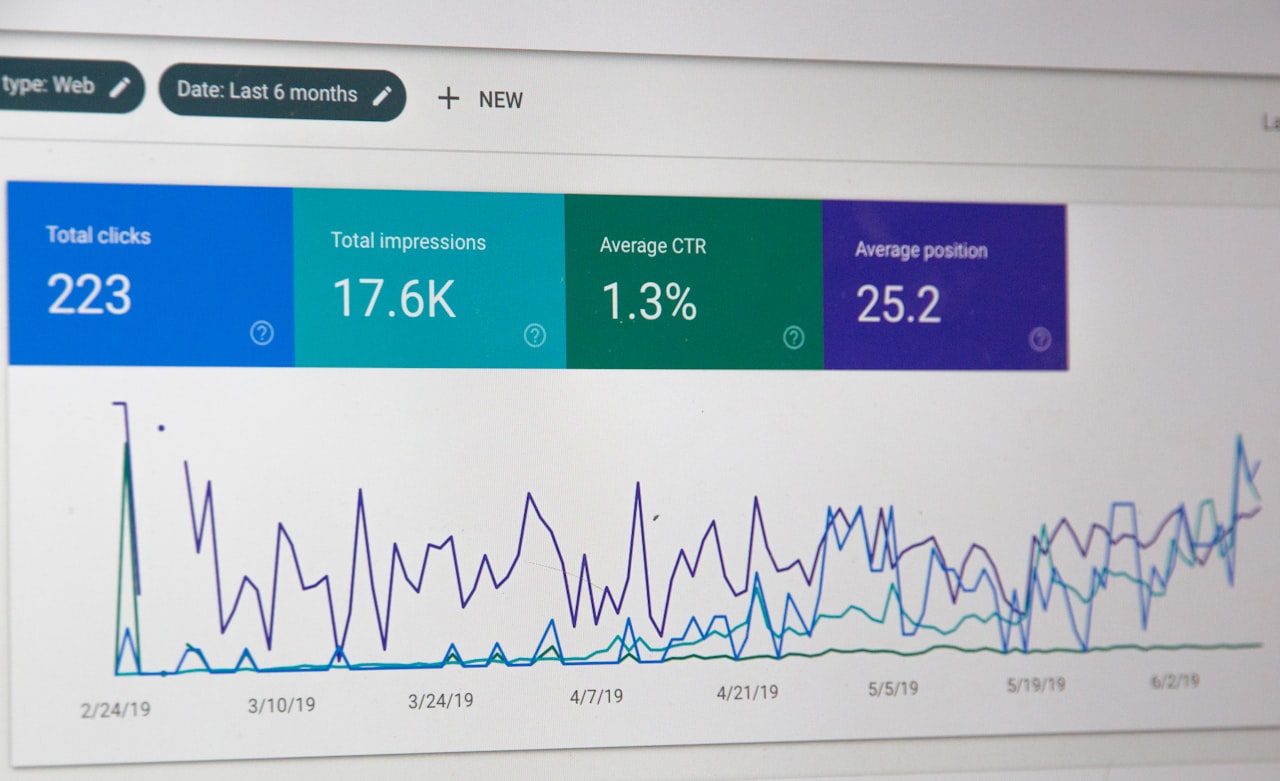
The honest answer is that they are not competing choices; they are complementary strategies that work best together. But each has distinct strengths, and your stage of business and cash flow position should inform the balance.
When Google Ads Makes More Sense
- You need results immediately. A well-structured Google Ads campaign can generate enquiries or sales within days of launch. SEO typically takes three to six months to show meaningful organic ranking improvements.
- You are testing a new market or offer. Google Ads gives you fast feedback on which keywords, messages, and landing pages convert — intelligence that informs your broader marketing strategy.
- Your product or service has strong transactional search intent. If people are actively searching for exactly what you offer, capturing that intent through paid search is highly efficient.
- You are running a time-sensitive campaign. Promotions, seasonal events, and product launches benefit from the immediacy of paid search.
When SEO Makes More Sense
- You are building for long-term, sustainable growth. Organic rankings generate traffic without ongoing cost per click. Once established, SEO delivers compounding returns over time.
- Your audience is research-driven. Users who consume informational content before making a decision are often better reached through organic content than paid ads.
- Your Google Ads costs are very high. In industries with SGD 15–30 CPCs, the economics of paid search can be challenging unless conversion values are strong. SEO offers a path to visibility without that ongoing per-click cost.
The Complementary Approach
The most effective strategy for most Singapore businesses is to run Google Ads while simultaneously building organic search visibility through SEO. Google Ads delivers immediate traffic and conversion data; SEO builds a long-term asset that reduces your dependence on paid spend over time. As your organic rankings improve for high-value keywords, you can shift paid budget towards terms where you do not yet rank organically — maximising overall visibility without doubling your spend.
This combined approach is what we advocate for and implement across our client base. You can explore our full approach to SEO services and Google Ads management on our dedicated service pages.
Frequently Asked Questions
What is the minimum budget to start Google Ads in Singapore?
Google does not impose a minimum ad spend, but a practical minimum for generating useful data in Singapore is around SGD 1,000 per month. Below this level, most campaigns will not accumulate enough clicks or conversions to optimise effectively, particularly in industries with CPCs above SGD 3–5. If your budget is very limited, a tightly focused campaign targeting two or three high-intent keywords in a low-competition niche can still deliver results — but expectations should be set accordingly.
How much do Singapore businesses typically spend on Google Ads per month?
Based on our experience working with Singapore businesses across industries, monthly Google Ads budgets typically fall into these ranges: SGD 1,000–3,000 for small local service businesses, SGD 3,000–10,000 for SMEs looking to grow consistently, and SGD 10,000–50,000 or more for larger businesses, e-commerce brands, and those in high-CPC sectors like finance, property, and legal. The right figure for your business depends on your industry, your revenue goals, and the conversion value of each new customer.
Does Google charge a management fee on top of ad spend?
No. Your ad spend goes entirely to Google. If you work with an agency to manage your campaigns, the agency charges a separate management fee — this is not paid to Google and does not affect your ad delivery. Management fees in Singapore typically range from SGD 500 to SGD 3,000+ per month, or a percentage of ad spend (commonly 10–20%), depending on the agency and the complexity of your account. Our Google Ads management packages are transparent on pricing — speak to us directly for a quote based on your specific requirements.
Why did my Google Ads cost suddenly increase?
There are several common reasons for a sudden increase in Google Ads costs. A competitor may have increased their bids, raising the auction price for shared keywords. Seasonal demand spikes (such as around major holidays or the year-end period in Singapore) increase competition temporarily. Your campaign settings may have expanded your targeting to a broader audience. Alternatively, a drop in your Quality Score — caused by a landing page change, reduced CTR, or lower ad relevance — can increase what you pay per click. Reviewing your Search Terms report, Auction Insights, and Quality Score history usually identifies the cause quickly.
Is Google Ads worth it for small businesses in Singapore?
Yes — when set up and managed correctly. The key for small businesses is discipline: focus on a narrow set of high-intent keywords, ensure your landing page is conversion-optimised, set up conversion tracking before spending a dollar, and resist the temptation to target too broadly. Many small Singapore businesses see strong returns from Google Ads in niches where organic competition is high and searchers have immediate buying intent — home services, local healthcare, education, and professional services all fit this profile well. The risk of Google Ads is not the platform itself; it is running campaigns without the expertise to manage them efficiently, which leads to wasted spend and the false conclusion that “Google Ads doesn’t work.”
Understanding Google Ads costs in Singapore is the first step toward making a confident, informed investment in paid search. The CPCs may look daunting in some industries, but the real measure of value is not cost per click — it is cost per acquisition relative to what each new customer is worth to your business.
If you would like a clearer picture of what Google Ads could realistically deliver for your specific business, our team is happy to walk you through a no-obligation assessment. Visit our Google Ads services page to learn more about how we work, or get in touch directly to discuss your goals.