Pop-Up Store Marketing in Singapore: Locations, Permits and Promotion
Table of Contents
Why Pop-Up Stores Work in Singapore
Pop up store marketing singapore has become one of the most effective ways for brands to test markets, launch products and create buzz without committing to long-term retail leases. The temporary nature of pop-ups creates urgency — consumers know they have a limited window to visit, which drives faster decision-making and higher conversion rates.
Singapore’s retail landscape makes pop-ups particularly appealing. Commercial rents in prime locations like Orchard Road remain among the highest in Asia. A pop-up lets you access premium foot traffic for a fraction of the annual lease cost. You get the exposure without the long-term financial commitment.
For online-only brands, pop-ups provide a physical touchpoint that builds trust and allows customers to experience products before purchasing. This is especially important in categories like fashion, beauty and food where tactile interaction influences buying decisions. Many successful DTC brands in Singapore started with pop-ups before committing to permanent retail.
Pop-ups also generate significant media and social media attention. Journalists and influencers actively seek out new and temporary retail concepts to cover. A well-designed pop-up can earn media coverage that would cost tens of thousands of dollars in paid advertising. Pair this with a digital marketing strategy for even greater impact.
Choosing Your Pop-Up Location
Your location decision should be driven by where your target customers already spend time. Orchard Road malls like ION, Paragon and Mandarin Gallery attract premium shoppers and tourists. VivoCity and Jewel Changi Airport offer massive foot traffic with diverse demographics. Neighbourhood malls like NEX, Tampines Mall and Jurong Point reach heartland audiences.
 Pop-Up Store Marketing in Singapore: Locations, Permits and Promotion” loading=”lazy” class=”wp-image-23856″>
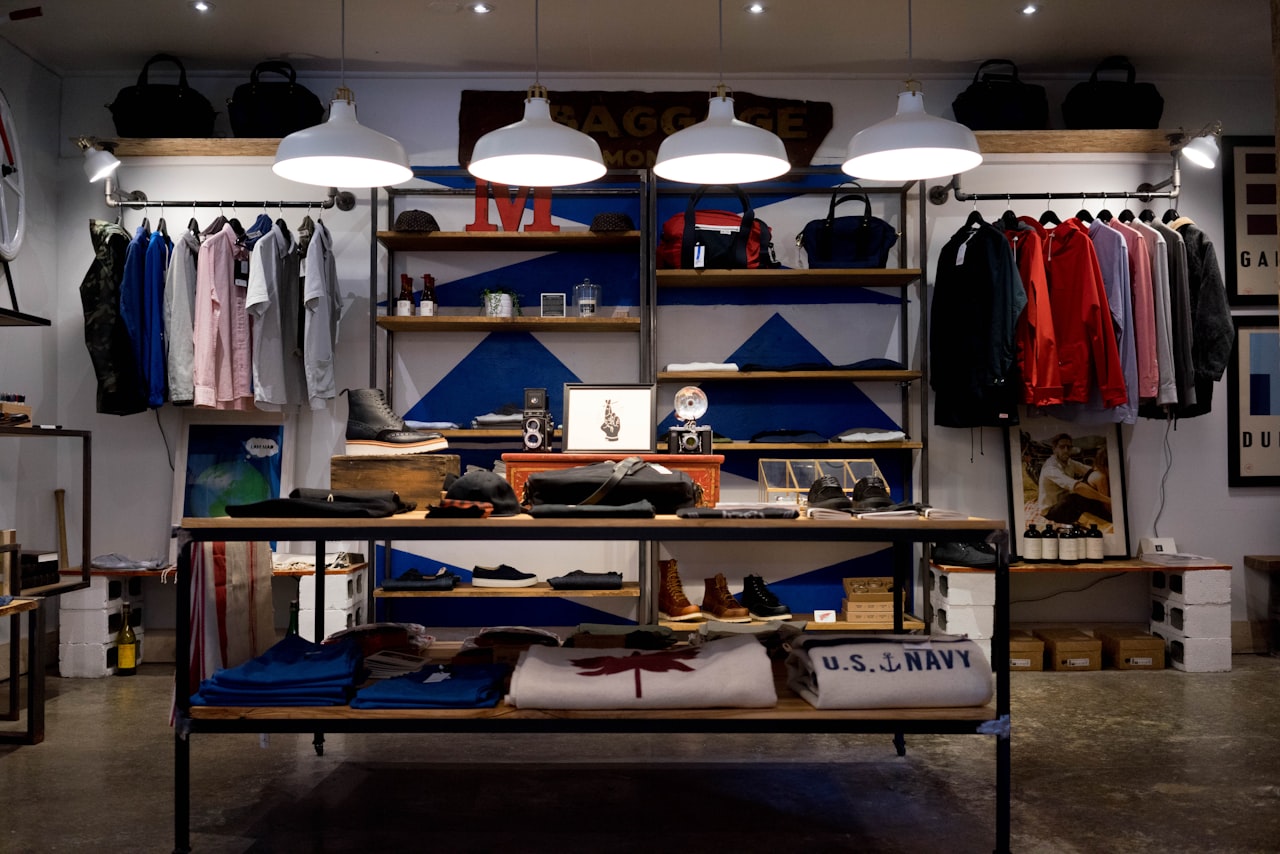
Mall pop-up spaces come in several formats. Atrium spaces offer maximum visibility and foot traffic but are the most expensive. Inline temporary units provide a more traditional retail experience at lower costs. Cart or kiosk spaces in corridors work for smaller product ranges and lower budgets.
Non-mall locations offer creative alternatives. Shophouses in Haji Lane, Tiong Bahru and Duxton Hill provide character and attract trend-conscious consumers. Coworking spaces and event venues can host pop-ups targeting professional audiences. Markets like Artbox, Naiise and local bazaars provide plug-and-play options with built-in audiences.
Consider foot traffic patterns carefully. Weekday foot traffic in business districts peaks during lunch hours, while weekend traffic dominates in suburban malls. Tourist-heavy areas like Marina Bay and Sentosa have different patterns than residential neighbourhoods. Visit your shortlisted locations at different times to observe the actual traffic and demographic mix.
Shared pop-up spaces where multiple brands co-locate have gained popularity in Singapore. These reduce individual costs while creating a destination that draws more visitors than a single-brand pop-up might. Look for collaborations with complementary but non-competing brands.
Permits and Regulations You Need to Know
The permits you need depend on your location, what you sell and the activities you plan. For mall pop-ups, the mall management handles most regulatory requirements, but you still need to comply with their guidelines and provide necessary documentation like business registration and insurance.
For pop-ups outside of malls, you may need a Temporary Occupation Licence from the Singapore Land Authority if you are using state land. Events on public roads or in parks require permits from the relevant agencies — the National Parks Board for park spaces, the Land Transport Authority for road closures or the Urban Redevelopment Authority for commercial use of non-commercial spaces.
If you are selling food or beverages, you need a food licence from the Singapore Food Agency. Temporary food event licences are available for short-duration pop-ups and typically take 2 to 4 weeks to process. Your food preparation area must meet SFA hygiene requirements, and staff handling food need valid food hygiene certificates.
Fire safety certificates from the Singapore Civil Defence Force may be required for temporary structures, especially those with electrical installations or cooking equipment. Building plan approvals may be needed for custom-built structures that modify the existing space. Insurance is not legally mandated in all cases but is strongly recommended and often required by landlords.
Start the permit process at least 6 to 8 weeks before your planned opening date. Some permits can be expedited, but delays are common, especially around peak periods when agencies process high volumes of applications. Work with a branding agency that has experience navigating Singapore’s regulatory environment for events.
Designing Your Pop-Up Store Experience
The best pop-up stores are not just temporary shops — they are experiences. Every element of your design should reinforce your brand story and give visitors a reason to stay, engage and share. Think about the journey from the moment someone spots your pop-up to the moment they leave.
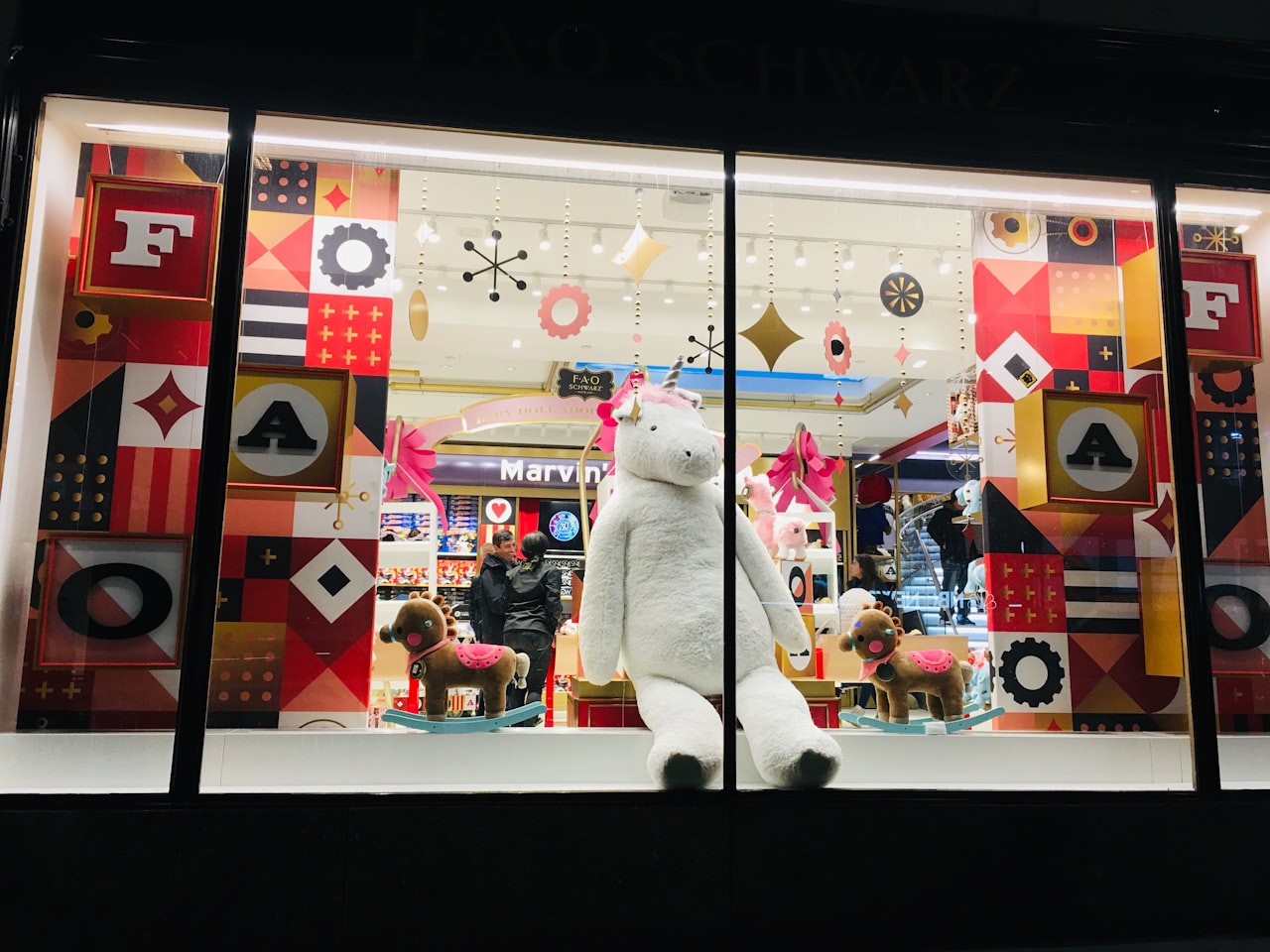
Create an eye-catching exterior that stops foot traffic. In a mall environment where shoppers are on autopilot, your pop-up needs to break their pattern. Bold signage, unusual materials, interactive window displays or queue-forming exclusivity all work. Your exterior should communicate what you offer and why it matters in under three seconds.
Inside, design the space for flow and engagement. Avoid cluttering a small space with too many products — curate a focused selection that tells a coherent story. Create Instagram-worthy moments with backdrop walls, neon signs or product displays that visitors want to photograph. These photos become free advertising when shared on social media.
Incorporate interactive elements that go beyond browsing. Product customisation stations, live demonstrations, workshops, tastings or try-on experiences increase dwell time and emotional connection. The more time someone spends in your pop-up, the more likely they are to purchase and to remember the experience.
Technology can enhance the experience without dominating it. QR codes linking to product information, AR try-on mirrors for fashion and beauty brands, or digital guestbooks that collect email addresses in exchange for digital content all add value. Connect the physical experience to your online presence with screens showing live social feeds featuring your pop-up hashtag. For broader activation ideas, explore brand activation strategies that drive engagement.
Promotion Strategy for Maximum Foot Traffic
Promotion should begin 2 to 3 weeks before your pop-up opens. Start with teaser content on social media — behind-the-scenes build-out photos, product previews and countdown posts. Create a sense of anticipation without revealing everything. People should feel they need to visit to see the full experience.
Influencer seeding is one of the most effective promotion tactics for Singapore pop-ups. Invite 10 to 20 relevant influencers and content creators for an exclusive preview before the public opening. Provide them with a compelling experience, not just free products, so their content feels authentic rather than transactional.
Email marketing to your existing customer base is high-converting. These people already know and like your brand, so a pop-up invitation with an exclusive discount or early access window will drive attendance. Segment your list geographically if possible — someone living in Jurong is less likely to visit a Bugis pop-up than someone in the CBD.
Run targeted Google Ads for local search terms like “things to do in Singapore this weekend” or “pop-up events Singapore.” Facebook and Instagram ads with location targeting can reach potential visitors within a defined radius of your pop-up. Keep the ad creative focused on the experience rather than hard selling.
Partner with the venue or mall for cross-promotion. Many malls include tenant pop-ups in their marketing communications, social media posts and in-mall signage. Negotiate these promotional inclusions as part of your rental agreement. Use social media marketing to amplify all promotional activities across platforms.
Budgeting and Cost Breakdown
Pop-up costs in Singapore vary dramatically based on location, duration and build complexity. Mall atrium spaces in prime locations cost $2,000 to $10,000 per day, while inline units in suburban malls run $3,000 to $8,000 per week. Non-mall spaces like shophouses or event venues range from $1,500 to $5,000 per week depending on size and location.
Build-out costs for custom fixtures, signage and displays typically range from $5,000 to $50,000. At the lower end, you can work with modular systems and existing furniture. At the higher end, you get custom carpentry, branded installations and technology integration. Get quotes from at least three contractors and check their portfolio of previous pop-up builds.
Staffing costs for brand ambassadors run $100 to $200 per person per day in Singapore. Plan for at least two staff during quiet periods and four or more during peak hours. Invest in proper training — your staff represent your brand, and their knowledge and enthusiasm directly impact visitor experience and sales conversion.
Marketing spend should be 15 to 25 percent of your total budget. This covers social media advertising, influencer partnerships, email marketing platforms and any printed promotional materials. Add 10 percent contingency to your total budget for unexpected expenses — there are always surprises with temporary retail.
A realistic total budget for a one-week mall pop-up in Singapore ranges from $15,000 for a basic setup to $100,000 or more for a premium, fully custom experience. Calculate your break-even point based on expected sales or lead value to determine whether the investment makes sense for your business.
Converting Visitors Into Customers and Leads
Every visitor to your pop-up is a potential customer or lead. Have a clear conversion strategy for each visitor type. Casual browsers need to be drawn in with the experience. Interested visitors need product information and trial opportunities. Ready buyers need a frictionless purchase process.
Accept all payment methods — cash, credit cards, mobile payments like PayNow, GrabPay and Apple Pay. Payment friction kills conversions. If you sell products that are difficult to carry, offer delivery options so customers can buy without worrying about logistics.
For brands focused on lead generation rather than immediate sales, offer something valuable in exchange for contact information. Exclusive content, discount codes for online purchases, entry into a prize draw or access to a members-only experience all motivate data capture. Use tablets or QR codes rather than paper forms for efficiency.
Pop-up exclusive products or bundles create urgency and increase average transaction value. Limited-edition items available only at the pop-up drive both attendance and purchases. Shoppers are more willing to buy when they know the opportunity will not come again.
Post-visit follow-up is where many pop-up campaigns fall short. Email captured leads within 48 hours with a thank-you message, a recap of the experience and a special offer for their next purchase. This bridge between the physical experience and your online store is critical for long-term customer value. Integrate this with your content marketing to maintain engagement.
Frequently Asked Questions
How much does a pop-up store cost in Singapore?
A basic one-week pop-up in a suburban mall costs $15,000 to $30,000 including rental, build-out and staffing. Prime mall locations or custom-built experiences range from $50,000 to $100,000 or more. Non-mall spaces like shophouses or markets offer more affordable options starting from $5,000 to $10,000 per week.
How long should a pop-up store run?
Most pop-ups in Singapore run for 3 days to 4 weeks. Weekend-only pop-ups (Friday to Sunday) minimise costs while capturing peak traffic. One to two week runs give you enough time to build momentum through word-of-mouth and social media. Runs longer than 4 weeks lose the urgency that makes pop-ups effective.
Where are the best locations for pop-up stores in Singapore?
The best location depends on your target audience. ION Orchard and Mandarin Gallery suit premium brands. VivoCity and Jewel Changi Airport offer high volume. Haji Lane and Tiong Bahru attract trend-conscious consumers. Heartland malls like NEX and Tampines Mall reach suburban families.
What permits do I need for a pop-up store?
Mall pop-ups require business registration and insurance at minimum. Non-mall pop-ups may need a Temporary Occupation Licence, fire safety certificate and URA approval. Food pop-ups require an SFA food licence. Start the permit process 6 to 8 weeks before your planned opening.
How do I promote a pop-up store effectively?
Start social media teasers 2 to 3 weeks before opening. Invite influencers for an exclusive preview. Email your customer database with an exclusive offer. Run targeted social media ads with location targeting. Partner with the venue for cross-promotion in their marketing channels.
Can I sell food at a pop-up store in Singapore?
Yes, but you need a food licence from the Singapore Food Agency. Temporary food event licences are available and take 2 to 4 weeks to process. You must meet hygiene requirements, and staff handling food need food hygiene certificates. Mall locations may have additional restrictions on food preparation.
What products sell best at pop-up stores?
Products that benefit from physical interaction perform well — fashion, beauty, artisanal food, home decor and lifestyle goods. Pop-up exclusive items and limited editions drive urgency. High-consideration products like electronics or furniture are better suited to showroom-style pop-ups focused on experience rather than immediate purchase.
How do I measure the success of my pop-up store?
Track revenue, units sold, average transaction value and foot traffic conversion rate for retail pop-ups. For brand awareness campaigns, measure social media mentions, media coverage, email sign-ups and post-event brand recall surveys. Compare total costs against total measurable value to calculate ROI.