Roadshow Marketing in Singapore: Plan and Execute Mall and Community Events
Table of Contents
What Is Roadshow Marketing
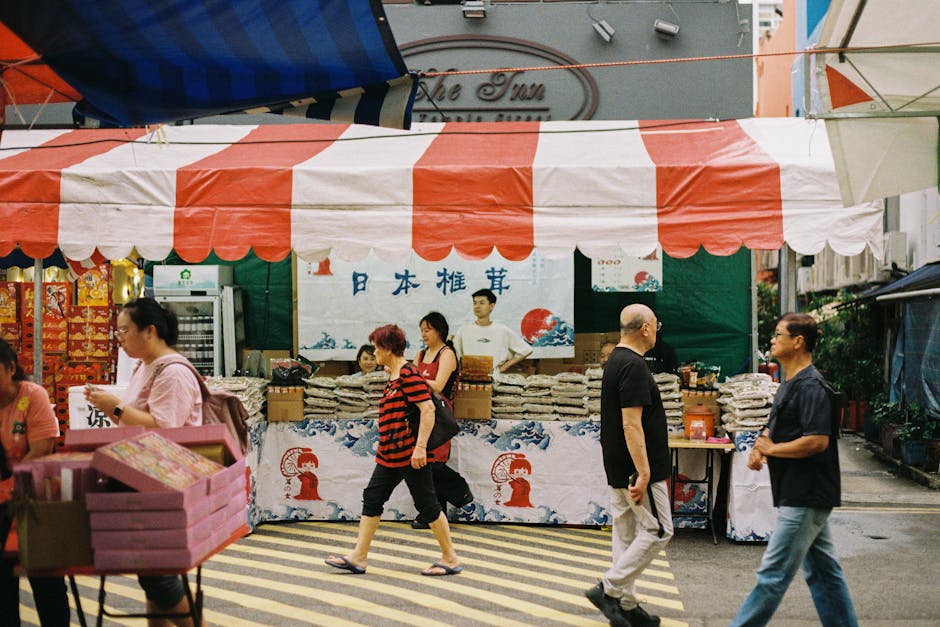
Roadshow marketing singapore involves setting up temporary branded activations that move across multiple locations over a defined period. Unlike a single pop-up event, a roadshow brings your brand to where your customers are — mall atriums, community centres, MRT stations and public spaces — creating repeated exposure across different demographics and neighbourhoods.
The roadshow format is deeply embedded in Singapore’s marketing culture. From insurance companies at MRT stations to telco providers in mall atriums to government agencies in community clubs, roadshows are a proven way to reach Singaporeans where they live, work and shop. The format works because it combines physical presence with face-to-face interaction in high-traffic environments.
Roadshows serve multiple marketing objectives simultaneously. They generate leads and direct sales, build brand awareness among new audiences, allow product demonstrations and trials, and create opportunities for customer feedback. A well-planned roadshow that visits 5 to 10 locations over a month can reach tens of thousands of potential customers across Singapore’s diverse communities.
The key advantage of a roadshow over a single-location event is coverage. Singapore may be small geographically, but consumer behaviour is localised. Residents of Woodlands shop and socialise in different places than residents of Bedok. A roadshow strategy ensures your brand reaches multiple community clusters rather than relying on a single catchment area. Combine roadshows with digital marketing for comprehensive market coverage.
Types of Roadshows That Work in Singapore
Mall atrium roadshows are the most common format. Brands set up booths, displays and activity areas in shopping mall common spaces for 3 to 7 days before moving to the next mall. This format offers built-in foot traffic, weather protection and access to shoppers who are already in a spending mindset. It works well for consumer products, financial services, telecoms and lifestyle brands.
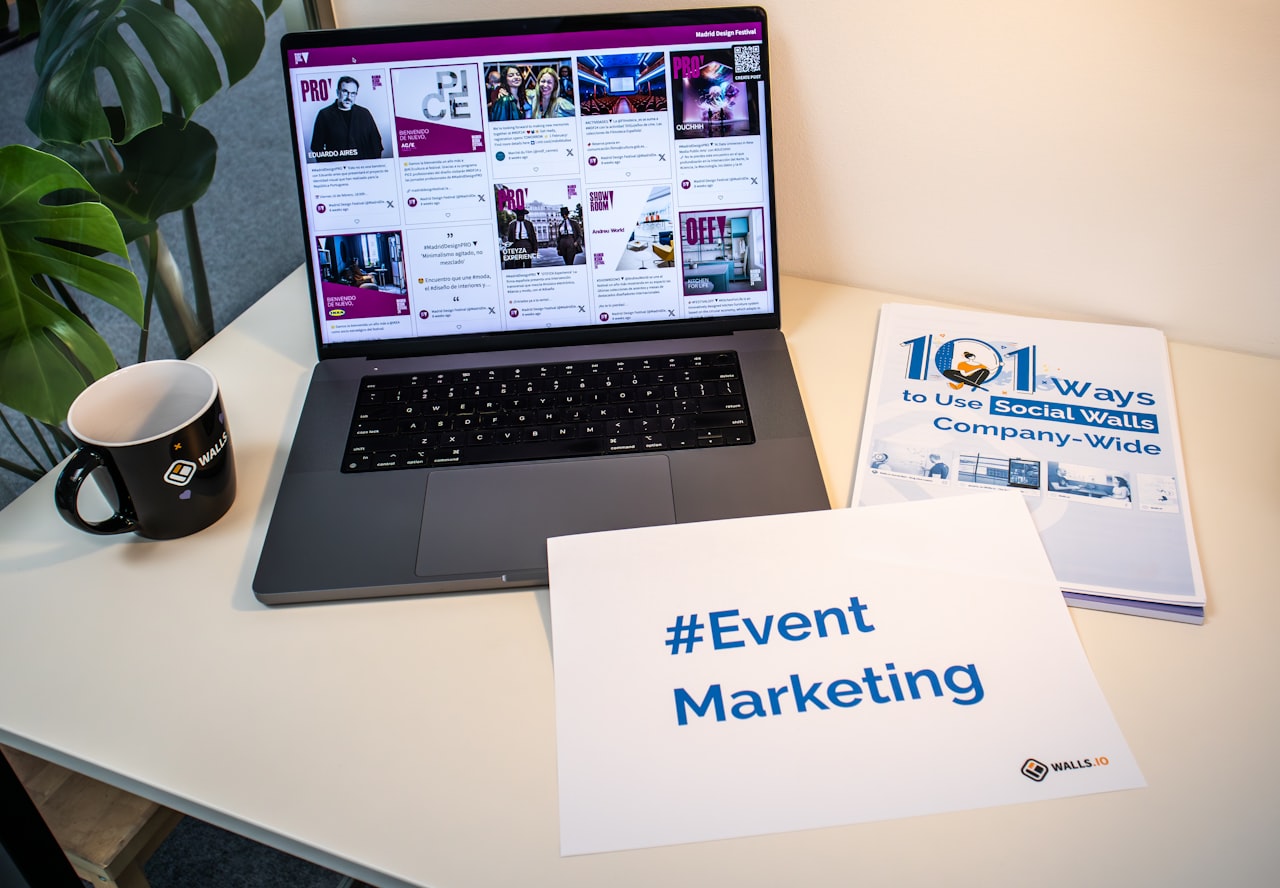
Community roadshows operate in HDB void decks, community centres and grassroots event spaces. These reach heartland audiences including families, seniors and residents who may not frequent premium malls. Government agencies, healthcare providers and essential services brands frequently use this format. The setting is more casual and personal, which can build trust effectively.
Corporate roadshows target office buildings, business parks and co-working spaces. These are ideal for B2B products, professional services and corporate wellness programmes. Lunchtime activations in office lobbies reach working professionals in a context where they are receptive to learning about products and services relevant to their work or personal productivity.
Educational institution roadshows visit universities, polytechnics, ITEs and sometimes secondary schools. Brands targeting young adults — banking products, mobile plans, food and beverage, career services — find these roadshows effective for reaching a concentrated demographic. Campus roadshows often coincide with orientation weeks or campus events for maximum turnout.
Mobile vehicle roadshows use branded trucks, vans or containers that park at various locations. This format eliminates the need for venue setup each time and creates a distinctive visual presence. The vehicle itself becomes a marketing asset. This works well for brands wanting a premium or unconventional presence that stands out from typical booth setups.
Planning Your Roadshow Campaign
Start planning your roadshow 8 to 12 weeks before the first activation date. The multi-location nature of roadshows means logistics are more complex than single events. You need to coordinate venue bookings, permits, build-out schedules, staffing rosters and inventory management across all locations simultaneously.
Select your locations strategically. Map your target audience demographics against potential venues. If you are targeting young families, prioritise malls in mature estates like Tampines, Punggol and Jurong. For premium consumers, focus on Orchard Road and Marina Bay malls. For broad coverage, mix premium and heartland locations.
Create a master schedule that accounts for setup time, activation days, teardown and transit between locations. Allow at least one full day for setup at each new location and half a day for teardown. Back-to-back locations with no buffer time lead to stressed teams and sloppy execution.
Design a modular booth system that is easy to transport, set up and adapt to different space configurations. Mall atrium spaces vary significantly in size, ceiling height and power access. Your booth design should accommodate these variations without requiring custom modifications at each stop. Invest in quality materials that withstand repeated assembly and disassembly.
Develop a standardised playbook for your roadshow team. This document should cover booth setup procedures, product demonstration scripts, lead capture processes, escalation procedures for difficult situations, and daily reporting templates. Consistency across locations is essential for maintaining brand standards and measuring comparative performance. Work with a branding agency to ensure cohesive visual identity across all touchpoints.
Mall Roadshows: Logistics and Best Practices
Booking mall spaces requires early engagement with mall management. Popular malls like VivoCity, ION Orchard and NEX book their atrium spaces months in advance, especially for peak periods like school holidays, festive seasons and year-end. Contact mall leasing departments at least 3 to 4 months before your desired dates.
Mall rental costs vary significantly. Atrium spaces in prime malls cost $3,000 to $15,000 per day, while suburban mall atriums range from $1,500 to $5,000 per day. Some malls offer package deals for multi-day bookings. Negotiate for added value like in-mall signage, PA announcements and social media mentions as part of your rental agreement.
Each mall has specific guidelines regarding build height, fire safety, noise levels, power usage and permitted activities. Request the technical specifications and guidelines early in your planning process. Non-compliance can result in last-minute modifications that disrupt your setup schedule and increase costs.
Loading and setup logistics need careful planning. Malls have designated loading times, typically before opening hours. Large display items and heavy equipment must enter through service lifts and loading docks. Coordinate with mall operations to book loading slots and service lift access. Late arrivals may mean you cannot set up on time.
Maximise your mall roadshow impact by aligning with mall promotions and events. If the mall is running a “spend and redeem” campaign, your roadshow benefits from increased foot traffic. Some malls allow cross-promotions where roadshow visitors can earn mall loyalty points for engaging with your brand.
Community and HDB Roadshows
Community roadshows in HDB estates reach a demographic that is underserved by mall-centric marketing. These activations take place in void decks, covered walkways, community clubs and residents’ corners. The audience skews older and more family-oriented than mall traffic, making these locations ideal for healthcare, insurance, home services and FMCG brands.
Permits for HDB void deck events come from the relevant town council. Each town council has its own application process, fees and guidelines. Common requirements include proof of insurance, event details, noise management plans and commitment to clean up after the event. Apply 4 to 6 weeks before your planned date.
Community club events are coordinated through the People’s Association. These venues offer indoor spaces with basic AV equipment and are often willing to co-promote events that benefit residents. Community clubs are particularly effective when your product or service aligns with community interests like health, education or family activities.
Tailor your approach for community settings. Roadshows in heartland areas work best with approachable staff who speak multiple languages, including Mandarin, Malay and Tamil. Activities should be family-friendly and inclusive of seniors. Lucky draws, games and small giveaways drive engagement in these settings more effectively than product-focused presentations.
Community roadshows are cost-effective compared to mall activations. Void deck and community club rentals range from $200 to $1,000 per day depending on the location and duration. The lower venue costs allow you to allocate more budget to staffing, giveaways and promotional materials, which directly impact engagement quality.
Staffing and Audience Engagement Tactics
Staff are the single most important factor in roadshow success. A well-designed booth with disengaged staff will underperform a basic setup with enthusiastic, knowledgeable brand ambassadors. Hire staff who are genuinely interested in the product, can handle rejection gracefully and know how to read body language to identify interested passers-by.
Train your team thoroughly before the first roadshow date. Cover product knowledge, the ideal customer profile, conversation starters, common objections and the lead capture process. Role-play common scenarios so staff feel confident handling real interactions. Provide cheat sheets they can reference during quiet moments.
Interactive activities dramatically increase engagement. Games, quizzes, product challenges, photo opportunities and prize wheels give passers-by a reason to stop at your booth. The activity should relate to your brand or product — a skincare brand might offer skin analysis, while a food brand might run a taste challenge. These activities also provide natural conversation starters for your staff.
Lead capture must be frictionless. Use tablets rather than paper forms. Minimise the fields you collect — name, phone number and email are usually sufficient for initial follow-up. QR codes that link to digital forms work well for tech-savvy audiences. Offer a clear incentive for data sharing, whether it is a prize draw entry, instant discount or free sample.
Set daily and location-specific targets for your team: number of interactions, leads captured, samples distributed and sales closed. Review performance at the end of each day and adjust tactics for the following day. Recognise and reward top performers to maintain motivation across the multi-week campaign. Complement your in-person efforts with social media marketing to extend reach.
Promotion and Digital Amplification
Promote each roadshow location in advance through your digital channels. Post the roadshow schedule on your website, social media profiles and email newsletters. Create location-specific social media posts tagging the venue to tap into their follower base. Geo-targeted ads on Facebook and Instagram can reach people near each location in the days before and during your activation.
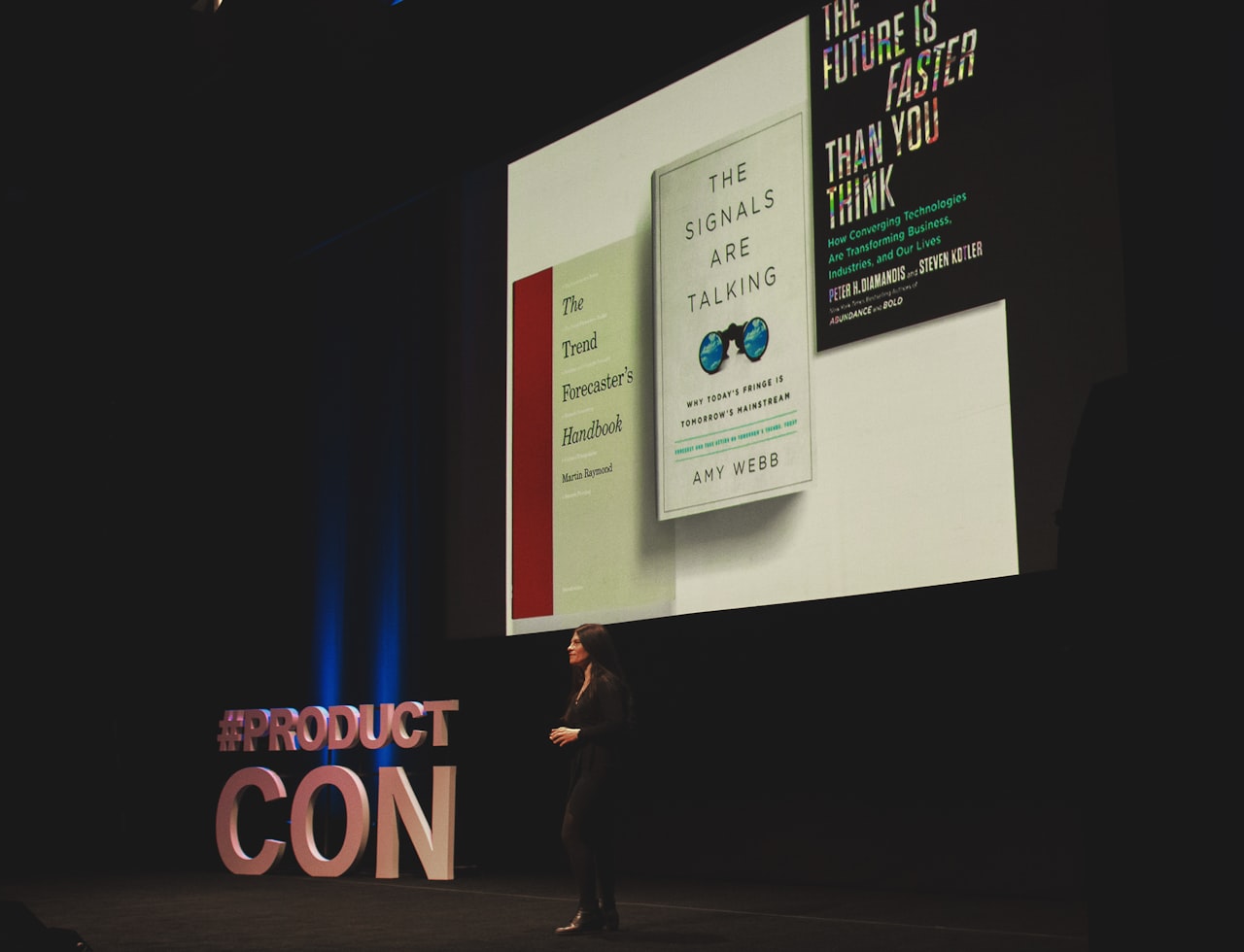
Live social media content during the roadshow extends your reach beyond physical attendees. Post stories, short videos and behind-the-scenes content showing the energy and activity at your booth. Encourage visitors to share their experience using a branded hashtag. Repost user-generated content to your brand channels.
Use Google Ads with location extensions to capture search traffic from people looking for activities or events near each roadshow location. Terms like “things to do at [mall name] this weekend” or “events near [location]” can drive additional foot traffic to your activation.
Create a roadshow-specific landing page on your website that lists all locations and dates, provides a preview of what visitors can expect and captures pre-registrations or expressions of interest. This page serves both as a promotional tool and a data capture mechanism for your marketing funnel.
After the roadshow concludes, compile results into a content piece — a recap blog post, a video highlight reel or a social media carousel summarising the campaign. This content serves as proof of your brand’s market presence and can be used in sales conversations, investor presentations and future marketing planning. Support this with a content marketing strategy that repurposes roadshow assets effectively.
Frequently Asked Questions
How much does a roadshow cost in Singapore?
A basic roadshow visiting 3 to 5 mall locations over 2 to 4 weeks costs $30,000 to $80,000 including venue rental, booth build, staffing and promotional materials. Larger campaigns with custom builds and 8 to 10 locations can exceed $150,000. Community roadshows in HDB areas are more affordable at $5,000 to $15,000 for a similar number of stops.
How many locations should a roadshow cover?
Most effective roadshows in Singapore cover 4 to 8 locations over 3 to 6 weeks. Fewer than 4 locations limits your reach. More than 8 locations in a short period can stretch your team and budget too thin. Space locations 3 to 5 days apart to allow for setup, activation and teardown without rushing.
What permits do I need for a mall roadshow?
Mall roadshows primarily require approval from mall management. You will need to provide business registration, insurance certificates and detailed event plans. The mall handles most regulatory requirements internally. If your roadshow includes food distribution, you may need additional SFA permits.
How do I measure roadshow success?
Track leads generated, sales closed, samples distributed and customer interactions at each location. Compare performance across locations to identify your strongest venues for future campaigns. Measure cost per lead and cost per acquisition against your other marketing channels for ROI comparison.
What is the best time of year for roadshows in Singapore?
Roadshows perform well year-round in Singapore due to consistent weather and shopping patterns. Peak periods include the Great Singapore Sale (June to August), year-end festive season (November to December) and Chinese New Year lead-up (January to February). These periods offer higher foot traffic but also higher venue costs and competition.
How do I choose between mall and community roadshows?
Choose mall roadshows for premium products, consumer electronics, fashion and lifestyle brands. Choose community roadshows for essential services, healthcare, government campaigns and FMCG products. Many successful campaigns combine both formats to maximise demographic coverage across Singapore.
Can roadshows work for B2B companies?
Yes, corporate roadshows targeting office buildings and business parks are effective for B2B products and services. These typically operate during lunch hours and focus on product demonstrations, consultations and lead generation rather than direct sales. Technology, SaaS and professional services companies use this format successfully.
How many staff do I need for a roadshow?
For a standard mall atrium roadshow, plan for 4 to 6 staff per location — two for engagement and lead capture, one for demonstrations, one for operations and one to two for overflow during peak hours. Community roadshows can operate with 2 to 3 staff. Ensure you have backup staff available for illness or no-shows.