Magazine Advertising in Singapore: Reach Niche Audiences in Print and Digital
Table of Contents
Why Magazine Advertising Works for Niche Targeting
Magazine advertising Singapore offers a unique advantage that few other channels can match: the ability to reach highly specific audience segments in a context where they are actively engaged and receptive. Unlike newspapers that serve a broad general audience, magazines cater to defined interests, lifestyles and professional communities, giving advertisers precision targeting through editorial alignment.
Readers choose magazines based on personal interests, whether that is fashion, business, fitness, parenting, food or technology. This self-selection means your advertisement appears alongside content that your target audience actively sought out and is genuinely interested in. A luxury watch advertisement in a premium lifestyle magazine reaches consumers already in an aspirational mindset. A B2B software advertisement in a technology journal reaches IT decision-makers actively seeking solutions.
The engagement level with magazine content far exceeds most digital channels. Readers spend an average of 30 to 60 minutes with a single magazine issue, compared to seconds on a typical web page. This extended attention span means your advertisement benefits from a more focused, less distracted reader. The tactile experience of a printed magazine also creates stronger emotional connections with content, including advertisements, making print magazines a valuable complement to your digital marketing efforts.
The Singapore Magazine Landscape
Singapore’s magazine market spans consumer lifestyle, business, trade and special interest categories. Understanding the landscape helps you identify the right titles for your advertising objectives.
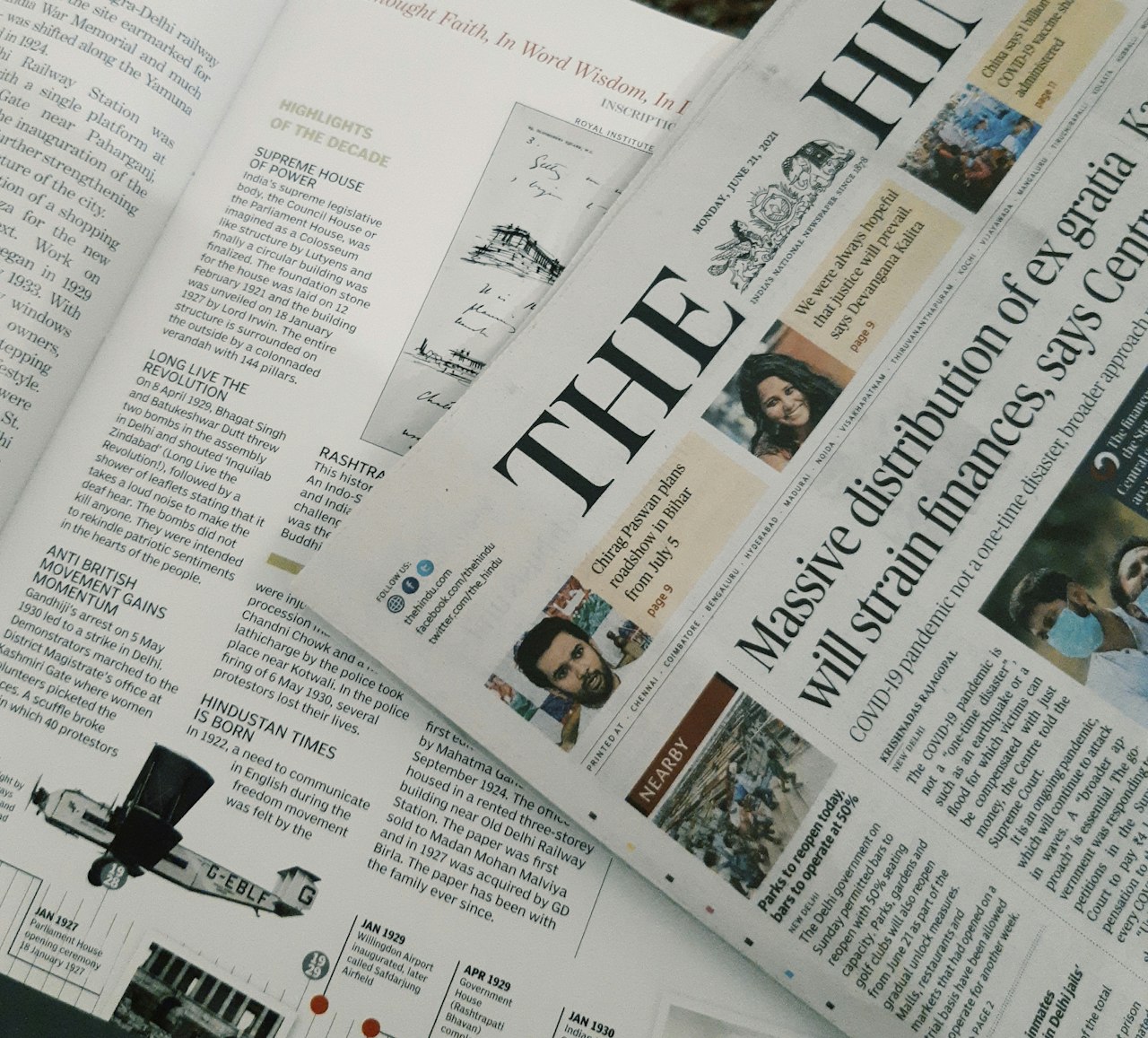
Premium lifestyle magazines such as The Peak, Prestige, Tatler and Singapore Tatler Homes target affluent readers with content focused on luxury, fine dining, travel and premium living. These publications command higher advertising rates but deliver access to high-net-worth individuals with significant spending power. Advertisers in luxury goods, premium services, property and high-end hospitality find strong alignment with these titles.
Women’s magazines including Her World, Female, Cleo and Harper’s Bazaar Singapore serve diverse female demographics with content spanning fashion, beauty, wellness, careers and relationships. These publications are effective for beauty brands, fashion retailers, healthcare providers and consumer services targeting women across various age groups and life stages.
Business and finance magazines such as The Edge Singapore, Singapore Business Review and Forbes Asia reach corporate leaders, entrepreneurs and investors. B2B advertisers, financial services firms and professional services companies use these titles to build credibility and reach decision-makers. For broader business audience reach, combining magazine placements with newspaper advertising in The Business Times extends your coverage.
Special interest magazines covering food, travel, health, fitness, parenting, home decor and technology provide targeted access to passionate communities. Titles like Time Out Singapore, SilverKris, and various food and travel publications reach readers deeply engaged with specific lifestyle categories.
Ad Formats and Premium Placements
Magazine advertising offers diverse format options, from standard page advertisements to innovative special executions. Selecting the right format depends on your creative concept, budget and campaign objectives.
Standard page sizes include full page, half page, third page and quarter page. Full-page advertisements deliver maximum impact, while fractional pages work for simpler messages with focused calls to action. Double-page spreads span two facing pages, creating a dramatic canvas for brand storytelling and visual impact. These are particularly effective for fashion, automotive, travel and luxury brand campaigns.
Premium positions command higher rates but deliver superior visibility. The inside front cover, inside back cover and outside back cover are the most sought-after positions. These placements are seen first and last by readers, creating strong brand impressions. Right-hand pages are generally preferred over left-hand pages because they receive more visual attention from readers.
Gatefold advertisements extend beyond the standard page size, folding out to reveal a larger creative canvas. These are typically used for major brand launches and premium campaigns. Belly bands wrap around the outside of the magazine, ensuring every reader sees your message before even opening the publication. Tip-on cards, scent strips and other tactile elements add sensory dimensions to your advertisement.
Advertorial content blends editorial storytelling with brand messaging. Spanning one to several pages, advertorials allow you to educate readers, share case studies or present product features in depth. High-quality advertorials that genuinely inform or entertain the reader can outperform standard display advertisements in engagement and response. Strong content marketing principles apply equally to magazine advertorial creation.
Rates and Media Buying Tips
Magazine advertising rates in Singapore vary considerably based on the publication’s circulation, audience profile, advertisement size and placement position. Effective media buying requires understanding the rate structure and negotiating strategically.

Premium lifestyle magazines typically charge between SGD 5,000 and SGD 15,000 for a full-page colour advertisement. Mass-market consumer magazines range from SGD 3,000 to SGD 8,000 per full page. Trade and business publications generally offer lower rates, from SGD 1,500 to SGD 5,000 per full page, reflecting their smaller but more targeted circulations.
Always request the full rate card and media kit from publications you are considering. Media kits contain essential information including audited circulation figures, readership demographics, editorial calendars and special issue schedules. This data helps you evaluate whether a publication’s audience matches your target market.
Negotiate beyond the published rate card. Most publishers will offer discounts for multi-issue bookings, annual contracts and first-time advertisers. Package deals combining print advertisements with digital placements, social media mentions or event sponsorships often deliver better overall value than stand-alone print bookings.
Time your bookings around editorial calendars. Special issues focused on topics relevant to your business, such as annual dining guides, technology reviews or business awards editions, attract engaged readership specifically interested in your category. Advertising in these themed issues improves contextual relevance and reader response.
Creative Best Practices for Magazine Ads
Magazine advertisements benefit from the superior production quality of glossy paper, accurate colour reproduction and high-resolution printing. Your creative execution should take full advantage of these characteristics.
Visual quality is paramount. Use professional photography or high-end illustration at 300 DPI resolution or higher. Magazine readers expect visual excellence, and anything less undermines your brand perception. Colour accuracy matters, so ensure your files are properly prepared in CMYK colour mode and proofed before submission.
Simplicity drives impact. The most effective magazine advertisements typically feature one strong visual, a concise headline, minimal body copy and a clear call to action. Avoid cluttering the page with too many messages, images or design elements. Each element should earn its place in the layout.
Brand consistency across your magazine advertisements, other print collateral and digital presence strengthens recognition. Use consistent colours, typography, imagery style and tone of voice. Professional branding services ensure your magazine advertisements align with your overall brand identity and reinforce recall across all customer touchpoints.
Test different creative approaches across issues. Unlike digital where A/B testing is instantaneous, magazine creative testing requires running different executions in consecutive issues and comparing response. Track which headlines, visuals and offers generate the strongest results to refine your approach over time. For guidance on creating supporting print materials, see our article on brochure design for marketing.
Digital Magazine Advertising
Most Singapore magazines now publish digital editions alongside their print versions, creating additional advertising opportunities. Digital magazine advertising extends your reach to readers who prefer consuming content on tablets, smartphones and computers.
Digital editions replicate the print magazine experience on screens, preserving the layout, design and advertisement placements of the physical version. Your print advertisement appears in the digital edition as well, often included in bundled print-digital advertising packages at no additional cost or a modest premium.
Interactive elements distinguish digital magazine advertisements from their print counterparts. In digital editions, your advertisement can include clickable links, embedded video, animated elements and direct purchase buttons. These interactive features can significantly improve engagement and direct response compared to static print placements.
Social media extensions allow magazine publishers to promote your advertisement or advertorial content through their social media channels. Many publishers offer social media amplification as part of premium advertising packages, extending your reach beyond the magazine’s subscriber base to their broader social media following.
Website integration through banner advertisements, sponsored content and native advertising on the magazine’s website provides additional digital touchpoints. These placements benefit from the magazine brand’s authority while reaching online audiences who may not read the print or digital editions. Combining magazine advertising with your own social media marketing strategy creates a comprehensive multi-channel approach.
Measuring Magazine Advertising Effectiveness
Tracking magazine advertising performance requires planning your measurement approach before the campaign launches. Several proven methods provide actionable data on your magazine advertising return on investment.
Unique URLs and dedicated landing pages attributable to specific magazine placements provide clear digital tracking. Create a simple, memorable URL for each magazine advertisement and measure all traffic, enquiries and conversions through that page. This method directly connects magazine exposure to measurable online actions.
QR codes in magazine advertisements have become standard practice. They bridge print and digital seamlessly, directing readers to landing pages, product catalogues, booking systems or promotional offers. QR code tracking provides detailed data including scan volumes, timing, device types and geographic locations.
Promotional codes unique to each magazine placement track redemptions and sales directly attributable to the advertisement. Use different codes for different publications to compare performance across titles and identify which magazines deliver the best results for your business.
Brand tracking studies measure awareness, perception and consideration changes over the course of a magazine advertising campaign. While more resource-intensive than direct response tracking, brand studies reveal the broader impact of magazine advertising on your brand health metrics. Pairing magazine brand building with Google Ads campaigns captures the increased search demand that brand awareness generates.
Publisher-provided data including readership surveys, advertisement recall studies and engagement metrics offer additional insight into your advertisement’s performance. Request these reports from your publisher, especially for premium or long-running campaigns.
Frequently Asked Questions
How much does magazine advertising cost in Singapore?
Full-page colour advertisements range from SGD 1,500 in trade publications to SGD 15,000 or more in premium lifestyle magazines. Fractional pages cost proportionally less. Rates depend on circulation, audience profile and placement position. Always negotiate for multi-issue and package discounts.
How far in advance should I book magazine advertisements?
Most magazines require booking four to eight weeks before the publication date. Special positions and themed issues may need longer lead times. Creative materials are typically due two to four weeks before publication. Plan quarterly to secure preferred positions.
What is the difference between magazine and newspaper advertising?
Magazines offer niche audience targeting, longer shelf life, superior print quality and deeper reader engagement. Newspapers provide broader reach, more frequent publication, lower costs and faster turnaround. Many campaigns benefit from using both channels. Our print advertising guide covers both in detail.
Are digital magazine editions worth advertising in?
Yes, especially when bundled with print placements. Digital editions extend reach to mobile and tablet readers, offer interactive features like clickable links and video, and provide additional tracking capabilities. Most publishers include digital editions in print advertising packages.
How do I choose the right magazine for my advertisement?
Match your target customer profile to the magazine’s readership demographics. Request media kits with audited circulation data, reader surveys and demographic breakdowns. Consider editorial alignment, as your advertisement performs best when surrounded by content relevant to your product or service.
What is the minimum commitment for magazine advertising?
Most magazines accept single-issue bookings, but campaigns of three to six issues deliver stronger results through repetition and frequency. Many publishers offer discounted rates for multi-issue commitments, making longer campaigns more cost-effective per insertion.
Can magazine advertising drive immediate sales?
Magazine advertising can drive direct response through strong calls to action, promotional offers, QR codes and unique URLs. However, its primary strength is building brand awareness, credibility and consideration over time. Combine with direct response channels like SEO for the strongest overall results.
Should I create an advertorial or a standard advertisement?
Advertorials work best when you have a complex message, educational content or a story to tell. Standard advertisements are better for simple brand awareness, promotional offers or visual brand statements. Test both formats to determine which generates stronger response from your target audience.