Product Sampling Campaigns in Singapore: Locations, Permits and ROI
Table of Contents
Why Product Sampling Still Works
Product sampling singapore campaigns remain one of the most effective ways to convert sceptical consumers into buyers. When someone tries your product firsthand, the psychological barrier to purchase drops significantly. Research consistently shows that 70 to 80 percent of consumers who try a sample are more likely to purchase the full product.
In Singapore’s competitive consumer market, where shelf space is limited and brand loyalty is constantly challenged by new entrants, sampling provides a tangible advantage. It takes your product out of the crowded advertising space and puts it directly into consumers’ hands. No advertisement, no matter how creative, can replicate the experience of actually using a product.
Sampling is particularly effective for three scenarios: launching new products where consumers have no frame of reference, challenging established competitors by proving your product is equal or superior, and reactivating lapsed customers by reminding them of your product’s quality. Each scenario requires a different sampling strategy, but the core principle remains the same — trial drives purchase.
The Singapore market is well-suited to sampling campaigns because of its high population density and concentrated retail infrastructure. You can reach a significant portion of your target audience through a handful of well-chosen locations. Combined with strong digital marketing, sampling campaigns can achieve both immediate conversions and long-term brand building.
Types of Product Sampling Campaigns
In-store sampling places your product directly at the point of purchase. Supermarkets like FairPrice, Cold Storage and Giant offer sampling programmes where brand ambassadors distribute samples to shoppers in the relevant aisle. This format has the highest conversion rate because the full-size product is immediately available for purchase. The downside is limited reach — you only connect with people already shopping in that store.
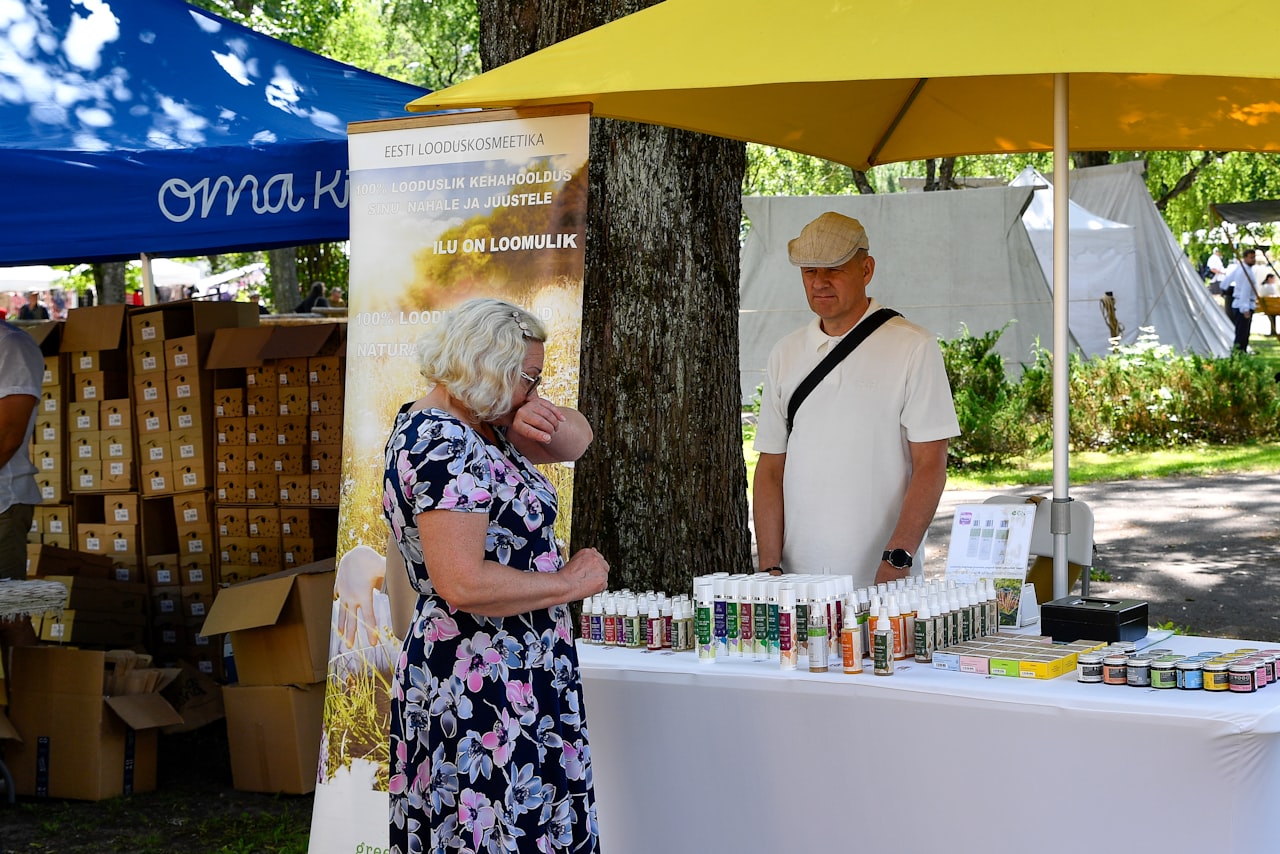
Street-level sampling at high-traffic locations like MRT stations, bus interchanges and commercial districts reaches large volumes of people quickly. This format works well for mass-market products like beverages, snacks and personal care items. The conversion path is less direct than in-store sampling, but the volume of trials can be significant.
Event-based sampling ties product distribution to events like concerts, sporting events, community festivals and corporate functions. This format lets you reach specific demographics in a positive emotional context. A sports drink brand sampling at a marathon expo or a skincare brand sampling at a beauty fair reaches pre-qualified audiences.
Subscription box sampling partners your product with curated subscription services that deliver sample-sized products to subscribers monthly. Services operating in Singapore cover beauty, wellness, food and lifestyle categories. This format provides a premium context for your sample and often includes detailed product information.
Digital-to-physical sampling uses online targeting to identify consumers who then receive physical samples by mail or collect them at designated locations. This approach combines the precision of digital targeting with the impact of physical product trial. Platforms like Sample Store connect brands with consumers who opt in to receive samples. For broader campaign strategies that include sampling, consider roadshow marketing formats.
Best Locations for Sampling in Singapore
MRT stations are among the most effective sampling locations in Singapore. Stations like Raffles Place, City Hall, Orchard, Toa Payoh and Jurong East see hundreds of thousands of commuters daily. Morning rush hours (7:30 to 9:30 AM) and evening rush hours (5:30 to 7:30 PM) provide peak traffic. SMRT and SBS Transit have specific guidelines for commercial activities at their stations.
Shopping malls offer controlled environments with defined demographics. Premium malls attract higher-income consumers, while heartland malls reach families and suburban residents. Many malls have designated sampling zones or event spaces where brands can set up with proper approvals. Mall sampling typically requires a rental fee and adherence to the mall’s commercial guidelines.
University and polytechnic campuses are ideal for reaching young adult consumers. NUS, NTU, SMU and the polytechnics have large captive audiences of students and staff. Most institutions have student affairs offices that coordinate commercial activities on campus. Student-focused sampling works well for food and beverage, technology and lifestyle brands.
Office buildings and business parks in areas like Raffles Place, Tanjong Pagar, one-north and Changi Business Park reach working professionals. Lobby sampling during lunch hours can distribute high volumes to a professional demographic. Building management approval is required, and some buildings have exclusive agreements with specific agencies.
Community events like National Day celebrations, pasar malams, void deck events and grassroots organisation activities provide access to diverse heartland audiences. These events attract families and older demographics that are harder to reach through digital channels. Coordination with event organisers or community leaders is essential.
Permits and Compliance Requirements
Product sampling in public spaces in Singapore requires permits from the relevant authorities. Sampling in HDB estates needs approval from the relevant town council. Sampling in parks and nature reserves requires a permit from the National Parks Board. Road-side sampling may need approval from the Land Transport Authority.
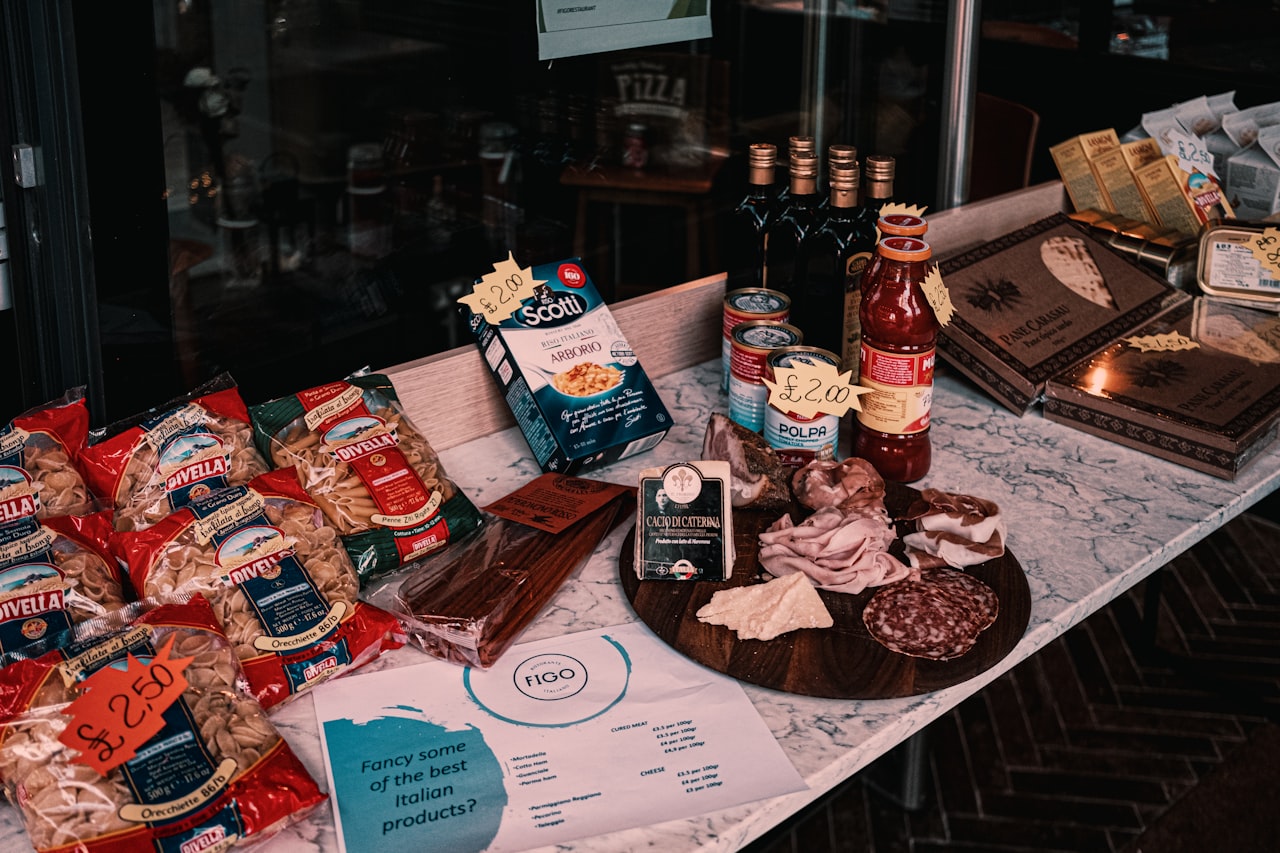
Food and beverage sampling has additional requirements. If you are distributing food samples, you need to comply with Singapore Food Agency regulations. Pre-packaged samples with proper labelling generally face fewer restrictions than freshly prepared samples. Freshly prepared food samples require food handling licences and compliance with hygiene standards.
Health supplements and pharmaceutical products have strict advertising and distribution regulations under the Health Sciences Authority. Sampling of these products must comply with the Medicines Act and Health Products Act. Claims made during sampling must be substantiated and approved. Consult with an HSA-registered advisor before planning sampling campaigns for these categories.
Personal data collection during sampling campaigns must comply with the Personal Data Protection Act. If you collect names, email addresses or phone numbers during your campaign, you need clear consent from each individual, a stated purpose for data collection and proper data protection measures. Display your privacy policy and make opt-in explicit rather than assumed.
Insurance coverage is recommended for all sampling campaigns. Public liability insurance protects against claims if a consumer has an adverse reaction or if an accident occurs at your sampling location. Most venue operators and event organisers require proof of insurance as a condition of participation.
Planning and Execution Best Practices
Define your sampling objective before anything else. Are you driving trial for a new product launch? Converting users of a competing product? Building awareness in a specific demographic? Your objective determines everything from location selection to sample format to staff briefing.
Select the right sample format. Full-size samples have higher impact but higher cost per unit. Sample sachets or mini sizes are more cost-effective for mass distribution. Bundled samples (your product paired with a complementary item) increase perceived value. The format should match both your budget and your conversion strategy.
Staff quality makes or breaks a sampling campaign. Hire experienced brand ambassadors from reputable agencies and invest in thorough briefing. Staff should know the product’s key benefits, how to handle common questions and how to smoothly transition from distributing a sample to collecting data or directing toward purchase. Enthusiastic, well-informed staff can triple your engagement rate compared to unmotivated distributors.
Timing matters significantly. Sampling a breakfast product during the morning commute makes logical sense. Sampling a beer at 9 AM does not. Match your sampling schedule to when your target consumers are most receptive. For in-store sampling, weekends typically generate more engagement than weekdays.
Create a consistent branded setup. Even for simple street sampling, have branded uniforms, a branded table or display stand and printed materials that reinforce the brand message. This professionalism builds trust and distinguishes your sampling from the random flyer distribution that Singaporeans have learned to ignore. Invest in proper branding to make every touchpoint count.
Integrating Digital Marketing With Sampling
Physical sampling becomes significantly more powerful when connected to digital channels. Include QR codes on your sample packaging that link to product information, usage tutorials or a discount code for online purchase. Track scan rates to measure engagement beyond the initial trial.
Run social media campaigns that complement your sampling activity. Encourage people who receive samples to share their experience using a branded hashtag. Feature user-generated content on your brand’s social channels. This extends the reach of your sampling campaign from hundreds of direct recipients to thousands of social media viewers.
Retarget people who interact with your sampling campaign digitally. If someone scans your QR code or visits your landing page, add them to retargeting audiences on Facebook, Instagram and Google. Serve them ads featuring the same product they tried, along with a purchase incentive. This multi-touchpoint approach significantly increases conversion rates.
Use Google Ads to capture demand created by your sampling campaign. People who try and like your product may search for it online later. Ensure you are bidding on your brand terms and relevant product category terms during and after the sampling period to capture this intent.
Email nurturing sequences for leads collected during sampling should provide additional value: usage tips, recipe ideas for food products, styling suggestions for beauty products or complementary product recommendations. Space emails over 2 to 4 weeks, gradually introducing more purchase-focused messaging. A good content marketing strategy ensures these emails deliver genuine value.
Measuring Product Sampling ROI
Track your sampling campaign across three dimensions: distribution metrics, engagement metrics and conversion metrics. Distribution metrics include the number of samples given out, cost per sample distributed and coverage of your target demographic. Engagement metrics include QR code scans, landing page visits, social media mentions and email sign-ups.
Conversion metrics are the most important and the hardest to track. For in-store sampling, compare sales velocity of the sampled product before, during and after the campaign. Many retailers can provide this data at the store level. For out-of-store sampling, use unique discount codes to attribute purchases to the sampling campaign.
Calculate your cost per trial by dividing total campaign costs by the number of samples distributed. Then calculate your cost per conversion by dividing total costs by the number of attributable purchases. Compare these figures against your customer acquisition costs from other channels to assess relative efficiency.
Measure the halo effect of sampling on overall brand metrics. Run brand awareness and consideration surveys before and after campaigns to measure changes in perception. Monitor search volume for your brand name during and after the sampling period — an increase indicates that sampling is driving consumer interest beyond direct conversions.
Factor in the lifetime value of customers acquired through sampling. If a $2 sample leads to a customer who purchases $200 worth of products over the following year, the ROI looks very different than if you only count the first purchase. Track cohort data for sampling-acquired customers against other acquisition channels. For a comprehensive framework, see our guide on event marketing ROI measurement.
Frequently Asked Questions
How much does a product sampling campaign cost in Singapore?
Costs vary based on scale and format. A basic one-day street sampling campaign with two staff costs $1,500 to $3,000 plus sample costs. A week-long in-store sampling programme across multiple locations runs $8,000 to $20,000. Large-scale sampling at events or MRT stations can cost $15,000 to $50,000 depending on duration and locations.
How many samples should I distribute?
This depends on your product category and campaign objectives. For a new product launch in Singapore, distributing 5,000 to 20,000 samples across multiple locations over 2 to 4 weeks provides meaningful market exposure. For niche products, 1,000 to 3,000 targeted samples may be more appropriate and cost-effective.
What is a good conversion rate for product sampling?
In-store sampling conversion rates in Singapore typically range from 15 to 35 percent, meaning 15 to 35 percent of people who try a sample purchase the full product during the same shopping trip. Out-of-store sampling conversion rates are lower at 5 to 15 percent because the purchase is not immediately available.
Do I need a permit to give out free samples in Singapore?
Yes, sampling in most public spaces requires permits from relevant authorities. Mall and in-store sampling requires venue approval. Sampling near MRT stations needs SMRT or SBS Transit approval. Street-level sampling in commercial areas may require permits from the local town council or URA.
What products are best suited for sampling campaigns?
Products that benefit most from trial include food and beverages, skincare and beauty products, household cleaning products and personal care items. The common thread is that trying the product provides information that advertising cannot — taste, texture, scent or immediate visible results.
How do I choose between in-store and street sampling?
In-store sampling works best when your product is available in that store and you want to drive immediate purchase. Street sampling works better for brand awareness, new product launches and reaching large volumes of people. Many effective campaigns combine both formats for maximum impact.
Can I collect personal data during sampling campaigns?
Yes, but you must comply with the Personal Data Protection Act. Obtain clear, explicit consent before collecting any personal information. State the purpose of collection, how the data will be used and provide an easy opt-out mechanism. Display your privacy policy at the sampling location.
How long should a sampling campaign run?
Most sampling campaigns in Singapore run for 1 to 4 weeks. Shorter campaigns of 1 to 2 days work for event-based sampling. Sustained campaigns of 2 to 4 weeks across multiple locations build cumulative impact and allow you to optimise locations and timing based on early results.