Corporate Event Marketing: Plan Launches, Galas and Networking Events
Table of Contents
Why Corporate Events Still Matter
In an era dominated by digital communication, corporate event marketing remains one of the most powerful tools for building business relationships, launching products and positioning brands. Face-to-face interactions create a depth of connection that video calls and email campaigns cannot match. The handshake after a meaningful conversation, the energy in a room during a product reveal and the informal exchanges over cocktails all contribute to business outcomes.
Singapore is Asia’s corporate events hub. The city’s world-class venues, excellent connectivity, business-friendly environment and diverse talent pool make it the preferred location for regional product launches, annual conferences, client appreciation events and networking functions. Companies based here — and those using Singapore as their regional headquarters — invest heavily in events as a strategic marketing channel.
The business case for corporate events is supported by data. Well-executed events generate qualified leads at rates that outperform most digital channels. Product launches with live demonstrations achieve higher media coverage than press releases alone. Client appreciation events strengthen retention more effectively than discount offers. The key is treating your event as a marketing campaign with clear objectives, targeted audiences and measurable outcomes, not as a party with a corporate logo.
Effective corporate events integrate with your broader digital marketing strategy rather than operating in isolation. They generate content, create relationship capital and provide data that fuels your marketing engine for months after the event ends.
Types of Corporate Events and Their Objectives
Product launch events create a memorable moment around your new offering. The objective is to generate media coverage, social media buzz and early adopter interest. Successful launches in Singapore combine a compelling reveal moment with hands-on product experience and press accessibility. Format ranges from intimate influencer previews to large-scale public launches depending on the product and target audience.

Client appreciation events strengthen relationships with existing customers and reduce churn. Exclusive dinners, cocktail receptions, entertainment experiences and behind-the-scenes tours make clients feel valued. These events are not about selling — they are about demonstrating gratitude and deepening the personal connection that keeps business relationships strong.
Networking events create structured opportunities for professional connection. These can be industry-specific meetups, executive roundtables or cross-industry mixers. The best networking events provide both structured interaction formats (like speed networking or facilitated discussions) and informal social time. They position your company as a connector and thought leader in your industry.
Gala dinners and awards ceremonies celebrate achievements while reinforcing brand prestige. Annual company galas, industry awards ceremonies and charity fundraiser dinners require sophisticated production and meticulous planning. These events are often the most visible expression of a company’s brand values and market position.
Internal events like town halls, team building activities and company retreats serve employee engagement objectives. While primarily internal, these events influence employer branding, talent retention and company culture — all of which have external marketing implications. A company known as a great place to work attracts better talent and inspires more confidence among clients.
Planning Timeline and Logistics
Large corporate events require 3 to 6 months of planning. Start with a detailed project plan that covers every element: venue, catering, AV production, guest list management, invitations, marketing, entertainment, decor, logistics and contingencies. Assign a dedicated event manager — whether internal or from an agency — to coordinate all workstreams.
The first month should focus on strategy and concept. Define the event objective, target audience, budget, date and key messages. Develop the event concept — theme, format, run of show and guest experience journey. Begin venue shortlisting and send RFPs to potential venues and vendors.
Months two and three focus on execution planning. Confirm the venue, book vendors, design invitations and marketing materials, finalise the programme, confirm speakers or entertainment and begin guest list management. Start marketing the event through your chosen channels — invitations, email campaigns, social media and direct outreach.
Month four and beyond covers production. Finalise all logistics, conduct venue site visits, confirm catering menus, complete AV technical rehearsals and brief all staff and vendors. Send reminder communications to guests. Prepare contingency plans for common issues like weather, technical failures, speaker cancellations and attendance shortfalls.
Build a comprehensive budget with line items for every expense category. Typical budget allocation: venue 25 to 30 percent, catering 20 to 25 percent, AV and production 15 to 20 percent, marketing and invitations 10 to 15 percent, entertainment and speakers 10 to 15 percent, staffing and miscellaneous 10 percent. Add a 10 percent contingency buffer.
Marketing Your Corporate Event
Invitation strategy depends on the event type. Exclusive events like client dinners and executive roundtables use personalised invitations sent directly to named individuals. Direct outreach by account managers or senior leaders dramatically increases acceptance rates for high-value guests. Follow up personally with VIP invitees who have not responded.
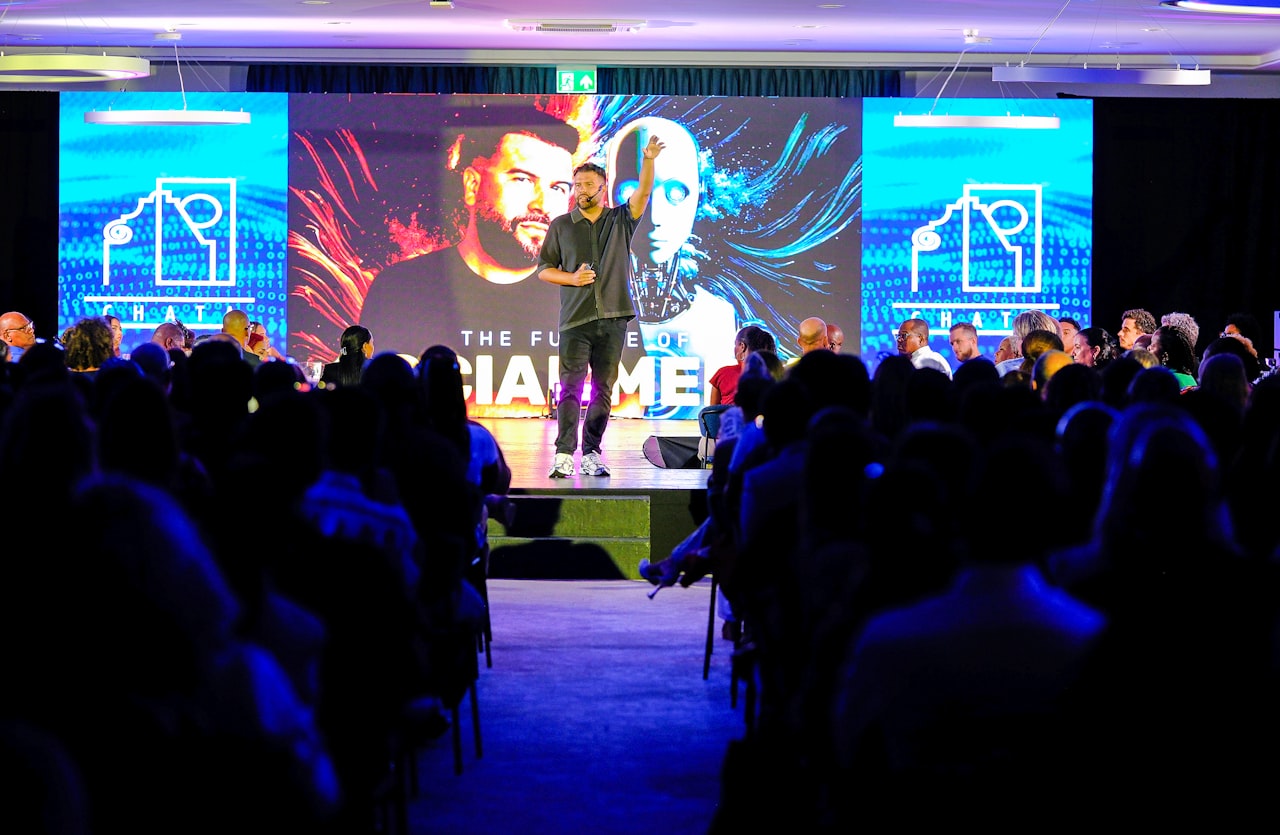
For larger events like product launches and networking functions, use multi-channel promotion. Email invitations to your database, social media announcements, LinkedIn event pages, industry newsletter listings and partner cross-promotion all contribute to filling seats. Create a registration page with a clear value proposition and frictionless sign-up process.
Event content marketing builds anticipation. Publish speaker announcements, agenda reveals, behind-the-scenes preparation content and “reasons to attend” posts in the weeks before the event. Each content piece gives you an opportunity to drive registration traffic. A well-planned content marketing approach can be the difference between a full house and empty chairs.
Leverage your speakers, sponsors and partners as promotional channels. Provide them with branded assets and suggested social media copy. Create co-branded email templates they can send to their networks. Track registrations by source to understand which channels and partners drive the most sign-ups.
For public-facing events, paid promotion through Google Ads and social media advertising accelerates registration. Target by job title, industry, seniority and location for B2B events. Use retargeting to convert website visitors who viewed the event page but did not register. Increase ad spend in the two weeks before the event when urgency messaging is most effective.
Venue Selection in Singapore
Singapore offers an exceptional range of corporate event venues. Hotel ballrooms at properties like Marina Bay Sands, The Ritz-Carlton, Raffles Hotel and Shangri-La provide premium settings with full-service catering and AV. These venues suit formal events like galas, product launches and executive dinners. Costs range from $150 to $400 per person for dinner events.
Convention and exhibition centres like Suntec Singapore, Singapore Expo and Marina Bay Sands Expo provide large-format spaces for conferences, exhibitions and large-scale product launches. These venues offer flexible spaces that can be configured for various event formats and typically have in-house AV and catering capabilities.
Unique venues create memorable experiences that stand out from typical corporate settings. Galleries like the National Gallery Singapore, outdoor spaces at Gardens by the Bay, heritage venues like the Fullerton Hotel and rooftop bars across the city offer distinctive atmospheres. Unique venues require more logistical planning but create stronger impressions.
Co-working spaces and innovation hubs like JTC LaunchPad, Block71 and various WeWork locations suit tech industry events, startup meetups and casual networking functions. These venues feel contemporary and innovative, aligning with brands that want to project a forward-thinking image.
When selecting your venue, consider capacity, accessibility by public transport, parking availability, AV capabilities, catering options, exclusivity, ambience and budget. Visit shortlisted venues in person and request references from previous corporate event clients. Book 4 to 6 months in advance for popular venues, especially during the peak events season from September to December.
Creating Memorable Event Experiences
The guest experience begins before they arrive. Registration confirmation emails, event apps, personalised agendas and pre-event networking introductions all set expectations and build anticipation. Make guests feel valued from the moment they confirm their attendance.
First impressions at the venue matter enormously. The arrival experience — from signage and welcome staff to registration speed and the initial visual impact of the event space — shapes guests’ mindset for the entire event. Invest in a smooth, efficient registration process and a visually striking entrance that immediately communicates the event’s quality and purpose.
Programme design should balance information, interaction and entertainment. Back-to-back presentations fatigue audiences quickly. Intersperse presentations with panel discussions, interactive workshops, networking breaks and entertainment moments. Keep individual sessions under 20 minutes unless the content is exceptionally engaging.
Food and beverage is often what guests remember most. Work with your caterer to create a menu that is distinctive, well-presented and accommodating of dietary requirements. Themed food stations, cocktail pairings and interactive food experiences elevate catering from a functional necessity to a memorable event element. For experiential marketing ideas that enhance events, consider interactive food and drink concepts.
Technology enhances the experience when used purposefully. Event apps for networking and agenda management, live polling during presentations, digital photo booths and social media walls displaying guest posts all add value. Ensure your WiFi can handle the load — nothing frustrates guests more than slow connectivity at a tech-forward event.
Post-Event Marketing Strategy
Post-event follow-up begins within 24 hours. Send a thank-you email with event highlights, key takeaways and links to presentation materials. For lead generation events, segment attendees by engagement level and route them to appropriate follow-up sequences — high-interest attendees get personal outreach while general attendees enter a nurture campaign.
Publish event content across your marketing channels. A recap blog post, a photo gallery, video highlights and key quote graphics extend the event’s impact to audiences who did not attend. This content serves as both a marketing asset and a proof point for future event promotion — prospective attendees can see what they missed.
Analyse event data to inform future planning. Review attendance rates versus registrations, guest feedback survey results, social media engagement, media coverage and lead quality. Compare these against your pre-set objectives and budget to calculate ROI. Document lessons learned for your next event.
Begin promoting your next event while the current one is fresh in people’s minds. Offer early registration for returning attendees, announce initial details for the next event at the current one and capture intent through “interested in attending next year” sign-ups. This builds a warm audience for your next event’s marketing campaign.
Use attendee data to build ongoing relationships beyond the event. Add engaged attendees to relevant marketing segments, invite them to future events, share relevant content and nurture them toward your business objectives. An event is a touchpoint, not an endpoint. Integrate event leads into your SEO and digital nurture workflows for sustained impact.
Frequently Asked Questions
How much does a corporate event cost in Singapore?
Costs vary widely by format and scale. A networking cocktail reception for 100 guests costs $8,000 to $20,000. A product launch for 200 guests runs $30,000 to $80,000. A formal gala dinner for 300 guests can cost $80,000 to $200,000 or more. Budget $150 to $500 per guest as a starting range depending on formality and venue.
How far in advance should I plan a corporate event?
Allow 3 to 6 months for large corporate events like galas and product launches. Networking events and smaller functions can be planned in 6 to 8 weeks. Venue availability is often the constraining factor — popular venues book 4 to 6 months in advance, especially during September to December.
What is the best day of the week for corporate events in Singapore?
Tuesday, Wednesday and Thursday evenings work best for networking and after-work events. Monday and Friday have lower attendance as people transition into and out of the work week. Lunchtime events work well on weekdays for time-pressed executives. Weekend events suit consumer-facing launches and family-inclusive functions.
How do I increase corporate event attendance?
Send personalised invitations from senior leaders rather than generic marketing emails. Announce compelling speakers or entertainment early. Create urgency with limited capacity messaging. Follow up with non-respondents by phone or direct message. Provide clear value propositions — tell invitees exactly what they will gain by attending.
Should I hire an event management company?
For events with more than 100 guests, complex production requirements or high-profile attendees, professional event management is recommended. The cost typically adds 15 to 20 percent to your budget but saves significant internal time and reduces execution risk. For smaller events, an experienced internal coordinator may suffice.
How do I measure corporate event ROI?
Track direct metrics: leads generated, deals influenced, media coverage earned and social media reach. Track relationship metrics: client satisfaction scores, retention rates among event attendees and new business introductions made. Compare total event costs against the measurable business value generated over the following 3 to 6 months.
What are common corporate event mistakes to avoid?
The most common mistakes include inadequate promotion leading to poor attendance, overly long programmes that lose audience attention, poor venue selection that does not match the event’s purpose, insufficient AV planning causing technical issues, and neglecting post-event follow-up that wastes the leads and relationships created.
Can virtual elements enhance a corporate event?
Yes, live streaming extends reach to international audiences. Event apps facilitate networking and agenda management. Digital polling increases audience interaction during presentations. Social media integration generates real-time content. However, virtual elements should enhance the in-person experience, not distract from it.