
Print Advertising in Singapore: Newspapers, Magazines and Trade Publications
Table of Contents
- Why Print Advertising Still Works in Singapore
- Types of Print Advertising Available
- Newspaper Advertising Options
- Magazine Advertising for Niche Audiences
- Trade Publications and Industry Journals
- Designing Effective Print Advertisements
- Measuring Print Advertising ROI
- Integrating Print with Digital Marketing
- Frequently Asked Questions
Why Print Advertising Still Works in Singapore
Print advertising Singapore remains a credible and effective channel for businesses looking to reach engaged local audiences. Despite the dominance of digital marketing, print media continues to command trust among Singaporean consumers. Research consistently shows that readers perceive print advertisements as more trustworthy than their digital counterparts, making this medium particularly valuable for brands building credibility.
Singapore’s literacy rate exceeds 97 percent, and the nation has a strong reading culture. Newspapers like The Straits Times still reach hundreds of thousands of readers daily, while lifestyle and business magazines maintain loyal subscriber bases. For businesses targeting older demographics, professionals or affluent consumers, print delivers an audience that is attentive and less distracted than typical online users.
The tangibility of print also gives it an edge. A physical advertisement in a well-regarded publication carries weight that a fleeting digital banner cannot replicate. Readers spend more time with print content, and advertisements benefit from this deeper engagement. When integrated with a broader digital marketing strategy, print advertising amplifies brand recall and drives measurable results.
Types of Print Advertising Available
Businesses in Singapore can choose from several print advertising formats, each suited to different objectives and budgets. Understanding the options helps you allocate your marketing spend more effectively.
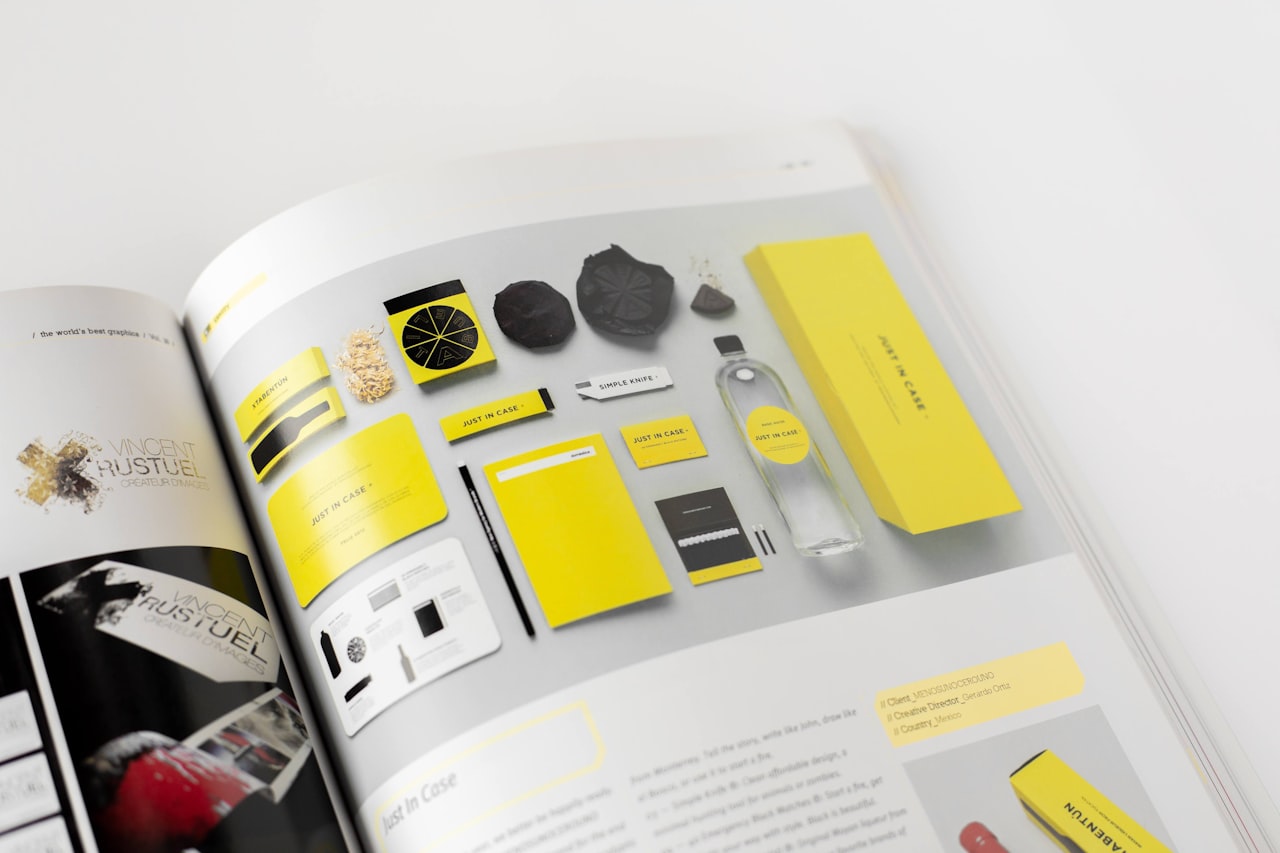
Display advertisements are the most common format. These appear within editorial pages and range from small quarter-page placements to full-page spreads. Classified advertisements serve businesses looking for cost-effective text-based placements, commonly used for recruitment, property and services. Advertorials blend editorial content with promotional messaging, offering a storytelling format that readers engage with more naturally.
Inserts and supplements provide another option. These are separate printed materials placed inside a publication, allowing you to include detailed product information, coupons or catalogues. Wrap-around advertisements, which cover the outer pages of a publication, deliver maximum visual impact and are ideal for major product launches or brand campaigns.
Sponsored content sections, where brands sponsor an entire editorial segment, have become increasingly popular among Singapore businesses looking to associate their brand with authoritative content. Each format has distinct advantages depending on whether your goal is awareness, lead generation or direct response. For help creating compelling marketing collateral, consider professional branding services to ensure visual consistency across all placements.
Newspaper Advertising Options
Singapore’s newspaper landscape offers advertisers access to diverse readership segments. The Straits Times, the nation’s most widely read English-language daily, reaches decision-makers, professionals and a broad general audience. The Business Times targets the financial and corporate community, making it ideal for B2B advertisers and premium consumer brands.
Chinese-language newspapers such as Lianhe Zaobao serve Singapore’s largest ethnic group and are particularly effective for reaching older Chinese-speaking consumers. Berita Harian and Tamil Murasu provide access to Malay and Indian communities respectively, enabling culturally targeted campaigns. For a deeper look at newspaper advertising strategies, see our guide on newspaper advertising in Singapore.
Newspaper advertising rates in Singapore vary based on publication, placement, size and day of the week. Premium positions such as the front page, back page or section fronts command higher rates but deliver significantly greater visibility. Weekday versus weekend placement also affects both cost and reach, with weekend editions typically attracting higher readership.
Frequency discounts are available from most publishers. Booking a series of advertisements rather than one-off placements reduces your cost per insertion and builds the repetition needed for brand recall. Most publications also offer package deals combining print with their digital platforms, extending your reach across both channels.
Magazine Advertising for Niche Audiences
Magazines in Singapore allow advertisers to reach highly targeted audiences based on interests, lifestyles and professional sectors. Publications such as Her World, Female and The Peak cater to specific demographics with content that readers actively seek out and spend extended time with.
The advantage of magazine advertising lies in audience precision. A luxury watch brand advertising in The Peak reaches affluent consumers already in a mindset aligned with premium products. A fitness brand in Shape Singapore connects with health-conscious readers. This contextual relevance increases the likelihood of your advertisement resonating with the audience. Our dedicated guide on magazine advertising in Singapore covers format options and rate considerations in detail.
Magazine advertisements also have a longer shelf life than newspapers. Magazines are kept for weeks or months, often shared among multiple readers, and referenced repeatedly. This extended exposure means your advertisement continues working long after the publication date. The production quality of magazines, with their glossy paper and superior colour reproduction, also enhances the visual impact of your creative.
Digital editions of Singapore magazines have expanded reach further. Many publications now offer bundled print and digital advertising packages, allowing your message to appear in both the physical magazine and its online or app-based version. This combination maximises exposure while keeping costs manageable.
Trade Publications and Industry Journals
For B2B marketers, trade publications and industry journals provide access to decision-makers within specific sectors. Singapore, as a regional business hub, hosts numerous trade publications covering finance, logistics, technology, healthcare, construction and other industries.

Publications like Asian Banking and Finance, Supply Chain Asia and Singapore Business Review reach professionals who influence purchasing decisions within their organisations. Advertising in these titles positions your brand as a serious player in the industry and reaches prospects who are difficult to target through consumer media.
Trade publication advertising often extends beyond standard display advertisements. Thought leadership articles, sponsored research reports and event partnerships provide deeper engagement opportunities. Many trade publishers also organise industry conferences and awards ceremonies, offering sponsorship packages that combine print advertising with event presence and digital promotion.
The cost of trade publication advertising is typically lower than consumer newspapers and magazines, while offering higher relevance for niche audiences. Response rates tend to be strong because readers are actively seeking industry information and solutions. Combining trade publication advertising with content marketing strategies amplifies your authority within your sector.
Designing Effective Print Advertisements
The effectiveness of your print advertising depends heavily on creative execution. Unlike digital advertisements where you can test and iterate rapidly, print demands that you get the design right before publication. A poorly designed print advertisement is a costly mistake with no undo button.
Start with a clear hierarchy. Your headline should command attention and communicate the primary benefit or message within seconds. Readers scan print pages quickly, so your headline and visual must work together to stop them and draw them into the body copy. Keep headlines concise, benefit-driven and relevant to the publication’s audience.
Body copy should be scannable and focused. Use subheadings, bullet points and short paragraphs to break up text. Include a single, clear call to action that tells the reader exactly what to do next. Whether it is visiting a URL, calling a phone number or scanning a QR code, make the next step obvious and easy.
Visual elements must be high resolution and professionally produced. Print requires images at 300 DPI or higher, and colour accuracy depends on proper CMYK formatting. Work with experienced designers who understand print production specifications to avoid costly reprints or poor-quality output. Professional design services can ensure your print collateral meets production standards. For detailed guidance on creating print materials, refer to our article on brochure design for marketing.
Measuring Print Advertising ROI
One of the most common objections to print advertising is the perceived difficulty in measuring results. While print lacks the instant analytics of digital channels, there are proven methods to track and measure the return on your print investment.
Unique URLs and landing pages are among the most effective tracking methods. Create a dedicated web page for each print campaign and include the URL in your advertisement. All traffic to that page can be attributed directly to your print placement. Similarly, unique phone numbers, promo codes and QR codes provide clear tracking mechanisms that connect offline exposure to measurable actions.
Customer surveys at the point of sale or during onboarding can identify print as a touchpoint. Simply asking new customers how they heard about your business provides attribution data that, when collected consistently, reveals the contribution of print to your customer acquisition funnel.
Compare business metrics during and after print campaigns against baseline periods. Increases in website traffic, phone enquiries, store visits or sales during campaign periods indicate print’s impact. While attribution is less precise than digital channels, directional data combined with tracking mechanisms provides a workable picture of print advertising performance. Pairing print campaigns with Google Ads allows you to capture search demand generated by print exposure.
Integrating Print with Digital Marketing
The strongest marketing strategies combine print and digital channels rather than treating them as competitors. Print drives awareness and credibility, while digital captures the interest and intent that print generates. Together, they create a multi-touchpoint journey that reinforces your message across contexts.

Use print advertisements to drive traffic to digital properties. Include QR codes linking to landing pages, social media profiles or downloadable resources. Promote your digital content, such as webinars, e-books or online tools, through print placements to bridge the gap between physical and digital engagement.
Retargeting campaigns can extend the impact of print. When print advertisements drive visitors to your website, digital retargeting keeps your brand visible as those visitors browse other sites. This combination of initial print exposure followed by digital reinforcement significantly improves conversion rates.
Coordinate messaging across channels for consistency. Your print advertisements, social media marketing content and website should present a unified brand message. Consumers who encounter your brand across multiple channels develop stronger brand recall and higher trust, leading to better overall campaign performance.
Consider timing your print placements to coincide with digital campaign launches. A newspaper advertisement on the same day as a major social media push creates a surround-sound effect that maximises impact. This coordinated approach, supported by SEO services to capture organic search traffic, ensures no opportunity is wasted.
Frequently Asked Questions
How much does print advertising cost in Singapore?
Print advertising costs vary widely. A classified advertisement in The Straits Times can start from a few hundred dollars, while a full-page display advertisement in a major publication can cost between SGD 10,000 and SGD 50,000 or more. Magazine rates depend on circulation, audience and placement. Request rate cards directly from publishers for current pricing.
Is print advertising still effective in the digital age?
Yes, particularly for reaching demographics that engage heavily with print media, including older consumers, professionals and affluent audiences. Print also builds trust and credibility in ways that digital advertising often cannot. The key is targeting the right publication for your audience.
How far in advance do I need to book print advertisements?
Newspapers typically require bookings one to two weeks in advance, while magazines need four to eight weeks due to longer production cycles. Premium placements and special issues may require even earlier booking. Plan your print campaigns well ahead to secure preferred positions.
What size should my print advertisement be?
The right size depends on your budget, message complexity and campaign objectives. Half-page and full-page advertisements deliver the most impact, but well-designed quarter-page advertisements can be effective for targeted messages. Larger advertisements generally generate higher recall and response rates.
Can I advertise in both print and digital editions?
Most Singapore publishers offer bundled packages that include both print and digital placements. These packages often provide better value than booking each channel separately and extend your reach to readers who consume content across formats.
How do I choose the right publication for my advertisement?
Start with your target audience. Identify which publications they read by reviewing media kits that detail readership demographics, circulation figures and audience profiles. Match your customer profile to the publication’s readership for maximum relevance and response.
What makes a print advertisement effective?
Strong print advertisements combine a compelling headline, clear visual hierarchy, benefit-focused copy and a single clear call to action. Professional design, high-quality imagery and strategic placement within the right publication are essential for driving results.
Should I use print advertising if I have a small budget?
Small businesses can still benefit from print through classified advertisements, community publications and targeted trade journals that offer lower rates. Consider starting with smaller placements, testing response, and scaling up based on results. Combining affordable print with digital marketing stretches your budget further.