
Part of our Advertising in Singapore guide →
Table of Contents
- The Virtual Events Landscape in Singapore
- Types of Virtual Events and When to Use Each
- Driving Registrations for Virtual Events
- Designing for Maximum Engagement
- Hybrid Events: Combining Physical and Virtual
- Sponsorship and Monetisation Models
- Measuring Virtual Event Success
- Frequently Asked Questions
The Virtual Events Landscape in Singapore
Virtual event marketing has matured from a pandemic necessity into a permanent fixture of the marketing landscape, offering Singapore brands scalable, data-rich alternatives and complements to physical events. The evolution from hastily organised Zoom calls to sophisticated, multi-track virtual experiences has fundamentally changed what audiences expect from online events.
The Singapore events industry has embraced virtual and hybrid formats as strategic options rather than compromises. Major industry conferences, trade shows, product launches and networking events now routinely include virtual components that extend reach beyond physical venue capacity. This shift has created a competitive environment where event marketers must deliver experiences that justify attendee time in a world of abundant content options.
Virtual events offer distinct advantages over physical events for Singapore-based organisations. Geographic reach extends beyond the city-state to the broader ASEAN region and global markets. Cost structures are fundamentally different, with venue, catering and physical production costs replaced by platform, production and content development investments. Data collection and attendee tracking capabilities far exceed what is possible at physical events, providing granular insights into engagement and interest.
However, virtual events also face unique challenges. Attention competition is fierce because attendees can multitask, check emails or leave without the social pressure of being physically present. Virtual fatigue is real, meaning that event design must be fundamentally different from simply streaming a physical event online. Networking, which is often the primary draw of physical events, remains the hardest element to replicate virtually.
The most successful virtual events treat the format as a distinct medium with its own design principles rather than a digital translation of physical events. They prioritise concise, high-value content, interactive engagement mechanisms, flexible scheduling options and robust digital networking tools that complement your overall digital marketing strategy.
Types of Virtual Events and When to Use Each
Different virtual event formats serve different marketing objectives, and selecting the right format is essential for achieving your goals.
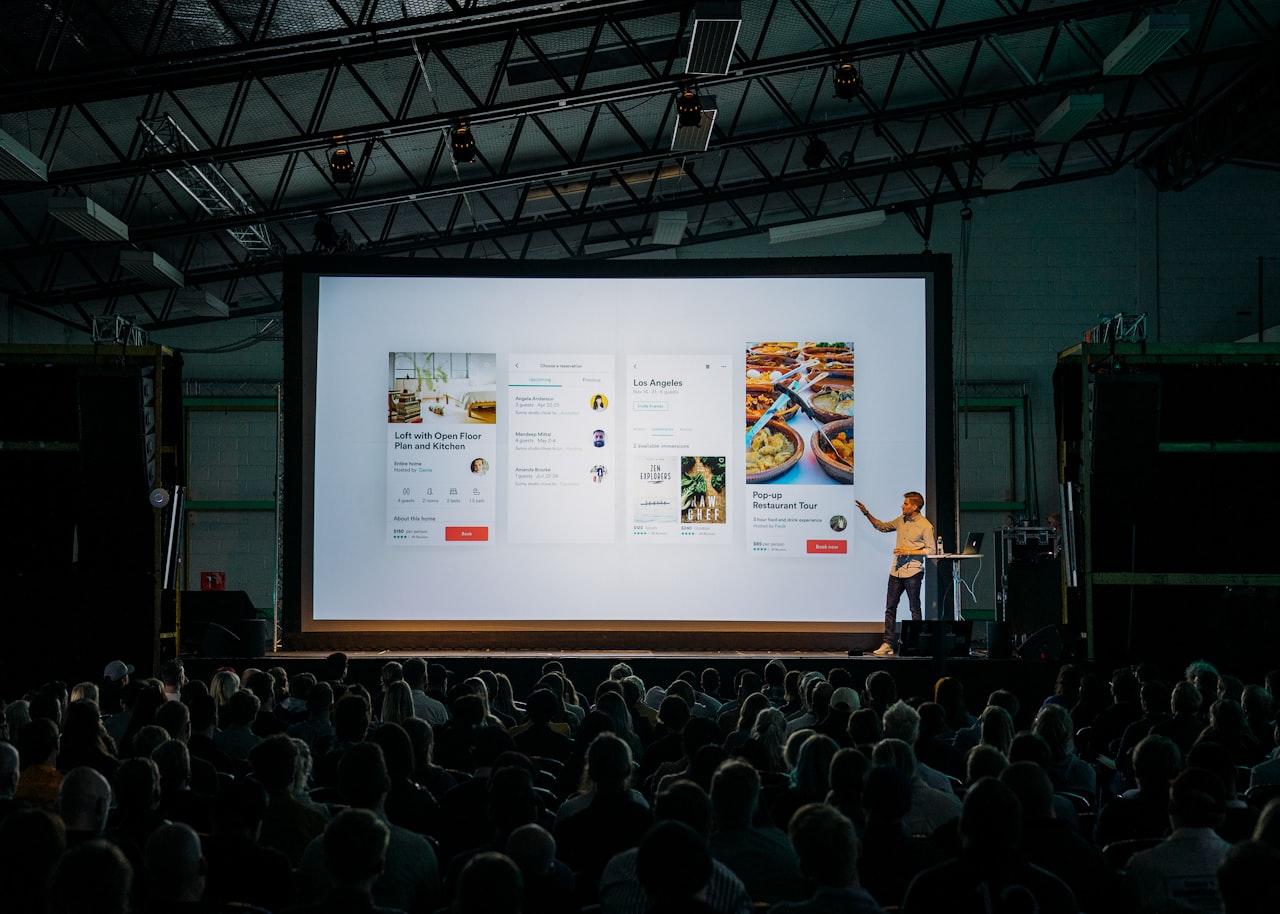
Virtual conferences are multi-session, multi-speaker events that replicate the breadth of a physical conference. They typically span one to three days and include keynotes, breakout sessions, panel discussions and networking opportunities. Virtual conferences work best for industry positioning, thought leadership establishment and large-scale lead generation. They require significant production investment but generate the largest audiences and most comprehensive data sets.
Virtual summits focus on a specific theme and typically feature a curated lineup of speakers delivering short, high-impact presentations. Summits are more focused than conferences and work well for niche topics where depth of expertise matters more than breadth. They are effective for positioning your brand at the centre of a specific conversation and building an email list of highly targeted prospects.
Virtual trade shows and expos replicate the exhibition hall experience with virtual booths, product demonstrations and scheduled meetings. They work best for industries where product discovery and vendor evaluation are primary attendee motivations. The format requires specialised platform features including virtual booths, meeting scheduling and product showcase capabilities.
Product launch events use virtual formats to generate excitement and reach broader audiences than physical launch events allow. Live demonstrations, celebrity appearances, interactive reveals and real-time audience participation create shareable moments. Apple, Samsung and other technology brands have demonstrated that virtual product launches can generate equal or greater media coverage than physical events.
Networking events prioritise connection-making over content delivery. Virtual networking uses randomised one-on-one video meetings, topic-based roundtables and structured speed networking formats. These events work best when paired with a clear attendee profile that ensures relevant connections. Smaller, curated networking events of 30 to 100 participants typically outperform large-scale networking attempts.
The distinction between virtual events and webinar marketing is primarily one of scale and complexity. Webinars are typically single-session, single-topic events. Virtual events encompass multiple sessions, formats and engagement mechanisms. The promotion and follow-up strategies share common principles, but virtual events require more sophisticated production, platform and content planning.
Driving Registrations for Virtual Events
Registration marketing for virtual events must overcome the perception that online events are lower-value than physical ones while capitalising on the convenience and accessibility advantages of the virtual format.
Build a compelling event landing page that communicates the unique value of attending. Lead with the outcomes attendees will achieve rather than logistics. Feature speaker profiles prominently with professional photos, credentials and topic descriptions. Include a clear agenda that shows the breadth and depth of content. Display social proof including past attendee testimonials, sponsor logos and speaker organisation brands.
Create a tiered registration strategy that captures different audience segments. Free registration with basic access, premium registration with additional benefits like recordings, exclusive sessions or one-on-one meetings, and VIP packages with personalised experiences or direct access to speakers. Tiered models increase total registrations while generating revenue from high-value attendees.
Email marketing drives the majority of virtual event registrations for most organisations. Develop a dedicated email campaign that includes an announcement email four to six weeks before the event, speaker spotlight emails highlighting individual sessions, social proof emails sharing registration milestones or attendee testimonials, urgency emails as the event approaches, and final reminder emails on the day of the event. Each email should link directly to the registration page with a clear CTA.
Leverage speaker and sponsor networks for promotional amplification. Provide every speaker, panellist and sponsor with a promotional toolkit including personalised registration links for tracking, pre-written social media posts, email copy they can send to their lists and branded graphics. Track which speakers and sponsors drive the most registrations and invest more promotional resources in amplifying their reach.
Paid advertising targeting is more precise for virtual events because you are not constrained by geography. Use LinkedIn advertising to target specific job titles, industries, company sizes and professional interests relevant to your event content. Facebook and Instagram advertising work well for B2C events and broader professional audiences. Retarget website visitors, email subscribers and past event attendees with dedicated event promotion campaigns through your paid advertising channels.
Early-bird pricing or exclusive bonuses for early registrants create urgency and build momentum. Announcing registration milestones, such as reaching 500 registrants or selling out a specific session, creates social proof that encourages additional sign-ups. These tactics counteract the tendency for virtual event registrations to skew heavily towards the final days before the event.
Designing for Maximum Engagement
Virtual event engagement requires intentional design because digital environments lack the natural engagement mechanisms of physical spaces where proximity, social norms and environmental stimulation maintain attention.
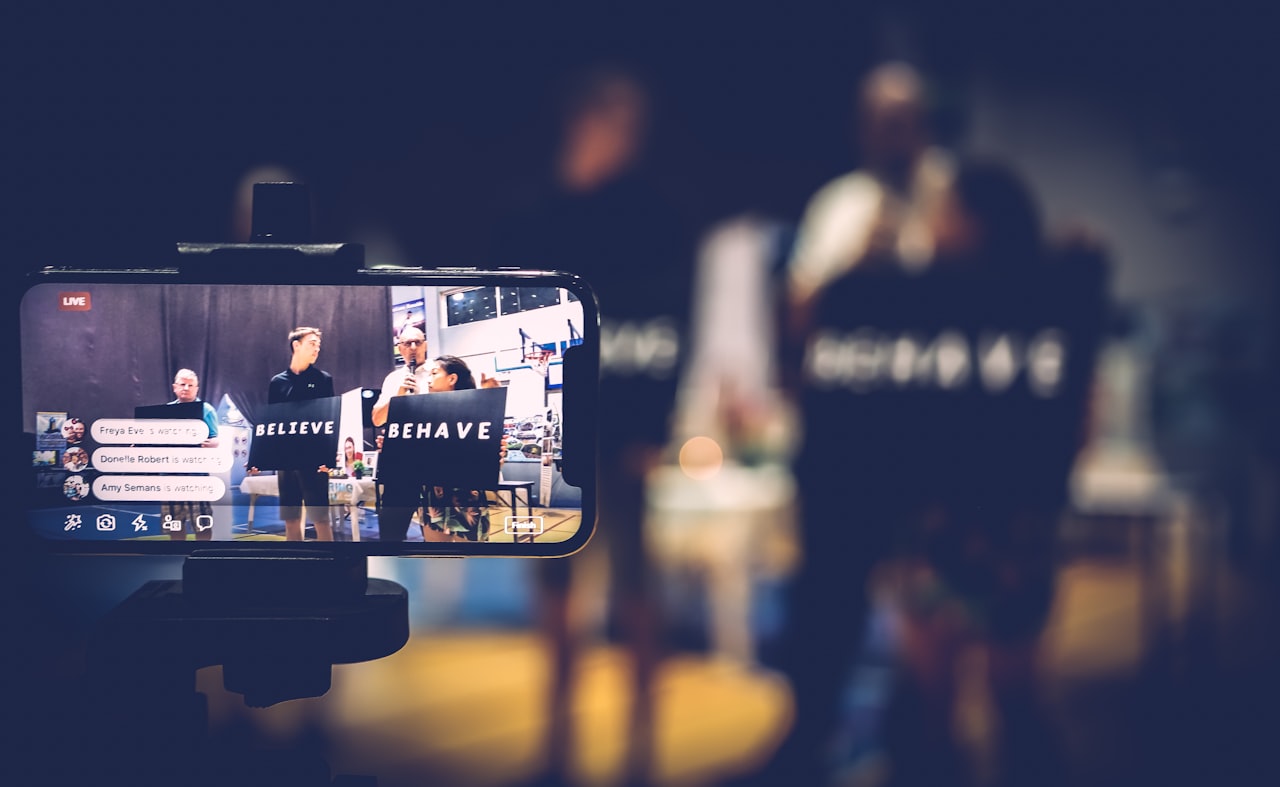
Keep sessions short and focused. Virtual attention spans are shorter than physical event attention spans. Cap individual sessions at 20 to 30 minutes rather than the 45 to 60 minutes common at physical conferences. Use the saved time for structured breaks, networking activities and interactive segments. Attendees consistently report higher satisfaction with shorter, more frequent sessions than with fewer, longer presentations.
Build interaction into every session rather than relegating it to optional Q&A periods. Start sessions with polls or questions that immediately engage attendees. Include collaborative exercises where participants contribute ideas through chat or virtual whiteboards. Use breakout rooms for small-group discussions that process key concepts. Close sessions with specific action items or reflection prompts that extend engagement beyond the session itself.
Gamification drives sustained engagement across multi-session events. Award points for session attendance, poll participation, chat contributions, networking meetings and resource downloads. Display leaderboards that create friendly competition. Offer prizes for top participants that are relevant to your audience and brand. Gamification elements increase average attendance per registrant and encourage participation in sessions outside attendees’ primary interest areas.
Networking design is critical because it often determines whether attendees consider the event valuable. Implement structured networking formats including AI-matched one-on-one meetings based on attendee profiles, topic-based roundtable discussions limited to eight to twelve participants, virtual lounge spaces where attendees can join open conversations, and scheduled meet-the-speaker sessions. Unstructured networking time in virtual environments typically fails because it lacks the natural conversation triggers of physical spaces.
Content variety maintains engagement across longer events. Alternate between presentation formats including solo talks, panel discussions, fireside chats, live demonstrations and audience workshops. Include non-content segments such as wellness breaks, entertainment and behind-the-scenes content. Surprise elements that break expected patterns generate social sharing and renew attention. Connect your event content to your ongoing content marketing strategy so that engagement extends beyond the event itself.
Production quality directly affects perceived event value. Invest in professional streaming setups for keynotes, clear audio across all sessions, professional graphic overlays, smooth transitions between sessions and reliable technical support for both speakers and attendees. Technical difficulties are the primary driver of negative virtual event experiences and attendee dropout.
Hybrid Events: Combining Physical and Virtual
Hybrid events that combine physical and virtual components represent the future of event marketing in Singapore, offering the networking and experiential benefits of physical events with the reach and data advantages of virtual participation.
Designing a successful hybrid event means creating two distinct but connected experiences rather than simply live-streaming a physical event. Virtual attendees who watch a camera feed of a physical stage receive a fundamentally inferior experience to both physical attendees and purpose-built virtual events. Instead, design virtual components that are optimised for the digital medium while connecting thematically and interactively with the physical event.
Technology infrastructure for hybrid events requires simultaneous management of physical AV, streaming platforms, virtual engagement tools and cross-format interaction mechanisms. Budget for professional production teams who specialise in hybrid events rather than attempting to manage both formats with a single team. The production complexity of hybrid events is approximately 1.5 to 2 times that of either format alone.
Pricing for hybrid events should reflect the different value propositions of each format. Physical tickets typically command premium pricing due to the networking, experiential and social elements. Virtual tickets offer accessibility and convenience at lower price points. Some organisers include virtual access as a standard add-on to physical tickets, encouraging physical attendees to access recordings and virtual networking before and after the live event.
Cross-format interaction is what separates mediocre hybrid events from excellent ones. Enable virtual attendees to ask questions during physical sessions, allow physical attendees to participate in virtual networking sessions, create shared chat spaces and collaborative documents that both audiences contribute to, and design activities that require both audiences to interact. These cross-format touchpoints create a unified event community rather than two separate experiences.
Singapore venues are increasingly equipped for hybrid event production. Convention centres, hotels and co-working spaces are investing in streaming infrastructure, dedicated production rooms and high-bandwidth connectivity. When selecting a venue, evaluate its hybrid readiness alongside traditional venue criteria to ensure your event benefits from your brand presentation standards.
Sponsorship and Monetisation Models
Virtual and hybrid events offer sponsorship and monetisation opportunities that in some ways surpass those of physical events, particularly in data richness and engagement measurement.
Tiered sponsorship packages should reflect the unique value propositions of virtual events. Title sponsors receive prominent branding across the platform, dedicated sessions, keynote speaking slots and comprehensive attendee data. Session sponsors brand specific content tracks and receive leads from attendees who engaged with their sessions. Networking sponsors brand virtual networking spaces and receive connection data. Exhibitor sponsors get virtual booth spaces with meeting scheduling and lead capture capabilities.
Data-driven sponsorship value is a key differentiator for virtual events. Unlike physical events where sponsor engagement is difficult to measure beyond badge scans, virtual events can track every click, session attendance, booth visit, resource download and meeting request. This granular data allows you to provide sponsors with detailed engagement reports that demonstrate ROI far more precisely than physical event sponsorship reporting.
Ticket pricing for virtual events should be lower than equivalent physical events, reflecting the reduced cost structure and the accessibility advantage. However, avoid pricing too low as it reduces perceived value and attendee commitment. Free events with premium upsells, tiered pricing with escalating access levels and early-bird pricing create flexible monetisation structures.
On-demand content monetisation extends the revenue window beyond the live event. Package recorded sessions, presentations and resources into an on-demand library accessible through paid subscriptions or individual purchases. This content continues generating revenue and leads for months after the live event concludes.
Marketplace and matchmaking features generate revenue by connecting attendees with sponsors or exhibitors through facilitated meetings, product showcases and promotional offers. Charge sponsors for premium placement in matchmaking algorithms, featured product listings and priority meeting scheduling. These features create direct commercial value for sponsors while enhancing the attendee experience through relevant connections.
Measuring Virtual Event Success
Virtual events generate substantially more measurement data than physical events, enabling precise performance evaluation and continuous optimisation.

Registration and attendance metrics form the baseline measurement layer. Track total registrations, registration conversion rate from landing page visits, attendance rate as a percentage of registrations, peak concurrent attendance, average session attendance and session-by-session attendance patterns. These metrics indicate promotional effectiveness, topic relevance and event timing alignment.
Engagement metrics reveal the depth and quality of attendee participation. Monitor average time spent on the platform, sessions attended per registrant, poll and Q&A participation rates, chat message volume, networking meetings completed, resource downloads and virtual booth visits. High engagement scores from smaller audiences often indicate greater marketing value than large audiences with low engagement.
Lead quality metrics connect event participation to business outcomes. Score leads based on their engagement behaviour during the event, including sessions attended, questions asked, booth visits and meeting requests. Compare lead quality from the virtual event against other lead sources to evaluate the event’s contribution to pipeline quality. Integrate event engagement data with your CRM to provide sales teams with rich context for follow-up conversations.
Content performance data from virtual events informs your broader content strategy. Identify which topics, speakers and formats generated the highest engagement. Use these insights to prioritise content themes for future events, blog posts, podcasts and social media content. The engagement data from a virtual event provides more detailed content feedback than most other research methods.
Revenue attribution tracks the complete financial impact of the event. Include ticket revenue, sponsorship revenue, on-demand content revenue and, critically, revenue from leads generated at the event over a defined attribution window. Most B2B sales cycles require a 90 to 180-day attribution window to capture the full commercial impact of event-sourced leads. Compare total revenue against total investment for your event ROI calculation.
Net Promoter Score and attendee satisfaction surveys provide qualitative feedback that complements quantitative metrics. Survey attendees within 24 hours of the event while the experience is fresh. Ask about content quality, platform experience, networking effectiveness, overall satisfaction and likelihood to attend future events. Track these scores over time to identify trends and improvement opportunities.
Frequently Asked Questions
What platform should I use for a virtual event in Singapore?
Platform selection depends on event complexity. For simple single-track events, Zoom Webinars provides adequate functionality. For multi-track conferences, platforms like RingCentral Events (formerly Hopin), vFairs, Airmeet and Hubilo offer comprehensive virtual event features including multiple stages, networking, expo areas and engagement tools. For hybrid events, consider platforms like Swapcard or Bizzabo that manage both physical and virtual components. Evaluate platforms based on attendee capacity, engagement features, networking capabilities, analytics depth and integration with your marketing tools.
How much does it cost to produce a virtual event?
Costs vary enormously based on scale and production quality. A basic half-day virtual summit using standard webinar tools can be produced for $2,000 to $5,000 including platform costs and promotion. A professional multi-day virtual conference with custom branding, professional production, multiple speakers and comprehensive engagement features typically costs $15,000 to $50,000. Large-scale virtual trade shows or exhibitions with virtual booths and advanced networking can exceed $100,000. Hybrid events add physical venue and production costs on top of virtual platform investments.
What is a good attendance rate for virtual events?
Free virtual events typically see 30 to 50 percent of registrants attending live. Paid events see higher rates of 60 to 80 percent because financial commitment increases follow-through. Multi-day events see varying daily attendance, with day one typically drawing the highest numbers. On-demand viewing can add 20 to 40 percent additional content consumption beyond live attendance. Focus on optimising the total content consumption rate, which includes both live and on-demand viewing, rather than live attendance alone.
How do I prevent attendee drop-off during a virtual event?
Start strong with a high-impact opening session that sets energy and expectations. Keep individual sessions under 30 minutes. Build interactive elements into every session. Schedule structured breaks with engaging activities rather than dead time. Use gamification to incentivise continued participation. Send real-time notifications about upcoming sessions that match attendee interests. Create FOMO through exclusive announcements or surprise elements scheduled later in the event.
Can virtual events generate the same networking value as physical events?
Virtual events cannot perfectly replicate the serendipitous connections of physical events, but structured virtual networking can generate significant networking value. AI-powered matchmaking, facilitated roundtable discussions, one-on-one video meeting scheduling and shared interest group spaces create intentional connections that often lead to meaningful professional relationships. Some attendees report that structured virtual networking is more efficient than physical event networking because every interaction is purposeful rather than random.
How far in advance should I start promoting a virtual event?
Begin promotion six to eight weeks before a major virtual event and four to six weeks before a smaller event. Launch with an early-bird registration period, followed by regular promotional pushes highlighting speakers, session content and attendee benefits. Virtual events see a significant proportion of registrations in the final week, with some data showing 30 to 40 percent of total registrations occurring in the last seven days. However, early promotion builds anticipation and allows time for referral and word-of-mouth amplification.
Should I offer event recordings to all registrants or only attendees?
Offering recordings to all registrants maximises content consumption and lead value because non-attendees who watch recordings still engage with your content and enter your nurture funnel. However, if driving live attendance is important for sponsor value or real-time engagement, consider delaying recording access by 48 to 72 hours to incentivise live participation. Some organisers offer immediate recording access as a premium upgrade, creating a monetisation opportunity while maintaining live attendance incentives.
How do I justify the investment in virtual events to leadership?
Build the business case around cost per lead, lead quality and revenue attribution. Compare virtual event cost per lead against other channels like paid advertising, trade shows and content marketing. Demonstrate the data richness of virtual event leads, which include behavioural engagement signals that other lead sources lack. Project revenue from event-sourced leads over a 90 to 180-day window. Include the ongoing value of on-demand content and the audience data collected. Most well-executed virtual events deliver cost per lead 30 to 60 percent lower than physical events with comparable or superior lead quality.