Magazine Advertising Guide: Print Ads in Singapore for 2026
Why Magazine Advertising Still Works
In a market saturated with digital noise, magazine advertising singapore businesses rely on offers something digital channels cannot replicate: tactile engagement. Readers hold the publication, turn pages deliberately, and spend meaningful time with content. That physical interaction creates a level of attention that a scrolling social media feed rarely matches.
Singapore’s magazine readership remains substantial despite digital shifts. According to Nielsen media surveys, print magazines in Singapore still reach over one million readers monthly across lifestyle, business, and niche interest titles. The readership skews towards higher-income demographics — professionals, executives, and affluent consumers who are valuable target audiences for many brands.
Several factors make magazine advertising particularly effective in the Singapore context:
- Longer shelf life — Magazines sit on coffee tables, in waiting rooms, and on bookshelves for weeks or months, giving your ad repeated exposure without additional cost.
- Targeted readership — Niche publications attract specific demographics, allowing precise audience targeting without the complexity of digital ad platforms.
- Credibility by association — Appearing in a respected publication lends your brand authority that a banner ad on a random website does not.
- High production quality — Glossy pages, full-colour reproduction, and premium paper stock showcase your brand at its best.
- Undivided attention — Magazine readers are not multitasking between five browser tabs. They are engaged with the content in front of them.
For businesses seeking to build brand awareness, magazine advertising provides a credibility boost that complements digital efforts. It is not about choosing print over digital — it is about using both strategically.
Top Magazines for Advertising in Singapore
Singapore’s magazine landscape covers a wide range of interests and demographics. Choosing the right publication depends on your target audience, industry, and campaign objectives. Here are the major categories and titles worth considering.
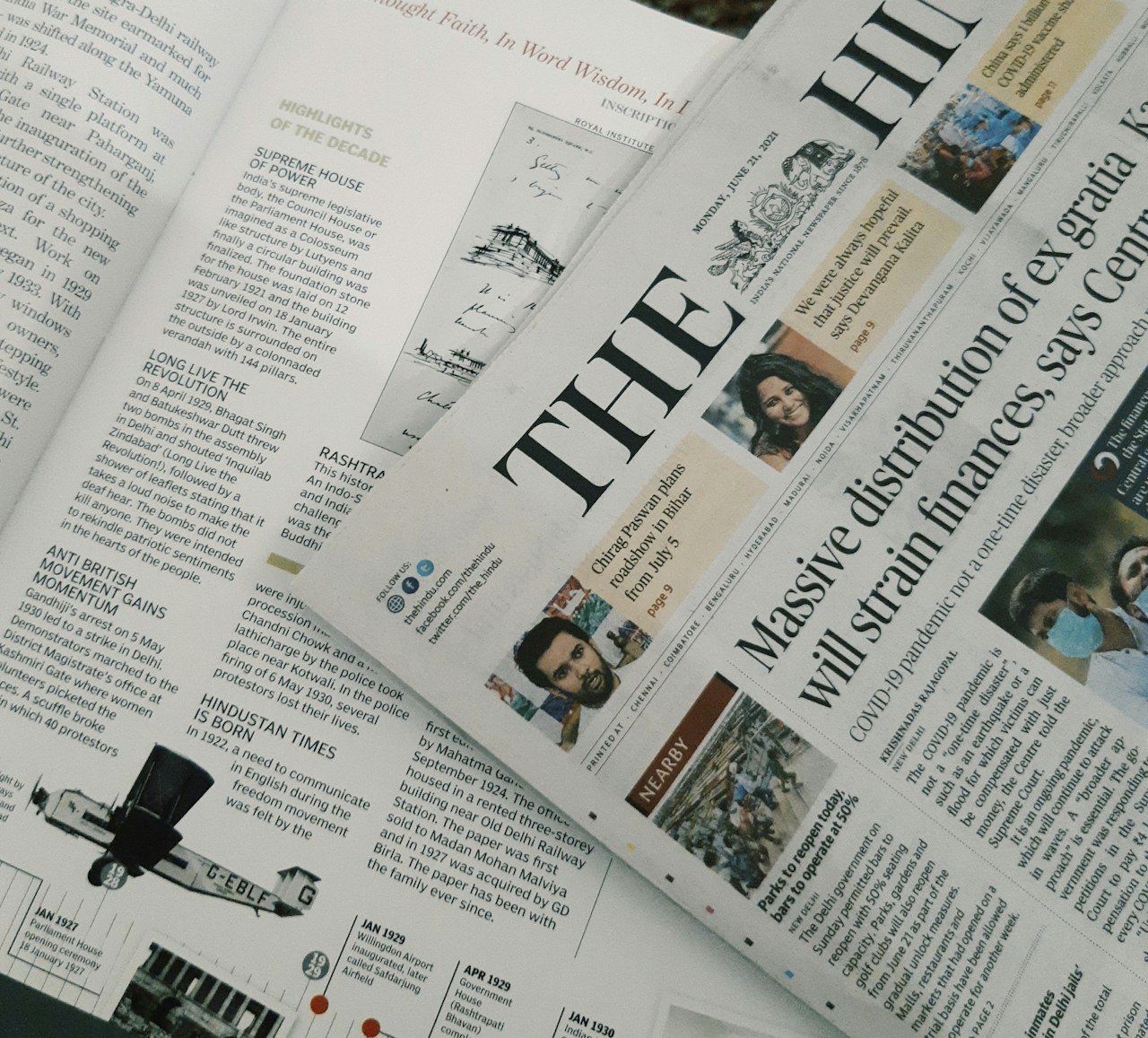
Lifestyle and luxury magazines
- Tatler Singapore — Targets high-net-worth individuals and socialites. Ideal for luxury brands, premium real estate, and high-end services.
- Prestige Singapore — Covers luxury living, fashion, and fine dining. Strong reach among affluent professionals.
- Harper’s Bazaar Singapore — Fashion-forward readership with high purchasing power.
- Her World — One of Singapore’s longest-running women’s magazines, covering lifestyle, beauty, and wellness.
Business and finance magazines
- Singapore Business Review — Reaches C-suite executives and business owners across the region.
- The Edge Singapore — Focuses on property, investment, and business news for financially literate readers.
- Forbes Asia — Regional edition with strong Singapore distribution, targeting entrepreneurs and investors.
Niche and special interest magazines
- Timeout Singapore — Covers dining, entertainment, and events. Strong reach among young professionals.
- Home & Decor — Targets homeowners interested in renovation and interior design.
- Mothership Magazine — Parenting and family-focused content for young Singaporean families.
When selecting a publication, request a media kit. This document provides audited circulation figures, reader demographics, editorial calendars, and advertising rates — the data you need to make an informed decision rather than guessing.
Magazine Ad Formats and Sizes
Magazine advertising offers a variety of formats, each serving different purposes and budgets. Understanding the options helps you select the format that aligns with your campaign goals.
Standard ad sizes
- Full page — The most impactful standard format. Typically 210mm x 297mm (A4) for most Singapore publications. Commands attention and provides ample space for your message.
- Half page — Available in horizontal or vertical orientation. A cost-effective option that still delivers visual impact.
- Quarter page — Suitable for simple messages, event announcements, or brand reminders. Budget-friendly entry point.
- Double-page spread (DPS) — Two facing pages for maximum visual impact. Premium pricing but unmatched presence.
Premium placements
- Inside front cover (IFC) — The first page readers see when opening the magazine. High recall rates.
- Inside back cover (IBC) — Strong position as readers often flip to the back. Lower cost than IFC.
- Outside back cover (OBC) — Visible even when the magazine is face-down. The most expensive placement in most publications.
- Opposite contents page — High-traffic position as readers always check the table of contents.
Special formats
- Gatefolds — Extended pages that fold out, creating a larger canvas. Memorable but expensive.
- Inserts and tip-ons — Physical samples, cards, or booklets attached to or inserted into the magazine.
- Advertorials — Sponsored content designed to match the editorial style of the publication. Highly effective for complex products or services that require explanation.
For most Singapore businesses starting with magazine advertising, a full-page ad in a well-targeted publication offers the best balance of impact and cost. Work with a magazine advertising agency to determine the format that suits your objectives and budget.
Magazine Advertising Costs in Singapore
Magazine advertising costs in Singapore vary significantly depending on the publication, ad size, placement, and frequency. Here is a general overview to help you budget appropriately.
Indicative pricing ranges for Singapore magazines (2026)
- Niche or trade publications — Full-page ads typically range from SGD 1,500 to SGD 5,000 per insertion.
- Mid-tier lifestyle magazines — Full-page ads range from SGD 5,000 to SGD 15,000 per insertion.
- Premium lifestyle and luxury titles — Full-page ads range from SGD 15,000 to SGD 40,000 or more per insertion.
- Business and finance publications — Full-page ads typically range from SGD 8,000 to SGD 25,000 per insertion.
Several factors influence the final cost:
- Frequency discounts — Committing to multiple insertions (three, six, or twelve issues) typically reduces the per-insertion cost by 10 to 30 per cent.
- Placement premiums — Premium positions like covers and opposite-contents can cost 20 to 50 per cent more than standard placements.
- Production costs — Beyond the media buy, budget for professional photography, copywriting, and graphic design. A poorly designed ad in an expensive placement is wasted money.
- Agency commissions — Most agencies earn a 10 to 15 per cent commission on media buys, though some charge a flat fee instead.
Compare the cost per thousand readers (CPM) across publications rather than looking at absolute prices alone. A SGD 20,000 ad in a magazine reaching 100,000 qualified readers may deliver better value than a SGD 3,000 ad in a publication reaching 5,000 readers who are not your target audience.
If you are also considering other print advertising options, factor in how magazine ads fit within your broader traditional marketing strategy.
Designing Effective Magazine Ads
A well-placed ad in the wrong creative is a waste of budget. Magazine ad design requires a different approach from digital creative — you have one static opportunity to capture attention, communicate your message, and prompt action.
Headline and copy guidelines
- Lead with a benefit, not a feature. Readers care about what your product or service does for them.
- Keep headlines to eight words or fewer. Magazine readers scan before they read.
- Use body copy sparingly. For full-page ads, 50 to 80 words of body copy is typically sufficient.
- Include a clear call to action — a URL, QR code, phone number, or instruction on what to do next.
Visual design principles
- Use high-resolution imagery — Print requires 300 DPI minimum. Images that look acceptable on screen may appear blurry in print.
- Embrace white space — Cluttered ads get ignored. Give your key elements room to breathe.
- Maintain brand consistency — Your magazine ad should be instantly recognisable as belonging to your brand. Use consistent colours, fonts, and visual style.
- Design for bleed — Extend background colours and images 3mm beyond the trim line to avoid white edges.
Singapore-specific considerations
- Consider multilingual elements if targeting specific demographic segments — Mandarin, Malay, or Tamil alongside English.
- Reference local context where appropriate. Ads that feel locally relevant outperform generic international creative.
- Ensure compliance with the Advertising Standards Authority of Singapore (ASAS) guidelines, particularly for claims about products or services.
If your team lacks in-house design capabilities, work with professionals who understand print production. The difference between amateur and professional print design is immediately obvious on a glossy magazine page.
Combining Print with Digital Campaigns
The most effective magazine advertising campaigns do not exist in isolation. They work alongside digital channels to create multiple touchpoints and reinforce your message across mediums.
Bridging print and digital
- QR codes — Include a QR code that links to a dedicated landing page. This creates a direct bridge from print to digital and provides measurable data on how many readers took action.
- Unique URLs — Create a specific URL (e.g., yoursite.com/magazine) for your print ad. This allows you to track website visits generated by the campaign.
- Promo codes — Offer a magazine-exclusive discount code. This directly tracks conversions from the print ad.
- Social media integration — Encourage readers to follow your social channels or use a branded hashtag for additional engagement.
Integrated campaign strategies
- Time your magazine ad to coincide with a digital campaign launch. The combined exposure reinforces your message.
- Use retargeting ads online to reach people who visited your magazine-specific landing page, keeping your brand top of mind.
- Repurpose magazine ad creative for social media posts, maintaining visual consistency across channels.
- Coordinate with the publication’s digital platforms — most magazines now offer website, newsletter, and social media advertising packages alongside print.
An integrated approach ensures your magazine advertising works harder. Rather than treating print as a standalone effort, connect it to your broader marketing ecosystem for compounded results.
Measuring Magazine Advertising Effectiveness
One common criticism of magazine advertising is that it is difficult to measure. While print does not offer the instant analytics of digital, there are practical methods to evaluate your return on investment.

Direct response tracking
- Monitor traffic to your campaign-specific landing page or unique URL during and after the publication period.
- Track redemptions of magazine-exclusive promo codes to calculate direct revenue attributable to the ad.
- Count QR code scans using a tracking platform to measure engagement.
- Record inbound enquiries that reference the magazine or use a dedicated phone number.
Brand awareness metrics
- Conduct pre- and post-campaign brand awareness surveys to measure shifts in recognition and recall.
- Monitor branded search volume on Google during the publication period for uplift.
- Track social media mentions and follower growth during the campaign window.
- Analyse website direct traffic increases, as print ads often drive direct URL visits.
Evaluating ongoing value
- Calculate cost per enquiry and cost per acquisition for each publication to compare effectiveness.
- Track long-term brand sentiment shifts that may be partially attributable to the perceived credibility of magazine presence.
- Compare customer quality — magazine-acquired customers often have higher lifetime values than those from discount-driven digital channels.
Measurement requires planning before the ad runs, not after. Set up tracking mechanisms, establish baselines, and define what success looks like before committing budget. If you need help building measurement frameworks for your print campaigns, consider working with a magazine advertising specialist who understands both the creative and analytical sides.
Frequently Asked Questions
Is magazine advertising still effective in Singapore in 2026?
Yes, for the right brands and audiences. Magazine advertising remains effective for reaching affluent, educated demographics who value curated content. The key is selecting publications whose readership aligns with your target market. Singapore’s luxury, lifestyle, and business magazines maintain strong readership among high-income professionals — a demographic that is increasingly difficult to reach through digital channels alone due to ad blockers and content overload.
How far in advance do I need to book magazine ads in Singapore?
Most Singapore magazines require bookings four to eight weeks before the publication date. Premium placements such as covers and gatefolds may need to be booked two to three months in advance, especially for popular issues like annual features or special editions. Artwork submission deadlines are typically two to three weeks before the print date. Always confirm deadlines with the publication directly, as they vary between titles.
What is the minimum budget for magazine advertising in Singapore?
For a meaningful magazine advertising campaign in Singapore, budget a minimum of SGD 5,000 to SGD 10,000 for a single insertion in a mid-tier publication, plus SGD 1,500 to SGD 3,000 for professional creative production. A more realistic campaign budget that includes three to six insertions for frequency and recall would start at SGD 20,000 to SGD 50,000. Niche trade publications offer a more affordable entry point, with full-page ads starting from SGD 1,500.
How do I choose between magazine advertising and digital advertising?
The choice depends on your objectives, target audience, and budget. Magazine advertising excels at brand building, credibility, and reaching premium demographics. Digital advertising is better for direct response, precise targeting, and rapid optimisation. Most effective marketing strategies use both. If your audience reads specific publications, magazine advertising delivers unmatched contextual relevance. If you need immediate, trackable results on a limited budget, digital channels offer faster returns.
Can I negotiate magazine advertising rates in Singapore?
Yes, rate cards are starting points, not fixed prices. You can negotiate better rates by committing to multiple insertions, booking during off-peak months, combining print with the publication’s digital offerings, or working through an agency that has established relationships with the publisher. Some publications also offer remnant space at discounted rates when they have unsold ad inventory close to the print deadline.