Event Marketing ROI: Measure the Business Impact of Your Events
Table of Contents
Why Event ROI Measurement Matters
Event marketing roi measurement is the discipline that separates strategic event marketing from expensive guesswork. Events are among the most resource-intensive marketing activities — they consume budget, staff time, opportunity cost and organisational energy. Without rigorous measurement, you cannot determine whether these investments generate returns that justify their cost, let alone optimise them for better performance.
In Singapore’s competitive business environment, marketing budgets face constant scrutiny. Finance teams and senior leadership expect clear evidence that event spending generates measurable business outcomes. “The event went well” and “attendees seemed to enjoy it” are not acceptable justifications for five or six-figure event budgets. You need data that connects event activities to revenue, leads and brand growth.
Measurement also enables optimisation. When you track performance across multiple events, patterns emerge. You discover which event formats generate the best leads, which venues attract your ideal audience, which promotion channels drive the most registrations and which post-event follow-up sequences convert most effectively. Each event becomes smarter and more efficient than the last.
The challenge is that event ROI is genuinely complex to measure. Events generate value across multiple dimensions — direct revenue, lead generation, brand awareness, relationship building, content creation and employee engagement — with impacts that unfold over weeks or months after the event ends. This guide provides a practical framework for capturing this multi-dimensional value. Combine event measurement with your broader digital marketing analytics for complete visibility.
A Practical Measurement Framework
Effective event measurement tracks value across four layers: output metrics, outcome metrics, impact metrics and financial metrics. Each layer provides progressively deeper insight into your event’s business contribution.
 Event Marketing ROI: Measure the Business Impact of Your Events” loading=”lazy” class=”wp-image-21822″>
Output metrics capture what happened at the event: number of attendees, sessions delivered, exhibitors hosted, samples distributed, activities completed and content captured. These are the easiest metrics to track and form the foundation of your measurement system. They answer the question “did we execute the event successfully?”
Outcome metrics capture the direct results of the event: leads generated, meetings booked, partnerships initiated, media coverage earned and social media engagement achieved. These metrics connect event execution to tangible marketing outcomes. They answer “did the event generate valuable business opportunities?”
Impact metrics capture the downstream business effects: deals closed from event leads, revenue attributed to event relationships, brand awareness or consideration shifts, customer retention improvements and employee engagement changes. These take weeks or months to materialise but provide the most meaningful assessment of event value. They answer “did the event create real business results?”
Financial metrics synthesise everything into ROI calculations: total event cost, revenue generated, cost per lead, cost per acquisition, customer lifetime value of event-acquired customers and return on investment percentage. These enable comparison with other marketing channels and inform future budget allocation.
Pre-Event Metrics and Benchmarks
Measurement starts before the event. Establish baselines for the metrics you plan to track so you can measure change accurately. If you want to measure brand awareness lift, conduct a brand tracking survey before the event. If you want to measure lead generation, document your current pipeline status. Without baselines, you cannot isolate the event’s contribution.
Set specific, measurable targets for each metric. “Generate leads” is not a target. “Generate 150 marketing-qualified leads with a cost per lead under $80” is a target. Targets should be informed by historical event performance, industry benchmarks and your business objectives. Ambitious but realistic targets keep your team focused and provide clear success criteria.
Track registration and promotion metrics throughout the pre-event period. Monitor registration volume by source (email, social media, paid ads, organic, partner referrals) to understand which channels deliver the most efficient results. Track registration page conversion rates, email open and click rates, and social media engagement on event-related content.
Calculate your cost per registration by dividing total promotional spend by registrations generated. Break this down by channel to identify your most efficient promotion methods. If LinkedIn Ads generate registrations at $25 each while Google Ads cost $60 each, you can reallocate budget accordingly for future events. Work with your Google Ads and social teams to optimise spend throughout the promotional period.
Monitor registration-to-attendance conversion predictors. Early cancellation rates, reminder email engagement and pre-event content consumption all indicate likely attendance rates. If these predictors suggest attendance will fall short of targets, intensify your promotional efforts or adjust your expectations before the event.
During-Event Tracking Methods
On-site lead capture is the most critical during-event measurement activity. Use digital methods — event apps, QR code scanning, badge scanning, tablet-based forms — to capture attendee data and interaction details. Record which sessions attendees visit, which booths they engage with, which demonstrations they watch and which conversations they initiate.

Attendance tracking technology has advanced significantly. RFID badges, Bluetooth beacons and event app check-ins can track attendee movement through multi-session events, measuring dwell time at different areas and identifying high-interest touchpoints. This data reveals which elements of your event generate the most engagement.
Real-time social media monitoring during the event captures amplification metrics as they happen. Track mentions of your event hashtag, measure reach and impressions of user-generated content and identify your most active social amplifiers. Tools like Sprout Social and Brandwatch provide real-time dashboards for social monitoring.
Conduct quick pulse surveys during the event to capture immediate feedback. Short surveys between sessions or at exit points can measure satisfaction, Net Promoter Score and key takeaways while the experience is fresh. Keep surveys to 3 to 5 questions to maximise completion rates. Digital surveys via event apps or QR codes are more efficient than paper forms.
Staff observations provide qualitative data that quantitative metrics miss. Brief your team to note common attendee questions, frequent feedback themes, unexpected behaviours and standout moments. These observations often reveal insights that numbers alone cannot capture — like a product feature that generates unexpected excitement or a networking format that attendees find awkward.
Post-Event Analysis and Attribution
Post-event analysis should begin within 48 hours while data is fresh and complete. Compile all data sources — registration platform exports, lead capture data, social media analytics, survey responses, staff observation notes and financial records — into a centralised analysis framework.
Lead quality assessment is more important than lead quantity. Score your event leads based on engagement signals: number of sessions attended, booth interactions, questions asked, meetings requested and content downloaded. High-engagement leads are significantly more likely to convert than passive attendees who simply showed up and left. Route scored leads to sales teams with full context on their event engagement.
Attribution modelling determines how much credit the event deserves for subsequent business outcomes. Multi-touch attribution recognises that events are typically one of several touchpoints in a customer journey. A prospect might discover you through a blog post, attend your event, receive follow-up emails and then convert. The event played a role, but so did other channels. Use your CRM and marketing automation platform to track the complete journey.
Brand impact measurement requires pre and post surveys using the same methodology. Measure changes in unaided brand awareness, brand consideration, brand preference and purchase intent among event attendees versus a control group. The difference between the two groups represents the event’s incremental brand impact.
Media value analysis quantifies the earned media generated by your event. Catalogue all media coverage — articles, social media posts, influencer content, broadcast mentions — and calculate their equivalent advertising value. While media value equivalency is an imperfect metric, it provides a tangible dollar figure for communications that would otherwise be difficult to value. Include this in your broader content marketing performance analysis.
Calculating and Reporting ROI
The basic event ROI formula is straightforward: (Revenue Generated – Event Cost) / Event Cost x 100 = ROI percentage. If your event cost $50,000 and generated $200,000 in attributable revenue, your ROI is 300 percent. However, this simple calculation often understates the true value because it only captures direct revenue and misses brand building, relationship strengthening and content value.
Calculate cost-efficiency metrics for comparison with other channels. Cost per lead divides total event cost by qualified leads generated. Cost per acquisition divides total cost by customers acquired. Cost per attendee divides total cost by attendance. These metrics enable direct comparison with your digital advertising, content marketing and other lead generation channels.
Factor in the pipeline value of event leads that have not yet converted. If your event generated 100 qualified leads with an average deal size of $10,000 and a typical conversion rate of 20 percent, the expected pipeline value is $200,000. Track this pipeline over 3 to 6 months to see how much actually converts. This pipeline tracking is essential for events with longer B2B sales cycles.
Create a comprehensive ROI report that covers all value dimensions. Include direct revenue, pipeline value, media value, brand impact metrics, content assets created, relationships strengthened and qualitative insights. Present the data in a format that resonates with your stakeholders — finance teams want ROI percentages and cost metrics, marketing leaders want engagement and brand data, and executives want strategic impact assessment.
Benchmark your event performance against industry standards and your own historical data. Track ROI trends across events to identify improvements and regressions. Document what worked and what did not for each event, creating an institutional knowledge base that improves performance over time. Connect event performance to your overall SEO and marketing performance reporting.
Tools and Technology for Event Measurement
Event management platforms like Eventbrite, Peatix and Cvent handle registration, ticketing and basic attendee tracking. More advanced platforms like Bizzabo and Hopin provide comprehensive event analytics including attendee engagement scoring, session attendance tracking and post-event reporting dashboards.

CRM integration is essential for tracking the long-term business impact of events. Sync event attendee data with your CRM (Salesforce, HubSpot, Pipedrive) to track leads through the sales pipeline. Tag leads by event source so you can attribute closed deals back to specific events months after they occur.
Marketing automation platforms like HubSpot, Marketo or ActiveCampaign enable automated post-event nurturing and behavioural tracking. Set up workflows that trigger based on event attendance and engagement level. Track email opens, click-throughs, website visits and content downloads from event leads to measure ongoing engagement.
Social media analytics tools track the digital amplification of your events. Native platform analytics (LinkedIn, Instagram, Facebook) provide basic metrics. Enterprise tools like Brandwatch, Sprout Social and Meltwater offer deeper analysis including sentiment tracking, share of voice and competitive benchmarking.
Survey tools like SurveyMonkey, Typeform and Google Forms enable pre-event, during-event and post-event feedback collection. For brand tracking studies, consider research platforms like Qualtrics or Pollfish that provide panel access for control group surveys. The investment in proper survey methodology pays off through more accurate brand impact measurement.
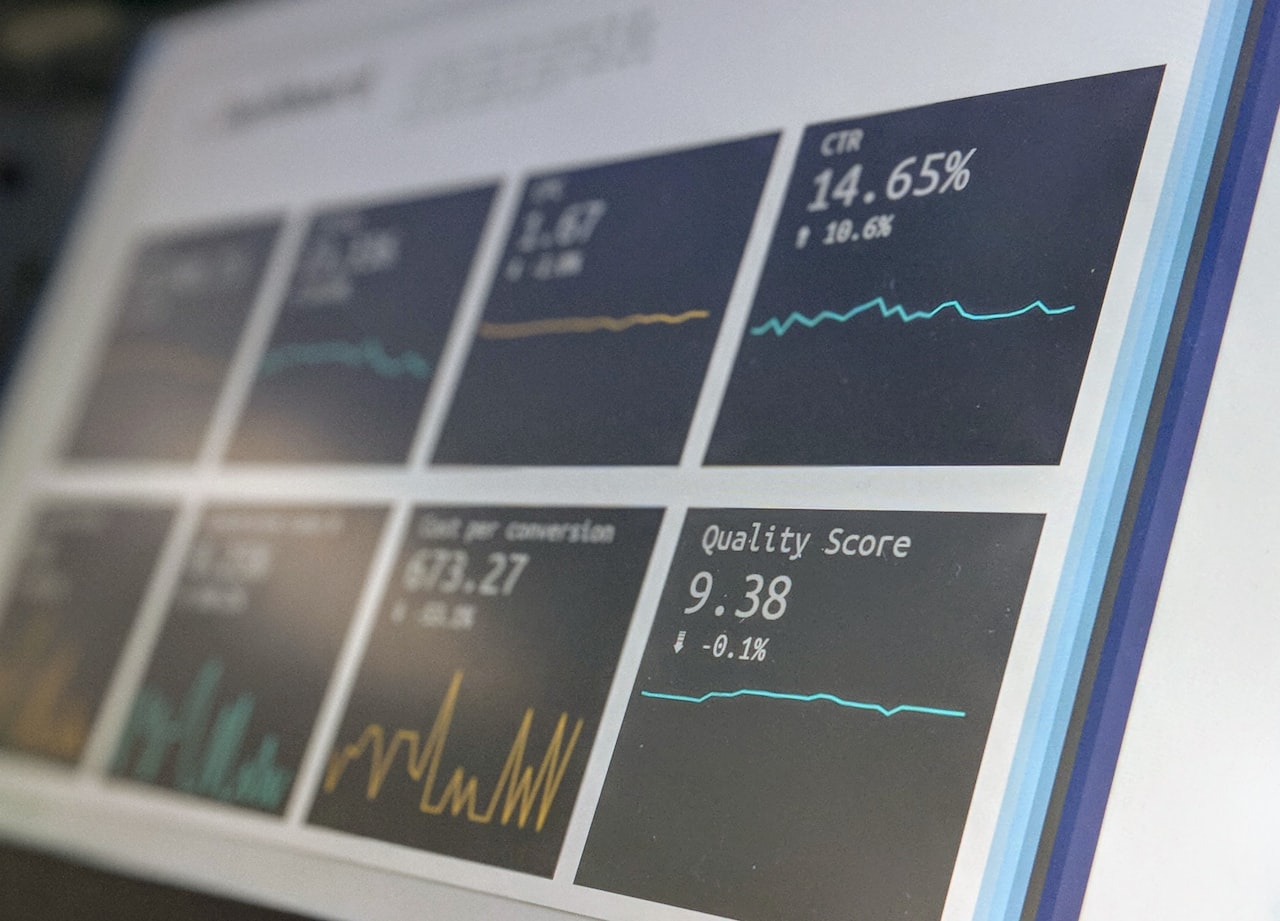
Custom dashboards using tools like Google Data Studio, Tableau or Power BI consolidate event metrics from multiple sources into a single view. Build a dashboard template that you use for every event, enabling consistent measurement and easy cross-event comparison. Automate data feeds where possible to reduce manual reporting effort. Use the same dashboards for your social media marketing metrics for unified reporting.
Frequently Asked Questions
What is a good ROI for event marketing?
A positive ROI means your event generated more value than it cost. For lead generation events, a 3:1 to 5:1 return (300 to 500 percent ROI) is considered strong. For brand awareness events, ROI is harder to quantify but media value should ideally exceed event costs by 2 to 3 times. Compare your event ROI against your other marketing channels for context.
How do I measure brand awareness from events?
Conduct brand tracking surveys before and after the event. Measure unaided brand awareness, aided brand awareness, brand consideration and purchase intent. Survey both event attendees and a control group who did not attend. The difference between the two groups represents the event’s brand awareness contribution.
How long after an event should I measure ROI?
Measure immediate metrics (attendance, leads, social media) within one week. Measure conversion metrics (sales, pipeline progression) at 30, 60 and 90 days post-event. For B2B events with long sales cycles, extend tracking to 6 months. Brand impact surveys should be conducted 2 to 4 weeks after the event for accurate recall measurement.
What is cost per lead for events?
Cost per lead varies significantly by event type and industry. In Singapore, B2B conference leads typically cost $50 to $200 per lead. Networking event leads range from $30 to $100. Experiential activations focused on consumer lead generation can achieve $5 to $30 per lead depending on the incentive and data capture method used.
How do I track leads from events through to sales?
Tag all event leads with the event source in your CRM. Create a pipeline report filtered by event source. Track these leads through your sales stages over 3 to 6 months. Use marketing automation to monitor engagement between the event and the sale. Calculate conversion rate and revenue by event to determine which events generate the highest-quality leads.
Should I count media coverage as event ROI?
Media coverage should be included in your ROI analysis but not as the sole measure. Calculate advertising value equivalency for earned media coverage. Weight the value by publication quality, audience relevance and message alignment. Media value is a legitimate component of event return but should complement direct business metrics, not replace them.
What metrics matter most for different event types?
For conferences and seminars: registrations, attendance rate, lead quality and cost per lead. For product launches: media coverage, social media reach and immediate sales impact. For client events: satisfaction scores, retention rates and relationship strength indicators. For brand activations: engagement rate, social amplification and brand perception change.
How do I justify event budgets to senior leadership?
Present event ROI in financial terms: revenue generated, pipeline value created, cost per acquisition compared to other channels. Include both quantitative metrics and qualitative evidence like client testimonials, media coverage and competitive positioning benefits. Show trends across multiple events to demonstrate continuous improvement and strategic value.