

Part of our Marketing Grants guide →
The Enterprise Development Grant (EDG) was one of Singapore’s most versatile government grants, designed to help businesses upgrade capabilities, innovate and expand overseas, until it became part of the EDGE Grant on 30 September 2026. Unlike the PSG grant, which covered pre-approved off-the-shelf solutions, EDG supported customised projects — including comprehensive digital marketing transformations — at up to 50% of qualifying project costs. EDGE now covers the same kinds of projects.
Update, October 2026: PSG, EDG and MRA are now part of the EDGE Grant.
From 30 September 2026, PSG, EDG and MRA are part of the EDGE Grant, and new applications for the same kinds of projects go through EDGE. From 30 September 2026, new applications go through the EDGE Grant: up to 50% support for SMEs (up to 70% for internationalisation and sustainability activities), capped at S$100,000 per company per year, with up to S$30,000 for single-function digital solutions. Projects already approved under the old schemes continue and are claimed on the Business Grants Portal. Read our EDGE Grant guide for the details.
The Enterprise Development Grant became part of the EDGE Grant on 30 September 2026. Enterprise Singapore merged EDG with PSG and MRA into the EDGE Grant, which opened on 30 September 2026. This guide still explains how EDG worked, which matters if your EDG project was approved before the change. For a new project, see the EDGE section further down. If your project is about brand or marketing strategy, read our guide to the EDGE Grant for branding and marketing strategy.
Administered by Enterprise Singapore, EDG helped thousands of Singapore businesses undertake projects they could not have funded independently. Whether the need was a new brand strategy, a sophisticated e-commerce ecosystem or a content marketing framework for regional expansion, EDG co-funded the professional services and implementation costs, and EDGE now does the same.
This guide explains how EDG worked — its three pillars, eligibility, application process and funding levels — and how the same kinds of marketing projects are funded under EDGE today.
The Three Pillars of EDG (How It Worked)
The Enterprise Development Grant was structured around three strategic pillars, each addressing a different dimension of business growth. EDGE now groups more than 150 activities into eight business areas covering the same ground, but the pillar logic is still a useful way to frame a project and its expected outcomes.
Pillar 1 — Core Capabilities: This pillar focuses on strengthening the internal capabilities of your business. Projects under this pillar help companies improve operational efficiency, enhance business processes, adopt new technologies, and build organisational capacity. Marketing-related projects under this pillar might include developing an integrated digital marketing strategy, implementing a marketing automation system, or building an in-house content production capability. The emphasis is on upgrading your company’s fundamental competencies rather than one-off campaigns.
Pillar 2 — Innovation and Productivity: This pillar supports businesses in developing new products, services, or processes, as well as adopting innovative approaches to existing operations. For marketing purposes, this could include developing a proprietary customer analytics platform, creating an innovative loyalty programme, or building a data-driven personalisation engine for your marketing communications. Projects must demonstrate genuine innovation rather than standard implementations.
Pillar 3 — Market Access: This pillar helped Singapore businesses expand into overseas markets. Marketing activities under it were among the most common EDG-funded projects — market research for new geographies, market entry strategies, overseas branding and positioning work, and marketing collateral for international audiences. Under EDGE, these are internationalisation activities, co-funded at up to 70% for SMEs.
Each pillar has slightly different assessment criteria and expected outcomes. Your project can span multiple pillars if it naturally involves capabilities across these areas, though most applications are strongest when focused on one primary pillar with clear, measurable objectives.
EDG Eligibility Criteria (Until September 2026)
EDG eligibility criteria were similar to PSG’s, with some differences reflecting the grant’s broader scope and higher funding amounts. EDGE applies the core rule — a Singapore-registered business with at least 30% local ownership — across all its activities.
 EDG Grant Singapore: Enterprise Development Grant Explained” loading=”lazy” class=”wp-image-19173″>
| Criteria | Requirement |
|---|---|
| Business Registration | Registered and operating in Singapore |
| Company Size | Group annual sales turnover not more than $100 million, OR group employment size not more than 200 employees |
| Minimum Shareholding | At least 30% local shareholding (by Singapore Citizens or Permanent Residents) |
| Business Operations | Must have been in active business operations for at least 3 years (some flexibility for younger companies with strong business plans) |
| Financial Health | Business must be financially viable and have the capacity to co-fund the project |
| Project Commitment | Must not have commenced the project before grant approval |
| Project Duration | Typically 12 to 18 months, with extensions possible |
The financial viability requirement deserves particular attention. EDG projects often involved substantial investments — $50,000 to $500,000 or more — and Enterprise Singapore assessed whether a business could fund its share and sustain the outcomes. The same scrutiny applies to EDGE project applications, so businesses with poor financial health or thin cash reserves may struggle to get approval regardless of a project’s merits.
The three-year operating history requirement acknowledges that EDG projects require a level of organisational maturity. However, this is not an absolute barrier — younger companies with strong track records, clear business plans, and demonstrated growth can still qualify. If your business is less than three years old, prepare additional supporting documentation to demonstrate your readiness for an EDG project.
EDG Funding Quantum and Support Levels (Until September 2026)
EDG provided funding support of up to 50% of qualifying project costs, with no fixed cap. EDGE co-funds up to 50% for SMEs (30% for non-SMEs), and up to 70% for internationalisation and sustainability, within an annual cap of S$100,000 per company.
Qualifying costs under EDG included: Professional consultancy fees (the largest component for most marketing projects), third-party testing and certification costs, software and equipment directly related to the project, intellectual property licensing costs, and approved overseas travel costs for market access projects. Salaries of internal staff dedicated to the project could also qualify. Check the relevant EDGE activity page for the cost categories it supports.
Costs not covered: General business operating expenses, ongoing subscription fees beyond the project period, advertising and media spend (the actual ad budget itself), entertainment and hospitality costs, and any costs incurred before grant approval. This was true under EDG and remains true under EDGE — the grant funds the strategy development and setup of your Google Ads campaigns, but not the ongoing advertising spend itself.
The 50% co-funding means that for every dollar of qualifying cost, the government contributes 50 cents and your business contributes 50 cents. On a $100,000 marketing transformation project, you would receive up to $50,000 in grant funding. There is no fixed maximum cap per application, but larger grants receive more rigorous scrutiny and typically require more detailed proposals and stronger justification.
Grant disbursement follows a milestone-based claims process. Rather than receiving the full grant amount upfront, you submit claims at defined project milestones — typically 30%, 60%, and 100% completion. Each claim requires evidence of deliverables completed and payments made. This structure ensures accountability and keeps projects on track.
Marketing Project Ideas (EDG and Now EDGE)
EDG’s flexibility made it suitable for a wide range of marketing projects, and EDGE covers the same kinds. Here are project types that successfully received EDG funding.

Digital marketing strategy and transformation: A comprehensive project to develop and implement a complete digital marketing strategy, including audience research, channel strategy, content framework, measurement architecture, and team capability building. This type of project typically involves engaging a digital marketing agency as the lead consultant and may span 12 to 18 months. Qualifying costs include the agency’s professional fees for strategy development, workshop facilitation, and implementation guidance.
Brand strategy and repositioning: For businesses undergoing significant brand changes — entering new market segments, launching new product lines or repositioning for growth — grant funding can cover strategic brand work including market research, brand architecture development, visual identity creation and brand guidelines. This is distinct from simply refreshing a logo; assessors expect a strategic, research-driven approach.
E-commerce ecosystem development: Building a comprehensive e-commerce capability including platform selection and customisation, user experience design, product information management, order fulfilment integration, and digital marketing integration. This goes beyond basic website design — it represents a fundamental business transformation that enables online revenue generation.
Content marketing system development: Creating a structured content marketing capability including content strategy, editorial calendar framework, content production workflows, distribution channel setup and performance measurement systems. Grant funding covers the strategic framework and initial content creation, not ongoing content production.
Overseas market entry marketing: Under Pillar 3 (Market Access), EDG supports marketing activities for international expansion, including market research for target countries, localisation of marketing materials, overseas digital marketing strategy, and the development of market-specific campaigns. This is one of the most popular EDG use cases and can be combined with the Market Readiness Assistance (MRA) grant for maximum support.
Customer analytics and personalisation: Developing data-driven marketing capabilities through customer analytics platforms, segmentation models, personalisation engines, and predictive marketing tools. Under Pillar 2 (Innovation and Productivity), these projects demonstrate how marketing can drive business innovation beyond traditional approaches.
The Application Process Step by Step
Project applications are more involved than single-solution applications, reflecting the larger grant amounts and customised nature. Under EDG, businesses allowed four to eight weeks for preparation and six to twelve weeks for assessment; Enterprise Singapore indicates up to about ten weeks for EDGE applications without a pre-approved vendor.
Step 1 — Define your project scope: Before approaching consultants or vendors, clearly articulate the business problem you are solving and the outcomes you expect. EnterpriseSG assesses applications based on the project’s strategic value to your business, not just its technical merits. Quantify expected outcomes wherever possible — revenue growth targets, efficiency improvements, new market revenue projections.
Step 2 — Select your project consultant: For marketing projects, this is typically a digital marketing agency or consultancy with relevant experience. Where the EDGE activity has no pre-approved vendor list (as with EDG), Enterprise Singapore expects you to show that your chosen consultant has the expertise and track record to deliver. Obtain at least two competitive quotations to demonstrate due diligence.
Step 3 — Develop your proposal: Prepare a detailed project proposal covering objectives, methodology, timeline, milestones, deliverables, budget breakdown and expected outcomes. Many businesses engage their chosen consultant to help develop the proposal, which is a sound approach as the consultant brings experience with successful grant applications.
Step 4 — Submit via Business Grants Portal: Log in to the BGP using Corppass (with the BGP Preparer and Acceptor roles) and submit your EDGE application. Upload all supporting documents including the project proposal, consultant quotations, company financial statements (typically two to three years) and any additional materials such as market research or business plans.
Step 5 — Assessment and clarification: EnterpriseSG will review your application and may request additional information or clarification. Respond promptly and thoroughly — delays in responding to queries extend the overall processing time. You may also be invited for an interview to present your project in person.
Step 6 — Approval and Letter of Offer: If approved, you will receive a Letter of Offer specifying the approved grant amount, project milestones, claim schedule, and terms and conditions. Review the letter carefully and accept it within the stipulated timeframe through the BGP.
Crafting a Strong Project Proposal
The quality of your proposal is the single biggest factor determining whether a project application succeeds. Evaluators need to quickly understand why your project deserves funding — as true for EDGE as it was for EDG.
Demonstrate strategic alignment: Show how the project aligns with your overall business strategy, not just your marketing needs. If your business plan targets 30% revenue growth over three years, explain how the proposed marketing transformation project directly enables that target. Evaluators want to see that the project is integral to your business trajectory, not an isolated initiative.
Quantify expected outcomes: Vague outcomes like “improve brand awareness” or “enhance digital capabilities” are insufficient. Specify measurable targets: “increase online revenue from $200,000 to $500,000 within 18 months,” “generate 150 qualified leads per month through digital channels,” or “achieve 20% of total revenue from two new ASEAN markets within two years.” Concrete metrics demonstrate serious planning and enable post-project evaluation.
Show your co-funding commitment: Include evidence that your business can and will fund its share of the project. This might include bank statements, financial projections, board resolutions, or letters of commitment. EnterpriseSG needs confidence that the project will proceed to completion and will not stall due to insufficient business funding.
Detail the methodology: Describe how the project will be executed, not just what the final deliverables are. Include the research methods, strategic frameworks, implementation phases, testing approaches, and feedback loops that will be used. A well-articulated methodology signals that both you and your consultant have a clear, proven plan for delivering results.
Address sustainability: Explain how the project outcomes will be sustained after the grant-funded project concludes. If you are building a social media marketing capability, show how you will maintain and grow it independently. EnterpriseSG is investing in long-term business development, not one-off projects that collapse after the funding ends.
Project Management and Claims
Securing approval is only the beginning — effective project management is essential to realise the full grant benefit and avoid complications during the claims process.
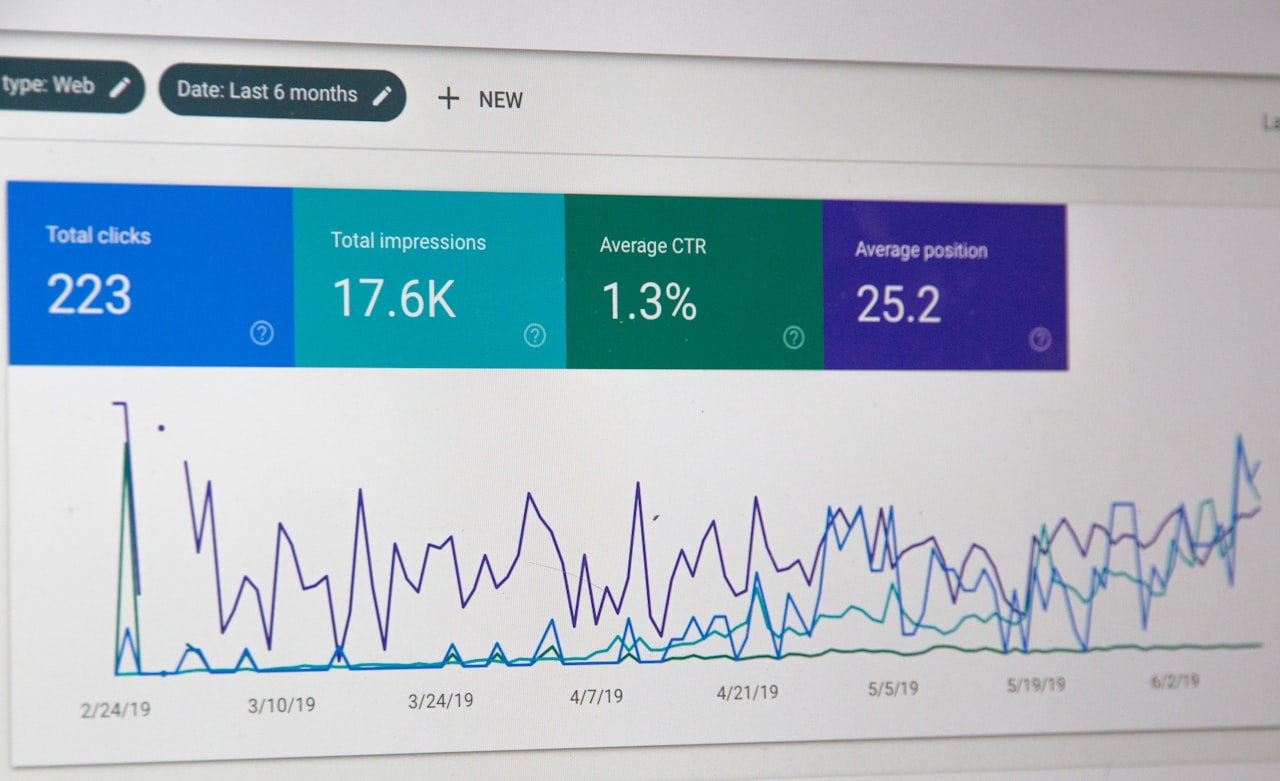
Milestone tracking: Grant-funded projects are structured around defined milestones, each with specific deliverables and timelines. Maintain detailed records of all project activities, deliverables produced and decisions made. EDG projects could involve progress reports and milestone claims; EDGE accepts a single final claim after the project is completed and fully paid for. Keep your project consultant accountable to the agreed timeline and flag any potential delays early.
Financial documentation: Meticulous financial record-keeping is non-negotiable. Maintain clear records of all project-related payments, including invoices, payment receipts, bank statements showing the transactions, and any internal cost allocations for staff time. Claims that lack proper financial documentation are rejected or delayed, regardless of whether the project deliverables are strong.
Scope changes: If your project scope needs to change during execution — which is common in marketing projects as market conditions evolve — you must seek approval from EnterpriseSG before implementing the change. Unapproved scope changes may render those project components ineligible for grant claims. Submit variation requests through the BGP with a clear rationale for the change and its impact on project outcomes.
Claim submission: Submit milestone claims promptly once each project milestone is completed. Each claim requires a milestone report detailing what was achieved, copies of all deliverables, invoices and proof of payment, and a declaration that the work was performed as described. Late or incomplete claims delay disbursement and can create cash flow issues for your business.
Post-project obligations: After the project concludes, you may be required to submit a post-project evaluation report demonstrating the outcomes achieved against the targets set in your proposal. EnterpriseSG uses these evaluations to assess the effectiveness of the grant programme and may follow up with businesses that significantly underperform against their stated objectives.
Integrating your grant-funded marketing project with ongoing SEO efforts and email marketing programmes ensures continuity between the grant-funded transformation and your day-to-day marketing operations.
EDG Is Now Part of the EDGE Grant
The kinds of projects EDG funded, such as strategy, capability building, innovation and overseas expansion, now sit under the EDGE Grant’s business areas, including Business Strategy, Innovation and Internationalisation. EDGE supports up to 50% of qualifying costs for SMEs (30% for non-SMEs), rising to up to 70% for SMEs on internationalisation and sustainability activities. Each company can receive up to S$100,000 a year across all activities.
Unlike EDG’s project-by-project proposals, EDGE is organised into specific activities, each with its own support level, conditions and Business Grants Portal link. Previous EDG funding does not count against your EDGE cap, but EDGE only funds new projects and does not support work retrospectively. Read the activity pages on the EDGE Grant site, and our EDGE Grant guide for eligibility and the application process.
Frequently Asked Questions
Is the EDG grant still available?
No. The Enterprise Development Grant stopped accepting new applications on 29 September 2026, together with the other schemes merged into the EDGE Grant. New applications go through EDGE from 30 September 2026.
Which grant now covers Enterprise Development Grant projects?
The EDGE Grant, which merges EDG, PSG and MRA into one scheme covering over 150 activities across 8 business areas.
Can I still claim my approved EDG project?
Yes. Enterprise Singapore says ongoing EDG submissions and projects continue to be processed. Complete the project and submit your claim through the Business Grants Portal.
How much can a company get under EDGE?
Up to S$100,000 per company per year across all eligible activities, counted from 1 April to 31 March. Within that, no more than S$30,000 can go to single-function digital solutions. Support is up to 50% for SMEs (30% for non-SMEs), and up to 70% for SMEs (50% for non-SMEs) on internationalisation and sustainability activities.
Does my previous EDG funding reduce my EDGE cap?
No. The EDGE FAQ states that the new cap does not take into account previous grant utilisation under EDG, MRA and PSG.
Could EDG be used to fund digital advertising spend?
No. EDG funded capability and transformation projects, not ongoing media spend.
Who can apply for the EDGE Grant?
Singapore-registered businesses with at least 30% Singaporean and/or Singapore PR ownership, for a new project that has not started. SMEs (group turnover of no more than S$100 million or no more than 200 workers) receive the higher support levels.
Can the EDG grant still fund a branding project in Singapore?
Branding projects that EDG used to fund are now part of the EDGE Grant, which supports brand and marketing strategy work for Singapore-registered businesses. Assessors expect a research-driven project, such as market research, brand architecture, positioning, visual identity and brand guidelines, rather than a simple logo refresh. SMEs can receive up to 50% of qualifying costs within the S$100,000 annual company cap.
How much would an SME receive on a S$100,000 EDG-style marketing project?
An SME would typically receive up to S$50,000 on a S$100,000 marketing project under the EDGE Grant, which EDG is now part of, because standard support is up to 50% of qualifying costs. If the project is an internationalisation activity, support can rise to up to 70%. All funding counts towards the S$100,000 per company annual cap, and media spend is not a qualifying cost.
How should a Singapore company choose a consultant for an EDG or EDGE marketing project?
A Singapore company should choose a consultant with a proven track record in the specific project type, such as brand strategy or overseas market entry, and evidence of past grant-supported work. Where the EDGE Grant activity has no pre-approved vendor list, Enterprise Singapore expects the applicant to justify the choice. Obtaining at least two competitive quotations and a detailed scope with milestones strengthens the application.
Why do EDG and EDGE grant applications get rejected in Singapore?
EDG-style applications, now handled under the EDGE Grant, are commonly rejected for vague outcomes, weak links to business strategy, doubts about the company’s ability to co-fund the project, or work that started before approval. Missing financial statements or slow replies to Enterprise Singapore queries also delay or derail assessment. Measurable targets, a clear methodology and evidence of co-funding capacity reduce these risks.