Changi Airport Advertising: Reach Travellers With High-Impact Placements
Table of Contents
Why Advertise at Changi Airport
Airport advertising Singapore at Changi Airport puts your brand in front of one of the most valuable audiences in Southeast Asia. Changi Airport handles over 60 million passengers annually, making it one of the busiest airports in the world. These passengers include business executives, affluent leisure travellers, frequent flyers and international tourists, all demographics with above-average purchasing power.
Airport advertising carries inherent prestige. Brands that appear at Changi Airport are associated with quality, international reach and established credibility. This is why categories like luxury goods, financial services, technology, airlines and tourism boards have long dominated airport advertising. However, the format is increasingly accessible to a broader range of advertisers as digital screens and programmatic buying reduce minimum commitments.
The unique airport environment amplifies advertising effectiveness. Travellers are in a transitional state, away from their daily routines, with extended dwell times averaging 60 to 90 minutes before departure. They are alert, open to new experiences and often in a positive emotional state, especially leisure travellers. This receptive mindset translates into higher brand recall and engagement with advertising compared to many other environments.
As part of a comprehensive OOH advertising campaign, airport advertising reaches audiences that other formats may miss, particularly international travellers and high-net-worth individuals who may not use public transport or visit suburban malls.
The Changi Airport Audience
Understanding the Changi Airport audience helps you tailor creative and select the right placements. The airport audience consists of several distinct segments.
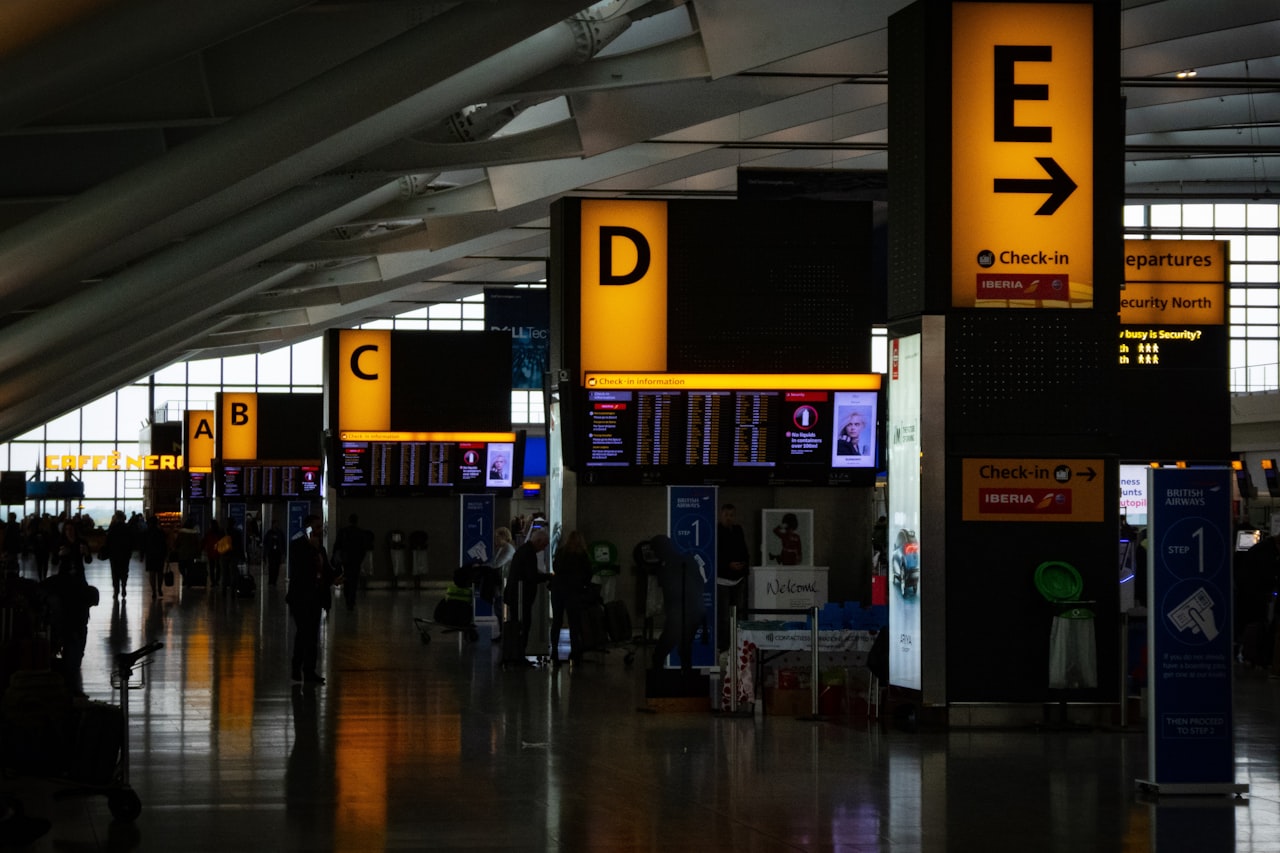
Departing passengers are typically in a positive mindset, looking forward to their trip. They have completed check-in and security and are browsing duty-free shops, dining and waiting at gates. This is a high-attention window with significant dwell time. Departing passengers are receptive to travel-related products, luxury goods, technology and entertainment.
Arriving passengers are focused on navigation, baggage claim and onward transport. While their dwell time is shorter, key touchpoints like arrival corridors, baggage carousels and transport hubs capture attention effectively. Arrivals include tourists making first impressions of Singapore, making this audience valuable for hospitality, tourism and local service brands.
Transit passengers connecting between flights spend one to four hours in the terminal. Changi’s reputation as a destination airport means many transit passengers actively explore the facilities, shops and attractions. They represent an international audience exposed to your brand during an extended visit.
Meeters and greeters, airport staff and Jewel visitors add to the daily audience. Jewel Changi Airport alone attracts over 50 million visitors annually, many of whom are not travelling but visiting for shopping, dining and entertainment.
Airport Advertising Formats
Changi Airport offers a comprehensive range of advertising formats managed primarily by JCDecaux Transport (formerly Stellar Ace) and the Changi Airport Group.
Digital Network Screens
Digital screens throughout departure halls, transit areas, arrival corridors and common spaces display rotating video and animated content. These screens range from standard panel sizes to massive video walls. Digital networks offer the flexibility to book specific terminals, zones and time periods. They are part of the broader DOOH ecosystem and can be purchased programmatically.
Lightboxes and Backlit Panels
Premium illuminated panels in high-traffic corridors, near escalators and along moving walkways provide consistent brand visibility. Backlit panels offer excellent image quality and are effective for visually rich campaigns from luxury, fashion and automotive brands.
Spectacular Installations
Custom-built installations in terminal atriums, departure gates and key junctions create landmark advertising that stops travellers in their tracks. These can include three-dimensional structures, interactive technology, product showcases and immersive brand experiences. Spectaculars are premium commitments that require long lead times and significant investment.
Baggage Carousel Advertising
Screens and panels around baggage carousels reach arriving passengers during an extended wait time of 10 to 30 minutes. The captive environment and focused attention on the carousel area make this format highly effective for brand recall.
Aerobridge and Gate Advertising
Panels within aerobridges and at departure gates capture passengers at moments of close proximity and focused attention. Gate advertising benefits from extended dwell times as passengers wait for boarding.
Trolley and Amenity Advertising
Branding on luggage trolleys, charging stations, seating areas and wayfinding displays integrates advertising into the travel experience. These functional touchpoints create repeated low-level exposure throughout the airport journey.
Key Advertising Locations by Terminal
Changi Airport has four terminals plus Jewel, each with distinct traffic patterns and advertising strengths.
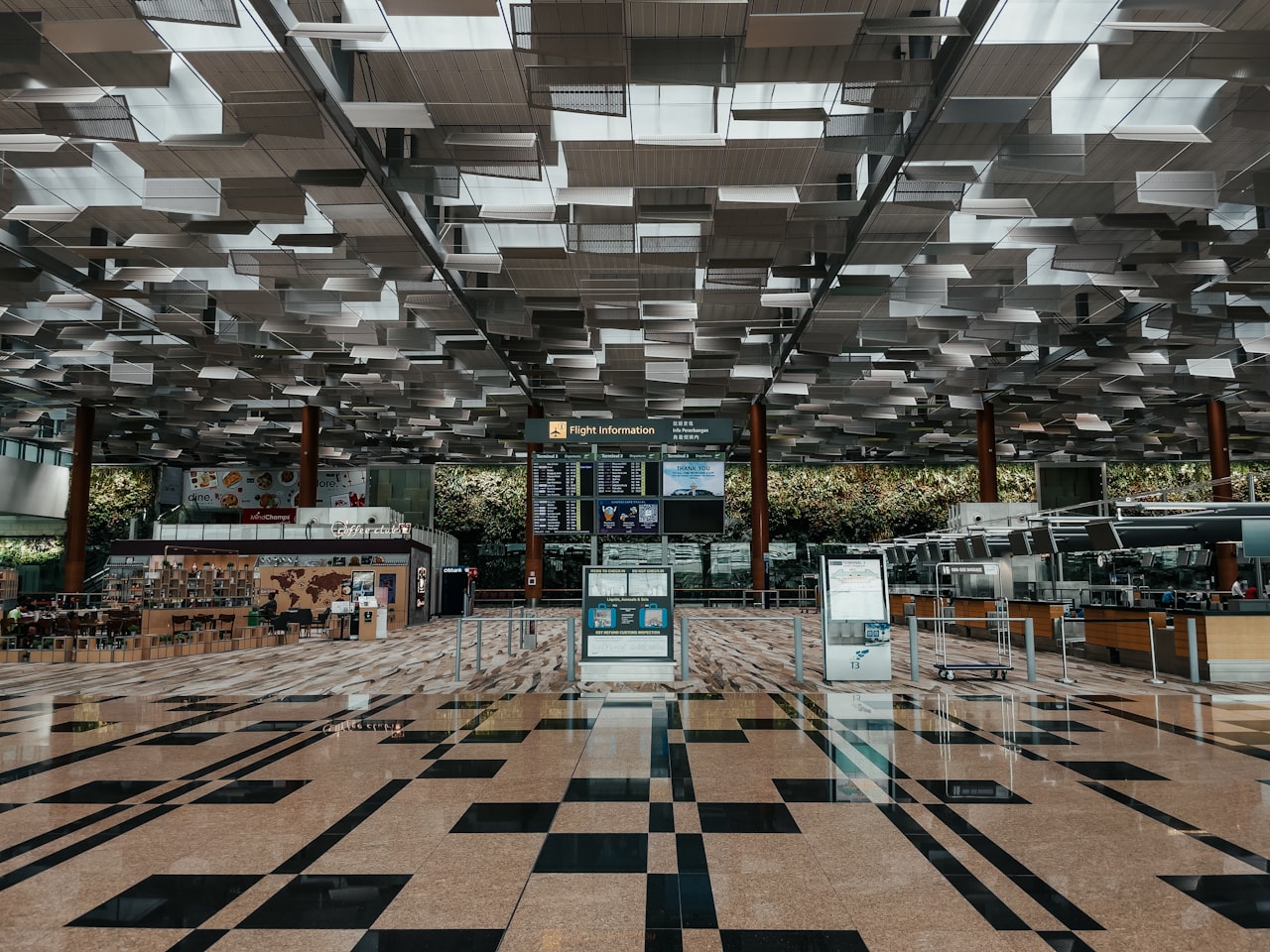
Terminal 1 handles major carriers including Singapore Airlines, Qantas, Japan Airlines and Cathay Pacific. It serves a mix of business and premium leisure travellers. Advertising here reaches an affluent, internationally oriented audience.
Terminal 2 serves airlines including Emirates, Malaysia Airlines and Thai Airways. Its recent renovation added modern digital advertising infrastructure. The terminal’s connection to Jewel creates additional foot traffic from non-travelling visitors.
Terminal 3 is the primary Singapore Airlines terminal, handling the highest volume of full-service carrier passengers. It attracts a premium demographic and is the most sought-after terminal for luxury and business brand advertising.
Terminal 4 handles budget carriers including AirAsia, Cebu Pacific and VietJet. The audience skews younger and more budget-conscious compared to other terminals. This terminal is effective for mass-market consumer brands, travel apps and entertainment offerings.
Transit areas between terminals see significant foot traffic from connecting passengers and offer cross-terminal visibility. The Skytrain system connecting terminals also provides advertising opportunities on platforms and inside carriages.
Airport Advertising Costs
Airport advertising commands premium pricing reflecting the high-value audience and controlled environment. Here is a general cost guide for Changi Airport.
- Digital network screens: S$5,000 to S$20,000 per screen per month depending on location and terminal
- Premium backlit panels: S$3,000 to S$15,000 per panel per month
- Baggage carousel screens: S$8,000 to S$20,000 per month per carousel area
- Gate area panels: S$2,000 to S$8,000 per gate per month
- Spectacular installations: S$30,000 to S$150,000 per month plus custom production costs
- Trolley advertising: S$5,000 to S$15,000 per month for fleet-wide coverage
Minimum campaign periods are typically one month for screen and panel formats. Spectacular installations often require three to six-month commitments. Programmatic DOOH buying offers more flexible periods for digital screen inventory.
Production costs for airport advertising tend to be higher than standard OOH due to quality expectations and installation requirements in a secure environment. Budget an additional 15 to 25 percent of media costs for production, especially for physical installations.
Campaign Planning for Airport Ads
Planning an airport advertising campaign requires attention to several unique factors.
Align terminal selection with your target airline passengers. If your brand targets business travellers, focus on terminals serving full-service carriers. If you are promoting a travel destination, target terminals with direct flights to that destination.
Consider the passenger journey when selecting placements. Map the traveller path from arrival at the terminal through check-in, security, duty-free shopping, gate waiting and boarding. Place your primary message early in the journey and reinforce it with secondary placements along the path.
Time your campaign around travel peaks. Chinese New Year, June holidays, the F1 season, year-end holidays and major conventions drive higher airport traffic. These periods offer greater reach but also higher pricing and earlier booking requirements.
Design creative for the airport context. Travellers are a sophisticated audience exposed to premium advertising throughout the airport. Your creative must match the quality of the environment. Use high-resolution imagery, clean design and messaging that resonates with an internationally minded audience.
Integrate airport advertising with your digital marketing strategy. Use airport-specific QR codes to track engagement. Run Google Ads campaigns targeting airport Wi-Fi users. Create social media content featuring your airport placements for additional reach beyond physical visitors.
Advertising in Jewel Changi Airport
Jewel Changi Airport deserves separate consideration as both an airport facility and a standalone lifestyle destination. The 135,700 square metre complex houses over 280 shops and restaurants, attractions like the Rain Vortex and Canopy Park, and a hotel.
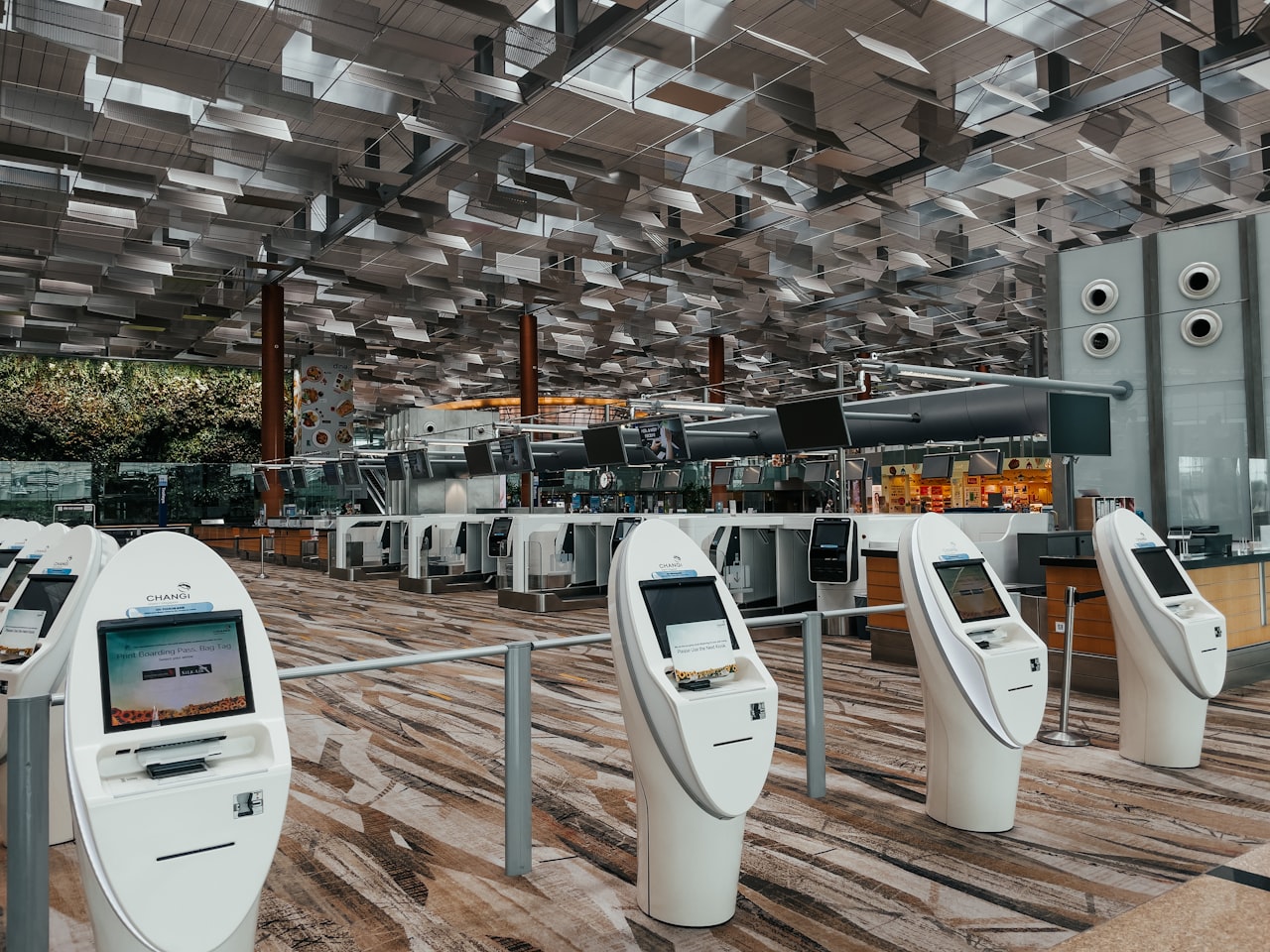
Jewel advertising reaches a combined audience of travellers and local visitors. On weekends and holidays, local visitors significantly outnumber travellers, creating a different audience profile from the terminals. This makes Jewel advertising suitable for a broader range of brands beyond traditional airport advertisers.
Advertising formats in Jewel include digital screens throughout common areas, branded spaces near the Rain Vortex, retail kiosks and pop-up stores, elevator and escalator panels, and integration with Jewel’s digital wayfinding system. The visually spectacular environment creates strong social media sharing potential for photogenic brand installations.
Jewel advertising can be combined with broader mall advertising strategies since it functions as both an airport facility and a premium shopping mall. Brands that advertise in Jewel alongside other Singapore malls create consistent retail-environment visibility.
Frequently Asked Questions
Who manages advertising at Changi Airport?
JCDecaux Transport (formerly Stellar Ace, a subsidiary of Changi Airport Group) manages most of the advertising inventory across Changi Airport terminals and Jewel. Some specialty placements may be managed directly by Changi Airport Group or specific retailers.
Can small businesses advertise at Changi Airport?
Yes, though it requires a meaningful budget. Digital screen slots start from approximately S$5,000 per month. Programmatic DOOH offers lower entry points by purchasing impressions rather than fixed screen time. Small businesses should focus on specific zones relevant to their audience rather than attempting broad terminal coverage.
How far in advance should I book airport advertising?
Standard digital and panel placements should be booked six to eight weeks in advance. Premium positions and peak travel periods require three to six months advance booking. Spectacular installations need six to twelve months for design, approval and production.
What languages should airport advertising creative use?
English is the default and reaches the broadest audience at Changi. For campaigns targeting specific nationalities, consider adding Mandarin, Japanese, Korean or Bahasa in relevant terminals. Bilingual English-Mandarin creative covers the majority of Changi’s passenger demographic.
Can I target specific airlines’ passengers?
You can target by terminal and gate cluster, which effectively filters by airline. Direct airline partnerships for on-board or lounge advertising are negotiated separately with each carrier. Airport advertising targets the terminal environment rather than specific airline passengers.
How do I measure airport advertising effectiveness?
Track branded search increases from airport regions, QR code and URL engagement from airport placements, social media mentions with airport context, and duty-free or online sales correlated with campaign periods. Airport media owners provide impression estimates based on passenger traffic data. Our OOH measurement guide covers additional methods.
Is Changi Airport advertising suitable for local Singapore brands?
Absolutely. While international brands dominate premium placements, local brands benefit from airport advertising in several ways: reaching tourists arriving in Singapore, building prestige through airport presence, targeting the affluent Singaporean traveller demographic and leveraging Jewel’s large local visitor base.
What is the difference between landside and airside advertising?
Landside areas are accessible to all visitors including non-travellers, covering arrival halls, check-in areas and public concourses. Airside areas are beyond immigration and security, accessible only to departing and transit passengers. Airside placements reach confirmed travellers with extended dwell times. Landside placements reach a broader audience including meeters, greeters and airport workers.