Bus Advertising in Singapore: Wraps, Panels and Shelter Ads
Table of Contents
Why Bus Advertising Works in Singapore
Bus advertising Singapore puts your brand on the move across the island every single day. With over 5,800 buses operating across more than 360 routes, Singapore’s bus network penetrates every neighbourhood, from the CBD to heartland estates to industrial parks. This makes bus advertising one of the most geographically comprehensive outdoor media formats available.
Buses operate from approximately 5:30 AM to midnight daily, providing continuous brand exposure for over 18 hours. Each bus completes multiple route cycles per day, generating impressions across diverse locations and audience segments. A single bus wrap can generate 30,000 to 70,000 daily impressions depending on the route.
What makes bus advertising uniquely valuable is its ability to reach audiences in residential areas that other OOH advertising formats may not cover. While billboards and MRT ads concentrate in commercial corridors, buses travel through HDB estates, landed property neighbourhoods, schools and community centres. For brands targeting heartland consumers, bus advertising is essential.
Bus ads also benefit from extended viewing times. Other road users, pedestrians and people waiting at bus stops have prolonged exposure to the creative, especially during Singapore’s frequent traffic congestion. This extended dwell time increases the likelihood of message absorption and brand recall.
Bus Advertising Formats
Singapore’s bus fleet supports several advertising formats, each offering different levels of impact and investment.
Full Bus Wraps
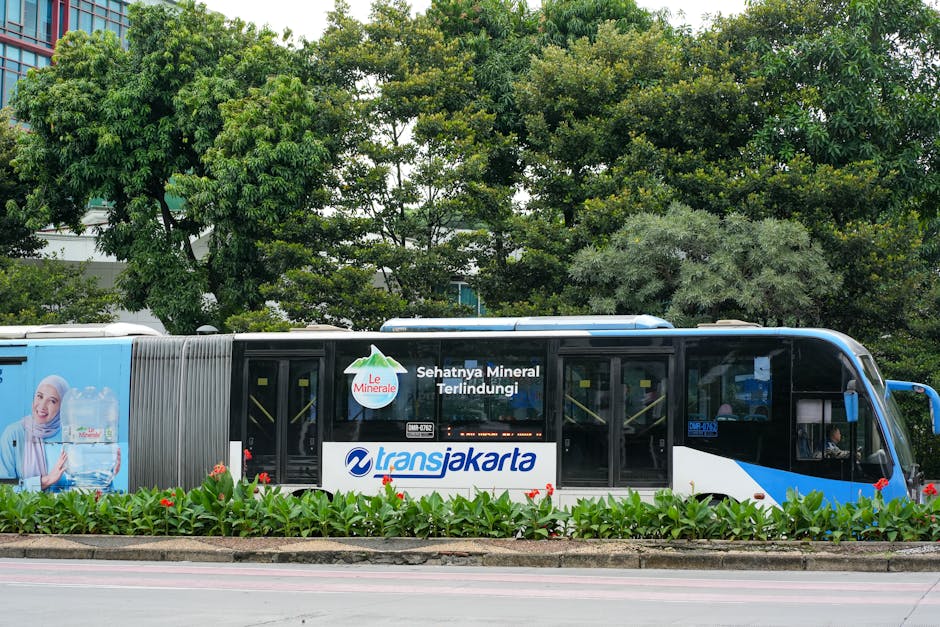
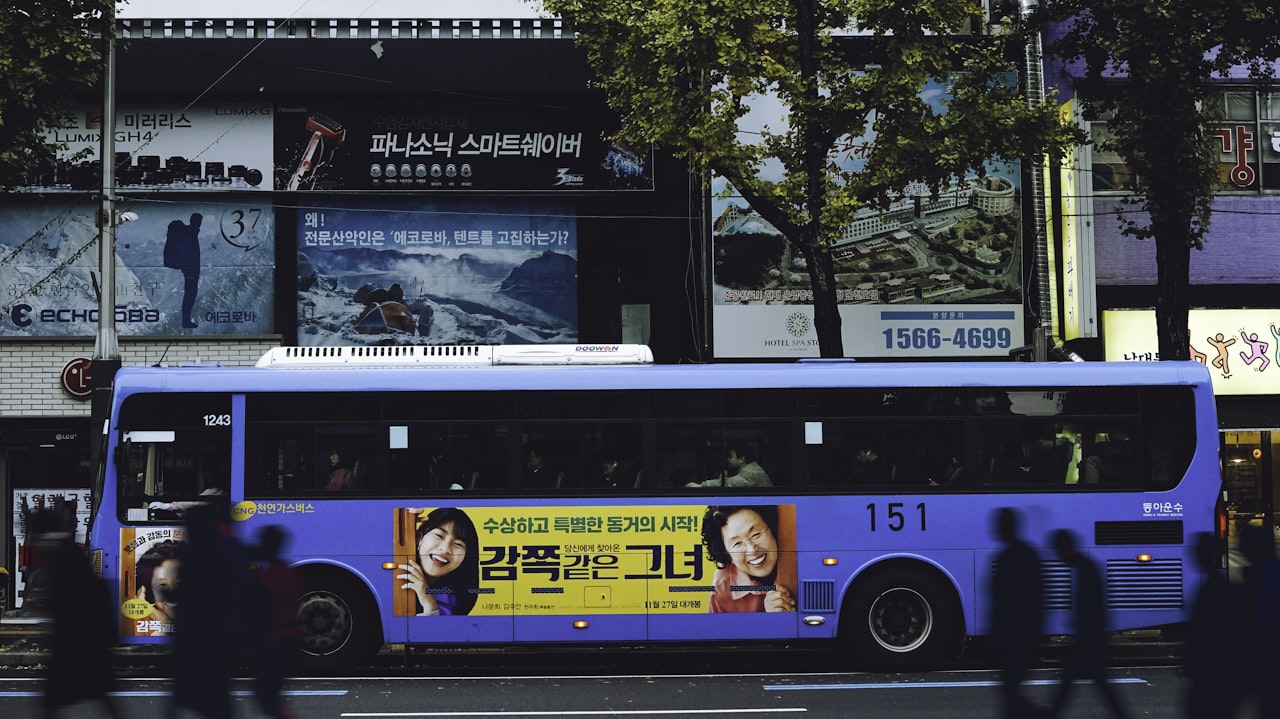
A full bus wrap covers the entire exterior of the bus with your campaign creative, transforming it into a moving billboard. This is the highest-impact bus format and commands attention from all directions. Full wraps are particularly effective for brand launches, major promotions and awareness campaigns that need maximum visual presence.
Super Side Panels
These large panels cover a significant portion of one or both sides of the bus. They offer strong visibility to pedestrians and other road users while costing less than a full wrap. Super side panels are a good balance between impact and budget efficiency.
Rear Panels
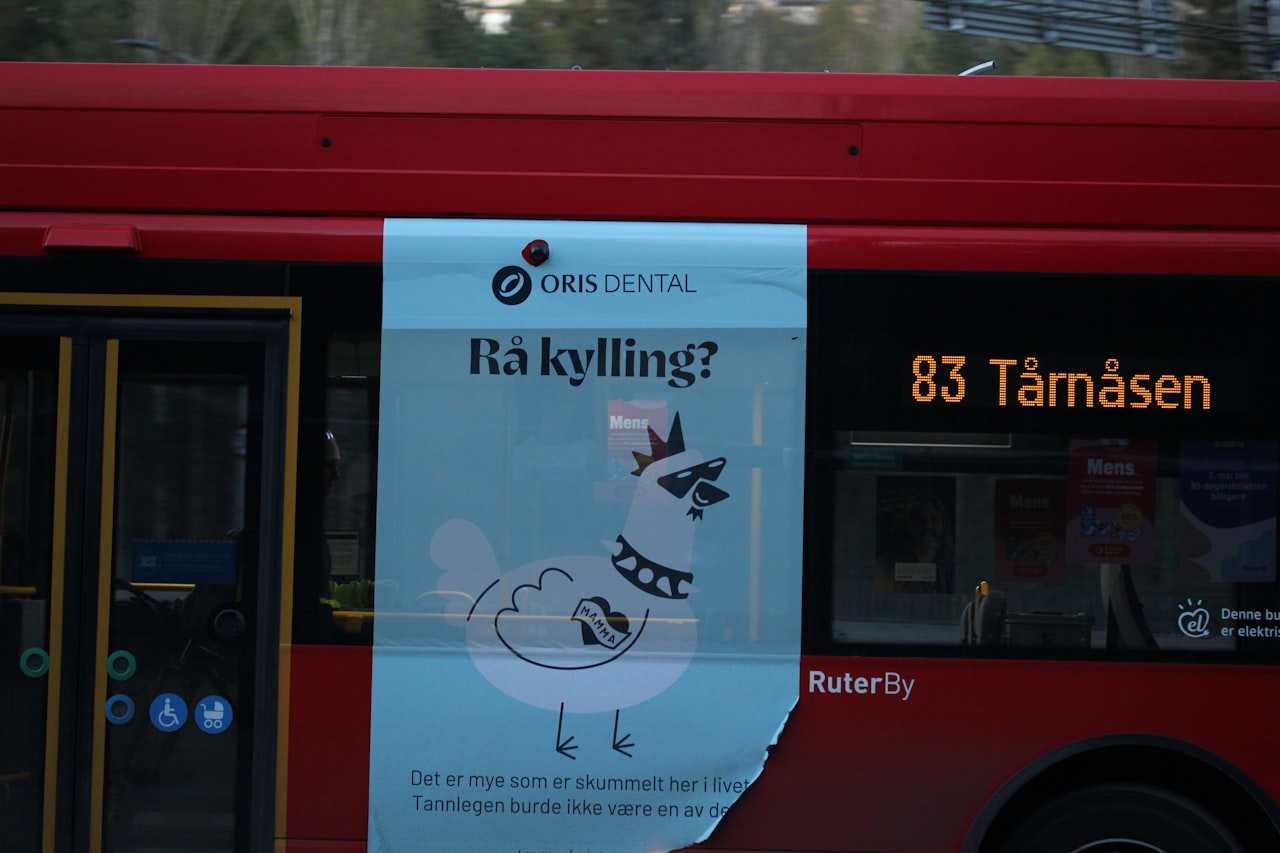
The rear of the bus faces drivers and passengers in vehicles behind it, creating extended viewing time during slow-moving traffic and at traffic lights. Rear panels are one of the most cost-effective bus formats and work well for simple, bold messages.
Interior Cards and Panels
Advertising inside the bus reaches the captive audience of passengers during their journey. Overhead header cards, side window panels and seat-back ads offer longer reading time since passengers are seated or standing for the duration of their trip. Interior ads suit more detailed messages, offers and QR code-driven campaigns.
Bus Back Banners
A smaller version of the rear panel, bus back banners offer an affordable entry point into bus advertising. They are visible to trailing traffic and are effective when booked across a large fleet for frequency-based campaigns.
Bus Shelter Advertising
While technically separate from bus advertising, bus shelter ads complement bus fleet campaigns effectively and are often planned together. Singapore has thousands of bus shelters across the island, many equipped with illuminated or digital advertising panels.
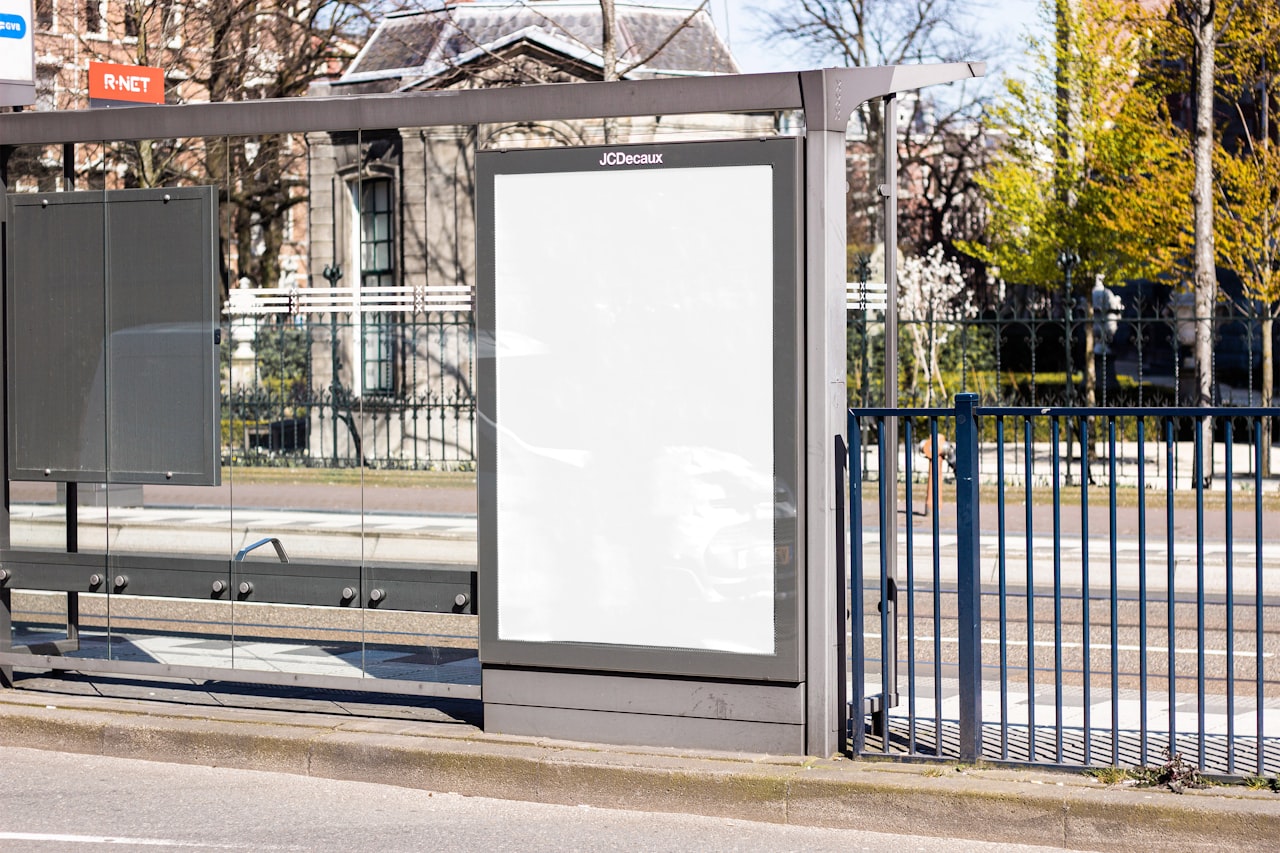
Bus shelter ads reach both commuters waiting for buses and passing pedestrians and motorists. The average wait time at a bus stop is 5 to 10 minutes, providing meaningful dwell time with the advertisement. Shelter ads are particularly effective near specific locations like shopping malls, offices or competitor outlets.
Digital bus shelter screens are growing in number and offer the same programmatic capabilities as other digital out-of-home formats. They can display time-triggered creative, weather-responsive messaging and rotating content from multiple advertisers.
Combining bus wraps on routes that service specific shelters with shelter advertising creates a surround-sound effect in targeted areas, reinforcing your message at multiple touchpoints during a single commuter journey.
Costs and Budgeting
Bus advertising costs in Singapore are generally more accessible than MRT station dominations or premium billboards, making it attractive for mid-range budgets.
- Full bus wraps: S$3,000 to S$6,000 per bus per month for media, plus S$2,000 to S$4,000 for production and installation per bus
- Super side panels: S$1,500 to S$3,000 per bus per month
- Rear panels: S$800 to S$1,500 per bus per month
- Interior cards: S$200 to S$500 per bus per month
- Bus back banners: S$500 to S$1,000 per bus per month
- Bus shelter panels: S$600 to S$2,000 per shelter per month depending on location
Most campaigns book a minimum of 10 to 30 buses to achieve meaningful coverage. A mid-range campaign using 20 buses with rear panels would cost approximately S$16,000 to S$30,000 per month for media alone. Full wrap campaigns on 10 buses could range from S$50,000 to S$100,000 including production.
Media owners typically offer volume discounts for larger fleet bookings and longer campaign durations. Six-month and twelve-month contracts can reduce monthly rates by 15 to 25 percent compared to short-term bookings.
Route and Area Selection
Strategic route and area selection is critical to bus advertising effectiveness. Rather than booking buses randomly across the fleet, work with the media owner to select routes that align with your target audience.
Consider the following approaches:
- Coverage by district: Select buses operating primarily in specific planning areas such as Tampines, Bedok, Jurong or Woodlands to reach particular demographics
- CBD-focused routes: Choose services that run through Raffles Place, Shenton Way and Marina Bay to target office workers and professionals
- Feeder routes: Buses connecting MRT stations to residential estates reach commuters during the last and first mile of their journey, complementing MRT advertising
- Arterial routes: Long trunk services along major roads like Orchard Road, Bukit Timah Road and East Coast Road maximise geographic spread
- Near-store routes: Select routes that pass near your retail locations to drive foot traffic
Your digital marketing strategy should inform route selection. If analytics show strong online demand from specific postal codes, concentrate bus advertising in those areas to reinforce digital engagement with physical presence.
Creative Design for Bus Ads
Bus advertising creative must be designed for a moving medium viewed from varying distances and angles. These principles will improve your results.
For exterior formats, use large, simple visuals that are recognisable from 15 to 30 metres away. Limit text to five to seven words maximum. Your brand name or logo should occupy at least 20 percent of the panel area. Avoid intricate designs or small details that will be lost at speed and distance.
Choose high-contrast colour combinations that stand out against Singapore’s urban backdrop. Bright colours on dark backgrounds or bold dark text on light backgrounds work best. Consider how your creative will look against the bus’s own livery colour.
For full wraps, use the entire bus as a canvas. The best wraps create a visual spectacle that people want to photograph and share on social media. Avoid simply enlarging a print ad to fit the bus. Instead, design specifically for the three-dimensional surface, using windows, wheels and curves as part of the creative concept.
For interior cards, you can include more detail since passengers have time to read. Include a clear call to action, a QR code linking to a mobile-optimised page, and specific offers or information. Ensure your web design supports the landing experience.
Measuring Bus Ad Performance
Measuring bus advertising effectiveness requires a combination of traditional and digital methods. Unlike purely digital channels, bus ads do not generate click data, but several proxy metrics can demonstrate ROI.
- Brand awareness tracking: Conduct pre and post-campaign surveys to measure aided and unaided brand recall among target audiences
- Search volume analysis: Monitor branded search volume on Google during the campaign period versus the baseline. Bus advertising typically drives a measurable uplift in brand searches
- QR code and URL tracking: Use unique QR codes and vanity URLs on bus ads to track direct response from the campaign
- Foot traffic data: For retail brands, measure store visits in areas where buses operate versus control areas
- Social media mentions: Track brand mentions, hashtag usage and shared photos of your bus advertising
For a comprehensive approach to offline campaign measurement, see our guide on OOH advertising measurement. Combining multiple measurement methods provides a more complete picture of campaign impact than any single metric.
Integration with Google Ads data can reveal whether bus advertising drives incremental search interest. Compare search impression share and click-through rates during campaign flights versus non-campaign periods to quantify the halo effect.
Frequently Asked Questions
How many buses do I need for an effective campaign?
A minimum of 10 to 15 buses is typically recommended for noticeable impact in a specific area. For island-wide coverage, 30 to 50 buses across multiple routes provides broad reach. Smaller businesses can start with 5 to 10 buses concentrated near their store locations.
How long does a bus wrap last?
Bus wrap materials are durable and weather-resistant, lasting 6 to 12 months before showing wear. Most campaigns run for 3 to 6 months to balance cost efficiency with creative freshness. Wraps are removed and replaced by the media owner at the end of the campaign.
Can I choose which specific buses carry my ad?
You can select routes and operating areas, but not specific individual buses. Media owners assign buses within your selected routes based on availability. What matters more than specific vehicles is ensuring your selected routes align with your target audience geography.
What is the production timeline for bus wraps?
Allow two to three weeks for production and installation after artwork approval. Full wraps take longer than panels due to the complexity of printing and fitting the material. Factor in one to two weeks for creative design and media owner approval before production begins.
Are bus ads effective for B2B companies?
Yes, particularly on routes through business districts. B2B brands like software companies, commercial banks and logistics firms regularly use bus advertising on CBD routes to build awareness among decision-makers during their daily commute.
Can bus ads include QR codes?
QR codes work on bus shelter ads and interior cards where viewers have time to scan. They are less effective on bus exteriors since the bus is usually in motion. For exterior formats, use a short memorable URL or social media handle instead.
How does bus advertising compare to MRT advertising?
Bus advertising offers broader geographic coverage and reaches heartland audiences effectively. MRT advertising provides higher concentrated footfall and longer dwell times at stations. Many campaigns benefit from combining both formats. See our OOH media planning guide for advice on format mix.
Do bus ads work in the rain?
Yes. Bus wraps use weather-resistant materials and remain visible in rain. In fact, rain can increase exposure since more people wait at sheltered bus stops and traffic moves slower, giving other road users more time to view your ad.