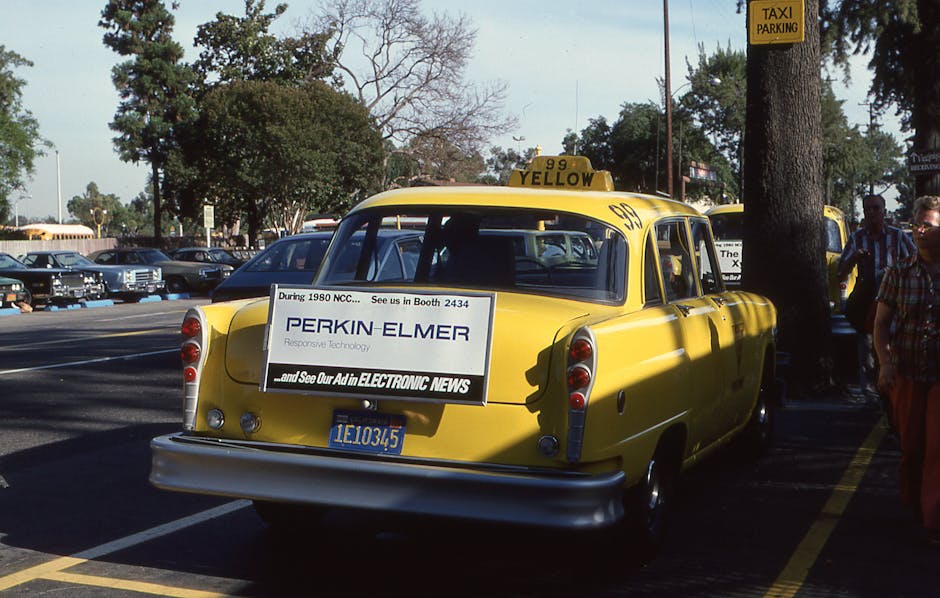
Part of our Advertising in Singapore guide →
Table of Contents
Taxi Advertising Landscape in Singapore
Taxi advertising Singapore transforms the city’s fleet of taxis and private hire vehicles into mobile advertising platforms that circulate through every corner of the island. With over 40,000 taxis and private hire cars operating daily, this format offers extensive geographic reach and high daily impression counts.
Unlike buses that follow fixed routes, taxis and private hire vehicles travel dynamically based on passenger demand. This means your ad appears across a wide variety of locations throughout the day, from Changi Airport to Orchard Road, from the CBD to suburban estates. The unpredictable movement pattern actually works in your favour by exposing the ad to diverse audiences across multiple areas.
Singapore’s taxi fleet includes operators like ComfortDelGro (the largest), SMRT, Trans-Cab and Prime Taxi. Private hire vehicles from platforms like Grab and Gojek add significant inventory. Each operator offers different advertising options and pricing, giving advertisers flexibility to choose the right partner for their campaign.
Taxi advertising is part of the broader OOH advertising ecosystem and works particularly well when combined with other transit formats like MRT ads and bus advertising for comprehensive commuter coverage.
Taxi Advertising Formats
Taxi advertising offers several distinct formats, each reaching audiences in different ways.
Taxi Wraps
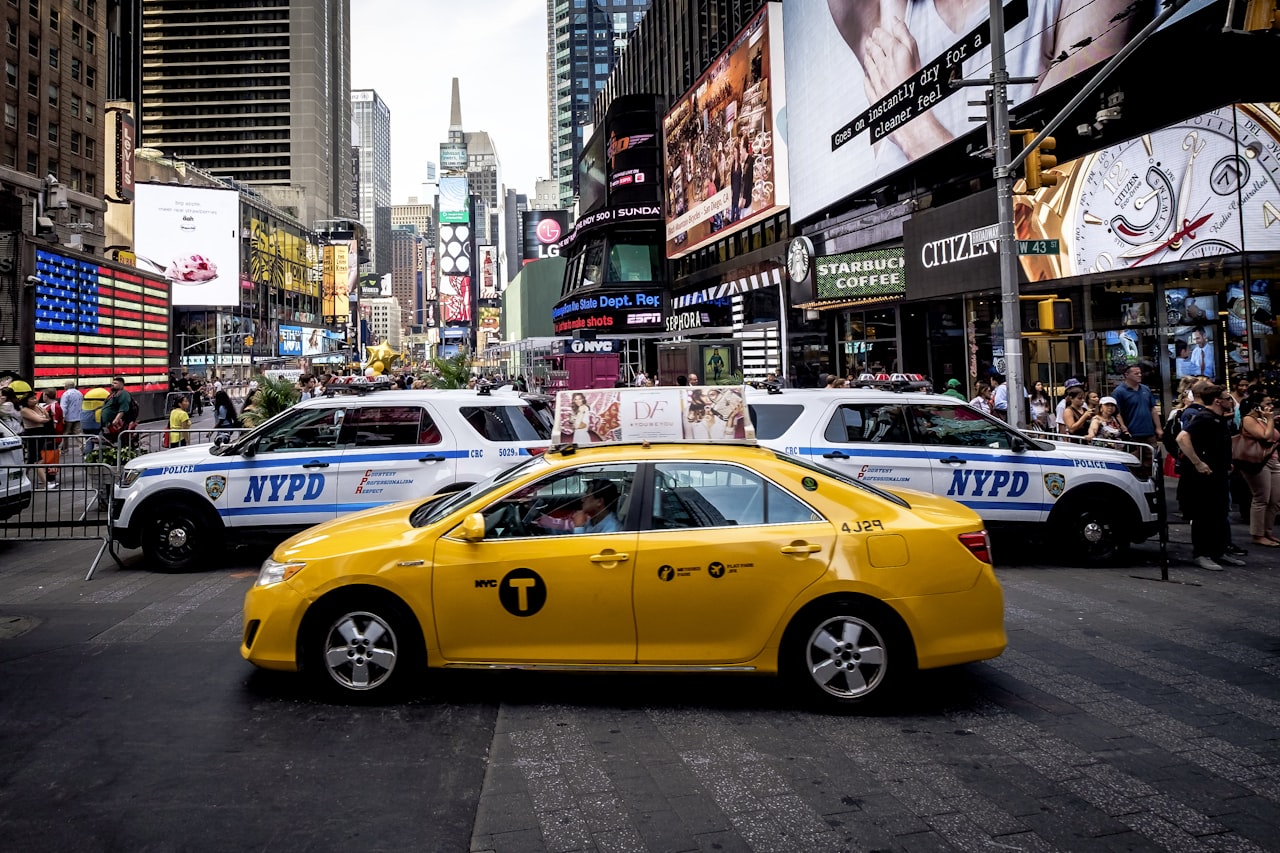
Full or partial wraps cover the exterior of the taxi with branded vinyl. Full wraps create maximum visual impact and turn the entire vehicle into a branded asset. Partial wraps typically cover the doors and rear quarter panels, offering a more affordable alternative while still providing strong visibility.
Rooftop Illuminated Displays
Traditional taxi top lightboxes and newer LED-equipped rooftop displays sit on top of the vehicle, visible to pedestrians and other road users from a distance. Illuminated displays are particularly effective at night when they stand out against the urban landscape. Digital rooftop units can display multiple ads in rotation.
Rear Windscreen Panels
Semi-transparent panels on the rear windscreen face following traffic, creating extended exposure during congested periods. These perforated vinyl panels allow visibility from inside the taxi while displaying your creative to the outside. They are cost-effective and widely available.
In-Car Digital Screens
Tablet-style screens mounted on the back of the front headrests display video ads, interactive content and information to passengers during their ride. This format reaches a captive audience in a one-to-one environment, making it suitable for detailed messaging, promotions and direct response campaigns.
Door Panel Stickers
Stickers on the exterior door panels are visible to pedestrians, especially when the taxi is stationary at traffic lights, taxi stands or picking up and dropping off passengers. These smaller-format placements are budget-friendly and can be deployed across hundreds of vehicles quickly.
Private Hire Vehicle Advertising
The rise of private hire vehicles has created new advertising inventory beyond traditional taxis. Platforms like Grab have developed advertising programmes that leverage their large fleet of driver-partner vehicles.
Grab’s advertising offerings include car wraps for driver-partner vehicles, in-app advertising served to riders during their trip, and partnerships that combine physical car advertising with digital Grab platform exposure. The integration of physical and digital touchpoints within a single platform is a distinct advantage.
Private hire vehicle advertising reaches a demographic that skews younger and more digitally savvy compared to traditional taxi passengers. This makes it suitable for technology brands, lifestyle products, food delivery services and other categories targeting millennials and Gen Z consumers.
One consideration with private hire vehicle advertising is that the vehicles are privately owned, so wrap quality and maintenance may vary. Reputable advertising partners implement quality checks and maintenance schedules to ensure brand standards are maintained throughout the campaign.
Costs and Pricing
Taxi advertising offers a range of price points to suit different budgets.

- Full taxi wraps: S$1,200 to S$2,500 per vehicle per month, plus S$800 to S$1,500 production cost per vehicle
- Partial wraps: S$600 to S$1,200 per vehicle per month
- Rooftop displays: S$400 to S$800 per vehicle per month for static; S$600 to S$1,200 for digital
- Rear windscreen panels: S$300 to S$600 per vehicle per month
- In-car digital screens: S$500 to S$1,500 per vehicle per month depending on content type and frequency
- Door panel stickers: S$150 to S$400 per vehicle per month
Campaign minimums typically require 20 to 50 vehicles for meaningful coverage. A mid-range campaign using 30 vehicles with rear windscreen panels would cost approximately S$9,000 to S$18,000 per month. Fleet-wide campaigns across hundreds of vehicles are negotiated directly with operators at significantly discounted per-unit rates.
In-car screen advertising can also be purchased on an impression or per-ride basis, with CPM rates ranging from S$15 to S$40 depending on targeting options and content format. This model suits advertisers who prefer digital-style buying with measurable delivery.
Targeting and Route Coverage
While taxis do not follow fixed routes, several targeting strategies can concentrate your exposure in desired areas.
Airport taxis operate primarily between Changi Airport and city destinations, reaching an audience of business travellers, tourists and affluent commuters. Advertising on airport-based taxi fleets creates high-value exposure to this premium demographic. For brands already active at the airport, this complements Changi Airport advertising placements.
CBD-focused fleets are taxis that predominantly service the central business district during peak hours. Booking vehicles from ranks at Raffles Place, Marina Bay Sands and Shenton Way concentrates exposure among professionals and executives.
Heartland coverage can be achieved by selecting vehicles from operators with strong suburban presence. Taxis queuing at HDB estate ranks and suburban malls reach a different demographic than CBD-focused vehicles.
Digital rooftop and in-car screen formats can implement geofencing to trigger specific creative when the vehicle enters predefined zones. This allows location-relevant messaging such as displaying a restaurant promotion when the taxi enters the dining district.
Creative Guidelines
Taxi advertising creative must account for the vehicle’s shape, size and movement. Effective taxi ad design follows these principles.
For exterior formats, design with the vehicle’s contours in mind. Work with the production company’s vehicle templates to ensure key elements like logos and headlines are not placed across door handles, wheel arches or window edges. Use bold, simple graphics that read clearly from five to fifteen metres away.
Colour selection matters. Choose colours that contrast with the base colour of the taxi fleet. For ComfortDelGro’s blue taxis, avoid blue-heavy creative. For SMRT’s yellow taxis, steer away from yellow. Strong contrast ensures your ad does not blend into the vehicle’s existing livery.
For in-car screens, create content that engages passengers during an average ride of 15 to 25 minutes. Mix brand storytelling with useful content such as local tips, event listings or promotions. Interactive elements like touch-based games or surveys can increase engagement. Include clear calls to action and ensure your landing page design delivers a seamless mobile experience.
Rear windscreen panels must be designed for the perforated vinyl medium. Use high-contrast images and large text since the perforations reduce visual clarity by approximately 30 percent compared to solid surfaces.
Connecting Taxi Ads to Digital Campaigns
Taxi advertising integrates naturally with digital marketing channels in several ways.
GPS tracking data from taxi fleets can be used to estimate the geographic distribution of your campaign impressions. Cross-reference this data with your Google Ads geographic performance to identify areas where offline and online exposure overlap and reinforce each other.
In-car screen advertising on platforms like Grab offers direct integration with the app ecosystem. Riders can tap through from screen ads to app-based offers, creating a measurable conversion path. This blurs the line between traditional OOH and digital advertising.
For external taxi ad formats, use consistent branding across your taxi fleet and social media campaigns. When consumers see your brand on a taxi and then encounter it again on Instagram or Facebook, the reinforcement effect strengthens recall and purchase intent.
Track branded search volume during taxi campaigns to quantify the digital halo effect. Taxi ads create awareness that drives curious consumers to search for your brand online. Ensure your SEO strategy captures this demand with strong organic rankings for branded terms.
Frequently Asked Questions
How many taxis do I need for a noticeable campaign?
A minimum of 20 to 30 vehicles is recommended for localised impact. For island-wide visibility, 100 or more vehicles creates consistent presence. The more vehicles in your campaign, the higher the frequency of exposure across different parts of Singapore.
Can I advertise on Grab or Gojek vehicles?
Yes. Grab offers advertising programmes including car wraps and in-app advertising. Gojek and other platforms may have similar offerings. Contact the platforms directly or work with OOH media agencies that have relationships with these operators.
How are taxi advertising impressions measured?
Impressions are estimated using GPS tracking data combined with traffic count data for the areas where vehicles operate. In-car screen impressions are measured directly through the digital platform. For broader campaign measurement approaches, see our OOH measurement guide.
What happens if a wrapped taxi is involved in an accident?
Media owners typically carry insurance that covers wrap replacement. If a vehicle is taken out of service due to an accident, the media owner should provide a replacement vehicle to maintain your campaign fleet size. Confirm these terms in your contract.
Is taxi advertising suitable for short-term promotions?
In-car digital screens are ideal for short promotions since content can be updated instantly. External formats like wraps require production time and are better suited for campaigns of three months or longer to justify the installation cost. Rooftop digital displays also support shorter campaign flights.
Can I target specific demographics with taxi advertising?
Targeting is primarily geographic rather than demographic. However, airport taxis skew toward business travellers, CBD-rank taxis reach professionals, and suburban taxis reach families. In-car digital screens on platforms like Grab can leverage rider data for more precise demographic targeting.
How do taxi ads compare to bus ads in effectiveness?
Taxi ads offer wider geographic coverage since taxis are not limited to fixed routes. Bus ads offer predictable, repeated exposure along specific corridors. Taxis are better for broad awareness while buses are better for saturating specific areas. Consider your OOH media plan to determine the right mix.