Part of our Advertising in Singapore guide →
Table of Contents
Why Mall Advertising Works
Mall advertising Singapore reaches consumers in one of the most commercially active environments on the island. Singaporeans are avid mall visitors, with shopping centres serving as social hubs, dining destinations, entertainment venues and retail centres all in one. Major malls attract 50,000 to over 150,000 visitors daily, creating enormous advertising audiences in a concentrated, controlled environment.
What makes mall advertising especially valuable is the audience mindset. Visitors come to malls with the intention to browse, eat, socialise and spend. They are in an active consumption mode, making them more receptive to advertising messages and brand experiences than commuters rushing through a train station or drivers glancing at a billboard.
Mall advertising also benefits from extended dwell times. The average mall visit in Singapore lasts 90 minutes to two hours, during which visitors pass multiple advertising touchpoints as they move between stores, food courts and amenities. This repeated exposure within a single visit reinforces brand messaging effectively.
As part of a broader OOH advertising strategy, mall advertising fills a critical role by reaching consumers at the point closest to purchase. While billboards and transit ads build awareness during the commute, mall ads influence decision-making in the retail environment itself.
Mall Advertising Formats
Singapore’s shopping centres offer a rich variety of advertising formats catering to different objectives and budgets.

Digital Atrium Screens
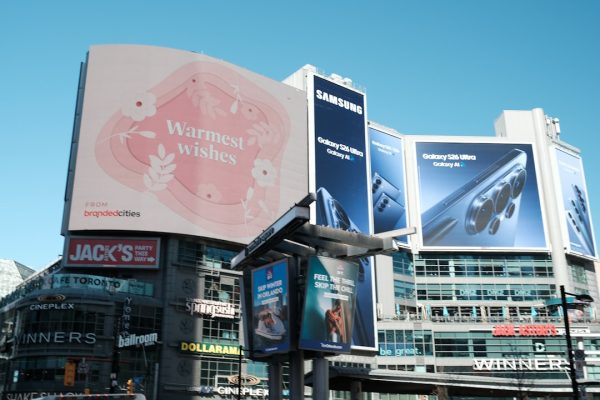
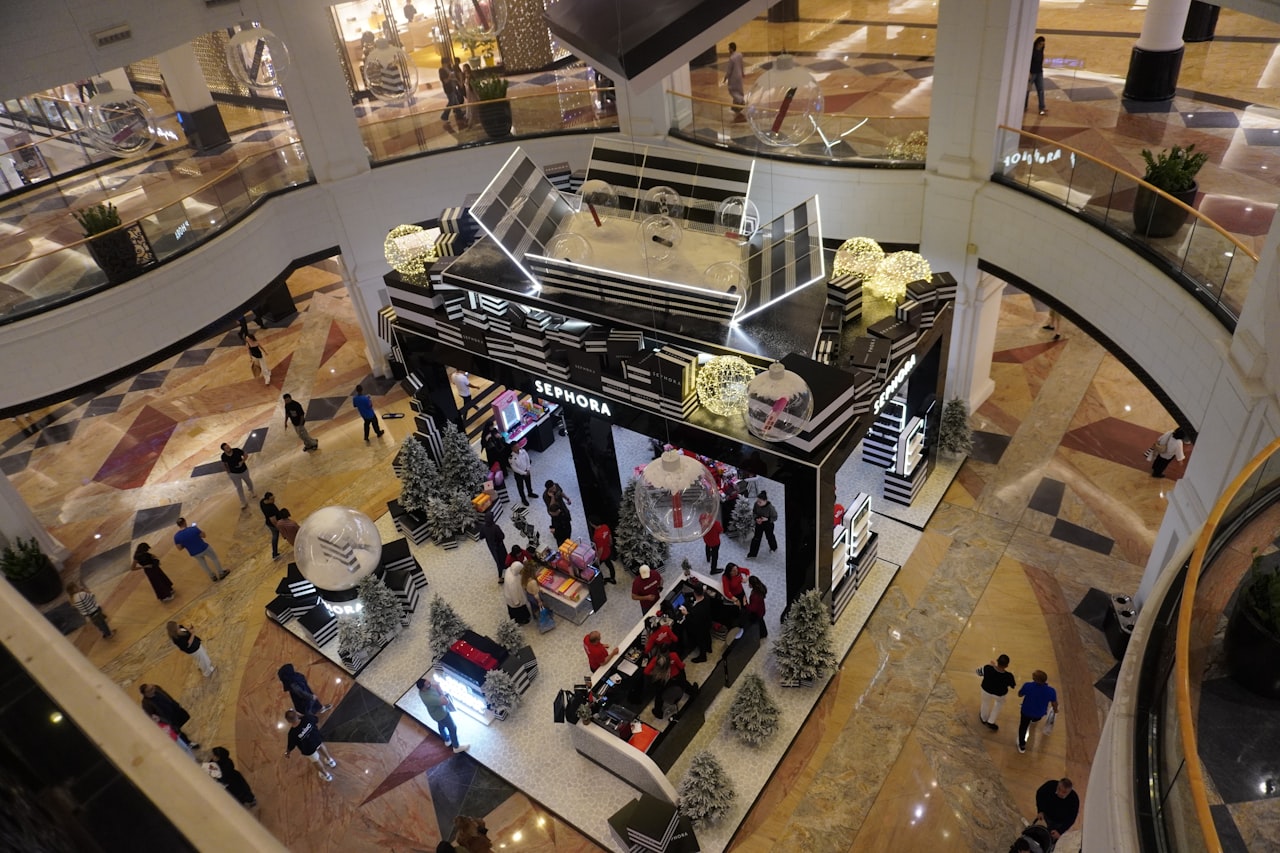
Large LED or LCD screens in mall atriums and central concourses command attention through their size and prime positioning. Atrium screens are typically the highest-traffic spots in a mall and are used for brand awareness, product launches and seasonal campaigns. Video content and eye-catching animation maximise the impact of these premium placements.
Directory and Wayfinding Screens
Digital directory screens that shoppers use to find stores also display advertising content. These screens have natural engagement as visitors actively look at them for information. Advertising on directory screens reaches consumers at a moment of active attention, making it effective for driving foot traffic to specific tenants or promotions.
Escalator and Lift Lobby Panels
Panels alongside escalators and in lift lobbies capture commuter attention during transitions between floors. Escalator panels can be sequenced to tell a story as shoppers ride up or down. Lift lobby screens reach every visitor who uses the lift, providing high frequency in a compact viewing environment.
Pillar Wraps and Floor Graphics
Structural pillars wrapped in campaign graphics create three-dimensional brand presence throughout the mall. Floor graphics guide foot traffic and capture downward-gazing attention from mobile phone users. Both formats are highly visible and difficult to ignore in the mall environment.
Kiosk and Cart Placements
Branded kiosks in high-traffic corridors combine advertising with direct sales or sampling. These placements range from simple product display counters to fully designed branded environments. Kiosks are particularly effective for product launches, seasonal promotions and direct-to-consumer brands.
Toilet and Mirror Advertising
Panels and digital screens in restroom areas reach a captive audience in a private, uncluttered environment. Mirror-integrated screens in restrooms display ads alongside the visitor’s reflection. While unconventional, restroom advertising offers high recall due to the captive viewing environment and lack of competing messages.
Top Malls for Advertising in Singapore
Mall selection significantly influences campaign effectiveness. Singapore’s top advertising malls include:
ION Orchard is Singapore’s flagship retail destination, attracting affluent shoppers, tourists and young professionals. Its premium advertising inventory includes the iconic Orchard Road-facing LED screen, multiple atrium displays and extensive corridor placements. ION is ideal for luxury, fashion and lifestyle brands.
VivoCity, Singapore’s largest mall by retail space, draws families and mainstream consumers from across the island. Its waterfront location and cinema attract weekend crowds, while weekday traffic includes Sentosa-bound tourists and HarbourFront MRT commuters.
Jewel Changi Airport combines aviation passenger traffic with dedicated retail visitors. Its unique position makes it valuable for travel, lifestyle and premium brands. The HSBC Rain Vortex and Shiseido Forest Valley offer distinctive experiential advertising opportunities. Brands active here often coordinate with Changi Airport advertising for traveller-focused campaigns.
Suntec City and Marina Square serve the CBD lunch crowd and convention visitors. Their proximity to the Suntec Singapore Convention and Exhibition Centre adds event-driven spikes in foot traffic. B2B and professional services brands find strong audiences here.
Suburban malls like Tampines Mall, JEM, Westgate, NEX and Northpoint City serve as heartland anchors with strong daily footfall from surrounding residential populations. These malls offer more affordable advertising rates and reach family-oriented audiences.
Mall Advertising Costs
Mall advertising costs vary significantly by mall tier, format and duration. Here is a general pricing guide for Singapore.
- Premium mall atrium screens (ION, VivoCity): S$5,000 to S$15,000 per month per screen
- Suburban mall digital screens: S$1,500 to S$5,000 per month per screen
- Directory screen advertising: S$1,000 to S$3,000 per month
- Escalator panel sets: S$2,000 to S$6,000 per month
- Pillar wraps: S$1,500 to S$4,000 per pillar per month
- Floor graphics: S$1,000 to S$3,000 per installation per month
- Kiosk spaces: S$3,000 to S$15,000 per month depending on size and mall
- Pop-up spaces: S$5,000 to S$30,000 per week depending on mall and size
Production costs include creative design, printing and installation. Digital screen creative has minimal production costs since files are delivered electronically. Physical installations like pillar wraps and floor graphics incur printing costs of S$500 to S$2,000 plus installation fees.
Most malls require minimum booking periods of one month for screen advertising and one to two weeks for pop-up spaces. Peak periods like Chinese New Year, Christmas and school holidays command premium rates and should be booked two to three months in advance.
Planning a Mall Advertising Campaign
Effective mall advertising campaigns start with clear objectives and audience alignment. Follow this planning framework.
Define your primary objective. Brand awareness campaigns should prioritise high-traffic locations like atrium screens and entrance panels. Product launch campaigns benefit from a combination of screens and sampling kiosks. Foot traffic campaigns for specific retailers should focus on wayfinding screens and directional floor graphics.
Match malls to your target audience. Review each mall’s visitor demographics, which are typically available from the mall management office. Consider factors like average spending power, age distribution, residential catchment area and tenant mix to ensure alignment with your brand positioning.
Select complementary formats within the mall. A multi-touchpoint approach within a single mall creates a surround-sound effect. For example, atrium screens for initial attention, corridor panels for message reinforcement and a kiosk for engagement and conversion. This layered approach outperforms single-format campaigns.
Coordinate timing with mall events and promotions. Malls regularly organise seasonal events, sales periods and themed activities that boost foot traffic. Aligning your campaign with these events amplifies your reach. Mall management can share their event calendars during the planning process.
Integrate with content marketing by creating shareable moments within the mall experience. Whether it is a photogenic installation, an interactive screen or a sampling experience, design elements that visitors want to share on social media for earned amplification.
Pop-Up Spaces and Experiential Marketing
Pop-up stores and experiential activations in shopping malls have become a powerful marketing format in Singapore. They combine advertising presence with direct consumer engagement, product trial and data capture.
Successful mall pop-ups in Singapore share several characteristics:
- Prime location in high-footfall areas such as atrium spaces, main corridors or entrance foyers
- Visually distinctive design that creates a branded environment and attracts attention from passing shoppers
- Interactive elements such as product sampling, customisation stations, photo opportunities or games
- Staff trained to engage visitors, tell the brand story and capture leads or drive transactions
- Social media integration through dedicated hashtags, share-worthy visual elements and instant content creation
Pop-up durations typically range from one week to three months. Shorter activations of one to two weeks create urgency and exclusivity. Longer installations of one to three months allow for sustained engagement and word-of-mouth growth.
Mall landlords actively seek interesting pop-up concepts that enhance the visitor experience. Brands with strong visual identity and interactive concepts may negotiate favourable rates or partnerships with mall management, especially during quieter periods when malls want to boost footfall.
Connecting Mall Ads to Digital Channels
Mall advertising delivers its strongest ROI when integrated with digital marketing channels. The connection between physical mall presence and online activity creates a multiplier effect.
Use Google Ads location extensions and local campaigns to target consumers near the mall during your campaign period. Serve digital ads to mobile devices within the mall’s geofence to reinforce your physical advertising message and drive visitors to your kiosk or retail partner.
Leverage social media marketing to extend mall campaign reach beyond physical visitors. Share behind-the-scenes content from pop-up installations, encourage user-generated content from mall visitors and run paid social campaigns targeting audiences who have visited the mall.
Track the digital trail from mall advertising. Monitor increases in branded search volume, website traffic and social media followers during campaign periods. Use unique promo codes, QR codes on mall screens and dedicated landing pages to attribute online activity to the mall campaign.
Programmatic DOOH buying allows you to integrate mall screen campaigns with your broader digital media plan. Manage mall screens alongside other digital channels through unified demand-side platforms for consistent targeting and measurement.
Ensure your website can handle traffic from QR codes scanned in the mall. Mobile-optimised landing pages with fast load times and clear calls to action convert mall-generated interest into measurable digital engagement.
Frequently Asked Questions
Which Singapore malls have the highest foot traffic?
VivoCity, ION Orchard, Jewel Changi Airport, NEX and Tampines Mall consistently rank among the highest foot traffic malls. However, the right mall for your campaign depends on audience fit, not just total visitor numbers. A niche brand may perform better in a curated mall like Design Orchard than in a mass-market megamall.
How far in advance should I book mall advertising?
Standard screen advertising can be booked four to six weeks in advance. Pop-up spaces in premium malls should be secured two to three months ahead, especially for peak periods. Some iconic positions like the ION Orchard outdoor screen may need booking four to six months in advance.
Can I advertise in a specific mall without having a store there?
Yes. Mall advertising is available to both tenants and external brands. Some malls offer preferential rates to their tenants, but external advertisers can access most formats. Mall management may review your brand for suitability and alignment with their tenant mix.
What is the minimum budget for mall advertising in Singapore?
You can start with a single digital screen in a suburban mall for approximately S$1,500 to S$3,000 per month. For meaningful impact, budget at least S$8,000 to S$15,000 per month for a multi-format presence in a single mall or distributed screens across several malls.
How do I measure mall advertising ROI?
Track QR code scans and unique URL visits from mall placements. Use footfall tracking to measure store visits. Monitor branded search and website traffic during campaign periods. For pop-ups, measure direct sales, lead captures and social media engagement. See our OOH measurement guide for more methods.
Are pop-up stores worth the investment?
Pop-ups can be highly effective for product launches, seasonal campaigns and direct-to-consumer brands. They provide physical brand experience, product trial opportunities and data capture. Costs are higher than screen advertising but the engagement depth and conversion potential are significantly greater.
Can mall advertising target specific demographics?
Yes, through mall selection and placement timing. Luxury malls attract higher-income shoppers. Family malls in suburban areas reach parents. Timing also matters, with weekday lunchtimes reaching office workers and weekends attracting leisure shoppers and families.
What content works best on mall digital screens?
Short video content of 10 to 15 seconds with bold visuals, minimal text and a clear call to action performs best. Product demonstrations, lifestyle imagery and promotional offers with urgency elements like countdown timers drive the strongest response in the retail environment.