Billboard Advertising in Singapore: Locations, Costs and Effectiveness
Table of Contents
Why Billboards Still Matter
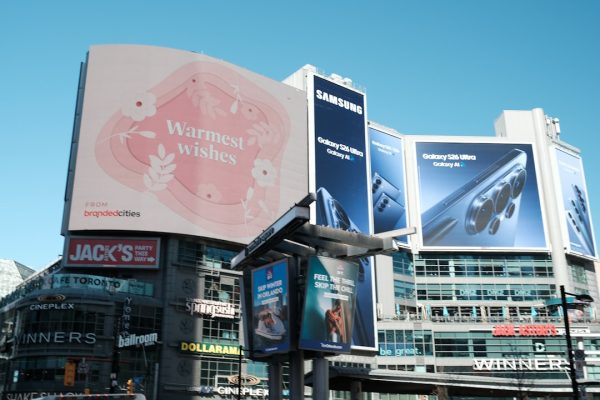
Billboard advertising Singapore remains one of the most powerful tools for building brand awareness in a market where attention is increasingly fragmented. Despite the rise of digital marketing channels, billboards offer something no screen can replicate: large-format, always-on visibility in the physical world that cannot be skipped, blocked or scrolled past.
In Singapore’s dense urban environment, premium billboard locations deliver hundreds of thousands of daily impressions. A single billboard on the CTE near Braddell can be seen by over 200,000 vehicles per day. This scale of reach is difficult to match with any other single advertising placement.
Billboards also carry an implicit prestige signal. Consumers associate billboard advertising with established, credible brands. A brand that can afford a prominent Orchard Road billboard or a massive Marina Bay display is perceived as successful and trustworthy. This perception effect goes beyond simple awareness and influences brand consideration and purchase intent.
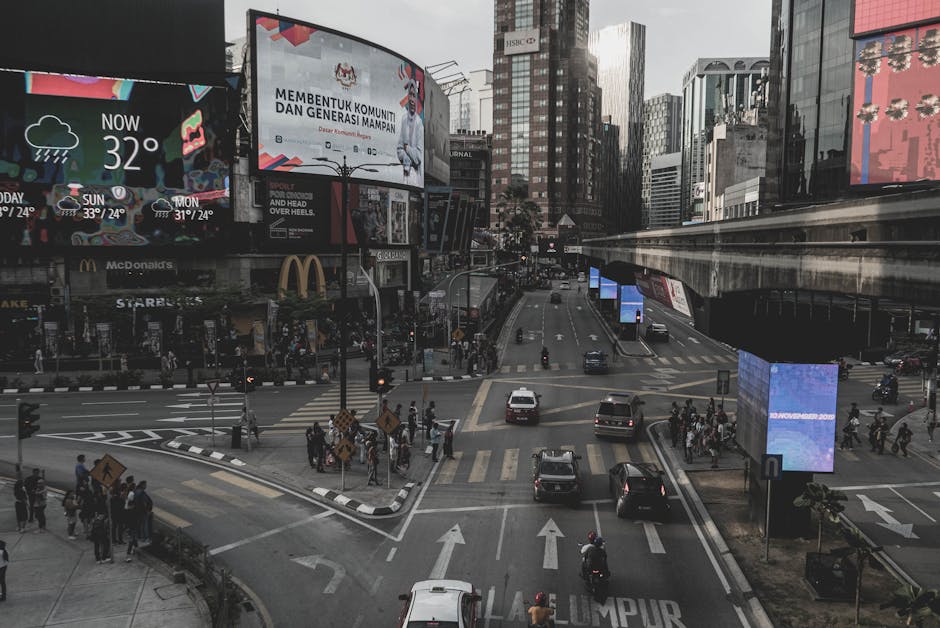
Modern billboard advertising has evolved well beyond static printed posters. Digital billboards, LED screens and interactive displays have transformed the medium into a dynamic, flexible channel that can change creative in real time. Combined with other OOH advertising formats and integrated with digital marketing, billboards are more effective than ever.
Types of Billboards in Singapore
Singapore’s billboard landscape includes several formats, each with distinct characteristics and applications.
Traditional Static Billboards
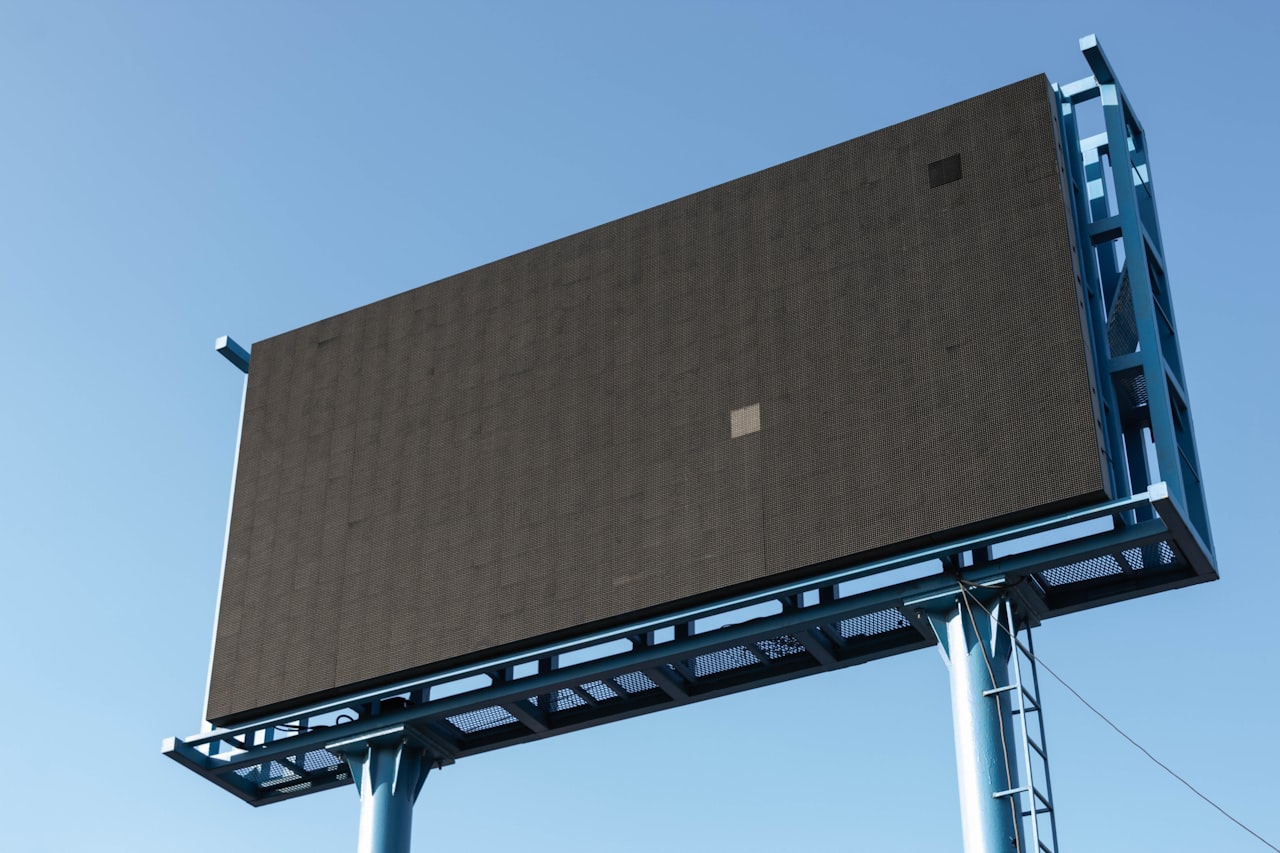
Large-format printed billboards are the classic OOH format. Sizes range from standard 3-metre by 6-metre panels to massive building wraps spanning entire facades. Static billboards offer 100 percent share of voice as your ad is the only one displayed. They are cost-effective for long-term brand building campaigns.
Digital LED Billboards
High-resolution LED screens display rotating digital content, typically in 10 to 15-second slots shared among multiple advertisers. Digital billboards allow dynamic creative including video, animation and real-time content. They can be booked in shorter flights and allow creative changes without production costs. This format is part of the growing digital out-of-home ecosystem.
Spectaculars and Building Wraps
These are oversized installations on building facades, construction hoardings or purpose-built structures. Spectaculars create landmark visibility and are often used for major brand launches, movie releases and luxury brand campaigns. Some include three-dimensional elements or special lighting effects.
Expressway Gantry Signs
Mounted on overhead gantries across expressways, these signs face oncoming traffic directly. They benefit from mandatory viewing as drivers look ahead. Gantry signs are available on the PIE, CTE, AYE, ECP and other major expressways.
Street-Level Panels
Smaller billboards and light boxes at street level along pedestrian thoroughfares like Orchard Road, Bugis and Chinatown reach foot traffic. These panels are at eye level and allow for more detailed viewing than elevated expressway billboards.
Premium Billboard Locations
Location is the single most important factor in billboard advertising. Singapore’s premium billboard locations include:
The Orchard Road corridor is the most sought-after billboard location in Singapore. Billboards along Orchard Road, Scotts Road and Tanglin Road reach shoppers, tourists and professionals. The ION Orchard digital screen and Paragon building wrap are iconic placements that command premium rates.
The Central Expressway (CTE) offers high-traffic billboard positions near Braddell, Toa Payoh and the Ayer Rajah Expressway junction. With daily traffic exceeding 200,000 vehicles, CTE billboards deliver massive reach to a broad demographic of commuters.
Marina Bay and the CBD offer premium positions on buildings along Shenton Way, Collyer Quay and Marina Boulevard. These locations reach the financial and business community and benefit from the dramatic Marina Bay skyline backdrop.
Changi area billboards along the East Coast Parkway (ECP) reach airport-bound traffic and East Coast residents. These positions are valuable for travel, hospitality and aviation brands as well as advertisers targeting the affluent East Coast demographic.
Jurong East and Bukit Timah corridors serve the western residential population and are growing in value as Jurong Lake District develops into Singapore’s second CBD. Other expressway positions on the PIE, AYE and KPE offer additional high-traffic options.
Billboard Advertising Costs
Billboard costs in Singapore are driven primarily by location, size and format. Here is a general pricing guide.

- Premium static billboards (Orchard Road, CBD): S$15,000 to S$35,000 per month
- Expressway static billboards: S$8,000 to S$20,000 per month
- Suburban static billboards: S$3,000 to S$10,000 per month
- Digital LED screens (share of voice): S$3,000 to S$12,000 per month for a standard rotation slot
- Building wraps and spectaculars: S$20,000 to S$80,000 per month depending on size and location
- Street-level panels: S$1,500 to S$5,000 per panel per month
Production costs for static billboards include printing (S$1,000 to S$5,000 depending on size), installation (S$500 to S$2,000) and removal at campaign end. Digital billboard creative production is more affordable as it only requires digital file delivery to the media owner’s content management system.
Most billboard contracts have a minimum booking period of one to three months. Premium locations often require six to twelve-month commitments and may have waiting lists. Digital billboards offer more flexibility with some allowing monthly or even weekly bookings.
Measuring Billboard Effectiveness
Billboard effectiveness can be measured through several complementary methods.
Traffic count data provides the foundation for impression estimates. The Land Transport Authority publishes traffic flow data for major roads, and media owners supplement this with their own vehicle and pedestrian counts. These figures give you an estimated daily audience for each billboard location.
Brand tracking studies measure the impact on awareness, consideration and purchase intent. Conduct baseline surveys before the campaign and follow-up surveys during and after to quantify the billboard’s contribution. This is the most direct measure of billboard effectiveness.
Digital response metrics bridge offline and online. Track branded search volume increases during the campaign period. Monitor direct traffic to campaign URLs or QR code landing pages. Measure social media mentions and engagement related to the billboard. Your SEO data and Google Ads data will show any uplift in brand-related searches.
For a comprehensive measurement framework applicable to all outdoor advertising, read our OOH advertising measurement guide.
Designing Effective Billboard Creative
Billboard creative must communicate instantly. Drivers and pedestrians give billboards three to five seconds of attention at most. Every design decision should serve clarity and speed of comprehension.
The rules for effective billboard design are well established:
- Limit text to seven words or fewer. Ideally, use just three to five words
- Use one dominant visual element that tells the story without needing to read the text
- Ensure readability from 100 metres away for expressway billboards and 20 metres for street-level panels
- Use high-contrast colour combinations. Dark text on light backgrounds or light text on dark backgrounds
- Make your brand logo prominent, occupying at least 15 percent of the billboard area
- Include a simple call to action such as a URL, phone number or store location
- Avoid cluttered layouts with multiple messages, offers or product images
For digital billboards, take advantage of motion and dynamic content but keep animations simple. Overly complex animations are distracting and may not be fully absorbed in a short viewing window. Use movement to draw attention to your key message rather than as decoration.
Strong billboard creative aligns with your broader branding strategy to ensure consistency across all touchpoints. The billboard should be instantly recognisable as your brand even before the viewer reads any text.
The Billboard Buying Process
Booking billboard advertising in Singapore involves several steps and stakeholders.
- Identify objectives and budget. Determine whether you need broad reach or targeted location presence, and establish your monthly budget for media and production.
- Research available inventory. Contact media owners directly or work with an OOH media agency that has access to multiple owners’ inventory. Key media owners in Singapore include JCDecaux, Clear Channel, Moove, SPH Media and various building owners.
- Request proposals. Provide your brief including target audience, campaign dates, budget and preferred locations. Media owners will respond with available positions, pricing and audience data.
- Evaluate and negotiate. Compare proposals on cost per thousand impressions, location quality, share of voice and contract terms. Negotiate pricing, especially for longer commitments.
- Confirm booking and develop creative. Once positions are confirmed, begin creative production in parallel with permit applications if required.
- Production and installation. Allow two to four weeks for printing, delivery and installation of static billboards.
- Campaign monitoring. Conduct site visits to verify installation quality and document placements for your records.
For guidance on allocating budget across billboard and other OOH formats, refer to our OOH media planning guide.
Frequently Asked Questions
What is the most effective billboard location in Singapore?
The most effective location depends on your target audience. For broad consumer reach, CTE and PIE expressway positions deliver the highest traffic volumes. For prestige and retail audiences, Orchard Road is unmatched. For business audiences, CBD and Shenton Way locations are optimal.
How long should a billboard campaign run?
A minimum of four weeks is needed for any measurable impact. Twelve weeks is ideal for brand awareness campaigns, as it allows sufficient frequency for the message to embed in consumers’ minds. Tactical campaigns promoting events or sales can run for shorter periods.
Are digital billboards better than static billboards?
Neither is inherently better. Static billboards offer 100 percent share of voice and consistent presence. Digital billboards offer flexibility, dynamic creative and lower entry costs since you share the screen with other advertisers. The choice depends on your objectives, budget and campaign duration.
Can small businesses afford billboard advertising?
Yes. Suburban static billboards start from S$3,000 per month, and digital billboard slots can be even more affordable. Small businesses should focus on locations near their store or service area for maximum relevance rather than chasing high-traffic premium positions.
What permits are needed for billboard advertising?
Billboard advertising requires permits from relevant authorities including BCA for structural installations and URA for certain zones. Most media owners handle the permitting process as part of their service. New billboard structures require planning and building approvals that can take several months.
How do I know if my billboard is working?
Track branded search volume, website traffic from campaign URLs, QR code scans and social media mentions during the campaign period. Compare these metrics to pre-campaign baselines. For deeper insight, commission a brand lift study through a research agency.
Can I negotiate billboard prices?
Yes. Billboard pricing is negotiable, especially for longer commitments, multiple locations with the same media owner, off-peak periods and remnant inventory. Working with an OOH media agency can provide additional leverage through their buying volume.
What is the difference between billboard CPM and digital CPM?
Billboard CPM (cost per thousand impressions) is typically S$3 to S$15, which is comparable to or lower than many digital channels. However, billboard impressions are estimated rather than directly measured, and they represent opportunity to see rather than confirmed views. Despite this, billboard CPM remains highly competitive for brand awareness objectives.