Part of our Advertising in Singapore guide →
Table of Contents
Why Cinema Advertising Is Effective
Cinema advertising Singapore delivers your message to an audience that is seated, attentive and emotionally engaged in one of the most immersive media environments available. In a world of fragmented attention and ad avoidance, the cinema offers something increasingly rare: a captive audience giving sustained attention to a large screen in a darkened room without competing distractions.
Singapore’s cinema market is robust, with approximately 15 million admissions annually across more than 250 screens operated by major chains. The audience skews younger and more affluent than the general population, with strong representation in the 18 to 44 age bracket, a demographic that is notoriously difficult to reach through traditional media.
Research consistently shows that cinema advertising achieves the highest recall rates of any advertising medium. Studies by industry bodies like the Cinema Advertising Council and Millward Brown have found that cinema ads generate two to three times higher unaided recall than television ads, and five to seven times higher than online video ads. This is driven by the full-attention viewing environment, large screen format, premium sound quality and absence of competing stimuli.
Cinema advertising also benefits from positive emotional transfer. Moviegoers are in a leisure mindset, enjoying an experience they have chosen and paid for. The positive emotions associated with the cinema experience transfer to brands advertised within it, creating stronger affective responses than advertising encountered in neutral or negative contexts.
Cinema Advertising Formats
Cinema advertising in Singapore encompasses multiple formats across the cinema environment, from the screen to the lobby and beyond.

On-Screen Advertising
Pre-show advertisements play on the cinema screen before the feature film. These range from 15-second spots to 60-second spots, airing in a curated sequence during the pre-show window of 15 to 20 minutes before the film starts. On-screen ads benefit from the full impact of the cinema screen: massive visual scale, surround sound and complete audience attention.
Slide and Static Ads
Static advertisements or slow-rotating slides display during the early pre-show period when the house lights are still on and the audience is settling in. These are more affordable than full-motion on-screen ads and are effective for awareness-level messaging with simple creative.
Lobby Digital Screens
Digital screens in cinema lobbies, concession areas and ticketing zones reach moviegoers during arrival and departure. Lobby screens capture attention during the browsing and queuing period, which can last 10 to 30 minutes. These screens are increasingly part of broader digital out-of-home networks.
Concession Area Branding
Branding on popcorn buckets, drink cups, napkins and concession counter displays reaches moviegoers during the snack purchase and consumption experience. This format creates direct physical interaction with branded materials and can include promotional codes or QR links.
Poster Cases and Standees
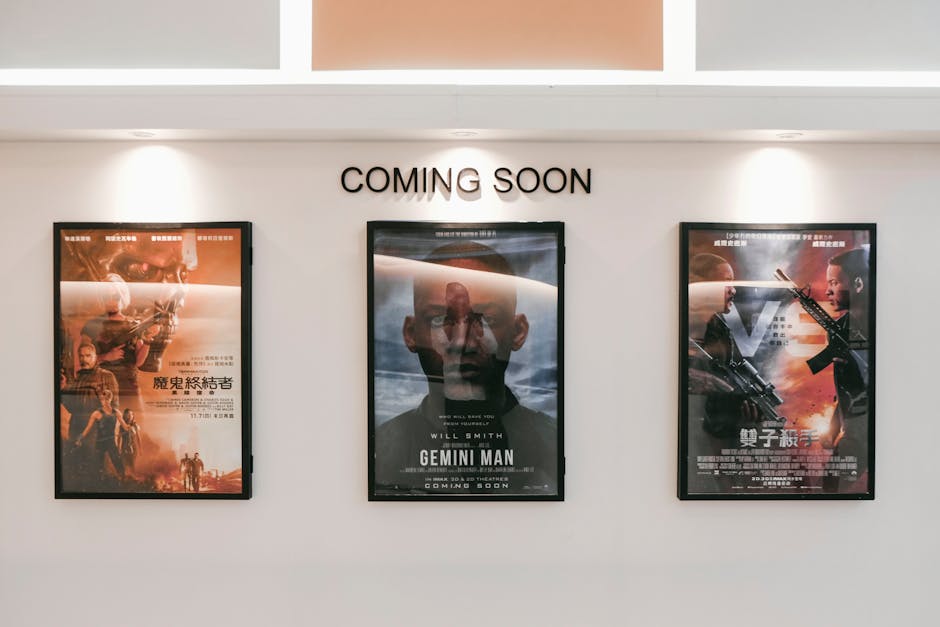
Illuminated poster cases and free-standing display units in cinema corridors and lobby areas provide traditional advertising presence. These formats work well for movie-adjacent promotions, entertainment brands and lifestyle advertisers.
Experiential and Sponsored Activations
Custom activations in cinema lobbies include branded photo opportunities, product sampling stations, interactive displays and sponsored screening events. These experiential formats create deeper engagement than passive advertising and generate social media content for organic amplification.
Major Cinema Chains in Singapore
Understanding Singapore’s cinema landscape helps you select the right chain and locations for your campaign.
Golden Village (GV) is Singapore’s largest cinema chain with locations across the island including premium outlets at VivoCity, Great World City, Suntec City and Tampines. GV offers a range of premium formats including Gold Class, GVmax large-format screens and Dolby Atmos halls. GV’s locations in major malls combine cinema advertising with mall advertising opportunities.
Shaw Theatres operates cinemas in key locations including Jewel Changi Airport, JCube, Waterway Point and nex. Shaw offers IMAX screens at some locations, providing premium large-format advertising environments.
Cathay Cineplexes operates premium outlets at locations including Cineleisure Orchard and AMK Hub. Cathay’s Orchard Road location is particularly valuable for reaching the young, trend-conscious demographic that frequents the area.
Filmgarde and other independent operators serve niche markets and provide cost-effective alternatives to major chains. These smaller operators can be effective for localised campaigns targeting specific neighbourhoods.
Each chain manages its own advertising sales or works with dedicated cinema advertising sales houses. Contact chains directly or through OOH media agencies for availability and pricing.
Cinema Advertising Costs
Cinema advertising costs in Singapore vary by format, chain, location and campaign duration.

- On-screen 30-second spot: S$3,000 to S$8,000 per screen per four-week cycle
- On-screen 15-second spot: S$1,500 to S$5,000 per screen per four-week cycle
- Pre-show slide ads: S$500 to S$1,500 per screen per four-week cycle
- Lobby digital screens: S$1,000 to S$4,000 per screen per month
- Concession area branding: S$5,000 to S$15,000 per outlet per month
- Experiential activations: S$10,000 to S$50,000 per activation depending on scale and duration
Network packages that cover all screens within a chain or across multiple chains are available at discounted per-screen rates. A national cinema campaign covering all major chains could cost S$50,000 to S$150,000 per month depending on format and rotation frequency.
Production costs for on-screen spots include video production (S$5,000 to S$30,000 depending on complexity), cinema format mastering (S$500 to S$1,500 per version) and distribution to individual venues. High production value is essential for cinema given the large screen and sound system quality.
Audience Targeting and Movie Selection
Cinema advertising can be targeted through several dimensions to improve campaign efficiency.
Movie genre alignment matches your brand with relevant content. Action and superhero films attract younger male audiences. Romance and drama films skew female. Animated and family films reach parents and children. Horror films attract teens and young adults. Selecting your ad to run only before specific genre categories improves audience relevance.
Rating-based targeting uses film ratings (PG, PG13, NC16, M18, R21) to filter audience age groups. Advertisers targeting families can restrict to PG and PG13 films. Brands targeting adults can focus on NC16 and above.
Location-based targeting selects specific cinema outlets based on catchment demographics. Premium cinemas in the CBD and Orchard Road attract affluent professionals. Suburban cinemas in heartland malls reach families and the general population. Select outlets that match your customer profile.
Daypart targeting runs your ads during specific time slots. Weekday afternoon screenings reach retirees and shift workers. Weekday evening screenings capture working professionals. Weekend screenings attract families and social groups.
Blockbuster targeting concentrates budget around major film releases that draw large audiences. Marvel, Star Wars, Disney and other franchise releases consistently fill cinemas and offer guaranteed high admissions during opening weeks.
Creative Best Practices for Cinema
Cinema is a premium advertising environment that demands premium creative. A poorly produced ad on a cinema screen will damage your brand perception rather than enhance it.
Invest in production quality. Cinema screens expose every detail. Low-resolution footage, poor lighting, amateur voiceovers and weak visual effects are magnified on a 15-metre screen. Budget for professional-grade production that matches the quality of the movie trailers your ad will appear alongside.
Use the sound system. Cinema’s surround sound system is a major advantage over every other OOH format. Design your audio to leverage spatial sound, rich music and impactful sound effects. Audio is often what captures initial attention from audiences who may not yet be watching the screen.
Tell a story. Cinema audiences are there for stories. Ads that use narrative structure, emotional arcs and compelling characters outperform straightforward product demonstrations. Even in a 30-second spot, there is room for a beginning, middle and end that engages the audience emotionally.
Respect the audience. Moviegoers have paid for their experience and do not want to feel assaulted by aggressive sales messaging. Adopt a tone that entertains, informs or inspires rather than hard-selling. The most effective cinema ads are ones that audiences actually enjoy watching.
End with a clear brand moment. The final five seconds should cement your brand identity with a prominent logo, tagline and call to action. Ensure your brand identity is unmistakable even if a viewer only catches the end of your spot.
Integrating Cinema With Other Channels
Cinema advertising amplifies and is amplified by other marketing channels. Strategic integration maximises the total campaign impact.

Coordinate cinema campaigns with social media marketing pushes. Release your cinema spot on social media platforms to extend its reach beyond the cinema audience. Cinema-quality creative performs exceptionally well on platforms like Instagram and YouTube where production value stands out.
Use cinema to drive search behaviour. After seeing a compelling cinema ad, many viewers will search for the brand or product on their phones. Ensure your SEO and Google Ads are optimised to capture this demand immediately.
Combine cinema with other OOH formats for a multi-touchpoint campaign. A consumer who sees your billboard during the drive to the cinema, your lobby screen while queuing for tickets, and your on-screen ad before the movie receives three sequential exposures that build powerful recall.
Experiential cinema activations create content marketing opportunities. Photo-worthy installations, product launches and sponsored events generate media coverage and social sharing that extend the campaign’s reach well beyond cinema visitors.
For brands that also run lift advertising and transit ads, cinema adds an emotional engagement layer. While lift screens and MRT panels deliver high-frequency awareness, cinema delivers the emotional depth and storytelling that moves consumers from awareness to consideration and purchase intent.
Frequently Asked Questions
How many people see cinema ads in Singapore?
With approximately 15 million cinema admissions annually, a national on-screen campaign running for four weeks can reach 1 to 1.5 million moviegoers depending on the time of year and number of screens booked. Blockbuster release periods generate higher admissions.
Are cinema ads skippable?
No. Cinema on-screen ads play as part of the pre-show sequence and cannot be skipped, fast-forwarded or blocked. This is a major advantage over digital video channels where skip rates can exceed 60 percent. The audience sees the complete ad in full.
What is the ideal length for a cinema ad?
Thirty seconds is the most popular format, balancing storytelling time with cost. Fifteen-second spots work for simple awareness messages from established brands. Sixty-second spots are available for brand launches or campaigns requiring deeper storytelling. Some chains accept 45-second formats.
Can I choose which movies my ad runs before?
Yes, most cinema chains offer movie genre and rating-based targeting. You can select broad categories like action, comedy or family films. Targeting specific individual movies may be possible for major releases but is subject to availability and premium pricing.
How far in advance should I book cinema advertising?
Standard bookings require four to six weeks lead time. Campaigns targeting major blockbuster releases like Marvel films or year-end holiday movies should be booked two to three months ahead. Lobby and experiential activations may need longer planning periods.
Is cinema advertising effective for small businesses?
Cinema can work for small businesses when focused on local outlets and using affordable formats like pre-show slides or lobby screens. The production cost for on-screen spots may be a barrier, but templated or motion graphic-style production can reduce costs while maintaining acceptable quality.
How do I measure cinema advertising ROI?
Track branded search volume during and after the campaign. Use unique promo codes or URLs in the creative. Conduct post-campaign brand tracking surveys. Monitor social media mentions and website traffic patterns. See our OOH measurement guide for more detailed frameworks.
Can I run the same creative in cinema and on social media?
The same core creative concept can be adapted for both channels, but the format should be optimised for each. Cinema versions should leverage the big screen and surround sound. Social media versions need to work in square or vertical format, with subtitles for sound-off viewing, and shorter duration for platform algorithms.