Part of our Advertising in Singapore guide →
PR Event Planning in Singapore: Launch Events, Press Conferences and Media Days
Table of Contents
Types of PR Events and When to Use Them
Effective PR event planning Singapore begins with choosing the right format for your objectives. Different event types serve different purposes, and selecting the wrong format wastes budget while failing to deliver the coverage you need.
Product launch events are the most common PR event format. They give journalists and influencers hands-on experience with your new product or service, creating opportunities for detailed coverage. Launch events work best when the product has visual or experiential elements that cannot be conveyed through a press release alone.
Press conferences are formal events used for significant corporate announcements — major partnerships, funding rounds, market entries, or responses to public issues. They follow a structured format with presentations, Q&A sessions, and one-on-one interview opportunities. Press conferences signal the importance of your announcement and provide efficient access for multiple journalists simultaneously.
Media days and facility tours invite journalists to experience your operations, meet your team, and understand your business at a deeper level. These intimate events build stronger journalist relationships and generate feature-length coverage rather than news briefs. They are particularly effective for manufacturing, F&B, and technology companies with interesting operations.
Executive roundtables and thought leadership events position your leadership team alongside industry peers for discussions on trending topics. These events generate coverage focused on ideas rather than products, building thought leadership credibility. They work well alongside your CEO thought leadership programme.
Hybrid events combining physical and virtual elements have become standard in Singapore post-pandemic. They extend your reach beyond the journalists who can attend in person while maintaining the relationship-building benefits of face-to-face interaction.
Planning Timeline: From Concept to Execution
PR events require significantly more lead time than most people expect. Rushing the planning process almost always compromises the outcome.
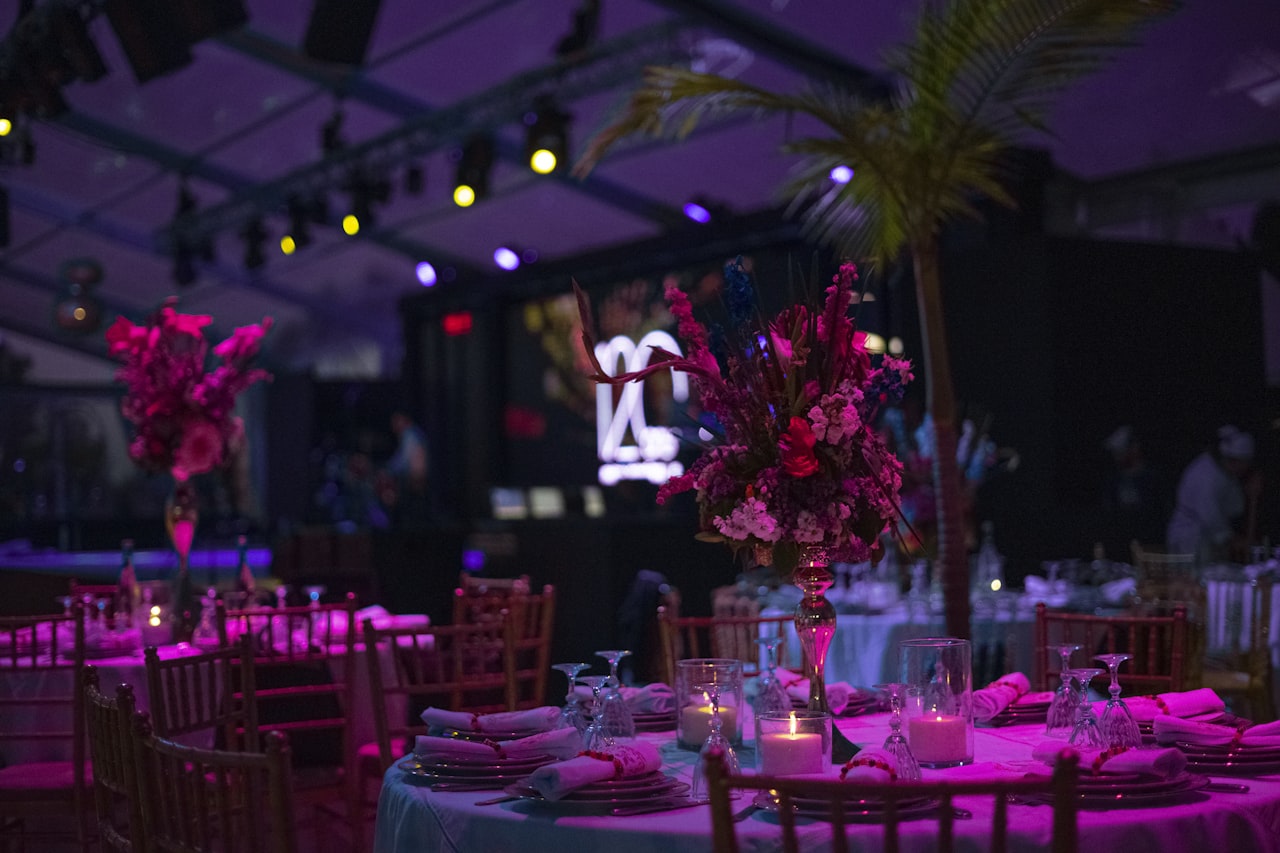
Eight to twelve weeks before the event, define your objectives, key messages, target media, and budget. Identify the event format, date options (avoiding public holidays, major industry events, and competing announcements), and begin venue research. At this stage, also identify your spokespeople and begin preparing them.
Six to eight weeks out, confirm your venue, finalise the event concept and run of show, and begin creating supporting materials — press kits, presentations, media advisories, and visual assets. If your event requires special production (AV, demonstrations, branding), engage vendors now.
Four to six weeks out, send save-the-date notices to your priority media list. For major events, personal outreach to key journalists ensures they block their calendars. Begin coordinating with any third parties involved — partners, guest speakers, demonstration participants. Ensure your website is updated with relevant event information.
Two to three weeks out, send formal media invitations with full event details, logistics, and RSVP information. Follow up personally with priority journalists who have not responded. Finalise all presentation materials, speaking points, and Q&A preparation.
One week out, send reminder invitations, confirm RSVPs, finalise the attendee list, brief all spokespeople, conduct a dry run of presentations and demonstrations, and confirm all logistics (catering, AV, transportation, branding).
Day before the event, set up the venue, test all technology, prepare media kits and welcome materials, and brief the entire event team on their roles and responsibilities. Have contingency plans for common issues — AV failures, late arrivals, unexpected questions.
Venue Selection in Singapore
Your venue communicates as much as your message. The right space reinforces your brand positioning and creates an environment conducive to media engagement.
Consider accessibility for journalists. Central locations near MRT stations are strongly preferred — journalists attend multiple events daily, and a venue requiring a 30-minute taxi ride from the CBD reduces attendance significantly. Marina Bay Sands, Orchard Road hotels, and CBD co-working spaces are popular for their accessibility.
Match the venue to your brand identity and event tone. A fintech launch suits a modern co-working space. A luxury brand event requires a five-star hotel. The venue should reinforce your brand positioning without overwhelming the announcement.
Practical requirements include adequate space plus media setup areas, reliable WiFi for filing stories on deadline, suitable lighting for photography, quiet areas for one-on-one interviews, and appropriate AV capabilities.
Venue hire in Singapore ranges from $500 to $1,500 for co-working event spaces, $2,000 to $10,000 for hotel function rooms, and $1,000 to $15,000 or more for unique venues like galleries and rooftops.
Consider the time of day carefully. Morning events (9:30am to 11:30am) are preferred by most journalists as they do not conflict with afternoon deadlines. Lunch events (12pm to 2pm) work if you provide a quality meal. Evening events (6pm to 8pm) suit lifestyle and consumer brands but may conflict with journalists’ personal time.
Inviting Media and Securing Attendance
Getting journalists to attend your event is often the biggest challenge. Their time is limited, and they receive multiple event invitations weekly. Your invitation strategy must be compelling and respectful.
Build a targeted invitation list of 30 to 50 journalists maximum. Quality attendance matters far more than quantity. Identify journalists who actively cover your industry, have a history of attending events, and write for outlets your target audience reads. Use the media relations principles to inform your selection.
Send personalised invitations that communicate the news value. “Exclusive first look at [product] — addressing the [specific problem] you covered in your [recent article]” demonstrates relevance and value. Every invitation should answer: “Why should I give up two hours for this?”
Offer exclusives or advance access to priority media targets. Allowing a tier-one journalist to test a product 24 hours before the event incentivises attendance and generates pre-event buzz.
Follow up with personal phone calls or LinkedIn messages to priority journalists. Provide practical information including venue address with MRT directions, timing, and what they can expect.
Expect a 30 to 40 percent attendance rate from confirmed RSVPs for most PR events in Singapore. Over-invite accordingly to ensure adequate attendance, but maintain quality control on your invite list.
Event Day Execution and Media Management
Flawless execution on the day requires preparation, clear roles, and flexibility to handle the unexpected.
Assign dedicated media liaisons who greet journalists on arrival, provide media kits, and guide them through the event. Each liaison should be briefed on the attending journalists’ beats, recent coverage, and any specific requests or sensitivities.
Prepare media kits containing a press release, fact sheet, executive biographies, high-resolution images, and contact information. Digital kits via email or a landing page complement physical versions.
Structure the event to respect journalists’ time. Start punctually. Keep presentations to 20 to 30 minutes maximum. Allow ample time for Q&A, interviews, and hands-on product experience.
Facilitate one-on-one interview opportunities between your spokespeople and key journalists. Pre-arrange these where possible, scheduling 10 to 15-minute slots with your most important media attendees. Dedicated interview areas with good lighting and minimal background noise are essential.
Capture content for your own channels during the event. Professional photography, video clips, and live social media updates extend the event’s impact beyond the room. Share real-time content through your social media channels to generate buzz and reach audiences who could not attend.
Have your crisis response protocols ready. If a journalist asks a challenging question during Q&A or if something goes wrong during a demonstration, your spokespeople should be prepared with appropriate responses. Brief them on potential difficult questions beforehand.
Maximising Post-Event Media Coverage
The event itself is only the beginning. Post-event follow-up determines how much coverage you actually earn.
Send a follow-up email within two hours of the event concluding. Include a thank you for attending, links to download high-resolution images and video, the press release and key fact sheets, and availability for follow-up interviews or questions. Journalists working on deadline need these materials immediately.
Follow up individually with key journalists within 24 hours. Ask if they need additional information, offer to arrange follow-up interviews, and provide any materials they specifically requested during the event. Personal follow-up converts event attendance into published coverage.
For journalists who could not attend, send a comprehensive event summary with key announcements, quotes, and supporting materials within 24 hours. Offer phone or video interviews as an alternative. Missing the event should not mean missing the story.
Distribute a wire press release through press release distribution services to reach media who were not on your event invite list. This extends the announcement beyond your direct media contacts and creates a permanent online record.
Repurpose event content across your marketing channels. Blog posts, social media content, video highlights, and email newsletters all extend the life of your event investment. The content created at and around a single event can fuel your content marketing for weeks.
Monitor coverage as it appears and share it through your channels. Thank journalists who publish coverage, share their articles on social media (tagging them), and add press mentions to your website. This amplification maximises the reach of each piece of coverage.
Measuring PR Event Success
Evaluate your event against clear, pre-defined metrics to understand ROI and inform future event planning.
Attendance metrics include the number of journalists who attended versus those invited, the quality of attending outlets (tier one, two, three), and attendance by specific priority journalists you targeted. Compare against your targets and previous events.
Coverage metrics track the volume, quality, and timing of media coverage generated. Count the number of articles, assess the tier and quality of covering outlets, evaluate whether key messages appeared in coverage, and track coverage sentiment. Allow two to four weeks for all coverage to appear — some journalists write features rather than news stories, which take longer to publish.
Digital metrics include website traffic spikes during and after the event, social media engagement with event-related content, backlinks from coverage, and any direct leads or enquiries generated. Use these metrics alongside your broader PR measurement framework for comprehensive evaluation.
Cost per coverage piece divides your total event cost by the number of quality media mentions generated. This metric, while imperfect, helps compare the efficiency of events against other PR tactics like direct pitching or digital campaigns.
Qualitative feedback from attending journalists is invaluable for improving future events. Informal conversations during the event, post-event surveys, and feedback from your media liaisons all contribute to understanding what worked and what did not.
Document all learnings in a post-event report within one week. Include what worked, what did not, what to replicate, and what to change. This institutional knowledge prevents repeating mistakes and builds your team’s event planning capabilities over time.
Frequently Asked Questions
How much does a PR event cost in Singapore?
Small media briefings cost $2,000 to $5,000 including venue, catering, and materials. Mid-scale product launches range from $10,000 to $30,000. Large-scale events with premium venues, production, and entertainment can exceed $50,000. Budget allocation should prioritise elements that directly support media coverage over decorative spending.
How far in advance should I plan a PR event?
Minimum eight weeks for small media briefings. Ten to twelve weeks for product launches and press conferences. Sixteen or more weeks for large-scale events. The most time-consuming elements are usually venue booking (popular Singapore venues book months ahead) and securing media attendance.
What is the best day of the week for a PR event in Singapore?
Tuesday through Thursday are optimal. Monday is often avoided due to weekend backlog and weekly planning meetings. Friday events suffer from lower attendance as journalists wind down for the weekend. Mid-week events also allow time for pre-event follow-up and post-event coverage within the same working week.
Should I invite influencers alongside journalists?
This depends on your objectives. Many journalists prefer events without influencers, as the dynamics differ. If both groups are important, consider separate events or distinct tracks within the same event. If combining, ensure the professional tone is maintained and that journalists receive priority access for interviews and information.
How do I handle journalists who RSVP but do not attend?
This is common in Singapore — expect 20 to 30 percent no-shows even from confirmed attendees. Follow up within 24 hours with event materials and a friendly offer to arrange a private briefing. Do not express frustration — news priorities change, and maintaining the relationship is more important than one event.
Are virtual PR events effective?
Virtual events are effective for announcements that do not require physical product experience. They offer convenience and wider reach but generate less personal connection and typically lower-quality coverage than in-person events. Hybrid formats — a small in-person event with virtual streaming — offer the best of both approaches.
What should be included in a media kit?
A press release, company fact sheet, executive biographies and headshots, high-resolution product or event images, relevant data or research, and PR contact information. Digital media kits should be accessible via a simple download link — avoid requiring registration or login.