Part of our Advertising in Singapore guide →
Table of Contents
What Is Lift Advertising?
Lift advertising Singapore places digital screens and static panels in elevator lobbies, inside lift cabins and on landing areas across HDB flats, condominiums and commercial office buildings. This format reaches Singaporeans in one of the most routine and repeated touchpoints of their daily lives, the lift journey between their home or office and the ground floor.
Singapore’s vertical living landscape makes lift advertising uniquely powerful. Over 80 percent of the population lives in HDB flats, and the majority of commercial activity takes place in multi-storey buildings. This means nearly every Singaporean encounters lift lobbies and cabins multiple times daily, creating extremely high-frequency exposure that is difficult to achieve with any other advertising format.
The lift advertising industry in Singapore has grown rapidly with the proliferation of digital screens. Major players like Focus Media, Moove and other networks have installed screens in thousands of buildings across the island, creating extensive networks that can deliver targeted reach to specific residential demographics or office worker profiles.
Lift advertising is a key component of place-based OOH advertising, reaching people in their daily environments rather than during transit or leisure activities.
Why Lift Advertising Works
Several factors make lift advertising one of the most effective OOH formats for frequency and recall.

Captive environment is the primary advantage. When waiting for a lift or riding in one, people have limited visual alternatives. The screen or panel becomes a natural focal point, especially during the brief but repeated waiting periods that characterise lift usage. Unlike a billboard that competes with traffic, scenery and other distractions, a lift lobby screen has minimal competition for attention.
Extreme frequency sets lift advertising apart from other formats. A typical resident sees the same lift lobby screen four to six times daily, seven days a week. Over a four-week campaign, that translates to 100 or more exposures per person. This repetition drives deep brand recall and message retention that few other channels can match.
Proximity to home and office means lift advertising reaches consumers in their most personal environments. Messages about home services, food delivery, insurance, education and other household-relevant categories resonate strongly because they are encountered in context.
Trusted environment also plays a role. Advertising in a residential building or office lobby carries an implicit endorsement from the building management. Consumers perceive these ads as more trustworthy than random roadside billboards or intrusive online pop-ups.
Complementary reach fills gaps left by other formats. Lift advertising reaches people who may not drive (and therefore miss billboard ads), do not take public transport (missing MRT ads) or spend limited time in malls. It provides guaranteed exposure to residents and workers within selected buildings.
Lift Advertising Formats
Lift advertising in Singapore comes in several formats, each with distinct placement and creative characteristics.
Lift Lobby Digital Screens
Wall-mounted digital screens in the lift waiting area on the ground floor and sometimes on upper landing floors. These screens display rotating content including video ads, static images, building notices and news feeds. Screen sizes typically range from 22 to 55 inches. Content loops of 60 to 120 seconds share time among multiple advertisers.
In-Cabin Screens
Smaller screens mounted inside the lift cabin itself, visible to passengers during their ride. In-cabin screens offer the most captive viewing environment since passengers are enclosed with nowhere else to look. However, ride times are short, typically 15 to 60 seconds, so content must be concise.
Lift Door Panels
Static or semi-permanent panels on the lift doors or the walls immediately adjacent to the doors. These panels are visible both when waiting and as the doors open and close. They offer continuous presence without the shared rotation of digital screens.
Poster Frames
Traditional framed poster slots in lift lobbies, often managed by building management committees or town councils. These are static printed formats and are typically more affordable than digital screens. They are common in older HDB blocks and some commercial buildings.
Interactive Touchscreens
Some newer installations feature touchscreen panels that allow residents to interact with content, access building information and engage with advertising. These premium formats are more common in upscale condominiums and Grade A office buildings.
Targeting by Property Type
Lift advertising allows precise audience targeting through property type selection. Different building categories reach different demographics.

HDB Flats
HDB lift advertising reaches over 80 percent of Singapore’s population. Within HDB, you can further target by town and flat type. Mature estates like Toa Payoh, Ang Mo Kio and Queenstown have older demographics, while newer towns like Punggol, Sengkang and Tengah skew younger with more families. Three-room flats reach a different income bracket than five-room or executive flats.
Condominiums
Condominium lift advertising targets the private property segment, which generally has higher household income and spending power. You can select by district, with condos in Districts 9, 10 and 11 (Orchard, Tanglin, Bukit Timah) reaching the most affluent demographics. Mass-market condos in suburban areas offer broader reach at moderate price points.
Commercial Office Buildings
Office building lift advertising reaches working professionals during business hours. Target by building grade and location. Grade A offices in Raffles Place, Marina Bay and Tanjong Pagar reach senior executives and PMEBs. Business parks in one-north, Changi Business Park and Jurong reach technology, logistics and manufacturing professionals.
Mixed-Use Developments
Integrated developments that combine residential, commercial and retail components offer cross-segment reach from a single location. Buildings like The Sail at Marina Bay, DUO at Bugis and various mixed-use developments across Singapore provide diverse audience exposure.
This targeting precision makes lift advertising an excellent complement to digital marketing campaigns that use similar audience segmentation online.
Lift Advertising Costs
Lift advertising is one of the more affordable OOH formats on a per-unit basis, though effective campaigns require booking across multiple buildings to achieve meaningful reach.
- HDB lift lobby digital screens: S$300 to S$800 per screen per month
- Condominium lobby screens: S$500 to S$1,500 per screen per month
- Office building lobby screens: S$800 to S$2,500 per screen per month
- In-cabin screens: S$200 to S$600 per screen per month
- Static poster frames: S$100 to S$300 per frame per month
Network packages are the most common buying method. Media owners offer packages of 50, 100, 200 or more screens grouped by geography or property type. A 100-screen HDB package might cost S$30,000 to S$60,000 per month, delivering reach to approximately 30,000 to 50,000 households.
Creative production costs are minimal for digital screens since they accept standard video and image files. Static poster printing costs range from S$5 to S$20 per unit depending on size and quantity.
Minimum campaign durations are typically one month. Some networks offer weekly bookings for digital screens, but monthly cycles are standard. Longer commitments of three to twelve months usually qualify for discounted rates.
Creative Guidelines for Lift Screens
Lift screen creative must work within tight time and space constraints. Follow these guidelines for maximum effectiveness.
Keep it simple. A lift lobby screen slot is typically 10 to 15 seconds in a shared rotation. Your message must communicate in this window. Use one key visual, one headline and one call to action. Do not try to cram multiple messages into a single slot.
Design for proximity. Unlike billboards viewed from 50 to 100 metres, lift screens are viewed from one to three metres. This means you can use more detail and smaller text than outdoor formats, but the overall design should still be clean and uncluttered. Avoid text-heavy layouts that feel like print ads.
Use video wisely. Movement catches the eye in a lift lobby, but overly complex animations can be distracting in a quiet residential environment. Subtle motion like text reveals, product rotations or gentle transitions are more appropriate than fast-paced action sequences.
Include a clear call to action. QR codes work exceptionally well in lift environments because viewers are close to the screen, have their phones in hand, and have time to scan while waiting. Direct QR codes to mobile-optimised landing pages built with strong web design principles.
Consider the context. Messaging about home improvement, food delivery, insurance, education and family services resonates in residential lift lobbies. B2B messaging, professional services and career-related content works better in office building lifts. Match your message to where it appears.
Campaign Planning and Execution
A successful lift advertising campaign follows a structured planning process.
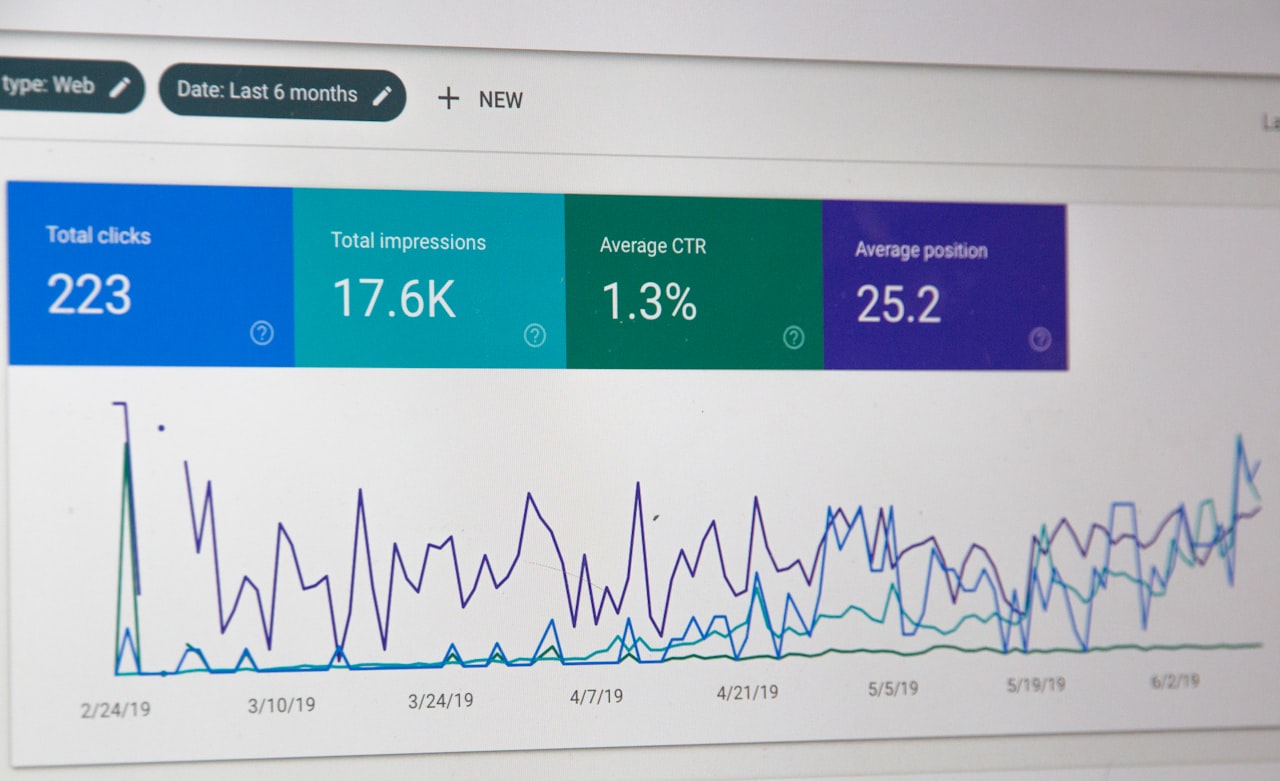
- Define your target audience and map them to property types and locations. Use demographic data from SEO analytics and customer databases to identify where your ideal customers live and work.
- Select a lift media network that covers your target locations. Compare coverage maps, screen quality, content management capabilities and pricing from multiple providers.
- Choose your package size based on budget and reach objectives. Start with a focused test in one area before scaling to island-wide coverage.
- Develop creative tailored to the lift environment. Produce multiple versions if you are running across different property types.
- Set up tracking mechanisms. Create unique QR codes, landing page URLs and promo codes for the lift campaign.
- Launch and monitor. Verify that content is playing correctly through spot checks. Monitor digital response metrics weekly.
- Evaluate and optimise. After the first month, review performance data and adjust screen selection, creative or messaging for subsequent months.
Integrate lift advertising with other transit OOH formats for comprehensive daily touchpoint coverage. A commuter who sees your brand in their HDB lift lobby, again at the bus stop, and once more on a billboard along their route experiences powerful multi-format reinforcement.
Frequently Asked Questions
How many households does one lift screen reach?
A single HDB lift lobby screen typically serves one to two blocks, reaching 200 to 600 households. In condominiums, one screen might serve 100 to 400 units. The actual audience includes all household members plus visitors, so total individual reach is significantly higher than the household count.
Can I target specific HDB towns for lift advertising?
Yes. Lift media networks allow you to select screens by town, estate and sometimes individual block clusters. This geographic targeting is one of lift advertising’s key advantages. You can focus on areas where your customers live or where you want to grow market share.
How often do residents see the same lift ad?
A typical resident sees their lift lobby screen four to six times daily when leaving and returning home and during daytime errands. Over a four-week campaign, this creates 100 to 170 exposures per person, making lift advertising one of the highest-frequency OOH formats available.
What is the best content format for lift screens?
Short video of 10 to 15 seconds performs best, combining motion to attract attention with enough time to communicate one message. Static images work but generate lower recall than video. Audio is typically not used in residential environments to avoid disturbing residents.
Can I change my lift ad creative during the campaign?
Yes. Digital screen networks allow creative changes within 24 to 48 hours. This flexibility lets you update promotions, rotate messaging and test different creative approaches without additional media costs. Static poster formats require physical replacement and are less flexible.
How do I measure lift advertising effectiveness?
Track QR code scans, unique URL visits and promo code redemptions from lift placements. Monitor branded search volume by postal code area. Conduct brand recall surveys among residents in targeted buildings versus control areas. See our OOH measurement guide for comprehensive methods.
Is lift advertising suitable for B2B companies?
Yes, when targeting office buildings. B2B brands in technology, financial services, human resources, office supplies and professional services use office lift screens to reach decision-makers during their workday. The daily repetition builds strong brand awareness among a professional audience.
Do building management committees need to approve lift ads?
Lift media networks have existing agreements with building management committees, town councils and condominium management corporations. The network handles all approvals and relationships. Advertisers work with the media network, not individual building managers. Content must comply with the network’s advertising guidelines and any building-specific restrictions.