Part of our Advertising in Singapore guide →
Table of Contents
What Is Digital Out-of-Home Advertising?
Digital out-of-home advertising Singapore refers to any outdoor advertising that uses digital screens rather than static printed materials. This includes LED billboards, LCD panels in malls, digital bus shelters, lift lobby screens, cinema pre-show displays and interactive kiosks. DOOH has become the fastest-growing segment of the out-of-home industry in Singapore, driven by screen proliferation, programmatic buying capabilities and advertiser demand for flexibility.
The shift from static to digital has fundamentally changed what is possible with outdoor advertising. Where traditional OOH required weeks of production and installation, DOOH creative can be uploaded and changed within hours. Where static billboards display one message to all viewers regardless of time or context, DOOH can serve different creative executions based on time of day, weather conditions, audience composition and real-time data triggers.
Singapore is at the forefront of DOOH adoption in Southeast Asia. The city-state’s advanced digital infrastructure, dense network of commercial properties and tech-savvy population create ideal conditions for sophisticated DOOH campaigns. Major media owners including JCDecaux, Clear Channel, Focus Media and Stellar Ace have invested heavily in expanding their digital screen networks across the island.
DOOH sits at the intersection of traditional OOH advertising and digital marketing, offering the mass reach and physical presence of outdoor media with the targeting and measurement capabilities of online channels.
DOOH Formats in Singapore
Singapore’s DOOH ecosystem spans a wide range of environments and screen types.
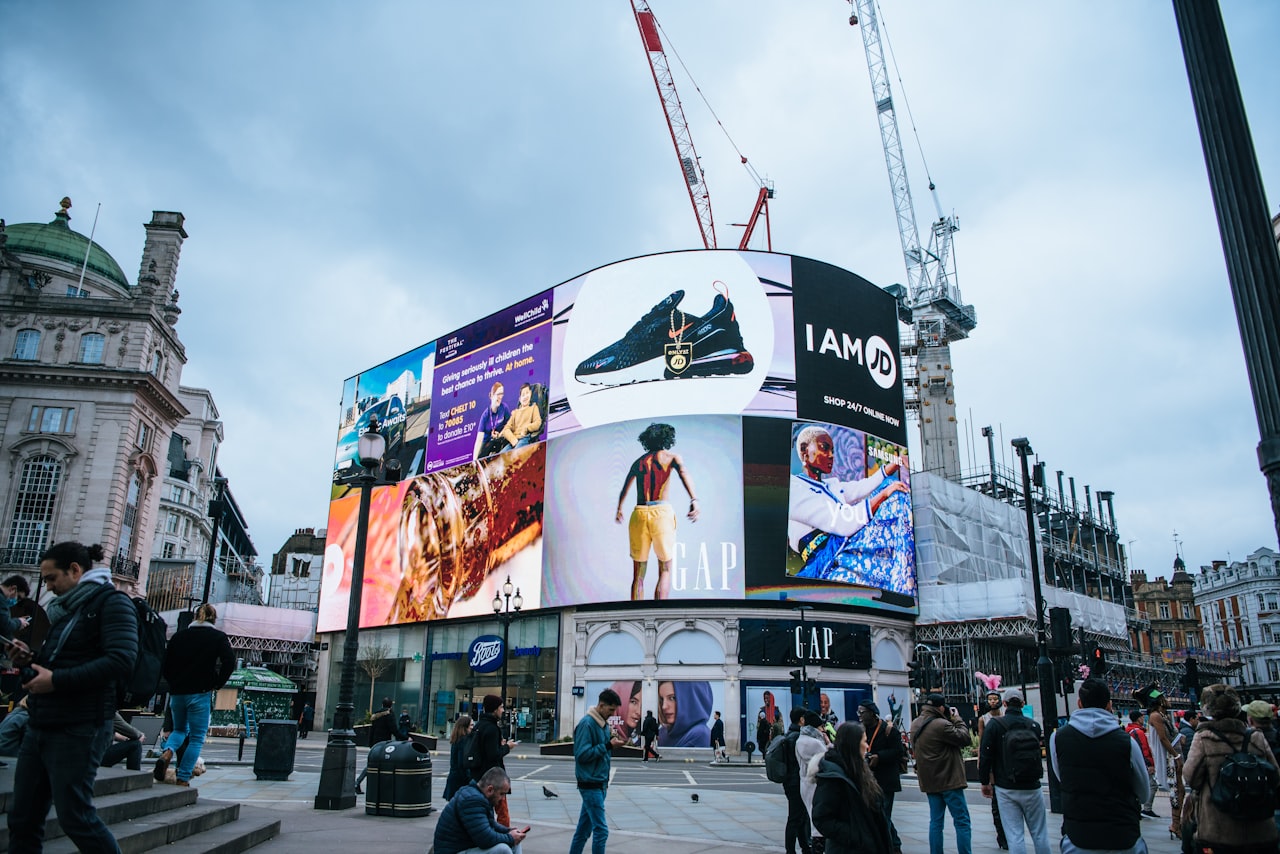
Large-Format LED Billboards
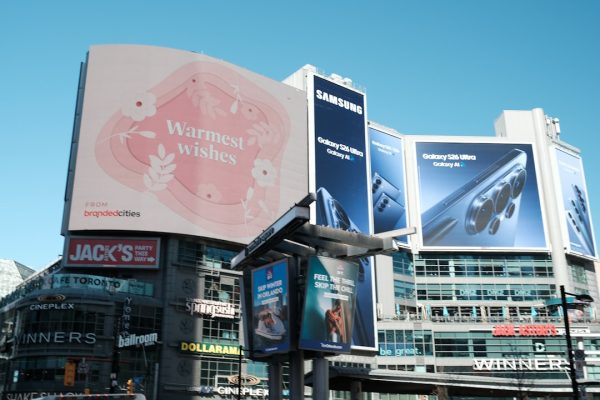
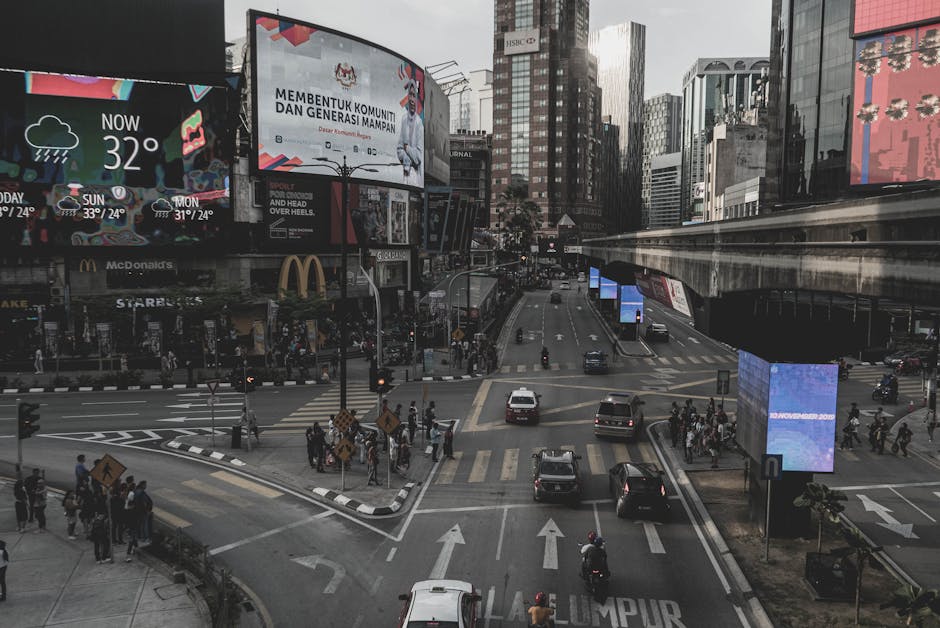
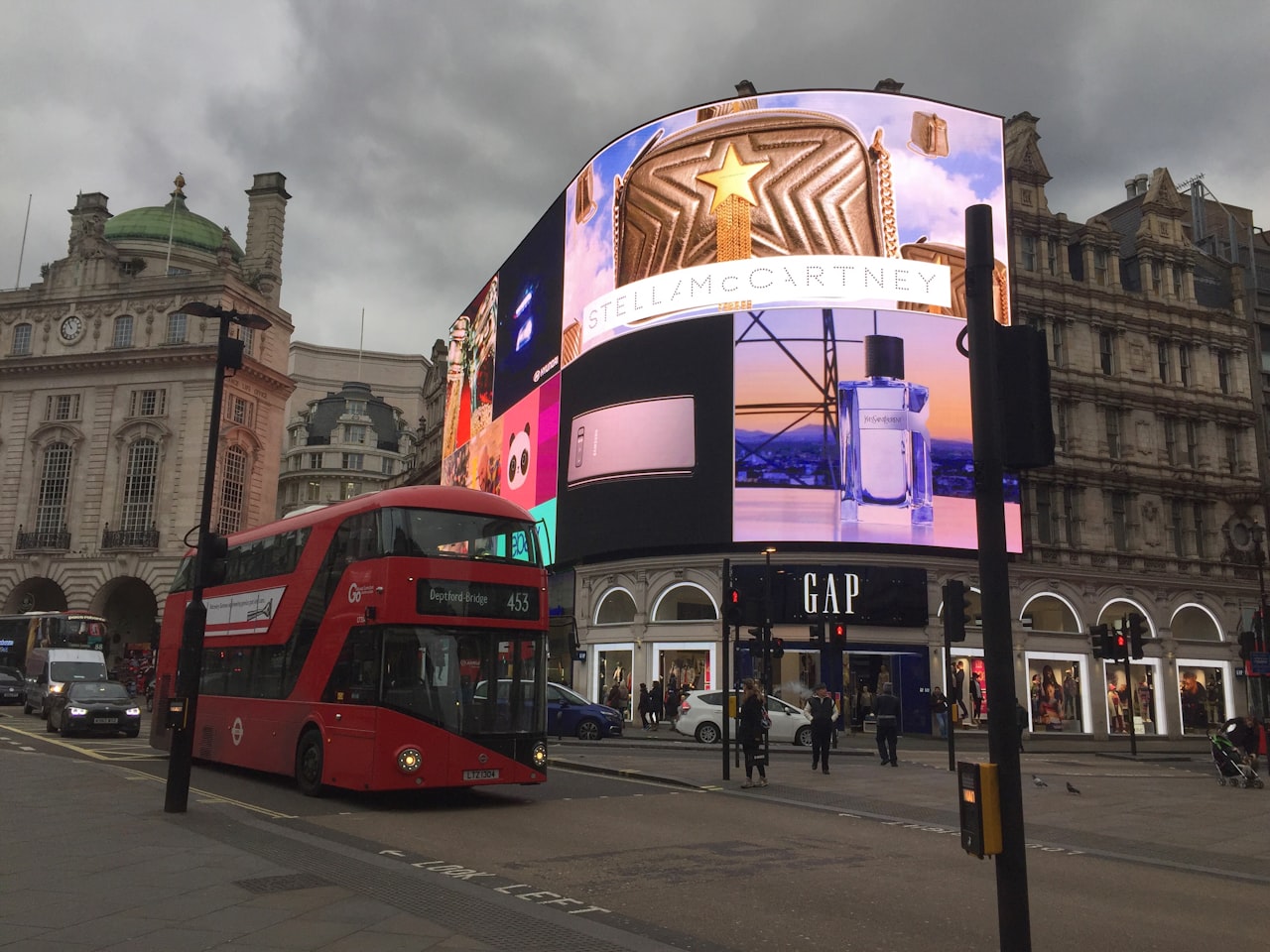
High-resolution LED screens along expressways, at major junctions and on building facades display video and animated content to vehicular and pedestrian traffic. Premium positions include the Orchard Road digital corridor, Marina Bay waterfront and CTE expressway screens. These offer the visual impact of traditional billboards with the added benefit of dynamic content.
Mall and Retail Screens
Digital screens in shopping malls reach consumers in a purchase-ready mindset. Formats include large atrium displays, directory screen takeovers, escalator-side panels and point-of-sale screens near retail outlets. Mall DOOH is particularly effective for retail, food and beverage, and lifestyle brands.
Transit Digital Screens
Screens in MRT stations, bus interchanges and on newer train lines display rotating content to commuters. These screens are typically managed by transit media owners and can be booked as part of broader MRT advertising campaigns or independently through programmatic platforms.
Lift and Office Screens
Digital panels in HDB lift lobbies, condominium lifts, office building lobbies and elevator interiors reach audiences in their daily environments. Lift advertising screens offer high frequency since residents and workers pass them multiple times daily.
Digital Bus Shelters
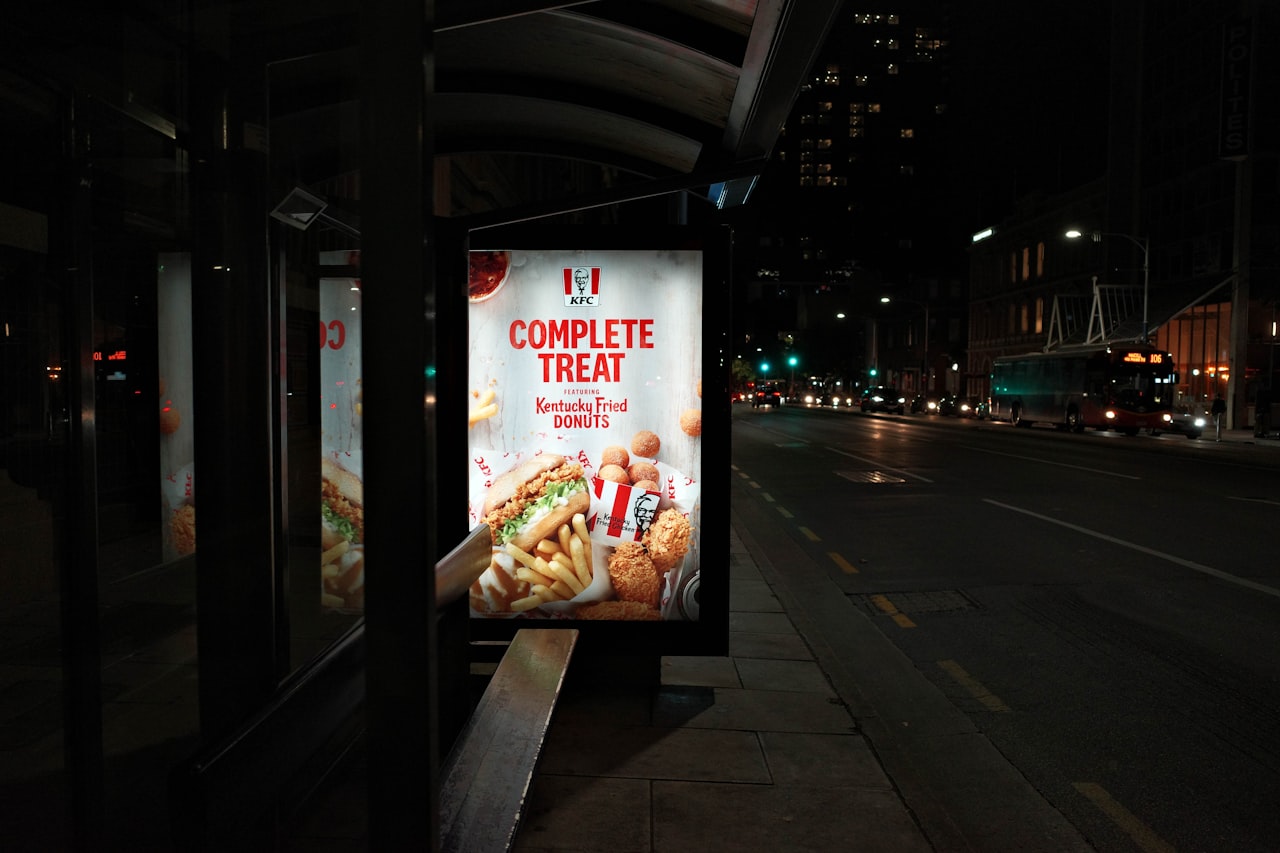
Connected bus shelter screens display dynamic content to commuters and pedestrians. These screens can integrate with real-time bus arrival data, weather feeds and time-triggered creative for contextually relevant messaging.
Interactive Kiosks and Touchscreens
Touchscreen displays in malls, airports and public spaces allow two-way interaction. Consumers can browse product catalogues, participate in games or promotions, and generate leads through data capture. These formats combine advertising with direct engagement.
Programmatic DOOH Explained
Programmatic DOOH applies the automated, data-driven buying model of online advertising to outdoor screens. Instead of booking specific screens for fixed periods, advertisers can buy DOOH impressions through demand-side platforms (DSPs) using audience data, location targeting and real-time bidding.
The programmatic DOOH workflow is similar to online programmatic buying:
- The advertiser or agency sets up a campaign in a DSP with targeting parameters, budget and creative
- The DSP evaluates available screen inventory across multiple media owners through supply-side platforms (SSPs)
- When a screen matches the campaign’s targeting criteria, the DSP bids for the ad slot
- If the bid wins, the creative is served to the screen in real time or near-real time
- Impression data is reported back to the DSP for measurement and optimisation
Key programmatic DOOH platforms available in Singapore include The Trade Desk, Vistar Media, Hivestack, VIOOH and Broadsign. These platforms aggregate screen inventory from multiple media owners, giving advertisers access to thousands of screens through a single buying interface.
Programmatic buying does not replace direct deals entirely. Premium placements like full takeovers and high-impact spectaculars are still typically negotiated directly. Programmatic complements direct deals by adding flexible, data-driven reach across the broader screen network.
Targeting and Data Capabilities
DOOH targeting leverages multiple data sources to deliver ads to the right audiences at the right times and places.
Location-based targeting selects screens in specific zones such as the CBD, Orchard Road, residential estates or near competitor locations. This is the most fundamental targeting layer and is available across all DOOH buying methods.
Audience composition data uses mobile device signals and foot traffic analytics to estimate the demographic profile of people near each screen at different times. This allows targeting by age group, income level, lifestyle interests and other audience attributes without identifying individuals.
Time-based targeting serves different creative at different times. Breakfast ads in the morning, lunch deals at noon, happy hour promotions in the evening. Day-of-week targeting can adjust messaging for weekday commuters versus weekend shoppers.
Weather-triggered creative changes the ad based on current weather conditions. Sunscreen ads during sunny periods, umbrella promotions when rain is forecast, hot beverage campaigns on cooler days. Singapore’s tropical climate with distinct sunny and rainy periods creates natural triggers.
Contextual triggers can include sports scores, stock market movements, countdown timers to events, social media trends and other real-time data feeds. These dynamic elements make the creative more relevant and attention-grabbing.
Buying Models and Pricing
DOOH can be purchased through several buying models, each suited to different campaign needs.
Share of voice (SOV) is the traditional DOOH buying model. You purchase a percentage of a screen’s daily play time, typically in a loop with other advertisers. A 10 percent SOV on a screen playing 10-second slots means your ad appears once every 100 seconds. Pricing is based on SOV percentage, screen location and campaign duration.
Impression-based buying, used in programmatic DOOH, charges per thousand impressions (CPM). Impressions are estimated using audience measurement data and mobile device signals. CPM rates for DOOH in Singapore typically range from S$10 to S$50 depending on screen type, location and targeting specificity.
Fixed-period packages offer dedicated screen time for set durations, often at negotiated rates. These are common for premium placements where advertisers want guaranteed visibility.
DOOH pricing varies widely by format and location:
- Large-format LED billboards: S$3,000 to S$15,000 per month for a standard SOV slot
- Mall digital screens: S$1,500 to S$8,000 per screen per month
- Transit screens: S$1,500 to S$5,000 per screen per four-week cycle
- Lift and office screens: S$300 to S$2,500 per screen per month
- Programmatic campaigns: S$8 to S$25 CPM depending on targeting
Dynamic Creative for DOOH
One of DOOH’s greatest advantages is the ability to serve dynamic creative that adapts to context. Effective DOOH creative goes beyond simply displaying a static image on a digital screen.
Design multiple creative versions for different contexts. Create morning, afternoon and evening versions. Develop weekday and weekend variations. Prepare weather-specific creative. The more versions you produce, the more relevant your messaging becomes.
Keep each creative execution simple. Despite the ability to show video and animation, the core message should communicate in three to five seconds. Movement should draw attention, not distract from the message. Use bold typography and high contrast for readability at distance.
Ensure your creative meets technical specifications for each screen type. Resolution, aspect ratio, file format and file size requirements vary across screen networks. Programmatic DSPs provide specification guides for each connected screen network.
For campaigns that integrate DOOH with social media marketing, design creative that encourages social sharing. Campaigns that display user-generated content, live social feeds or interactive elements generate earned media beyond the paid impressions.
All DOOH creative should align with your broader brand identity to maintain consistency across channels. The dynamic capability of DOOH should enhance your brand expression, not create confusion through inconsistent messaging.
Measuring DOOH Campaign Performance
DOOH measurement has advanced significantly and now approaches the accountability of digital channels.
Impression delivery reports from media owners and programmatic platforms provide verified play counts showing when and where your creative was displayed. This confirms that the campaign ran as booked and provides the baseline for reach calculations.
Audience measurement uses mobile device data and footfall analytics to estimate how many people were near each screen during your ad plays. Companies like Quividi and AdMobilize use computer vision on some screens to count actual viewers and measure attention metrics like dwell time and gaze direction.
Attribution and conversion tracking connects DOOH exposure to downstream actions. Mobile device IDs detected near screens can be matched to app usage, store visits, website traffic and purchase data. This allows you to measure how DOOH exposure influences behaviour along the conversion funnel.
Brand lift measurement through surveys quantifies the impact on awareness, consideration and purchase intent. Compare exposed audiences (detected near screens during your campaign) with control groups to isolate the DOOH effect.
For a comprehensive approach to measuring all forms of outdoor advertising, see our OOH advertising measurement guide. Integrating DOOH data with your Google Ads and analytics platforms creates a unified view of marketing performance across channels.
Frequently Asked Questions
What is the difference between DOOH and traditional OOH?
Traditional OOH uses static printed materials like posters and vinyl wraps. DOOH uses digital screens that display dynamic content. DOOH offers greater flexibility, dynamic creative capabilities, programmatic buying options and more precise measurement. Traditional OOH offers 100 percent share of voice and typically lower media costs for long campaigns.
How does programmatic DOOH differ from online programmatic?
The core auction and targeting mechanics are similar, but DOOH has key differences. DOOH screens are one-to-many (multiple viewers per impression), creative must work at distance without interaction, and measurement relies on estimates rather than direct user tracking. DOOH also cannot use cookies or device-level targeting in the same way as online channels.
What budget do I need for a programmatic DOOH campaign?
Programmatic DOOH campaigns in Singapore can start from as little as S$5,000 for a focused test campaign targeting specific locations and times. Meaningful campaigns typically require S$15,000 to S$50,000 per month for sufficient reach and frequency.
Can I use the same creative for DOOH and social media?
The assets can share visual identity but need to be adapted for each format. DOOH creative must communicate in three to five seconds with minimal text and no sound. Social media creative can be more detailed and include audio. Screen aspect ratios also differ significantly across DOOH networks.
How quickly can I launch a DOOH campaign?
Programmatic DOOH campaigns can launch within 24 to 48 hours if creative is ready. Direct deals typically require two to four weeks for booking confirmation and scheduling. The speed advantage of programmatic makes DOOH suitable for reactive campaigns tied to current events or competitive situations.
Is DOOH suitable for small businesses?
Yes. Programmatic DOOH allows small businesses to buy impressions on premium screens with modest budgets. You can focus on screens near your business location, run during specific hours and set daily budget caps. This flexibility makes DOOH accessible beyond large corporate advertisers.
How do I know which DOOH screens are right for my campaign?
Start with your audience and objectives. For foot traffic, choose mall and transit screens. For broad awareness, select large-format outdoor screens. For B2B audiences, focus on CBD office and lift screens. Programmatic platforms provide audience composition data for each screen to guide selection. Our OOH media planning guide covers format selection in detail.
Can DOOH ads be interactive?
Some DOOH screens support touch interaction, NFC (near-field communication), QR code scanning and camera-based interaction. Interactive capabilities vary by screen type and media owner. Mall kiosks and airport displays are most likely to support interactive features. Standard outdoor LED screens typically display passive content only.