Table of Contents
Inbound Marketing vs Outbound Marketing
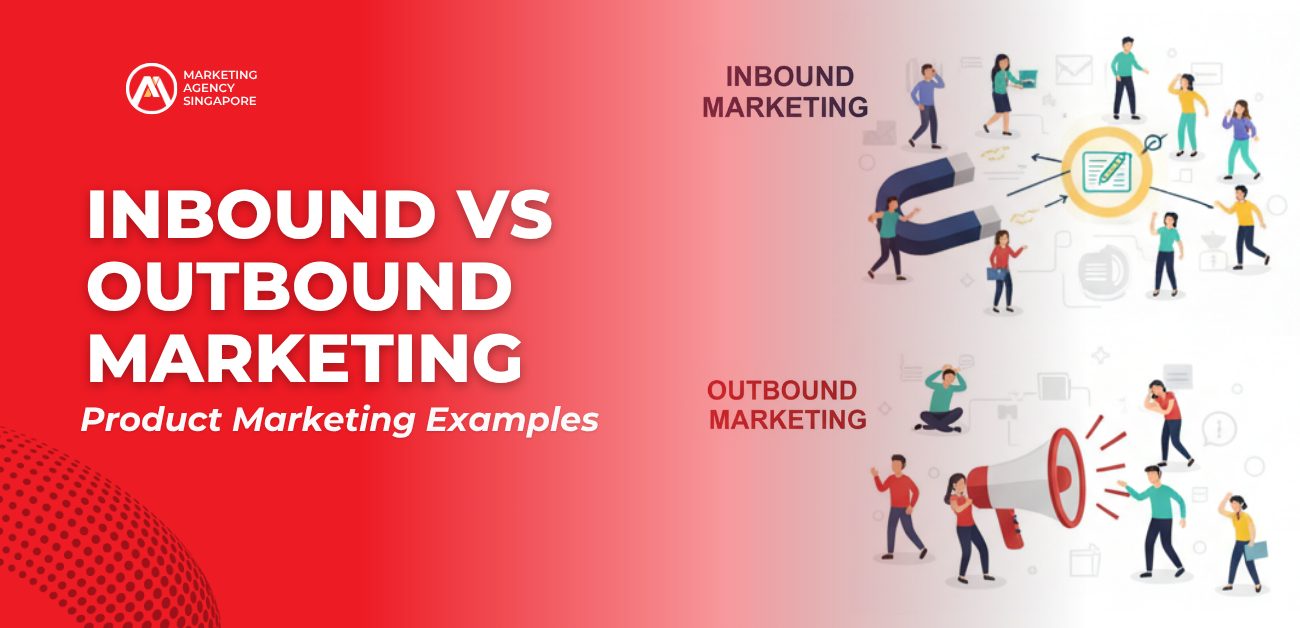
Understanding what is inbound marketing starts with the distinction from outbound. Inbound marketing attracts customers through valuable content and experiences tailored to their needs, rather than pushing promotional messages through interruptive advertising. Instead of competing for attention through cold calls and display ads, inbound earns attention by being genuinely helpful — drawing prospects naturally through search engines, social media and content that addresses their questions.
Outbound marketing sends messages to broad audiences regardless of interest — TV ads, cold calling, cold emailing, direct mail. Inbound marketing creates content attracting people actively searching for solutions — content marketing, SEO, social media engagement and email nurturing for opted-in subscribers.
Key differences: inbound reaches people who gave permission or are actively seeking; inbound pulls through value rather than pushing through placement; inbound is two-way while outbound broadcasts; inbound naturally attracts interested people for higher-quality leads; inbound assets compound in value while outbound stops when you stop paying. In Singapore’s competitive, research-oriented market, inbound aligns with how modern buyers prefer to discover businesses.
The Attract-Engage-Delight Methodology
Attract: Draw the right people through valuable content discoverable via their preferred channels. Publish SEO-optimised blog articles, create resonant social media content, produce educational videos and develop thought leadership. Use buyer personas to ensure you attract the right visitors.
Engage: Build relationships with attracted visitors, converting them into leads and nurturing them toward purchase. Offer lead magnets, implement live chat, send targeted email sequences, create case studies and personalise website experiences. Marketing and sales alignment is critical — sales conversations should be consultative, not pushy.
Delight: Provide exceptional experiences turning customers into promoters. Excellent onboarding, proactive support, loyalty programmes, customer success initiatives and community building all contribute. This stage is often the most neglected — yet retaining customers is far more cost-effective than acquiring new ones, and delighted customers become your most powerful marketing asset through referrals.
Content as the Foundation of Inbound
Every stage of inbound relies on content. Awareness content: blog articles, videos, infographics, social posts and guides attract visitors early in research. Consideration content: case studies, comparison guides, webinars, ebooks and expert interviews help evaluate options. A strong content strategy ensures comprehensive coverage.
Decision content: demos, free trials, consultations, testimonials and detailed service descriptions enable final commitment. Retention content: knowledge base articles, tutorials, customer newsletters and community content keep customers engaged and reduce churn. Every piece should serve a specific purpose — content without strategic intent rarely produces meaningful results.
The Role of SEO in Inbound Marketing
SEO determines whether your content is discoverable. Without it, excellent content remains invisible to your target audience. Keyword research as audience research: analysing searches reveals questions, pain points and information needs directly. Topic clusters and pillar content: a pillar page provides comprehensive coverage while cluster pages address subtopics in depth, demonstrating topical authority.
Organic traffic as the inbound engine: well-optimised content compounds value over time. Investing in professional SEO services accelerates growth. Search intent alignment: content must closely match what users actually seek. Technical SEO as enablement: fast load times, mobile responsiveness, proper indexing and security — a well-built website is a prerequisite for inbound success in Singapore.
Lead Magnets and Lead Capture
Converting anonymous visitors into identifiable leads happens through lead magnets — valuable resources exchanged for contact information. Effective types include comprehensive guides, templates, toolkits, webinar recordings, calculators, free trials, exclusive research and email courses.
Keep forms short — name and email for TOFU offers, more detail for higher-value BOFU offers. Every additional field reduces conversion. Use progressive profiling to collect data over time through subsequent interactions. Place CTAs strategically on every page guiding visitors toward relevant next steps. Optimise landing pages by removing distractions, communicating value clearly and A/B testing elements continuously.
Lead Nurturing and the Buyer’s Journey
Most leads need nurturing before purchasing. The buyer’s journey spans awareness (recognising the problem), consideration (researching solutions) and decision (evaluating providers). What is inbound marketing without nurturing? Just lead generation without conversion.
Email nurture sequences deliver staged content — early emails share educational material, middle emails introduce case studies and comparisons, later emails offer consultations and demos. Lead scoring assigns values based on attributes and behaviours, identifying sales-ready leads. Marketing automation (HubSpot, ActiveCampaign, Pardot) makes nurturing scalable. Content personalisation based on interactions creates increasingly relevant experiences. For Singapore B2B companies with longer sales cycles, effective nurturing through email marketing is essential for converting prospects.
Measuring Inbound Marketing Success
Traffic metrics: Total traffic, organic traffic, traffic by source, new vs returning visitors. Lead generation: Total leads, conversion rate, leads by source, cost per lead, quality distribution. Nurturing: Email engagement, MQL-to-SQL conversion, sequence completion, time from lead to opportunity. Acquisition: Customer conversion rate, CAC, time to conversion, revenue by source. Retention: Retention rate, NPS, CLV, referral rates, upsell rates.

The most important overarching metric is CAC relative to LTV — a healthy ratio of 1:3 or better indicates sustainable growth. For comprehensive digital marketing support encompassing the full inbound methodology, working with an experienced agency accelerates results.
Frequently Asked Questions
Is inbound marketing suitable for all businesses?
Most effective for businesses with research-driven buying processes — B2B, professional services, SaaS, education, healthcare and high-value B2C. Businesses with very short, impulse-driven cycles may find less value. In Singapore’s competitive, research-oriented market, inbound is effective across a wide range of industries.
How long does it take to produce results?
Measurable traffic and lead improvements within three to six months, significant results after six to twelve months. The compounding nature means results accelerate — month twelve produces significantly more than month three. Patience and consistency are essential.
What is the difference between inbound and content marketing?
Content marketing is a component of inbound, not a synonym. Content marketing focuses on creating valuable content. Inbound is broader — encompassing content marketing, SEO, lead capture, nurturing, automation, sales alignment and customer delight. Content is the fuel; inbound is the engine.
Do I need HubSpot for inbound marketing?
No. While HubSpot offers a comprehensive platform, inbound can be implemented with WordPress for content, Mailchimp for email, Google Analytics for measurement and various other tools. HubSpot’s advantage is integration, but it is not a prerequisite.
How much does inbound marketing cost?
A foundational programme (blog content, basic SEO, email): $2,000 to $5,000 per month. Comprehensive with advanced automation and multiple formats: $5,000 to $15,000+. Evaluate against the long-term compounding value of traffic, leads and customers generated.
Can inbound marketing work alongside outbound?
Absolutely. Many successful Singapore businesses use outbound for awareness and reaching new audiences while relying on inbound to nurture and convert. The combination is often more effective than either approach alone — outbound fills the top of the funnel, inbound converts and retains.
What is the biggest mistake businesses make with inbound marketing?
Expecting quick results and abandoning the strategy too early. Inbound is a medium to long-term investment that requires consistent effort. The second biggest mistake is creating content without a strategic framework — publishing random articles without aligning them to buyer personas, funnel stages and business goals.
How does inbound marketing apply to Singapore’s B2B market?
Singapore’s B2B market is particularly well-suited to inbound. Decision-makers are digitally savvy, research-oriented and prefer to self-educate before engaging sales. LinkedIn is the dominant B2B channel, and thought leadership content resonates strongly with Singapore’s professional community. Local context — Singapore regulations, market conditions, pricing in SGD — makes inbound content more relevant than generic international material.
What role does social media play in inbound marketing?
Social media serves the attract stage by distributing content to target audiences and building brand visibility. It also supports engagement through community building and conversation. For Singapore businesses, LinkedIn is the primary inbound social channel for B2B, while Instagram and Facebook support B2C inbound strategies.
How do I get buy-in for inbound marketing from leadership?
Present inbound as a long-term investment with compounding returns, not just a marketing tactic. Show comparative CAC data between inbound and outbound channels. Demonstrate the asset value of content that generates traffic and leads indefinitely versus advertising that stops the moment you stop paying. Start with a pilot programme on a defined timeline with clear KPIs to prove the model before scaling.