What Is Outbound Marketing? Channels, Costs and When to Use It
Table of Contents
Outbound vs Inbound Marketing
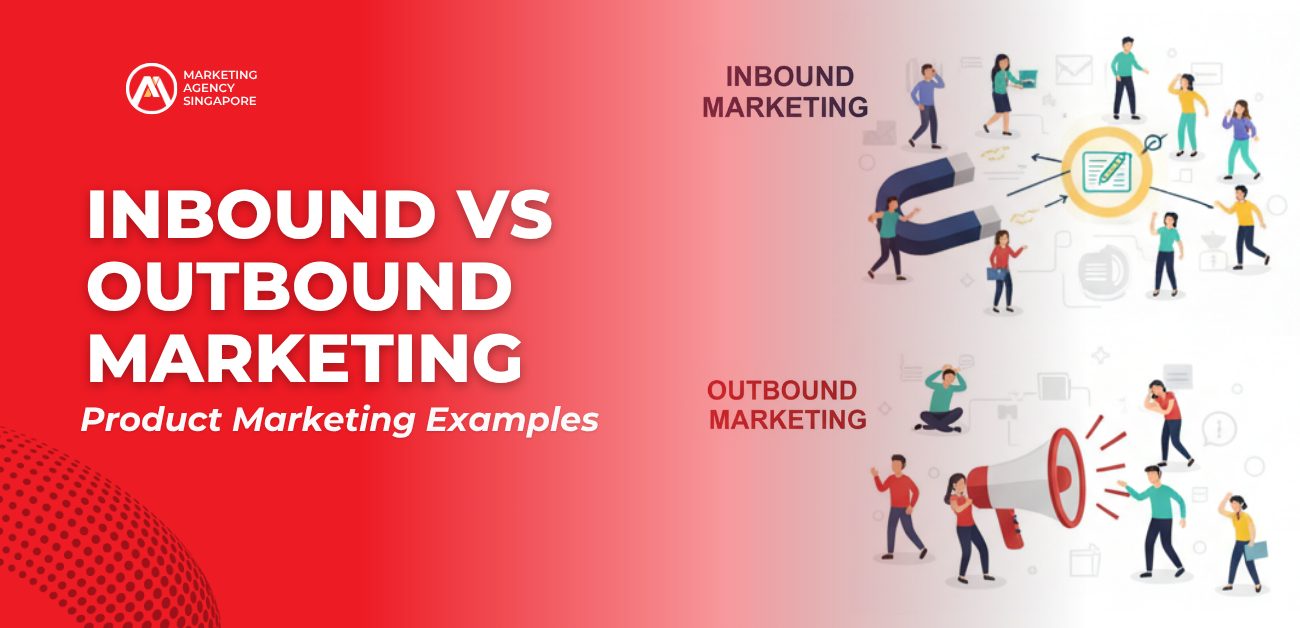
Outbound marketing is a form of marketing in which a business initiates contact with potential customers by pushing messages out through channels such as advertising, cold outreach, direct mail, and trade shows. Unlike inbound marketing, which attracts prospects who are actively seeking information, outbound proactively delivers messages regardless of whether recipients have expressed prior interest.
Inbound marketing pulls audiences inward through valuable content, search engine optimisation, and experiences that draw prospects to the brand naturally. Outbound marketing pushes outward. Inbound targets people who have actively sought relevant content. Outbound reaches audiences based on demographic or firmographic criteria regardless of expressed interest.
The cost dynamics differ fundamentally. Outbound involves upfront costs that produce results for a defined period: a campaign runs, then stops. Inbound assets like blog articles and SEO-optimised pages continue generating traffic long after creation. However, inbound takes months to build momentum. Outbound generates awareness and leads immediately.
The most successful marketing programmes rarely rely on one approach exclusively. Outbound excels at generating broad awareness, reaching new audiences, and accelerating growth. Inbound builds trust, nurtures relationships, and generates cost-effective leads over time. The optimal balance depends on your business model, industry, and growth stage within your overall digital marketing strategy.
Outbound Marketing Channels
Cold email involves sending unsolicited messages to potential customers who have not previously engaged with your brand. When executed well, with personalised, relevant messaging to carefully researched prospects, it can be effective for B2B lead generation. In Singapore, it must comply with PDPA and Do Not Call Registry requirements.

Cold calling remains effective in certain B2B contexts, particularly for high-value products where personal conversation opens doors. Display advertising places visual ads across websites and apps through networks like Google Display Network, primarily for brand awareness and remarketing. For targeted search advertising, see our Google Ads services.
Television and radio reach large audiences for brand building but carry high production and placement costs with limited targeting precision. Print advertising through publications like The Straits Times and The Business Times can reach specific professional segments. Direct mail stands out in an increasingly digital world when well-targeted and creatively executed.
Trade shows and events provide face-to-face opportunities for product demonstrations and relationship building. Singapore, as a global events hub, hosts numerous international conferences across industries. Outdoor advertising through billboards, MRT stations, buses, and digital signage provides high visibility in Singapore’s dense urban environment.
When Outbound Marketing Works Best
When no one knows about your brand yet, inbound alone may be too slow. Outbound tactics rapidly establish awareness and generate early traction. Similarly, when entering a new market, outbound accelerates the process of reaching and educating new audiences. A Singapore company expanding into Malaysia or Indonesia might use outbound advertising and events to build awareness quickly.
For high-value B2B sales, direct outreach to decision-makers can be more efficient than waiting for them to discover your content. Well-researched, personalised approaches to key accounts generate opportunities that inbound alone would miss. Time-sensitive campaigns, such as seasonal promotions, event registrations, or limited-time offers, benefit from outbound’s immediacy.
Some products solve problems that prospects do not yet recognise. Outbound creates awareness of both the problem and the solution simultaneously. For competitive displacement, targeting competitors’ customers with personalised offers plants seeds for future switching, particularly in industries with long contract cycles.
Outbound Marketing Costs
Television advertising in Singapore is among the most expensive channels, with prime-time spots costing tens of thousands of dollars for airtime alone plus production costs. Radio is more affordable, particularly for local audiences during commute times.
Display advertising budgets scale from a few hundred dollars per month to substantial sums, with CPMs ranging from a few dollars to over SGD 10 depending on targeting. Cold email is inexpensive in direct costs but the cost per qualified lead can be high when response rates are low.
Trade show presence in Singapore ranges from a few thousand dollars for a simple booth at a smaller event to six figures for major international conferences. Direct mail costs include design, printing, and postage, with personalised pieces generating significantly better response rates. Outdoor advertising varies by location and format, with CBD and expressway placements commanding premium rates.
When evaluating costs, look beyond raw spend to cost per lead, cost per acquisition, and return on investment. An expensive campaign that generates high-quality leads at an acceptable acquisition cost is a sound investment.
Measuring Outbound Effectiveness
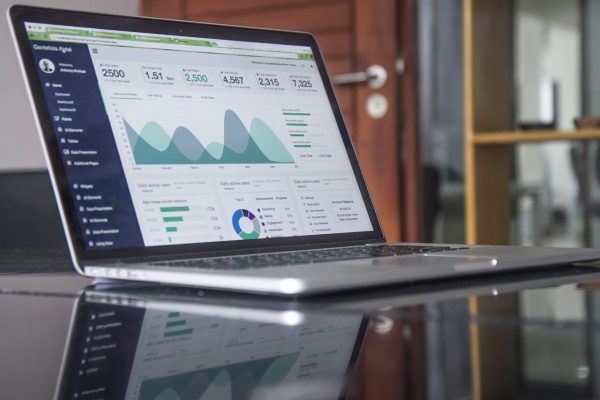
Digital outbound channels benefit from the same tracking capabilities as other digital marketing: impressions, clicks, conversions, and ROAS measured with precision through UTM parameters, conversion pixels, and CRM integration.
Traditional outbound measurement relies on brand lift studies, unique promo codes, website traffic analysis during campaigns, dedicated tracking phone numbers, and customer surveys asking how they heard about you. Multi-touch attribution models attempt to distribute credit across touchpoints, acknowledging that a customer may see a TV commercial, then a display ad, then search your brand on Google before converting.
Establish baseline metrics before launching campaigns so you can measure incremental impact. Track reach, frequency, response rate, cost per lead, cost per acquisition, pipeline generated, and revenue attributed. While traditional channel measurement is less precise than digital, directional data is far better than no data at all.
Combining Inbound and Outbound
The most effective strategies use both approaches as complementary forces. Outbound builds awareness and drives initial traffic. Inbound nurtures those audiences through the buyer journey. A display campaign drives visitors to a blog article, which offers a downloadable guide, followed by an email nurture sequence, leading to a sales conversation.
Retargeting bridges the two beautifully. A visitor who discovers your website through organic search can be retargeted with social media ads that keep your brand visible. Content-powered outbound, where cold emails share genuinely useful resources rather than sales pitches, dramatically improves response rates by leading with value.
Account-based marketing combines the targeting precision of outbound with the value-creation philosophy of inbound, identifying specific high-value accounts and delivering personalised content through both channels. Data flows between approaches: inbound insights about which topics generate engagement inform better outbound campaigns, while outbound sales feedback about objections and needs informs better content creation.
Outbound Marketing in Singapore
Singapore’s compact geography and dense business population mean outbound campaigns can reach a large proportion of the target market efficiently. For B2B businesses, the relatively small number of companies in any given industry makes account-based outbound particularly feasible.

The PDPA governs outbound activities, particularly cold email and SMS. The Do Not Call Registry requires checking before conducting outreach, and non-compliance carries significant fines. Singapore is a major events hub, providing high-quality outbound opportunities through trade shows and conferences. The world-class public transport system and dense urban environment create excellent outdoor advertising opportunities.
Integration with digital channels is essential in Singapore’s connected market. A billboard that directs to a specific landing page, a trade show presence that captures leads for email nurturing, a direct mail piece with a QR code linking to online content: these integrated approaches maximise outbound investment. The key is being strategic, targeted, and compliant rather than blanketing the market with untargeted messages.
Frequently Asked Questions
Is outbound marketing dead?
No. Untargeted mass tactics have become less effective, but targeted, personalised, value-driven outbound remains powerful, particularly for B2B, new market entry, product launches, and time-sensitive campaigns. The most successful businesses combine outbound and inbound strategically.
What is the average response rate for outbound marketing?
Cold email sees 1-5% response rates, with highly personalised campaigns achieving more. Direct mail averages 2-5%. Cold calling connection rates range from 5-15%. Display click-through rates sit below 1%. Targeting quality and personalisation are the biggest factors influencing results.
How much should I budget for outbound marketing?
A small business might allocate SGD 2,000 to SGD 5,000 per month for digital outbound. Larger businesses investing in traditional channels may spend SGD 20,000 to SGD 100,000 per campaign. Define objectives, select channels strategically, and measure results to ensure positive returns.
Can outbound marketing work for small businesses?
Yes, particularly digital outbound with lower cost barriers. Cold email, targeted display advertising, local direct mail, and participation in business events are all accessible at modest budgets. The key is being highly targeted rather than spreading budget thin.
How do I comply with PDPA when doing outbound marketing in Singapore?
Check the Do Not Call Registry before sending marketing messages. Obtain consent before adding contacts to lists. Include clear unsubscribe mechanisms. Maintain consent records. Protect personal data with appropriate security. Process opt-out requests promptly.
Is outbound marketing more expensive than inbound?
On a per-lead basis over time, inbound is typically more cost-effective because assets keep generating leads. Outbound costs stop producing when spend stops. However, outbound delivers results immediately while inbound takes months. Many businesses need both: outbound for short-term results and inbound for long-term efficiency.
What is the best outbound channel for B2B in Singapore?
LinkedIn outreach combined with email follow-up is the most effective B2B outbound channel in Singapore. Trade shows and industry events are also highly productive for relationship building. The compact market makes account-based outbound through multiple coordinated touchpoints particularly effective.
How do I make cold emails more effective?
Research each prospect thoroughly. Personalise beyond the first name: reference their company, industry challenges, or recent news. Lead with value, not a sales pitch. Keep emails concise. Follow up consistently but respectfully. Test subject lines, messaging angles, and call-to-action formats to find what resonates.
Can outbound and inbound marketing share the same budget?
Yes, and they should. Allocate budget based on your growth stage and timeline. Early-stage businesses might split 60% outbound and 40% inbound. As inbound assets mature and compound, gradually shift towards 40% outbound and 60% inbound. Review the balance quarterly based on channel performance.
How do I track outbound marketing ROI for offline channels?
Use unique phone numbers, promo codes, and landing page URLs for each campaign. Monitor branded search volume and direct website traffic during campaign periods. Survey new customers about how they heard about you. Combine these data points to estimate incremental impact against your pre-campaign baselines.