
What Is Digital Marketing? A Complete Beginner’s Guide
Table of Contents
Digital Marketing Defined
Digital marketing is the practice of promoting products, services, or brands through digital channels such as search engines, social media, email, websites, and mobile applications. It encompasses every online effort a business makes to connect with current and prospective customers where they spend a growing share of their time: on the internet.
The term covers a broad collection of specialisations. A comprehensive digital marketing strategy typically combines several of these disciplines to reach potential customers at every stage of the buying journey, from initial awareness through to purchase and ongoing loyalty. Rather than relying on a single channel, modern marketers orchestrate campaigns across multiple touchpoints to maximise reach, engagement, and conversions.
What makes digital marketing particularly powerful is its measurability. Unlike a billboard where you can only estimate how many people drove past, digital channels provide precise data on impressions, clicks, conversions, and revenue. This data-driven nature allows marketers to optimise continuously, allocate budgets efficiently, and demonstrate clear return on investment to stakeholders.
For businesses of any size in Singapore, digital marketing is no longer optional. Whether you are a sole proprietor running a home-based business or a multinational with offices across Southeast Asia, your customers are researching solutions online before making purchasing decisions. Understanding how digital marketing works is the first step towards building a sustainable, growth-oriented business in a connected world.
Core Digital Marketing Channels
Search engine optimisation improves your website’s visibility in organic search results. When someone types a query into Google, SEO determines whether your pages appear. It is widely regarded as one of the most cost-effective channels because it generates ongoing traffic without per-click payments. However, it is a long-term strategy that typically takes three to six months to produce meaningful results. The investment compounds over time, making organic search consistently the largest traffic source for most businesses.
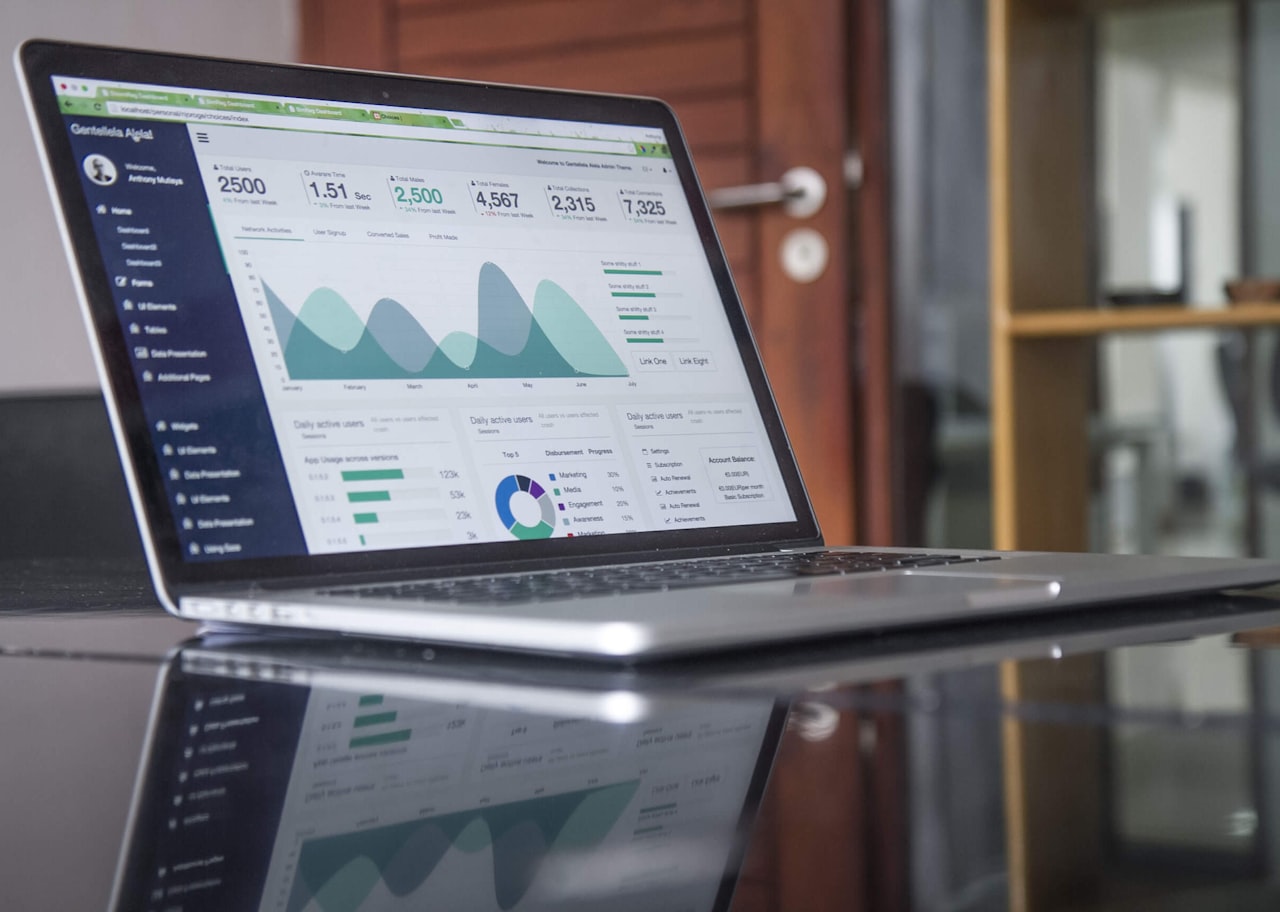
Pay-per-click advertising, most commonly associated with Google Ads, places advertisements in search results and across digital platforms. You pay each time a user clicks. PPC provides immediate visibility and precise control over budgets, targeting, and messaging. It is an excellent complement to SEO, providing traffic while organic rankings are still building.
Social media marketing uses platforms such as Facebook, Instagram, LinkedIn, and TikTok to build awareness, engage audiences, and drive traffic. It includes both organic activities and paid advertising. In Singapore, social media penetration is among the highest in the world, making it essential for reaching local audiences. Different platforms serve different purposes: LinkedIn for B2B, Instagram for visual storytelling, TikTok for younger demographics.
Email marketing remains one of the highest-ROI channels, delivering targeted messages directly to subscribers who have opted in. Content marketing underpins almost every other channel through strategic creation of blog articles, videos, guides, and case studies that attract and retain audiences. A professional website ties all channels together as the hub where traffic converts into leads and customers.
Digital vs Traditional Marketing
Traditional marketing reaches audiences through offline channels: television, radio, print, billboards, direct mail, and event sponsorships. It is far from dead, but the balance has shifted decisively towards digital. Understanding the differences helps businesses allocate budgets wisely.
Targeting precision is the most significant gap. A newspaper ad reaches everyone who reads that paper, regardless of whether they are in your target market. Digital marketing targets users by demographics, interests, behaviours, search intent, and even their stage in the buying journey. A Google Ads campaign can reach someone who searched for “accounting software for SMEs” five minutes ago. No traditional channel offers that level of specificity.
Measurability is another major distinction. Traditional marketing relies on estimates and proxies. Digital marketing provides granular analytics showing exactly how many people saw your ad, clicked on it, visited your site, and completed a purchase. Cost accessibility also favours digital: while a prime-time television slot costs tens of thousands, a digital campaign can launch with a few hundred dollars.
The most effective marketing strategies in Singapore often combine both elements. A restaurant might use Google Ads and Instagram for online orders while distributing flyers in the surrounding neighbourhood. The key is matching channels to your specific audience and objectives.
Key Benefits of Digital Marketing
Global reach with local precision. Digital marketing removes geographical barriers while geo-targeting features let you focus on specific locations, from a five-kilometre radius around your shop to professionals in Singapore’s Central Business District.
Cost-effectiveness. Compared to traditional channels, digital marketing generally offers lower cost per acquisition. The pay-per-click model means you pay only for actual engagement, reducing wasted spend. Small businesses can start with modest budgets and scale based on results.
Measurability and data-driven decisions. Every digital activity generates data: website visits, conversion rates, acquisition costs, lifetime value, and dozens of other metrics in real time. This empowers continuous optimisation and clear ROI demonstration.
Personalisation at scale. Digital tools enable messages tailored to individual users based on behaviour, preferences, and journey stage. An e-commerce store can show different product recommendations to different visitors while an email platform sends targeted messages to distinct subscriber segments. Real-time engagement through social media, live chat, and email creates two-way relationships that build loyalty. Flexibility and speed let you launch, pause, or adjust campaigns within minutes.
How Digital Marketing Works in Practice
Digital marketing follows a systematic process of attracting, engaging, converting, and retaining customers through digital channels.
Define your goals and audience first. Are you building brand awareness, generating leads, driving online sales, or building community? Each goal requires different channels and tactics. Equally important is understanding your target audience: their pain points, online behaviours, and preferred platforms.
Build your digital presence. Your website is the foundation. It needs to be well-designed, mobile-responsive, fast-loading, and optimised for search engines. Establish profiles on relevant social media platforms, set up email marketing infrastructure, and create any other digital assets you need.
Create and distribute content. Content fuels every channel. Blog posts, videos, guides, and case studies address your audience’s questions and needs. This content is published on your site, shared on social media, sent via email, and optimised for search engines.
Drive traffic through a mix of organic efforts (SEO, social posting, newsletters) and paid efforts (Google Ads, social advertising). Convert visitors into customers through compelling calls to action, well-designed landing pages, and streamlined checkout or enquiry processes. Then measure, analyse, and optimise. The data generated by every activity provides a constant feedback loop for continuous improvement.
The Singapore Digital Landscape
Singapore’s digital landscape is among the most mature in Southeast Asia, making it both exciting and fiercely competitive for marketers.
Internet and smartphone penetration rank among the highest globally. Mobile-optimised marketing is not optional; it is essential. Google’s mobile-first indexing further reinforces the importance of mobile-friendly websites and content.
The population is multilingual and multicultural. While English dominates for business and online search, campaigns targeting specific demographics may benefit from Mandarin, Malay, or Tamil content. Cultural nuance in messaging can make the difference between a campaign that resonates and one that falls flat.
E-commerce adoption has surged. Platforms like Shopee, Lazada, and Amazon have large local user bases, while many businesses run their own online stores. This creates opportunities for digital marketers across search, social, and email channels.
The regulatory environment matters. Singapore’s Personal Data Protection Act (PDPA) governs how businesses collect, use, and manage personal data, with direct implications for email marketing, remarketing, and data analytics. The competitive advertising market drives up cost-per-click rates, particularly in finance, education, real estate, and healthcare. Government support through programmes like the Productivity Solutions Grant (PSG) helps SMEs adopt digital marketing tools and services.
Getting Started with Digital Marketing
The sheer number of channels, tools, and tactics can feel overwhelming. The good news is that you do not need to do everything at once. A focused, strategic approach yields better results than trying to be everywhere simultaneously.
Start with your website. Before investing in traffic, ensure your site is professional, mobile-responsive, and clearly communicates what your business offers. It is where most digital marketing efforts ultimately direct people, so it must make a strong first impression and guide visitors towards action.
Choose two to three channels. For most Singapore businesses, a combination of SEO and Google Ads provides a strong foundation: SEO for long-term organic visibility and Google Ads for immediate traffic. Add social media on one or two platforms where your audience is most active.
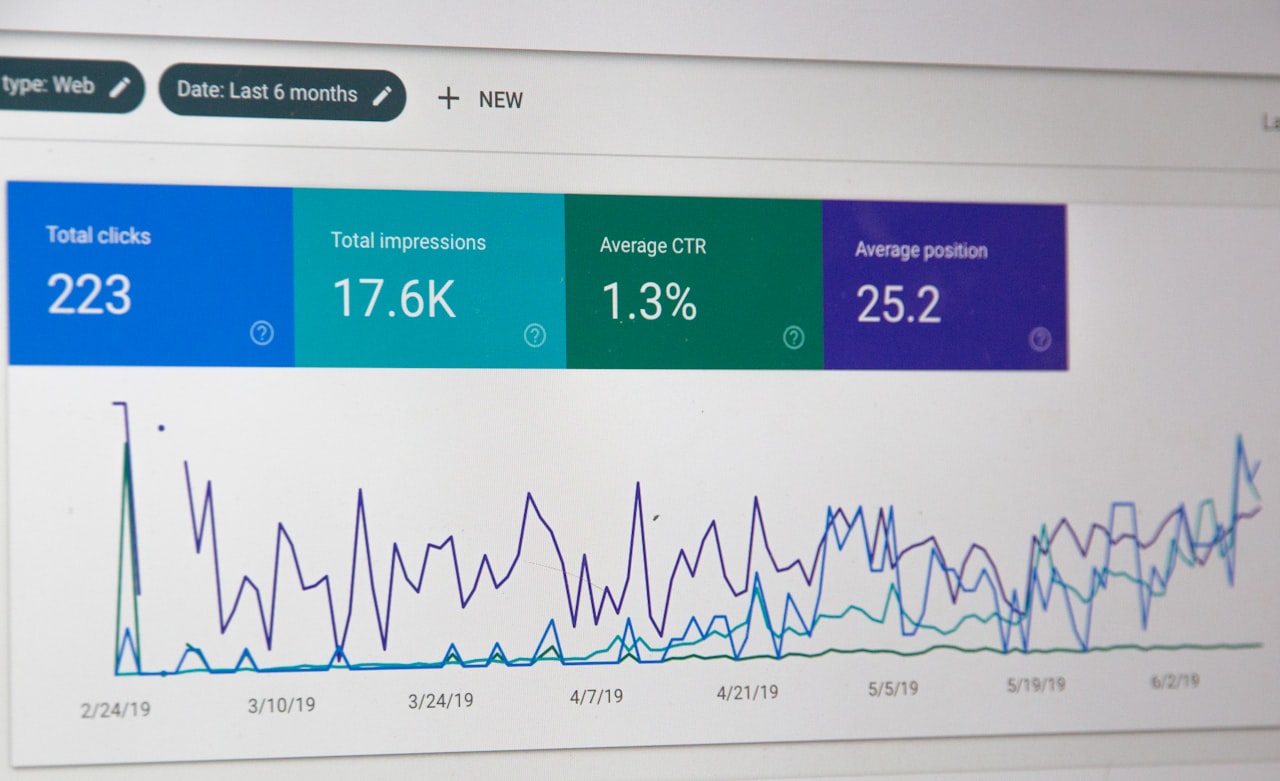
Install Google Analytics 4 and Google Search Console from day one. These free tools provide invaluable data about traffic, user behaviour, and search performance. Without analytics, you are marketing blind.
Test and iterate. Digital marketing rewards experimentation. Run small tests, measure results, learn from what works and what does not, and continuously refine your approach. The businesses that succeed treat it as an ongoing process of improvement rather than a one-time project. If the complexity feels like too much alongside running your business, partnering with a digital marketing agency can accelerate results while you focus on what you do best.
Frequently Asked Questions
What is the difference between digital marketing and online marketing?
The terms are used interchangeably in practice. Some draw a subtle distinction, suggesting digital marketing is slightly broader and could include non-internet channels like SMS, while online marketing refers strictly to internet-based activities. For most purposes, they mean the same thing.
How much does digital marketing cost in Singapore?
Costs vary enormously. A small business might spend SGD 500 to SGD 1,500 per month on basic SEO and social media. A larger company investing across multiple channels could spend SGD 10,000 or more monthly. Start with a budget you are comfortable with and scale based on results.
How long does it take to see results?
Paid advertising can generate traffic and leads within days. SEO typically takes three to six months for significant results. Content marketing and email list building are longer-term strategies that compound over time. Most businesses see meaningful results within three to six months of consistent, well-executed digital marketing.
Do I need a website for digital marketing?
While some forms of marketing can operate through social media alone, having a website is strongly recommended. Your website is the only digital property you fully own and control. Social media platforms can change algorithms or policies at any time, but your website remains yours.
Should I do digital marketing myself or hire an agency?
If you have the time and willingness to learn, managing basic digital marketing in-house is possible in the early stages. As needs grow more complex, an agency saves time, avoids costly mistakes, and delivers better results. Many Singapore businesses use a hybrid approach, managing some channels in-house while outsourcing others.
What is the most effective digital marketing channel?
There is no single best channel. SEO delivers the highest long-term ROI for most businesses. Google Ads provides the fastest results. Email marketing consistently delivers the highest return per dollar spent. The most effective strategy combines channels that work together to cover the full customer journey.
Is digital marketing effective for B2B businesses in Singapore?
Absolutely. LinkedIn is a powerful channel for B2B companies, and Google Ads captures high-intent searches from business buyers. Content marketing builds authority and trust. B2B decision-makers in Singapore research solutions online just as thoroughly as consumers do.
How do I measure digital marketing success?
Track metrics aligned with your goals. For awareness, measure traffic and reach. For lead generation, track cost per lead and conversion rate. For sales, monitor revenue, return on ad spend, and customer acquisition cost. Google Analytics 4 provides most of the data you need to evaluate performance.
What is the role of AI in digital marketing in 2026?
AI automates bid management, powers ad targeting, generates content drafts, personalises website experiences, and surfaces insights from data. It amplifies what marketers can achieve but does not replace the strategic thinking, creativity, and market understanding that drive effective campaigns.
Can digital marketing work with a very small budget?
Yes. SEO and content marketing require time rather than large budgets. Social media organic posting is free. Google Ads can be started with SGD 10-20 per day. Even modest investment, applied strategically and consistently, can generate meaningful results for a small business in Singapore.