Marketing analytics is the practice of measuring, managing and analysing data from your marketing efforts to maximise effectiveness and optimise return on investment. For Singapore businesses operating in one of Asia’s most digitally connected markets, understanding analytics is no longer optional — it is the foundation of every successful marketing decision.
Yet many companies still rely on gut instinct or vanity metrics when allocating their marketing budgets. Many local SMEs still do not actively use marketing data to inform their strategy. The gap between data-rich enterprises and data-poor small businesses continues to widen, making it harder for the latter to compete effectively.
This guide walks you through what marketing analytics covers, the data sources you should be tapping, maturity models to benchmark your progress, and the tools that make it all possible. Whether you are just getting started or looking to level up your existing analytics practice, you will find practical frameworks tailored to the Singapore market.
What Is Marketing Analytics and Why It Matters
Marketing analytics encompasses the technologies and processes that enable marketers to evaluate the success of their initiatives. It goes beyond simple reporting — true analytics involves collecting data, identifying patterns, and using those insights to predict future outcomes and prescribe actions.
At its core, marketing analytics answers three fundamental questions:
- What happened? — Descriptive analytics that summarise past performance through dashboards and reports.
- Why did it happen? — Diagnostic analytics that drill into the data to find root causes behind trends.
- What will happen next? — Predictive and prescriptive analytics that forecast outcomes and recommend optimal actions.
For Singapore businesses investing in digital marketing services, analytics provides the accountability layer. Every dollar spent on advertising, content creation or social campaigns can be traced to measurable outcomes. Without analytics, you are essentially flying blind.
The commercial impact is significant. Businesses that adopt data-driven marketing are six times more likely to be profitable year-over-year, according to research by Forrester. In Singapore’s competitive landscape — where consumers are bombarded with messages across multiple channels — analytics gives you the precision to cut through the noise.
Essential Data Sources for Marketing Analytics
Effective marketing analytics begins with collecting the right data from the right sources. Here are the primary data categories you should be capturing:
Website and App Analytics
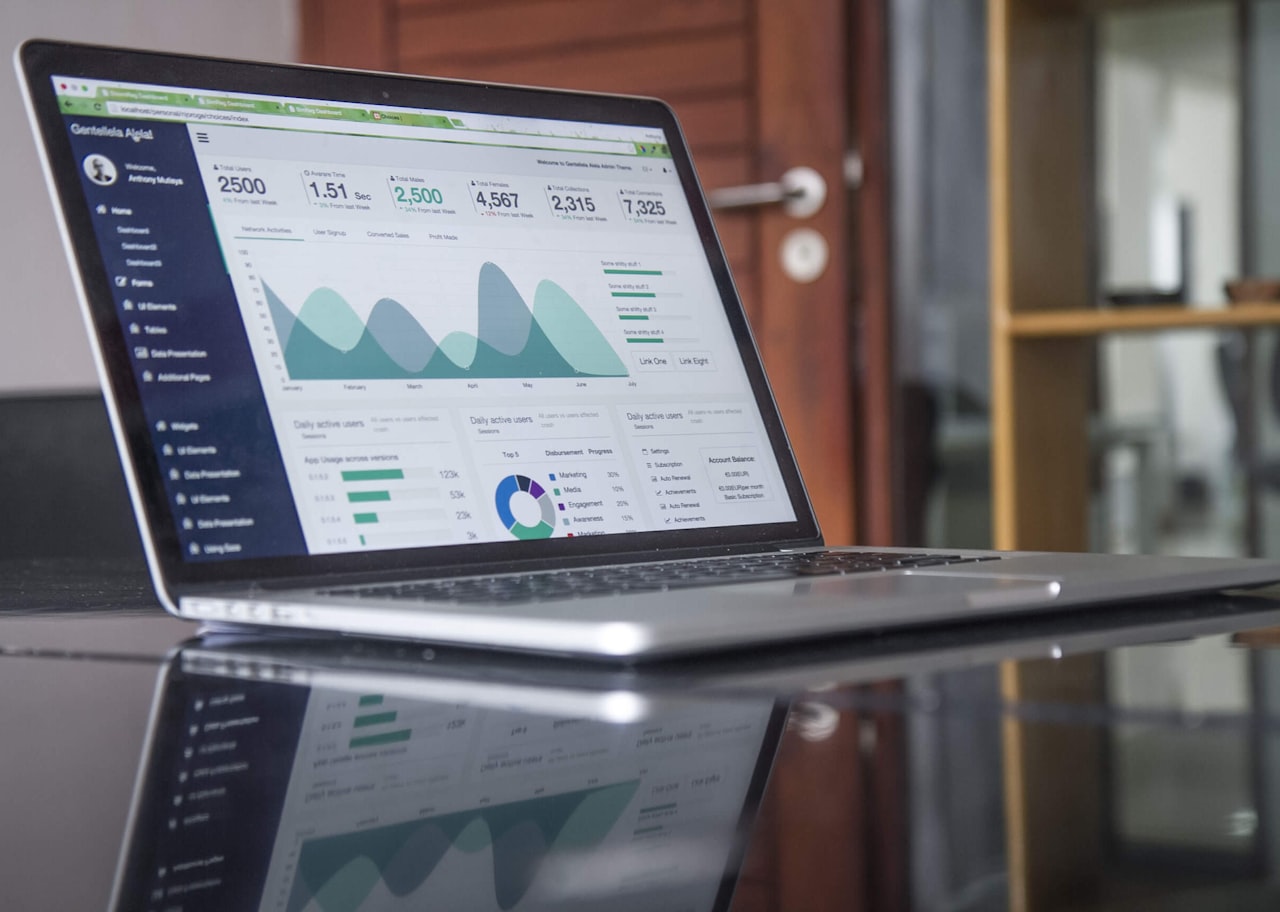
Your website is often the central hub of your marketing ecosystem. Tools like Google Analytics 4 (GA4) track user behaviour, traffic sources, conversion paths and engagement metrics. For businesses investing in SEO services, website analytics reveal which keywords drive traffic, which pages convert, and where users drop off.
Advertising Platform Data
Each advertising platform — Google Ads, Meta Ads, LinkedIn Ads, TikTok Ads — provides its own analytics dashboard. These platforms track impressions, clicks, conversions and cost data. If you are running Google Ads campaigns, the platform’s built-in analytics give you granular data on keyword performance, audience segments and bidding efficiency.
CRM and Sales Data
Customer relationship management systems like HubSpot, Salesforce or Zoho connect your marketing activities to actual revenue. This is where you bridge the gap between marketing-qualified leads and closed deals.
Social Media Analytics
Platforms such as Instagram, Facebook, LinkedIn and TikTok offer native analytics on post performance, audience demographics and engagement rates. For brands running social media marketing, these insights guide content strategy and posting schedules.
Email and Marketing Automation Data
Email platforms track open rates, click-through rates, unsubscribe rates and conversion data. When integrated with your CRM, email marketing data shows you the full customer journey from first email touchpoint to purchase.
First-Party Customer Data
With third-party cookies increasingly blocked, first-party data — information collected directly from your customers through surveys, loyalty programmes, and on-site interactions — is becoming the most valuable data source of all.
The Marketing Analytics Maturity Model
Not every organisation is at the same stage of analytics readiness. The marketing analytics maturity model provides a framework to assess where you are and where you need to go:
Level 1 — Ad Hoc: Data is scattered across platforms. Reports are created manually and inconsistently. Decisions are largely based on intuition. Most Singapore SMEs start here.
Level 2 — Foundational: Basic tracking is in place (GA4, platform dashboards). Monthly reports are generated. The team understands core metrics like traffic, leads and cost per acquisition.
Level 3 — Integrated: Data from multiple sources is consolidated into a single dashboard or data warehouse. Attribution modelling is in place. Cross-channel performance can be compared meaningfully.
Level 4 — Advanced: Predictive models forecast campaign outcomes. A/B testing is systematic. Customer lifetime value calculations inform budget allocation. Real-time dashboards enable agile decision-making.
Level 5 — Data-Driven Culture: Analytics is embedded in every marketing decision. Machine learning models optimise campaigns automatically. The organisation continuously experiments and iterates based on data.
The goal is not necessarily to reach Level 5 immediately. For most Singapore businesses, moving from Level 1 to Level 3 within 12 months represents a transformative improvement in marketing effectiveness.
Marketing Analytics Tools Overview
The marketing analytics tool landscape in 2026 can be categorised into several tiers:
Free and Entry-Level Tools
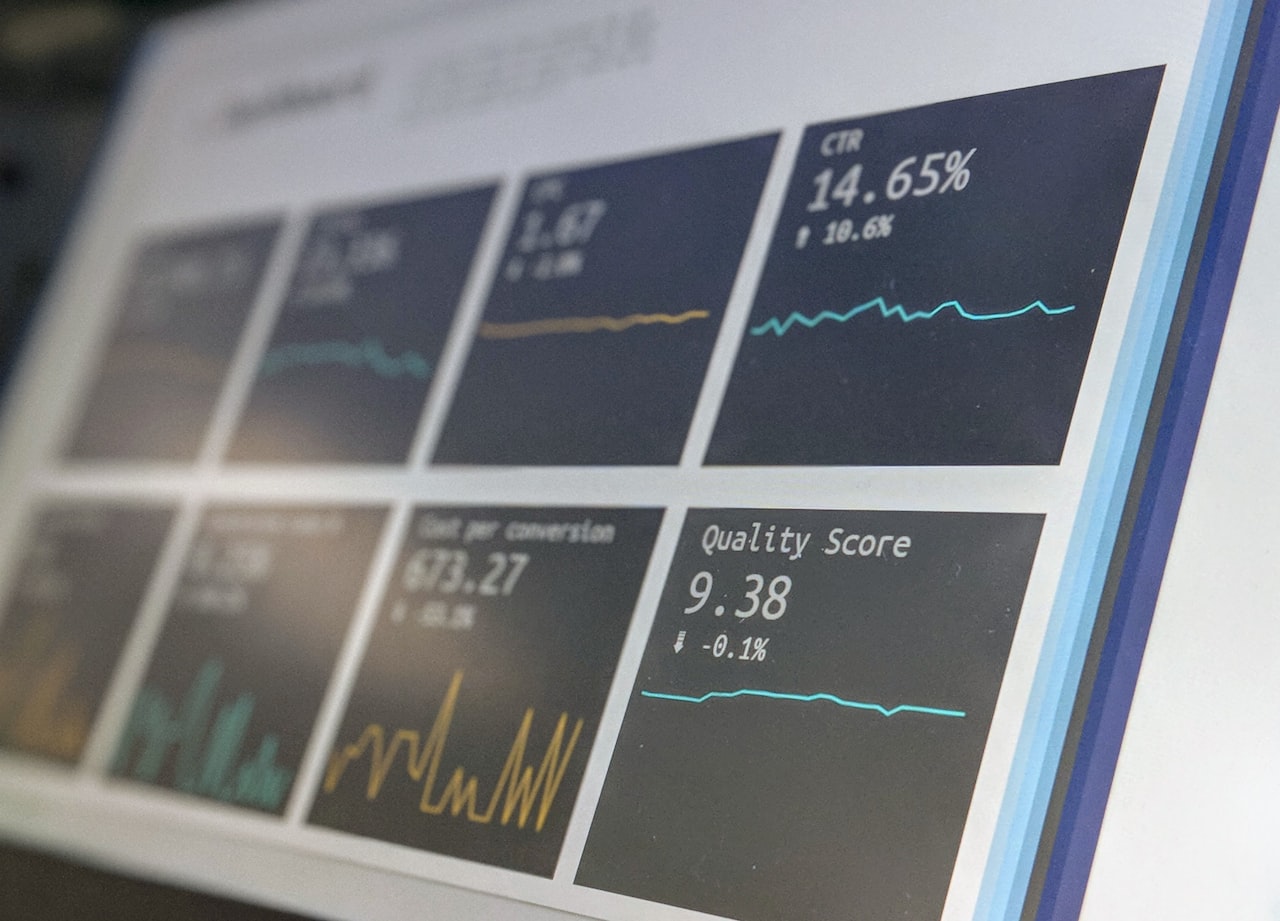
- Google Analytics 4: The industry standard for website analytics. Free, powerful and deeply integrated with the Google ecosystem.
- Google Looker Studio: Free dashboard and reporting tool that connects to GA4, Google Ads, Google Search Console and many third-party sources.
- Google Search Console: Essential for monitoring organic search performance, indexing issues and keyword rankings.
- Meta Business Suite: Built-in analytics for Facebook and Instagram advertising and organic content.
Mid-Market Tools
- HubSpot Marketing Hub: Combines CRM, email marketing, landing pages and analytics in a single platform. Popular with Singapore SMEs.
- Databox: Connects to over 100 data sources and creates real-time dashboards with mobile-friendly interfaces.
- Semrush / Ahrefs: Comprehensive SEO and competitive analytics platforms.
Enterprise Tools
- Adobe Analytics: Enterprise-grade web analytics with advanced segmentation and predictive capabilities.
- Tableau / Power BI: Business intelligence platforms for complex data visualisation and analysis.
- Google BigQuery: Cloud data warehouse for storing and querying large marketing datasets.
For most Singapore SMEs, a combination of GA4, Looker Studio and a mid-market tool like HubSpot provides sufficient analytics capability without breaking the budget.
Building an Analytics Culture in Your Organisation
Tools alone do not create an analytics-driven organisation. Culture is the harder — and more important — piece of the puzzle.
Start with leadership buy-in. When senior leaders ask for data before making decisions, the rest of the organisation follows. Make analytics a standing agenda item in marketing meetings.
Invest in training. You do not need a team of data scientists. Basic analytics literacy — understanding what metrics mean, how to read dashboards, and how to form data-backed hypotheses — is sufficient for most marketing teams. Singapore’s SkillsFuture programme offers subsidised courses in data analytics that your team can leverage.
Establish a single source of truth. When different departments pull different numbers from different sources, trust in data erodes. Centralise your reporting and agree on metric definitions. For example, what counts as a “lead” should be defined consistently across sales and marketing.
Celebrate data-driven wins. When a campaign decision informed by analytics outperforms a gut-instinct decision, share that story internally. Positive reinforcement builds the habit of reaching for data first.
Accept imperfect data. No dataset is 100 per cent accurate. Waiting for perfect data means waiting forever. Teach your team to make decisions with directionally correct data and iterate from there.
Marketing Analytics in the Singapore Context
Singapore’s digital landscape presents unique opportunities and challenges for marketing analytics:
High digital penetration: With over 96 per cent internet penetration and one of the highest smartphone adoption rates globally, Singapore generates rich digital data. Consumers interact with brands across multiple touchpoints — search, social media, messaging apps, e-commerce platforms — creating complex but data-rich customer journeys.
Multilingual audiences: Singapore’s four official languages mean that analytics must account for multilingual content performance. A campaign that resonates in English may underperform in Mandarin, and vice versa. Segmenting analytics by language helps identify these nuances.
PDPA compliance: The Personal Data Protection Act governs how businesses collect, use and store personal data. Your analytics setup must comply with PDPA requirements, including obtaining consent for tracking and ensuring data is stored securely. This is especially relevant as you build first-party data strategies.
Small but competitive market: Singapore’s population of under six million means that audience sizes are relatively small. This affects statistical significance in A/B testing and limits the data volume available for machine learning models. Smart segmentation and longer testing windows help compensate.
Businesses that work with a digital marketing agency experienced in the local market can navigate these nuances more effectively, ensuring analytics setups are both compliant and optimised for Singapore’s unique characteristics.
Getting Started: A Practical Roadmap
If you are ready to improve your marketing analytics practice, here is a 90-day roadmap:

Days 1–30: Foundation
- Audit your current tracking setup. Ensure GA4 is properly configured with goals and events.
- List all your data sources and identify gaps.
- Define your top five marketing KPIs (see our guide to marketing KPIs).
- Set up Google Search Console if you have not already.
Days 31–60: Integration
- Connect your data sources to a centralised dashboard using Looker Studio or Databox.
- Implement UTM parameters consistently across all campaigns.
- Set up basic attribution tracking to understand which channels drive conversions.
- Create a weekly reporting cadence.
Days 61–90: Optimisation
- Run your first data-informed A/B test.
- Analyse customer journey data to identify drop-off points.
- Build a marketing dashboard for your leadership team.
- Document your analytics processes and metric definitions.
The key is to start small, prove value quickly, and build momentum. Analytics is a journey, not a destination.
Frequently Asked Questions
What is the difference between marketing analytics and web analytics?
Web analytics focuses specifically on website data — traffic, page views, bounce rates and on-site behaviour. Marketing analytics is broader, encompassing data from all marketing channels including social media, email, paid advertising, offline campaigns and CRM data. Web analytics is a subset of marketing analytics.
How much should a Singapore SME budget for marketing analytics tools?
Many powerful tools like GA4 and Looker Studio are free. For a typical Singapore SME, a monthly budget of SGD 200 to SGD 800 covers mid-market tools like HubSpot Starter or Databox. Enterprise solutions can run SGD 2,000 or more per month. Start with free tools and invest more as your analytics maturity grows.
Do I need a data analyst on my marketing team?
Not necessarily. For small teams, upskilling existing marketers in basic analytics is often sufficient. Tools like Looker Studio and HubSpot are designed for non-technical users. As your analytics practice matures and data volumes grow, hiring a dedicated analyst or partnering with an agency that provides analytics support becomes worthwhile.
How do I ensure my analytics setup complies with Singapore’s PDPA?
Key steps include implementing a cookie consent banner (GA4 already does not log or store IP addresses), having a clear privacy policy that explains data collection practices, and ensuring any personal data stored in your analytics tools is protected with appropriate security measures. Consult the PDPC’s advisory guidelines for specific requirements.
What are the most important metrics to track first?
Start with metrics tied directly to business outcomes: website traffic, conversion rate, cost per lead, cost per acquisition and return on ad spend. Avoid getting distracted by vanity metrics like page views or social media followers unless they directly correlate with your business goals.
How long does it take to see results from implementing marketing analytics?
You can gain actionable insights within the first month of proper tracking setup. However, building a comprehensive analytics practice — with integrated data sources, attribution modelling and predictive capabilities — typically takes six to twelve months. The ROI compounds over time as your data history grows and your team becomes more data-literate.
How does a marketing analytics service work for Singapore businesses?
A marketing analytics service usually starts with an audit of existing tracking such as GA4, ad platforms and the CRM, then fixes gaps in conversion events and UTM tagging. It connects data sources into a central dashboard, often in Looker Studio, agrees KPI and lead definitions with sales, and delivers regular reports with recommendations. More advanced services add attribution modelling, testing programmes and forecasting.
What are marketing attribution models and which one should a business use?
Marketing attribution models decide how credit for a conversion is shared between the channels a customer touched. Last-click gives all credit to the final touchpoint, first-click to the first, while multi-touch models spread credit across the journey. GA4 uses data-driven attribution by default where data allows. Smaller Singapore businesses often compare last-click with data-driven views rather than relying on one model.
How can businesses use data analytics to personalise marketing?
Businesses personalise marketing with data analytics by segmenting customers on behaviour, purchase history and engagement, then tailoring messages, offers and content to each segment. Common examples include product recommendations based on past purchases, email flows triggered by site activity, and ad audiences built from CRM lists. In Singapore, the personal data used must be collected with consent and handled in line with the PDPA.
What is marketing mix modelling and when is it useful?
Marketing mix modelling (MMM) is a statistical method that estimates how much each channel, such as TV, search, social and promotions, contributes to sales using aggregated historical data rather than user-level tracking. It is useful for larger advertisers with several years of data and significant offline or brand spend. Because it does not rely on cookies, MMM is gaining interest as user-level tracking becomes less reliable.
How do cookie restrictions and ad blockers affect marketing analytics tracking?
Cookie restrictions, consent banners and ad blockers mean some visits and conversions are not recorded, so analytics tools under-report compared with real sales. Businesses reduce the gap by tracking first-party data, using consent mode and modelled conversions in GA4 and Google Ads, and importing offline conversions from the CRM. Comparing analytics totals against actual orders or leads shows how large the tracking gap is.