
Table of Contents
- E-Commerce Metrics That Actually Drive Growth
- Foundational Analytics Every Store Needs
- Attribution and Media Buying Platforms
- Customer Lifecycle and CLV Analytics
- Behaviour and Conversion Analytics
- Building Your E-Commerce Analytics Stack
- Common Analytics Mistakes to Avoid
- Frequently Asked Questions
E-Commerce Metrics That Actually Drive Growth
Data-driven decision-making separates thriving e-commerce businesses from those that stagnate. Yet many online store owners in Singapore rely solely on basic sales dashboards, missing critical insights about customer behaviour, marketing attribution, and lifetime value. The best ecommerce analytics tools transform raw data into actionable strategies for growth — but only if you know which metrics to prioritise.
Revenue attribution answers the fundamental question: which marketing channels actually generate your sales? In a multi-channel world, a customer might discover your brand through Instagram, research via Google, and convert through an email campaign. Accurate attribution helps you allocate spend to channels that deliver returns rather than those that merely look good in platform-reported dashboards.
Customer Lifetime Value (CLV) transforms how you approach acquisition costs. If your average CLV is SGD 500, spending SGD 100 to acquire a customer is profitable. Without CLV data, you might cap acquisition costs at SGD 30 and miss growth opportunities. Conversion funnel analysis reveals where customers drop off — product page to cart, cart to checkout, checkout to payment — and even small improvements at each stage compound into significant revenue gains.
Foundational Analytics Every Store Needs
Google Analytics 4 should be configured on every e-commerce site, regardless of what other tools you use. As a free platform with enterprise-grade capabilities, GA4 captures the complete purchase journey — product views, add-to-cart events, checkout steps, purchases, and refunds. Its integration with Google Ads provides closed-loop attribution between ad spend and revenue, making it indispensable for businesses running Google Ads campaigns.

GA4’s predictive metrics estimate purchase probability and predicted revenue for audience segments, enabling proactive marketing. BigQuery integration (free export) unlocks advanced analysis beyond native reporting. The main drawback is a steep learning curve — the event-based model requires proper implementation, and misconfigured data layers produce misleading data.
Shopify Analytics provides excellent built-in reporting for Shopify merchants, with zero configuration required. Customer acquisition reports, retention metrics, and cohort data are automatically populated from store activity. For daily operational metrics — orders, revenue, average order value — Shopify Analytics is the most accessible option. However, it cannot track behaviour outside the Shopify ecosystem and lacks the analytical depth of dedicated tools.
For WooCommerce stores, Metorik fills a similar role with dedicated analytics, customer profiles, and cohort analysis built specifically for WooCommerce. Pricing starts at approximately USD 20 per month based on order volume. It pairs naturally with a WordPress-based e-commerce site.
Attribution and Media Buying Platforms
Triple Whale addresses the post-iOS 14 attribution challenge that continues to plague social media advertisers. Its proprietary Triple Pixel tracks customer journeys using first-party data, bypassing third-party cookie limitations to provide more accurate attribution than platform-reported metrics from Facebook or TikTok.
The unified dashboard consolidates data from Shopify, Facebook Ads, Google Ads, and TikTok Ads into real-time profit and loss reporting. Creative performance analytics identify which ad creatives drive the best returns. Plans start at approximately USD 100 per month, scaling with annual revenue. For DTC brands spending SGD 10,000 or more per month on paid social advertising, Triple Whale’s attribution accuracy directly impacts budget allocation decisions.
Glew takes a broader approach, connecting to Shopify, WooCommerce, Magento, and BigCommerce to provide product performance analytics, customer segmentation, and margin-adjusted profitability analysis. Unlike Triple Whale’s focus on paid media, Glew helps you understand which products actually make money after all costs are considered. The free Starter plan is genuinely useful, with paid plans from approximately USD 79 per month.
Customer Lifecycle and CLV Analytics
Klaviyo is primarily an email and SMS marketing platform, but its analytics capabilities make it one of the best ecommerce analytics tools for understanding customer lifecycles. The platform integrates deeply with major e-commerce platforms to provide predictive CLV, purchase frequency analysis, and RFM (Recency, Frequency, Monetary) segmentation.
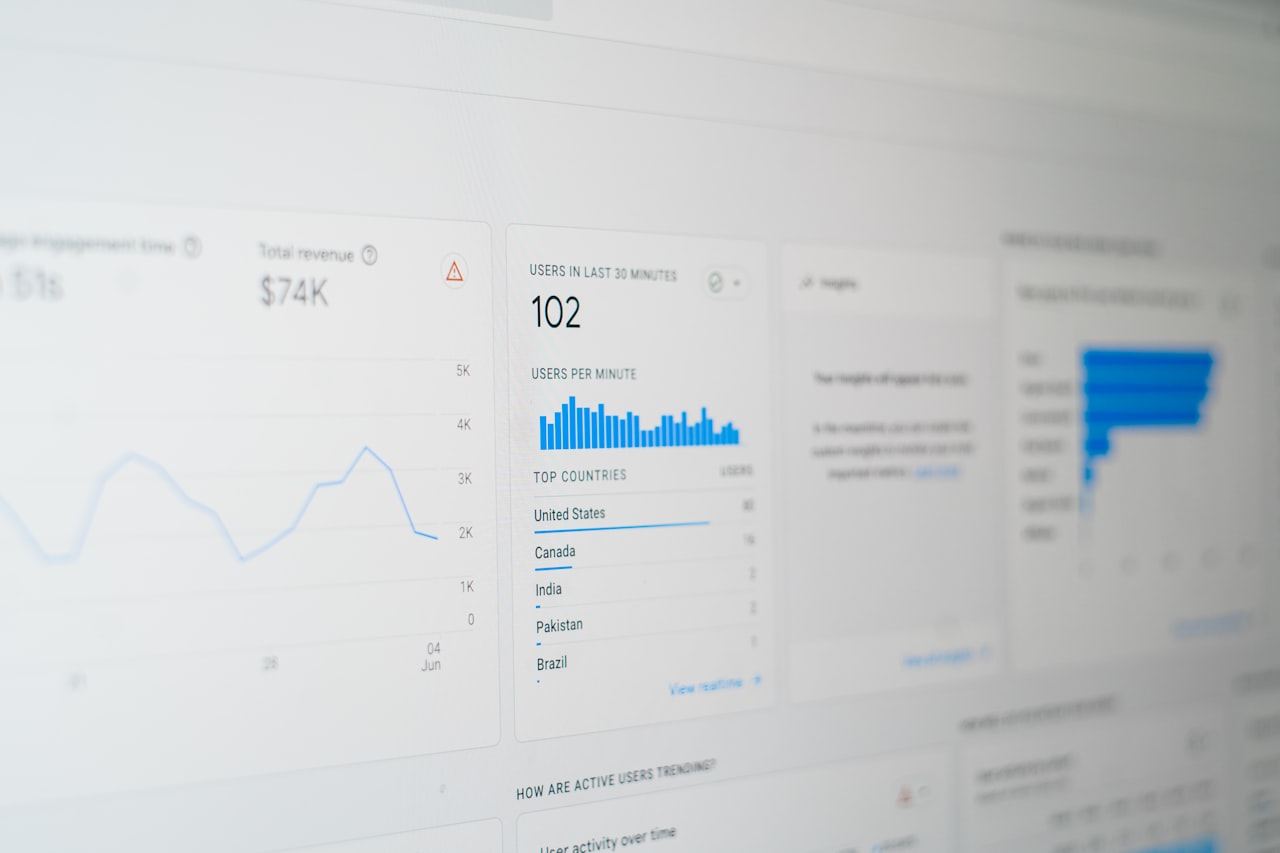
Predictive analytics estimate next order date, expected spend, and churn risk for individual customers — enabling targeted retention campaigns before customers lapse. For Singapore e-commerce businesses where email and SMS drive significant revenue, Klaviyo’s combination of analytics and marketing execution in one platform is highly efficient. Free for up to 250 contacts, with paid plans scaling from approximately USD 20 per month.
Behaviour and Conversion Analytics
Understanding what users do on your site — not just whether they buy — requires behaviour analytics tools that go beyond purchase data.
Mixpanel excels at funnel analysis and user flow visualisation, answering specific behavioural questions: where do users drop off in checkout? Which product page elements drive add-to-cart actions? Its free plan supports up to 20 million events per month — an exceptionally generous limit. However, Mixpanel requires custom event implementation and is not purpose-built for e-commerce.
Amplitude offers similar capabilities with the most generous free tier in analytics — 50 million events per month. Its Pathfinder feature visualises common user journeys, revealing unexpected navigation patterns. Amplitude’s audience sync bridges analytics and marketing by pushing behavioural segments to ad platforms. Both tools are best suited for larger e-commerce businesses with dedicated analytics teams focused on conversion rate optimisation.
Building Your E-Commerce Analytics Stack
Most successful e-commerce businesses use a layered analytics approach rather than relying on a single tool. Here is a recommended progression based on revenue.
Starting out (under SGD 50,000 monthly revenue): GA4 (free) plus your platform’s built-in analytics. This covers web analytics and basic e-commerce reporting without additional subscriptions. Focus your budget on marketing rather than analytics tools at this stage.
Growing (SGD 50,000 to 500,000 monthly revenue): Add Klaviyo for customer analytics and email marketing. Consider Triple Whale if paid social media drives significant revenue. The investment in accurate attribution pays for itself through better ad spend allocation.
Scaling (over SGD 500,000 monthly revenue): Add Mixpanel or Amplitude for deep behavioural analysis. Consider Glew for comprehensive product and margin analytics. At this scale, percentage-point improvements in conversion rates translate to substantial revenue gains.
Common Analytics Mistakes to Avoid
The most damaging analytics mistake is poor implementation. Even the best ecommerce analytics tools produce misleading data when tracking codes are misconfigured or data layers are incomplete. Verify your GA4 e-commerce tracking using DebugView before trusting the data for decisions.
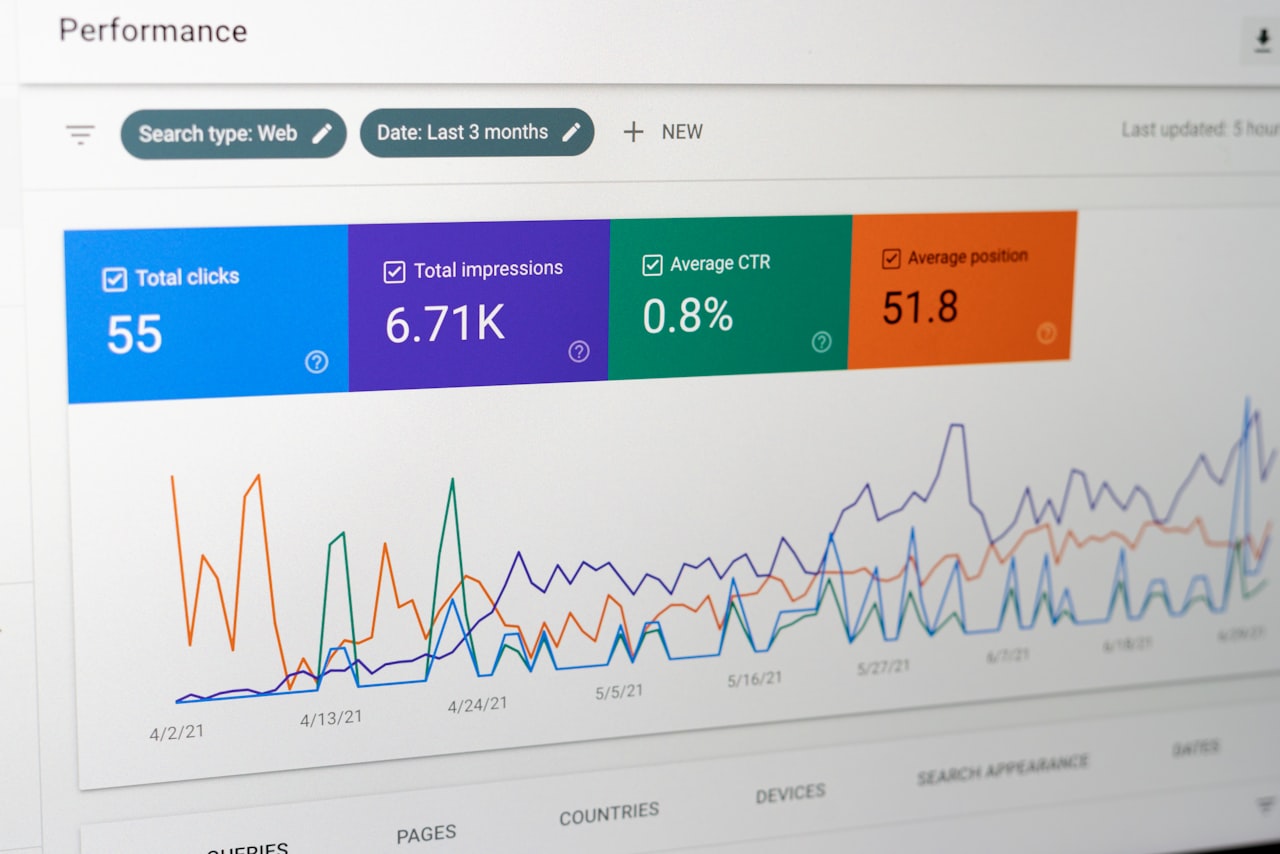
Avoid analysis paralysis by focusing on three to five key metrics rather than tracking everything. For early-stage Singapore stores, conversion rate and customer acquisition cost are sufficient. Add CLV and retention metrics as you grow. Resist the temptation to subscribe to every tool simultaneously — each additional platform adds complexity that can obscure rather than clarify your performance picture.
Finally, remember that no attribution model is perfectly accurate. Post-iOS 14 privacy changes and ad blockers mean platform-reported conversions overcount. Use blended metrics — total revenue divided by total ad spend — for high-level efficiency measurement, and channel-specific attribution for relative comparisons between campaigns.
Frequently Asked Questions
What is the most important e-commerce metric to track?
Customer Lifetime Value is the most strategically important metric because it informs acquisition spending, retention strategy, and long-term viability. However, the most actionable metric depends on your stage: early stores should focus on conversion rate, growing stores on acquisition cost relative to CLV, and scaling stores on retention and repeat purchase rates.
Do I need GA4 if I already have Shopify Analytics?
Yes. Shopify Analytics provides excellent store-specific reporting, but GA4 adds cross-domain tracking, detailed behaviour analysis, Google Ads attribution, and custom event tracking. Use Shopify Analytics for daily operations and GA4 for deeper analysis and marketing attribution.
How accurate is marketing attribution in 2026?
No attribution model is perfectly accurate. First-party tools like Triple Whale provide better data than platform-reported metrics but are still estimates. Use blended ROAS for high-level measurement and channel-specific attribution for relative campaign comparisons.
When should I invest in a Customer Data Platform?
CDPs like Segment are worth considering once your analytics stack includes three or more tools needing consistent customer data. For businesses under SGD 500,000 in monthly revenue, direct integrations between tools are usually sufficient.
How do I set up e-commerce tracking in GA4?
GA4 e-commerce tracking requires a data layer firing specific events: view_item, add_to_cart, begin_checkout, and purchase. Shopify has built-in GA4 integration. WooCommerce requires a plugin or custom implementation. Verify using GA4 DebugView before relying on the data.
Is Triple Whale worth the investment for Singapore stores?
Triple Whale is most valuable for Shopify stores spending SGD 10,000 or more monthly on paid social advertising. If paid social is not a significant revenue driver, GA4 and Klaviyo provide sufficient analytics at lower cost.
What analytics tools work with WooCommerce?
Metorik is purpose-built for WooCommerce analytics. GA4 works with any platform via data layer implementation. Klaviyo, Glew, and Amplitude all integrate with WooCommerce through plugins or APIs. Metorik plus GA4 is the recommended starting combination.
How often should I review my e-commerce analytics?
Review campaign metrics daily during active promotions. Check conversion rates and revenue weekly. Analyse CLV, cohort retention, and channel ROI monthly. Conduct a comprehensive analytics audit quarterly to ensure tracking accuracy and identify new opportunities.
Can free analytics tools be sufficient for a growing store?
GA4, Shopify Analytics, Klaviyo’s free tier, and Glew Starter provide substantial analytical capability at zero cost. This free stack is adequate for stores under SGD 50,000 monthly revenue. As you scale, paid tools become essential for attribution accuracy and deeper customer analysis.
What is the biggest analytics gap most e-commerce businesses have?
Customer lifetime value tracking. Most stores optimise for immediate conversion metrics without understanding the long-term value of different customer segments. Klaviyo’s predictive CLV fills this gap effectively, transforming how you think about acquisition costs and retention investment.