Whiteboard Animation Guide: How to Use Whiteboard Videos for Business in Singapore
What Is Whiteboard Animation
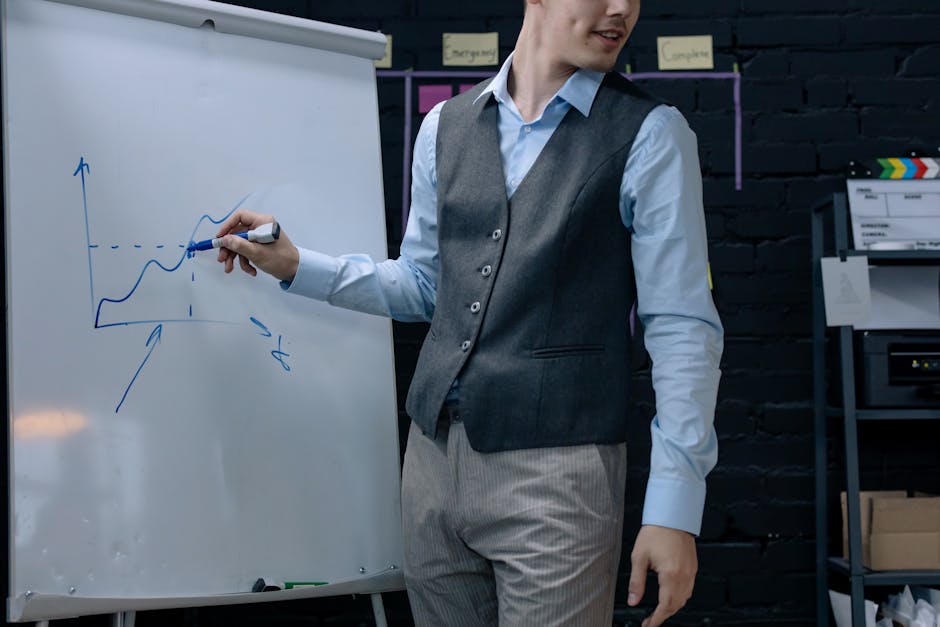
Whiteboard animation is a video style where illustrations are drawn progressively on a white background, typically accompanied by a voiceover that narrates the story or explains a concept. The visual effect simulates a hand drawing on a whiteboard in real time, creating an engaging experience that holds viewer attention from start to finish.
The format gained popularity through RSA Animate videos and has since been adopted by businesses worldwide for marketing, training, education, and internal communications. Its distinctive look stands out from live-action video and conventional motion graphics, making it particularly effective for content that needs to cut through visual noise.
Modern whiteboard animation is produced digitally using specialised software, though some studios still use physical whiteboards and time-lapse photography for a more authentic feel. The digital approach offers greater flexibility, faster turnaround, and easier revisions, which is why it dominates commercial production in Singapore.
What makes the format distinctive is its simplicity. By stripping visuals down to line drawings and focused illustrations, whiteboard animation forces clarity. There is no room for ambiguity when every element on screen must be drawn and narrated. This constraint is its greatest strength for communicating complex or abstract ideas.
Why Whiteboard Animation Works for Business
The effectiveness of whiteboard animation is grounded in how our brains process visual information. Several cognitive principles make this format particularly powerful for business communication.
Visual Learning and Retention
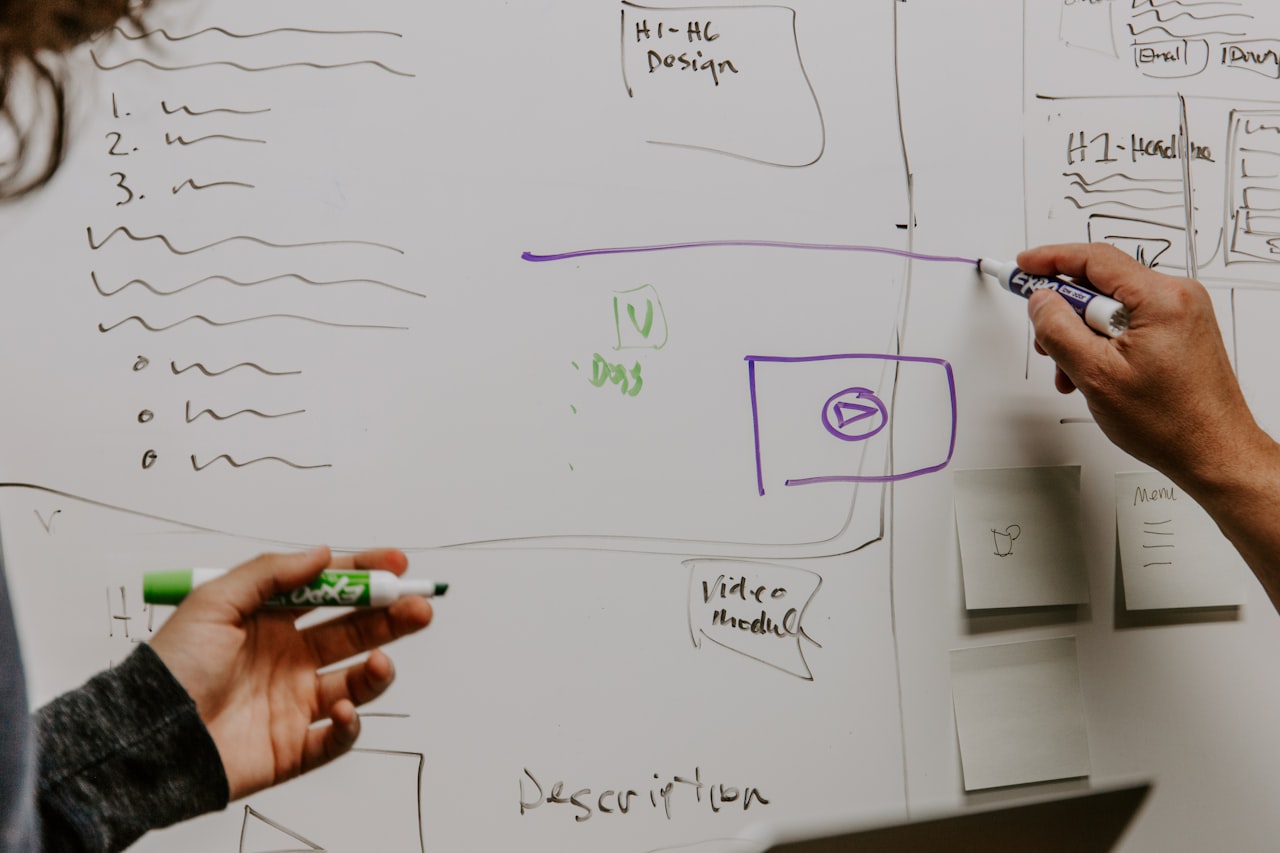
Research consistently shows that people retain information better when it is presented visually alongside narration compared to text alone. The progressive drawing action in whiteboard animation adds a temporal element that further enhances retention. Viewers watch concepts being built rather than seeing them appear instantly, which mirrors how understanding develops step by step.
Sustained Attention
The drawing action creates natural curiosity. Viewers want to see what comes next, which keeps them watching longer than they might with a talking-head video or a static presentation. Studies on whiteboard animation consistently report higher completion rates compared to other video formats of similar length.
Simplification of Complex Ideas
Abstract concepts, processes with multiple steps, and data-heavy topics are difficult to communicate through text or live-action video. Whiteboard animation excels at breaking these down into visual sequences that viewers can follow intuitively. This makes it ideal for industries like finance, technology, healthcare, and professional services where products and processes require explanation.
Cost-Effective Production
Compared to live-action video production, whiteboard animation typically costs less because it does not require filming locations, actors, lighting equipment, or wardrobe. Changes and revisions are also simpler and less expensive to implement. For businesses that need video content but have limited production budgets, whiteboard animation offers strong value.
Versatility Across Channels
A single whiteboard animation can be used on your website landing page, shared on social media, embedded in email campaigns, presented at trade shows, and integrated into sales decks. This multi-channel applicability stretches your production investment further.
If you are exploring video options, our whiteboard animation services can help you determine whether this format is the right fit for your communication objectives.
The Whiteboard Animation Production Process
Understanding how whiteboard animation is produced helps you plan projects effectively and collaborate productively with your production partner. The process typically follows these stages.
Stage 1: Briefing and Discovery
The production begins with a detailed brief covering your objectives, target audience, key messages, and desired tone. Who will watch this video? What should they understand, feel, or do after watching? What is the context in which they will encounter the video? The answers to these questions shape every subsequent decision.
Stage 2: Script Writing
The script is the foundation of any whiteboard animation. A good script follows a clear narrative structure: it identifies a problem or question, explores it, and presents a solution or insight. For a typical two-minute video, the script runs approximately 300 to 350 words. Every word counts because the voiceover paces the entire video.
Stage 3: Storyboarding
Once the script is approved, the illustrator creates a storyboard that maps out the visual sequence. Each frame shows what will be drawn, where it will appear on screen, and how it connects to the narration. The storyboard serves as a blueprint for the animation and is the most important review milestone for clients.
Stage 4: Illustration
The illustrator creates the final artwork based on the approved storyboard. This includes character designs, icons, diagrams, text elements, and background details. The illustration style can range from minimalist line drawings to more detailed, coloured illustrations depending on the project requirements and brand guidelines.
Stage 5: Voiceover Recording
A professional voice artist records the narration. In Singapore, clients often choose between Singaporean English, neutral international English, or Mandarin voiceovers depending on the target audience. The voiceover sets the tone, so selecting the right voice artist is critical.
Stage 6: Animation
The animator brings the illustrations to life by creating the drawing sequence, timing it to the voiceover, and adding transitions between scenes. This stage also includes adding the “hand” element that simulates drawing, though some modern whiteboard animations use a cursor or omit the hand entirely for a cleaner look.
Stage 7: Sound Design and Music
Background music and sound effects are added to complement the voiceover and animation. The music should enhance the mood without competing with the narration. Royalty-free music libraries offer extensive options, or custom compositions can be commissioned for larger projects.
Stage 8: Review and Revisions
Most production agreements include two to three rounds of revisions. Providing consolidated feedback at each stage keeps the project on track and avoids scope creep. The final deliverable is typically an MP4 file in full HD resolution.
For more complex video projects that go beyond whiteboard style, explore our broader video animation services.
Use Cases for Whiteboard Animation in Singapore
Businesses across Singapore use whiteboard animation in diverse ways. Here are the most common and effective applications.
Explainer Videos
The most popular use case. Whiteboard explainer videos introduce a product, service, or concept to potential customers. They work well on landing pages, where they can increase conversion rates by giving visitors a quick, engaging overview of what you offer. Financial institutions, SaaS companies, and healthcare providers in Singapore use these extensively. For a broader look at this format, see our explainer video guide.
Employee Training and Onboarding
Complex internal processes, compliance requirements, and company policies are easier to absorb through whiteboard animation than through dense policy documents. Singapore companies subject to MAS regulations, workplace safety requirements, or industry certifications use animated training videos to improve comprehension and completion rates.
Sales Enablement
Sales teams use whiteboard animations to explain complex solutions to prospects. A two-minute video that breaks down your value proposition is more effective than a twenty-slide presentation. These videos can be shared via email, embedded in proposals, or played during meetings.
Investor and Stakeholder Communication
Startups and SMEs use whiteboard animation to communicate their business model, market opportunity, and growth strategy to investors. The format’s ability to simplify complex narratives makes it valuable for pitch decks and investor updates.
Internal Communications
Change management initiatives, new process rollouts, and organisational restructuring benefit from clear visual communication. Whiteboard animation helps leadership communicate changes in a way that is accessible and engaging for all employees.
Social Media Content
Short whiteboard animations (30 to 60 seconds) perform well on LinkedIn, Facebook, and Instagram. They stop the scroll because the drawing action is visually distinctive. Singaporean brands use these for thought leadership content, product teasers, and educational snippets.
For live-action alternatives or hybrid approaches, our video production services cover the full spectrum of business video needs.
Whiteboard Animation Costs in Singapore
Production costs for whiteboard animation in Singapore vary based on several factors. Understanding what drives cost helps you budget accurately and evaluate quotes from different providers.

Typical Price Ranges
- Basic whiteboard animation (1-2 minutes): SGD 2,000 to SGD 5,000. Simple illustrations, standard voiceover, royalty-free music.
- Mid-range whiteboard animation (2-3 minutes): SGD 5,000 to SGD 10,000. Custom illustrations, professional voice artist, original music, more detailed storyboarding.
- Premium whiteboard animation (3-5 minutes): SGD 10,000 to SGD 20,000. Highly detailed artwork, colour elements, multiple characters, custom sound design, extensive revisions.
Cost Drivers
- Video length: longer videos require more scripting, illustration, and animation time
- Illustration complexity: detailed, coloured illustrations cost more than simple line drawings
- Voiceover quality: experienced voice artists with broadcast-quality recordings charge more than entry-level talent
- Revision rounds: additional revision cycles beyond the included rounds incur extra fees
- Turnaround time: rush projects with compressed timelines typically attract premium charges
- Script writing: some providers charge separately for scriptwriting, while others include it in the package
Production Timeline
A typical whiteboard animation project in Singapore takes three to six weeks from briefing to final delivery. This includes time for script approval, storyboard review, and revisions. Rush production is possible for simpler projects but is not recommended as it compresses the review stages that ensure quality.
Cost Comparison With Other Formats
Whiteboard animation typically costs 30 to 50 percent less than equivalent live-action video production in Singapore. It is comparable in cost to other animation styles such as 2D motion graphics. The savings come from eliminating location costs, talent fees, and equipment hire. However, the overall cost depends heavily on the quality expectations and production house you choose.
Scripting Tips for Effective Whiteboard Videos
The script determines whether your whiteboard animation succeeds or falls flat. Even the best illustration and animation cannot compensate for a weak script. Here are practical guidelines for writing scripts that work.
Start With the Problem
Open by acknowledging a problem, frustration, or question that your audience relates to. This creates immediate relevance and gives viewers a reason to keep watching. “You have probably spent hours trying to…” or “Every business owner in Singapore faces…” are effective opening patterns.
Use Conversational Language
Write as if you are explaining something to a colleague over coffee. Avoid jargon, corporate-speak, and overly formal language. If a technical term is unavoidable, define it immediately. Read your script aloud before finalising it. If it sounds awkward when spoken, rewrite it.
One Idea Per Scene
Each scene in your whiteboard animation should communicate a single idea. Cramming multiple concepts into one scene overwhelms viewers and dilutes the visual impact. A two-minute video typically accommodates eight to twelve distinct scenes.
Keep It Short
The ideal length for a marketing whiteboard animation is 60 to 120 seconds. Training videos can be longer (up to five minutes) but should be broken into chapters or modules. Viewer engagement drops significantly after the two-minute mark for marketing content.
End With a Clear Call to Action
Tell viewers exactly what to do next. Visit a website, contact your team, sign up for a trial, or download a resource. Make the call to action specific and easy to follow. Vague endings like “learn more” are less effective than “visit our website to get a free consultation.”
Write for Visuals
As you write, consider what the illustrator will draw for each line. If a sentence is abstract and difficult to visualise, rewrite it with concrete imagery. “Our platform connects buyers and sellers” is harder to illustrate than “imagine a marketplace where a restaurant owner finds exactly the supplier they need in seconds.”
Choosing a Whiteboard Animation Provider
Selecting the right production partner significantly impacts the quality and effectiveness of your whiteboard animation. Here is what to evaluate.
Portfolio Quality
Review the provider’s previous whiteboard animation work. Look for clean illustration, smooth animation, professional voiceovers, and strong storytelling. Pay attention to whether their style can adapt to different industries and tones, or whether all their videos look the same.
Scriptwriting Capability
The best whiteboard animation providers have skilled scriptwriters on their team. Ask whether they write the script or expect you to provide one. Providers who handle scripting in-house typically produce more cohesive final products because the writing and visuals are developed in tandem.
Client Communication
During the quoting process, assess how responsive and clear the provider is. The production process requires close collaboration, and poor communication leads to misaligned expectations and costly revisions. Ask about their review process, how they handle feedback, and how many revision rounds are included.
Understanding of Your Industry
A provider who has worked with clients in your industry will require less briefing and will understand the regulatory and communication nuances of your sector. This is particularly relevant for finance, healthcare, and government projects in Singapore where compliance requirements influence content.
End-to-End Service
Providers who handle scripting, illustration, voiceover, animation, and sound design under one roof deliver more consistent results than those who outsource individual stages. Ask about their production team and whether key roles are handled in-house.
Our explainer video services include whiteboard animation as one of several formats, with full in-house production from script to final delivery.
Distribution and Promotion Strategies
Creating a whiteboard animation is only half the job. Effective distribution ensures your investment generates returns.
Website Placement
Embed your whiteboard animation on the most relevant page of your website. For explainer videos, this is typically your homepage or a key service page. Place the video above the fold or near the top of the page. Pages with video content tend to have longer average session durations, which can indirectly support your SEO performance.
YouTube and Video Platforms
Upload your video to YouTube with an optimised title, description, and tags. YouTube is the second-largest search engine, and properly optimised whiteboard animations can attract organic views over time. Include a link to your website in the video description and use end screens to direct viewers to related content.
Social Media
Share the full video on LinkedIn and Facebook. Create shorter excerpts (15 to 30 seconds) for Instagram Reels and TikTok. Each platform has different aspect ratio preferences — vertical for Stories and Reels, horizontal for YouTube and LinkedIn feeds. Plan for these formats during production to avoid awkward cropping.
Email Marketing
Include your whiteboard animation in email campaigns. Embedding a video thumbnail with a play button in an email can increase click-through rates significantly. Link to a landing page where the video is hosted rather than embedding the video file directly in the email.
Sales and Presentations
Equip your sales team with the video for use in prospecting emails, proposals, and live presentations. A concise whiteboard animation can replace several slides and communicate your value proposition more memorably.
Paid Promotion
Consider running paid campaigns on YouTube, Facebook, or LinkedIn to amplify your video’s reach. Video ads with whiteboard animation tend to perform well because the drawing action catches attention in crowded feeds. Set clear objectives and target audiences for your paid campaigns to maximise return on ad spend.
Frequently Asked Questions
How long should a whiteboard animation be?
For marketing purposes, aim for 60 to 120 seconds. This is long enough to explain a concept but short enough to maintain viewer attention. Training videos can extend to three to five minutes but should be segmented into clear sections. The script should dictate the length — cut until every remaining word earns its place.
Is whiteboard animation still effective in 2026?
Yes. While the format is no longer novel, it remains effective because the underlying principles — visual storytelling, progressive disclosure, and simplification of complex ideas — are timeless. The key is execution quality. A well-produced whiteboard animation with a strong script will outperform a flashier video with a weak message. The format continues to perform well in B2B contexts and for topics that require explanation.
Can whiteboard animation include colour and branding?
Absolutely. While the classic whiteboard style uses black line drawings on a white background, modern productions frequently incorporate brand colours, coloured illustrations, and branded elements. Many providers offer a spectrum from traditional monochrome to fully coloured whiteboard-style animation. The key is maintaining the progressive drawing aesthetic that defines the format.
What do I need to provide to start a whiteboard animation project?
At minimum, provide a clear brief covering your objectives, target audience, key messages, brand guidelines (logos, colours, fonts), and any existing content that informs the topic. If you have a script, provide it. If not, your production partner should be able to write one based on your brief. The more context you provide upfront, the fewer revisions will be needed later.
How does whiteboard animation compare to other explainer video styles?
Whiteboard animation excels at explaining complex or abstract concepts in a straightforward manner. 2D motion graphics offer more visual variety and are better suited to high-energy brand videos. 3D animation provides realism for product demonstrations. Live-action adds human authenticity. The right choice depends on your message, audience, and budget. Many businesses use different formats for different purposes across their marketing.