What Is Social Media Marketing? A Complete Guide
Table of Contents
Social Media Platforms Overview
Social media marketing is the use of social media platforms to connect with your audience, build your brand, drive website traffic, generate leads, and increase sales. It encompasses content creation, community engagement, paid advertising, and performance analysis across platforms where billions of people spend significant portions of their day.
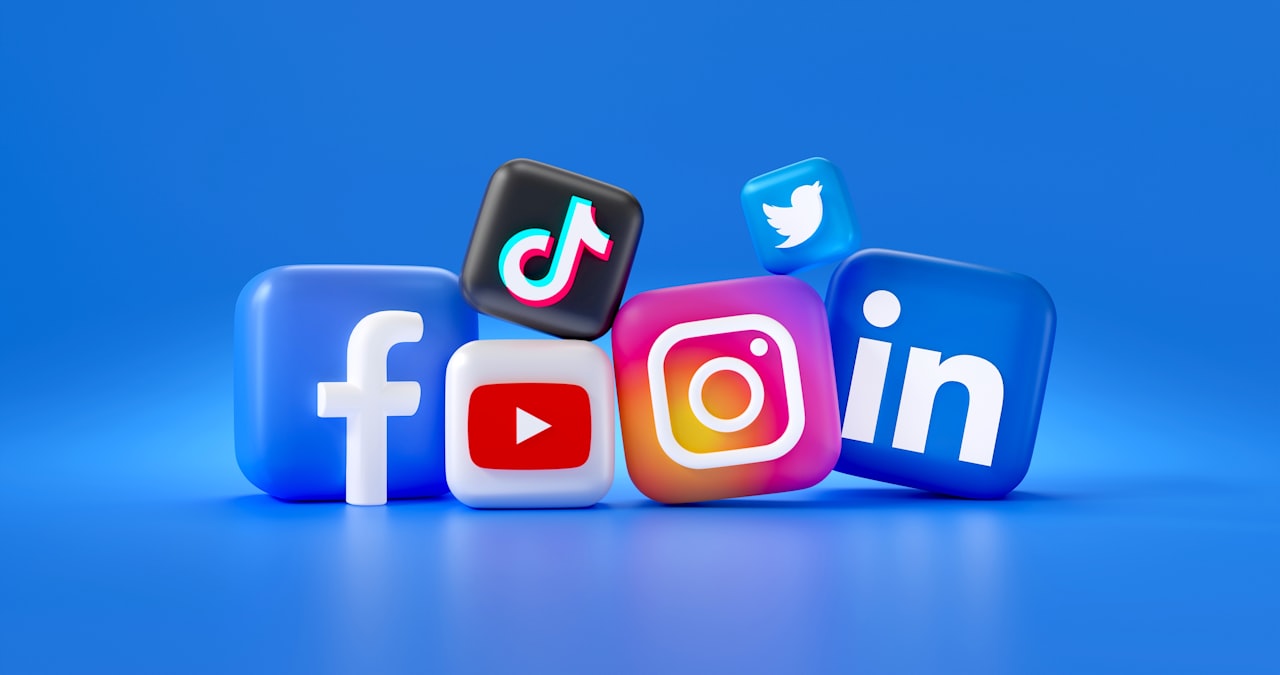
Facebook remains one of the largest platforms globally with a broad, diverse user base. Its advertising tools are among the most sophisticated and cost-effective available. Organic reach has declined substantially, but the platform’s paid capabilities remain powerful for businesses of all sizes.
Instagram excels at visual storytelling through images, Reels, Stories, and carousels. It suits lifestyle brands, F&B, fashion, beauty, and any business with strong visual appeal. LinkedIn is the premier B2B platform for thought leadership, industry insights, and professional networking. For businesses targeting decision-makers, LinkedIn often delivers the highest-value social media results.
TikTok centres on short-form video and offers exceptional organic reach through its recommendation algorithm, which can propel content to massive audiences regardless of follower count. YouTube serves as both a social platform and the world’s second-largest search engine, with content that generates views for years. Each platform has its strengths, and social media marketing success depends on choosing the right ones for your audience rather than trying to be everywhere at once.
Organic vs Paid Social Media
Organic social media encompasses everything you do without paying for distribution: publishing posts, engaging with followers, building communities, and growing your following through content quality. The primary challenge is declining reach. Most platforms now show business content to only a fraction of followers. Organic remains essential for brand building and community engagement but is rarely sufficient alone for driving business results.
Paid social involves spending on advertising to amplify reach, target specific audiences, and drive measurable actions. Every major platform offers sophisticated targeting by demographics, interests, behaviours, and remarketing to past website visitors. Common objectives include brand awareness, traffic, engagement, lead generation, conversions, and app installs.
The most effective strategies integrate both. Organic content builds brand identity, engages your community, and tests which messages resonate. Paid advertising then amplifies top-performing content to larger, precisely targeted audiences. This combination delivers far more than either approach alone. For comprehensive support, explore our social media marketing services.
Building a Content Strategy
Random posting rarely produces meaningful results. A defined content strategy ensures consistency, relevance, and alignment with business goals.
Define your brand voice and visual identity first. Consistency builds recognition and trust. Develop three to five content pillars: the core themes your content revolves around. For a digital marketing agency, pillars might include industry tips, client success stories, team culture, news commentary, and educational content.
Create a content calendar that plans posts in advance while leaving room for spontaneous, timely content. Embrace platform-native formats: Instagram prioritises Reels and carousels, LinkedIn rewards long-form text posts, TikTok centres on vertical video. Content designed for each platform’s preferred format dramatically outperforms cross-posted identical content.
Balance value types across your mix: educational, entertaining, inspiring, conversational, and promotional. Only about 20% should be directly promotional. Prioritise authenticity over polish. Behind-the-scenes glimpses, genuine stories, and honest perspectives generate more engagement than perfectly crafted but impersonal content. Audiences in 2026 value brands that feel human and trustworthy.
Community Management
Community management goes beyond posting to encompass active engagement: responding to comments, managing conversations, addressing concerns, and fostering belonging among followers.
Responsiveness matters greatly. Users expect timely replies. Responding promptly to comments and messages demonstrates value for their engagement and positively influences brand perception. Personalise responses, address people by name, and show genuine interest rather than deploying generic, robotic replies.
Handle negative feedback professionally and empathetically. How you respond to criticism publicly can significantly influence how others perceive your brand. Proactive engagement strengthens relationships: ask questions, run polls, create discussion threads, highlight user-generated content, and celebrate community milestones.
User-generated content is particularly powerful. Encouraging and sharing customer-created content serves as social proof, builds participation, and provides authentic material that resonates more strongly than brand-produced assets. Have a crisis management plan ready for negative situations, including escalation procedures and approved response templates.
Social Commerce
Social commerce integrates e-commerce directly into social platforms, allowing users to discover, browse, and purchase without leaving the app. This trend represents a significant opportunity for product-based businesses.
Instagram Shopping lets you tag products in posts, Stories, and Reels. Facebook Shops creates customisable storefronts accessible from your page. TikTok Shop has emerged as a major force, integrating product discovery into short-form video with live shopping events that have become particularly popular in Southeast Asia, including Singapore.
Social commerce reduces friction in the purchase journey. When a user spots a product in their feed, they can buy it with minimal steps rather than navigating away to search elsewhere. In Singapore, strong social media usage, tech-savvy consumers, and normalised mobile shopping have driven rapid social commerce adoption. Businesses integrating shoppable content into their strategy capture sales at the point of discovery.
Influencer Marketing
Influencer marketing partners with individuals who have established audiences and credibility to promote your brand. Influencers range from mega (over one million followers) through macro, micro (10,000 to 100,000), to nano (under 10,000). While mega-influencers offer massive reach, micro and nano-influencers often deliver higher engagement and more authentic connections.
For Singapore businesses, local micro-influencers are particularly effective because their audiences are geographically concentrated and highly relevant. Choosing partners requires evaluating engagement rate, audience demographics, content quality, and brand fit, not just follower count.
The Advertising Standards Authority of Singapore requires clear disclosure of sponsored content. Use labels like #Ad or #Sponsored, or platform-provided partnership tags. Measure ROI through reach, engagement, traffic from unique links, conversions via discount codes, and brand lift. Give influencers creative freedom to present your brand authentically to their audience.
The Singapore Social Media Landscape
Singapore has one of the highest social media penetration rates globally. Virtually any consumer audience can be reached through social platforms. The most widely used include Facebook, Instagram, TikTok, LinkedIn, YouTube, and WhatsApp.
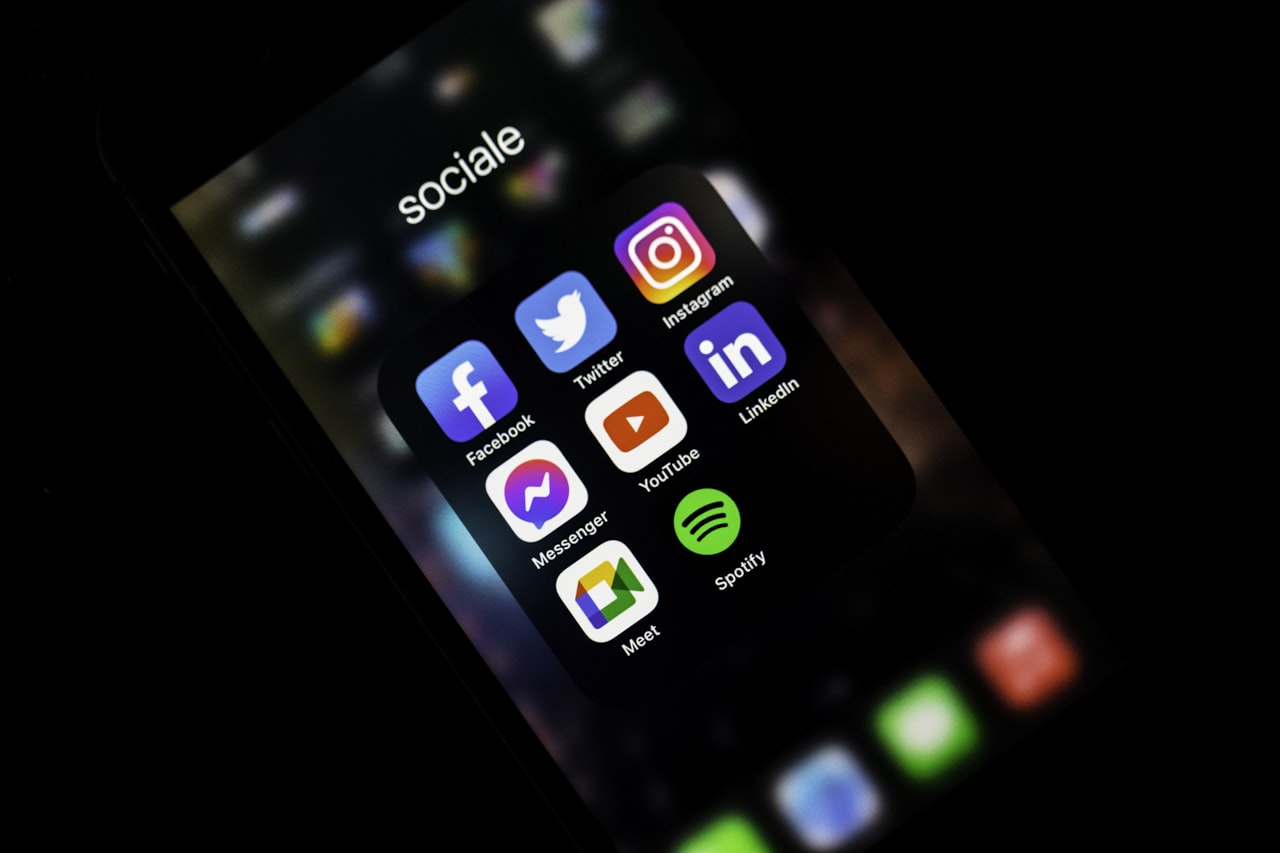
Platform preferences vary by demographic. Younger Singaporeans lean towards TikTok and Instagram. Professionals engage actively on LinkedIn. Facebook maintains a broad base across age groups. Short-form video dominates content consumption among younger users, while long-form content performs well for professional and educational topics.
While English is primary, content in Mandarin, Malay, and Tamil can reach specific community segments. The informal Singlish dialect, when used appropriately, helps brands connect with local audiences authentically. E-commerce integration is strong, with high digital payment adoption and robust logistics infrastructure supporting social commerce.
Singapore’s PDPA has implications for data collection through social campaigns, remarketing, and lead generation. Ensure personal data from forms, contests, and customer interactions is handled compliantly. For businesses targeting Singaporean audiences, social media offers unparalleled opportunities for brand building, community engagement, and direct sales. The key is selecting the right platforms and maintaining consistency in your content marketing efforts.
Frequently Asked Questions
Which social media platform is best for my business?
It depends on your audience and goals. B2B businesses thrive on LinkedIn. B2C brands often find success on Instagram, Facebook, and TikTok. Research where your specific audience spends time and focus there rather than spreading thin across every platform.
How often should I post on social media?
Three to five times per week on Instagram and LinkedIn, daily on TikTok, and one to three times per week on Facebook provides a solid foundation. Consistency matters more than volume. High-quality content posted less frequently beats mediocre content posted constantly.
Is social media marketing free?
Creating profiles and posting organically is free. Effective social media marketing involves content creation costs, management tools, team time, and increasingly paid advertising budgets. Even modest paid investment amplifies results significantly compared to organic-only approaches.
How do I handle negative comments?
Respond promptly, professionally, and empathetically. Acknowledge the concern, apologise if appropriate, and offer to resolve the issue through direct messages. Never ignore complaints or respond defensively. Solution-oriented responses often impress observers and turn negatives into positives.
Should I hire a social media manager or an agency?
An in-house manager suits businesses where social media is a primary channel with high volume and active engagement. An agency is cost-effective for strategic expertise and multi-platform management without full-time overhead. Many businesses use a hybrid: in-house community management with agency-led strategy, content, and paid advertising.
How do I measure social media ROI?
Track metrics aligned with objectives: reach and impressions for awareness, engagement rates for content resonance, website traffic from social referrals, leads generated, and revenue attributed to social campaigns. Use UTM parameters and Google Analytics to connect social activity to business outcomes.
What is the ideal video length for social media?
TikTok and Reels perform best at 15-60 seconds. LinkedIn video works well at 1-3 minutes. YouTube content can run 8-20 minutes for educational material. The key across all platforms is capturing attention in the first three seconds and delivering value quickly.
How much should I spend on social media advertising in Singapore?
Start with SGD 500 to SGD 1,000 per month to test audiences and creative. Scale based on results. Most SMEs spend SGD 1,000 to SGD 5,000 monthly on paid social. The minimum to generate meaningful data and learning is typically SGD 500 per platform per month.
Can B2B businesses benefit from social media marketing?
Absolutely. LinkedIn is a powerful B2B channel. Content marketing through social media builds authority. Thought leadership posts generate inbound enquiries. Paid LinkedIn campaigns can target by job title, company size, and industry with precision unavailable on any other platform.
How do I create content that performs well on multiple platforms?
Create one production session with multiple outputs: a long-form video for YouTube, a 30-second edit for Reels and TikTok, key quotes as text posts for LinkedIn, and still frames for Instagram carousels. Repurpose strategically rather than cross-posting identical content.