Semrush Guide: Features, Use Cases and How to Use It for SEO and PPC Research
Table of Contents
What Semrush Offers and Who It Is For
This Semrush guide provides an honest evaluation of the platform’s capabilities, pricing and suitability for Singapore businesses. Semrush is an all-in-one digital marketing toolkit with its roots in competitive intelligence. It covers keyword research, site auditing, backlink analysis, rank tracking, PPC research, content marketing, social media management and local SEO — making it one of the most comprehensive platforms available for marketing professionals.
Semrush targets marketing agencies, in-house SEO teams, PPC managers and content marketers who need competitive data across multiple channels. The platform’s strength is its breadth: instead of needing separate tools for keyword research, backlink analysis, ad intelligence and content planning, Semrush consolidates these functions into a single interface with shared data.
For Singapore businesses investing in SEO and paid search, Semrush provides the competitive intelligence needed to make informed strategic decisions. It shows what keywords your competitors rank for, what ads they run, where their backlinks come from and how their content performs. This visibility into competitor strategies is particularly valuable in Singapore’s competitive digital landscape.
Pricing and Plan Comparison
Semrush offers three paid plans: Pro, Guru and Business. Pro costs US$139.95 per month and includes core SEO, PPC and competitive research tools with limits of 500 keywords to track, 10,000 results per report and 5 projects. This tier suits freelancers, sole marketers and small businesses managing a single website or a handful of client sites.

Guru costs US$249.95 per month and adds content marketing tools, historical data access, Looker Studio integration, 1,500 tracked keywords and 15 projects. The content marketing toolkit — including topic research, SEO writing assistant and content audit — makes Guru the sweet spot for agencies and in-house teams that create content regularly.
Business costs US$499.95 per month and adds API access, extended limits, Share of Voice metrics, 5,000 tracked keywords and 40 projects. This tier is built for large agencies and enterprise teams managing multiple client accounts with high-volume data needs. Most Singapore SMEs will find the Pro or Guru tier sufficient.
Additional users cost US$45-100 per month depending on your plan. Semrush does not offer a meaningful free tier — the free account limits you to ten searches per day with restricted data, which is enough for occasional spot checks but not for regular use. Annual billing saves approximately 17% over monthly pricing.
SEO Features Evaluation
Keyword research is Semrush’s flagship capability. The Keyword Magic Tool generates keyword suggestions from a seed term, with filters for volume, difficulty, intent, word count and SERP features. The database covers Singapore-specific search data, which is essential for local keyword targeting. Keyword difficulty scores help you prioritise opportunities where you have a realistic chance of ranking.
Site Audit crawls your website and identifies technical SEO issues including broken links, duplicate content, missing meta tags, slow pages, crawl errors and schema markup problems. The tool categorises issues by severity and provides fix recommendations. For Singapore businesses managing their own technical SEO or working with a specialist SEO provider, the site audit provides a clear prioritised checklist.
Backlink analysis through Semrush’s database covers a large portion of the web’s link graph. You can analyse your own backlink profile, identify toxic links, discover competitor backlink sources and find link building opportunities. The backlink gap tool compares your link profile against competitors to reveal domains that link to them but not to you — a practical prospecting method for outreach campaigns.
Rank tracking monitors your keyword positions daily across Google and Bing, with location-specific tracking for Singapore or any other target market. The tool tracks featured snippets, local pack positions and SERP features. Position Tracking also shows visibility trends over time, helping you measure the impact of your SEO efforts against competitors.
PPC and Advertising Features
Advertising Research reveals competitor ad strategies including the keywords they bid on, their ad copy, estimated ad spend and traffic from paid search. For Singapore businesses running Google Ads campaigns, this intelligence helps you identify profitable keywords that competitors target and discover gaps in their coverage that you can exploit.

The PLA (Product Listing Ads) research tool shows competitor Google Shopping strategies including which products they advertise, their pricing and their ad positioning. E-commerce businesses can use this data to optimise their own Shopping campaigns and identify competitive pricing opportunities.
The Semrush guide assessment of PPC features is that they are strong for competitive intelligence but do not replace Google Ads’ own reporting and optimisation tools. Semrush tells you what competitors are doing and helps you plan your strategy. Google Ads manages the actual campaign execution. The two tools complement each other rather than overlap.
Display advertising research shows competitor banner ads, their publishing networks and creative approaches. Social media ad tracking covers Facebook and Instagram ad creative. These features give you a comprehensive view of competitor advertising activity across channels, which informs your own creative strategy and media planning.
Content and Social Media Tools
The Content Marketing Toolkit, available on Guru and above, includes topic research for identifying content opportunities, SEO Writing Assistant for optimising content in real time, content audit for evaluating existing content performance and post tracking for monitoring published content metrics. These tools are useful for teams that produce content regularly and want to ensure every piece is optimised for search.
Topic Research generates content ideas based on a seed topic, showing related subtopics, questions people ask, and headlines that have performed well. For content marketing teams in Singapore, this tool accelerates the ideation phase and ensures you are covering topics your audience actively searches for.
Social Media Toolkit covers scheduling, publishing and basic analytics for Facebook, Instagram, LinkedIn, Twitter and Pinterest. The functionality is adequate for small teams managing a few accounts but less powerful than dedicated social media management platforms like Sprout Social, Hootsuite or Buffer. Consider it a convenience feature rather than a core strength of the platform.
Local SEO tools include listing management across directories, review monitoring and local rank tracking. For Singapore businesses with physical locations, these features help maintain consistent business information across local directories and track visibility in Google’s local pack results.
Strengths and Limitations
Semrush’s primary strength is breadth. No other single platform covers SEO, PPC intelligence, content marketing, social media and competitive analysis as comprehensively. For marketing teams and agencies that work across multiple channels, the consolidated view saves time and subscription costs compared to maintaining separate tools for each function.
Data accuracy for Singapore-specific searches is generally reliable for medium-to-high volume keywords. For very low volume, long-tail keywords specific to the Singapore market, data can be sparse or missing. This is a limitation shared by all global SEO tools when applied to smaller national markets. Supplement Semrush data with Google Search Console for the most accurate picture of your own performance.
The learning curve is moderate. With so many tools and features, new users can feel overwhelmed. Semrush’s interface has improved but remains complex due to the sheer number of options. Budget one to two weeks for a new team member to become proficient with the core features. The Semrush Academy offers free certification courses that accelerate this process.
Pricing is a limitation for smaller Singapore businesses. At US$140-500 per month, Semrush represents a significant investment. Businesses that only need keyword research or only need backlink analysis may find cheaper alternatives for those specific functions. The value proposition is strongest for teams that use multiple Semrush features regularly.
Semrush Versus the Alternatives
Semrush versus Ahrefs is the most debated comparison in SEO. Ahrefs has a larger backlink index and many SEO professionals consider its backlink data superior. Semrush offers broader functionality including PPC research, social media tools and content marketing features that Ahrefs does not match. If your primary need is backlink analysis and keyword research, both tools are excellent. If you need PPC intelligence and content tools alongside SEO, Semrush offers more.
Semrush versus Moz is relevant for businesses new to SEO. Moz offers a simpler, more beginner-friendly interface with strong community resources and educational content. Semrush provides more data, more features and greater depth for experienced users. Moz suits small businesses learning SEO; Semrush suits teams executing advanced SEO and PPC strategies.
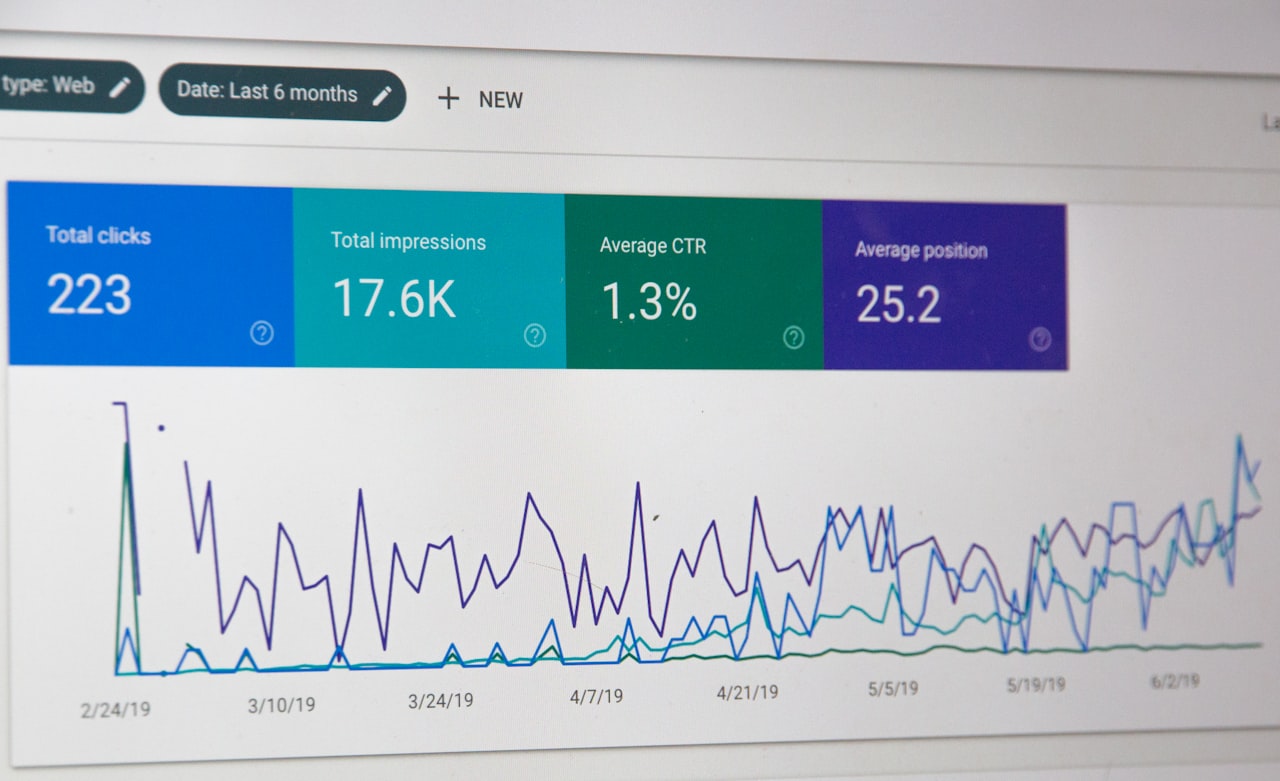
Semrush versus Google Search Console is not an either-or choice. Search Console provides your own performance data — actual clicks, impressions, positions and indexing status — for free. Semrush provides competitive data, keyword opportunities and third-party analysis. Every SEO practitioner should use Search Console alongside whatever commercial tool they choose.
Semrush versus SE Ranking appeals to budget-conscious businesses. SE Ranking offers similar core features — keyword research, rank tracking, site audit and competitive analysis — at lower price points starting around US$65 per month. The data depth and accuracy are lower than Semrush, but for smaller businesses with modest needs, the savings can be worthwhile.
Frequently Asked Questions
Is Semrush worth the cost for a Singapore SME?
If you actively manage SEO and PPC campaigns and use the competitive intelligence, keyword research, site audit and rank tracking features regularly, the investment pays for itself through better-informed decisions. If you only need occasional keyword research, the cost is harder to justify. Consider whether you use enough features to warrant the subscription.
How accurate is Semrush’s Singapore keyword data?
For keywords with monthly search volumes above 100, Semrush’s Singapore data is generally reliable. Very low volume and niche keywords may show incomplete data. Always cross-reference with Google Search Console for your own site’s performance data, which is the most accurate source for keywords you already rank for.
Can I use Semrush for competitor analysis?
Yes, competitive analysis is one of Semrush’s strongest capabilities. You can analyse any competitor’s organic keywords, paid keywords, backlinks, top pages, ad copy, display ads and content performance. The competitive gap tools highlight specific opportunities where you can outperform rivals in search and advertising.
Does Semrush offer a free trial?
Semrush occasionally offers 7-day free trials of Pro and Guru plans. The free account provides limited access — 10 searches per day with capped results — which is enough for occasional spot checks but not for regular use. Check the Semrush website for current trial availability.
How does Semrush compare to Ahrefs for backlink analysis?
Ahrefs generally has a larger backlink index and updates more frequently, making it the preferred tool for link building professionals. Semrush’s backlink database is substantial and sufficient for most businesses. If backlink analysis is your primary use case, Ahrefs has an edge. If you need SEO plus PPC plus content tools, Semrush’s broader feature set wins.
Can multiple team members use one Semrush account?
Each Semrush plan includes one user seat. Additional seats cost US$45-100 per month depending on your plan. Sharing login credentials violates terms of service and risks account suspension. For teams, budget for the appropriate number of seats or consider whether one power user can handle the research and share insights with the team.
What is Semrush’s keyword difficulty score?
Keyword difficulty is a percentage score estimating how hard it would be to rank on Google’s first page for a given keyword. It considers the authority and backlink profiles of currently ranking pages. Use it as a prioritisation tool — target a mix of low-difficulty quick wins and high-difficulty strategic targets in your SEO planning.
Does Semrush integrate with Google Analytics and Search Console?
Yes. Connecting Google Analytics and Search Console to Semrush enriches your reports with actual performance data alongside Semrush’s third-party estimates. This integration provides a more complete picture and improves the accuracy of recommendations in the site audit and position tracking tools.
Is Semrush suitable for local SEO in Singapore?
Semrush includes local SEO features including local rank tracking, listing management and review monitoring. These features are functional for Singapore businesses with physical locations. For dedicated local SEO management, tools like BrightLocal offer deeper local-specific functionality, but Semrush’s local tools are adequate as part of a broader SEO strategy.
Should I choose Semrush Pro or Guru?
Choose Pro if you manage a single website or a small number of client sites and primarily need keyword research, competitive analysis and rank tracking. Choose Guru if you create content regularly and need the content marketing toolkit, historical data access and higher usage limits. For most actively marketing Singapore businesses, Guru offers the best balance of features and cost.