Part of our Social & Influencer Marketing guide →
Table of Contents
Why Micro-Influencers Outperform Bigger Names
Micro influencer marketing singapore has emerged as one of the most cost-effective strategies for reaching engaged audiences and driving measurable results. The data is compelling: micro-influencers consistently deliver engagement rates two to four times higher than macro-influencers, while costing a fraction of the price. For Singapore businesses seeking authentic brand connections without six-figure campaign budgets, micro-influencers represent the sweet spot between reach and resonance.
Several factors drive this performance advantage. Micro-influencers are perceived as more genuine and relatable than larger creators. Their content feels like a personal recommendation from a trusted friend rather than a polished advertisement. In Singapore, where consumers are savvy and sceptical of overtly commercial content, this authenticity translates directly into higher click-through rates and conversions.
Niche audience targeting is another decisive advantage. Rather than broadcasting to a broad, undifferentiated audience, you reach precisely defined segments: fitness enthusiasts in the east, parents of primary school children, foodie office workers in the CBD. This precision reduces waste and improves message relevance. Beyond distribution, micro-influencers create high-quality, authentic content that can be repurposed across your own social media channels, extending value well beyond the initial campaign period.
Singapore’s compact but digitally sophisticated market makes it particularly well suited to micro-influencer strategies. High social media penetration, a diverse population and strong consumer culture create an environment where niche creators wield genuine influence within their communities.
Understanding Influencer Tiers
Influencer marketing operates across a spectrum, and selecting the right tier requires clarity about your objectives, budget and target audience.

Nano-influencers (1,000 to 10,000 followers) are everyday consumers with small but fiercely loyal followings. They maintain strong personal connections with their audience and are perceived as completely authentic. In Singapore, nano-influencers often focus on hyper-local content or very specific niches. Their recommendations carry weight within their circles, though reach is naturally limited. Engagement rates often exceed 8 per cent.
Micro-influencers (10,000 to 50,000 followers) occupy the optimal balance between reach and engagement. They have built followings around specific niches, whether Singapore food culture, beauty tutorials, fitness, family life or technology reviews. Audiences are large enough for meaningful exposure yet small enough to maintain genuine interaction. This tier typically offers the best cost-to-impact ratio for Singapore brands.
Macro-influencers (50,000 to 500,000 followers) offer broader reach and higher production values at significantly higher costs. Engagement rates tend to be lower as a percentage of audience, and content may feel more commercialised. They are best suited to brand awareness campaigns where reach is the primary objective.
Mega-influencers and celebrities (500,000+ followers) provide the widest reach but command premium pricing and often the lowest engagement rates. In Singapore’s relatively small market, few influencers reach this tier, and those who do charge rates prohibitive for most SMEs.
Finding the Right Partners in Singapore
Identifying the right micro-influencers requires a systematic approach that goes beyond follower counts to assess content quality, audience fit and engagement authenticity.
Discovery platforms. Tools like Heepsy, Collabstr, Upfluence and HypeAuditor allow you to search by location, niche, follower count, engagement rate and audience demographics. These are particularly useful for filtering Singapore-based influencers and verifying that their audiences genuinely reside in the market. Most offer free trials to evaluate their databases before committing.
Hashtag research. Search for Singapore-specific hashtags on Instagram and TikTok: #sgfoodie, #singaporebeauty, #sgmummy, #sgfitness and industry-specific variations. This manual approach is time-consuming but often reveals hidden gems that platform databases miss.
Your own community. Some of the best partners are already your customers. Review social media mentions, tagged posts and brand community to identify customers creating content about your brand organically. These authentic advocates make ideal influencer partners because their endorsement is built on genuine experience.
Vetting for authenticity. Before engaging anyone, verify follower and engagement authenticity. Red flags include sudden follower spikes, disproportionately low engagement relative to follower count, generic comments and inconsistent audience demographics. HypeAuditor and Social Blade help identify suspicious patterns. In Singapore’s market, fake followers remain a known issue, and thorough vetting is non-negotiable.
For professional micro influencer marketing singapore campaign management, our influencer marketing services team handles discovery, vetting, outreach and campaign execution.
Campaign Types and Structures
Different structures serve different objectives. Choose the approach that aligns with your goals, budget and product category.

Product gifting. Sending free products in exchange for honest reviews is the simplest, most cost-effective approach. Works best for products with visual appeal and relatively low unit costs. There is no guarantee of coverage, but the minimal investment makes it an excellent starting point. Food, beauty, lifestyle and tech products are particularly suited to gifting in Singapore.
Paid sponsored content. Fixed-fee campaigns where the influencer creates specific deliverables offer more control and guaranteed output. Specify the number of posts, stories, reels or videos along with key messages and mandatory elements. Allow creative freedom within these parameters to maintain the authenticity that makes micro-influencer content effective.
Affiliate and performance-based campaigns. Provide unique discount codes or affiliate links and pay commissions on resulting sales. This aligns incentives and provides clear ROI measurement. Hybrid models combining a base fee with performance bonuses often work well, balancing guaranteed compensation for the creator with performance alignment for the brand.
Brand ambassador programmes. Long-term partnerships running three to twelve months where influencers create regular content, attend events and serve as ongoing advocates. These build deeper audience familiarity and enable more integrated storytelling. Repeated mention over months moves followers through awareness to consideration to purchase far more effectively than a single post.
Event-based campaigns. Invite influencers to product launches, store openings or curated experiences. Singapore’s vibrant events scene offers numerous opportunities, and in-person experiences typically generate more enthusiastic, authentic content than product-only collaborations.
Singapore Micro-Influencer Rates
Understanding typical rates helps you budget effectively and negotiate fairly. These are indicative 2026 ranges for micro influencer marketing singapore campaigns with creators in the 10,000 to 50,000 follower range.
Instagram: SGD 300 to 800 for a single in-feed post. SGD 150 to 400 for a set of three to five Stories. SGD 400 to 1,200 for a Reel. Higher-end rates apply to influencers with above-average engagement or in premium niches like luxury, finance or technology.
TikTok: SGD 300 to 1,000 per video, varying by expected reach, engagement and production complexity. Rates have increased as TikTok’s commercial importance has grown, particularly for creators who consistently achieve viral reach.
YouTube: SGD 800 to 2,500 for a dedicated video. SGD 400 to 1,000 for a brand integration within a broader video. YouTube Shorts are priced similarly to TikTok videos. The higher rates reflect greater production effort required for long-form content.
Blog content: SGD 300 to 1,000 for sponsored posts, depending on domain authority, traffic and content quality. Blog content offers long-term SEO value that social posts lack, making it a worthwhile complement.
Package deals: Multi-platform packages or multi-post commitments typically attract discounts of 15 to 25 per cent. A package including one Instagram post, three Stories and one TikTok video might run SGD 800 to 1,800.
Creating Effective Content Briefs
A well-crafted brief balances brand requirements with creative freedom. Overly restrictive briefs produce inauthentic content that underperforms, while overly vague briefs miss key messages.
Brand overview. Provide a concise summary of your brand, mission, target audience and unique selling propositions. Include links to your website and social profiles. This context helps influencers align their content with your broader brand narrative.
Key messages. Provide three to five talking points that should be incorporated naturally. Product features, benefits, unique value propositions or specific claims. Avoid scripting exact language; give influencers the information needed to communicate your message in their own voice.
Content specifications. Specify format, platform, aspect ratio and any duration requirements. Include examples of content styles you admire while noting you are seeking their unique interpretation. List mandatory elements: hashtags, tags, disclosure language and link placements.
Creative freedom. Explicitly state where the influencer has latitude. The best-performing content comes from creators empowered to interpret the brief through their own creative lens. They know their audience better than you do.
Compliance. All influencer partnerships in Singapore must comply with the Advertising Standards Authority of Singapore (ASAS) guidelines on disclosure of sponsored content. Ensure your brief includes clear instructions about disclosure requirements. Your content marketing strategy should incorporate influencer content as a key distribution channel.
Measuring Campaign ROI
Measuring returns requires tracking both direct and indirect metrics across the full customer journey.
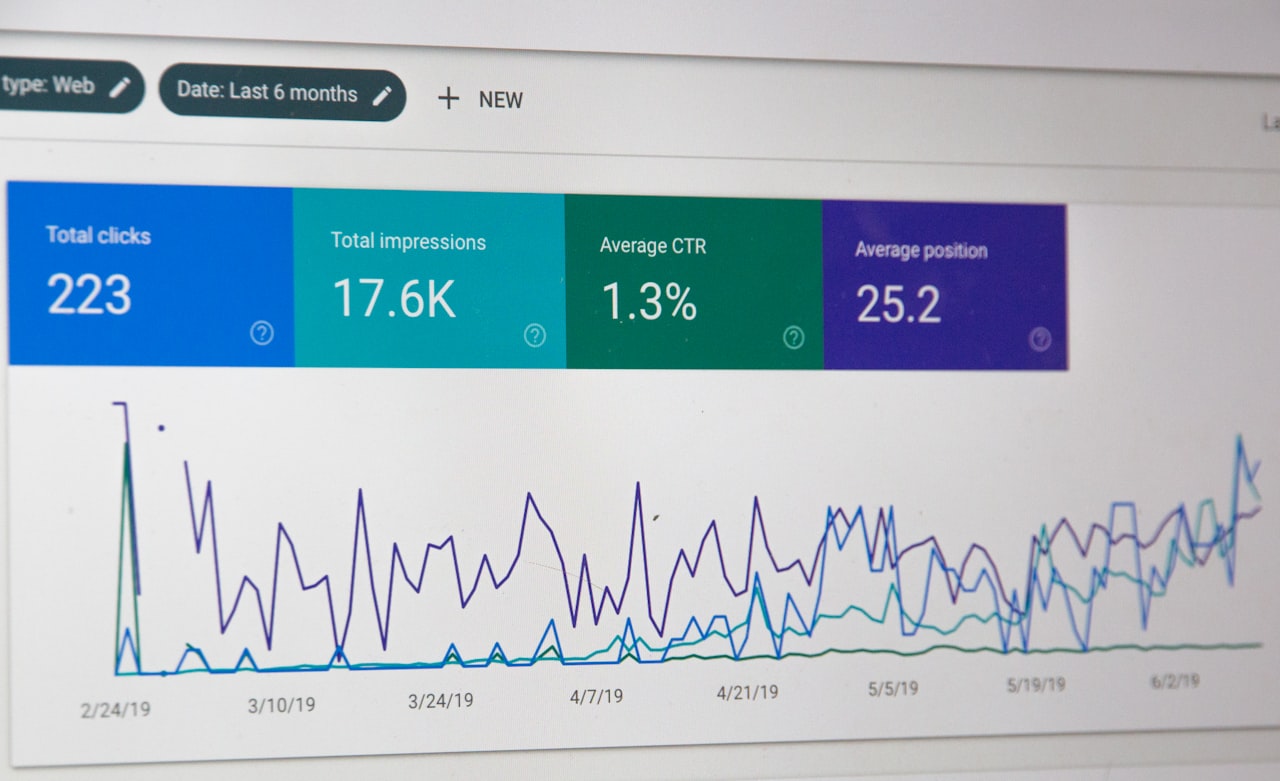
Engagement metrics. Monitor likes, comments, saves, shares and video views for each piece of content. Calculate engagement rates relative to the influencer’s historical average to determine whether campaign content performed above or below their norm. High engagement signals strong brand-influencer fit.
Traffic and conversions. Use unique UTM parameters, trackable links and dedicated landing pages to measure traffic and conversions from each influencer. This provides the clearest direct ROI picture. Integrating with Google Ads for remarketing these audiences can further amplify returns.
Discount code tracking. Unique codes assigned to each influencer enable precise sales attribution. Track redemption rates, order values and customer lifetime value to understand not just volume but the quality of customers each influencer attracts.
Content value. Assess what it would cost to produce equivalent content through professional agencies or in-house teams. If you have secured usage rights, this content can be repurposed across your own channels, extending value well beyond the initial campaign. Many Singapore brands find that the content creation value alone justifies the partnership cost.
Brand lift. Measure changes in brand awareness, consideration and sentiment among the influencer’s audience through social listening, branded search volume changes and post-campaign surveys.
Frequently Asked Questions
How many micro-influencers should I work with per campaign?
For focused niche campaigns, three to five micro-influencers deliver meaningful results. For broader brand awareness, 10 to 20 across different niches and platforms provide wider coverage and more content assets. Start small, measure results and scale based on performance data.
Should I give influencers full creative control?
Provide clear guidelines and key messages but allow significant creative freedom within those parameters. Micro-influencers know their audience better than you do, and overly restrictive briefs produce content that feels inauthentic and underperforms. Set the strategic direction and let the influencer execute in their unique voice.
How do I verify that followers are genuine?
Use audience analysis tools like HypeAuditor or Heepsy to assess authenticity. Look for consistent growth patterns, engagement rates aligned with follower counts, genuine comments from real accounts and audience demographics matching Singapore. Request analytics screenshots and compare with third-party data. Be wary of sudden follower spikes.
What is a good engagement rate for Singapore micro-influencers?
On Instagram, 3 to 7 per cent is strong for micro-influencers in Singapore. On TikTok, 5 to 15 per cent depending on content type. Rates vary by niche, with food, lifestyle and parenting content typically generating higher engagement than finance or technology. Always compare to niche averages rather than applying a universal benchmark.
Is micro-influencer marketing suitable for B2B?
Yes, though the approach differs from B2C. B2B micro-influencers include industry thought leaders, consultants, tech reviewers and professional content creators on LinkedIn, YouTube and specialist blogs. Their audiences are smaller but comprise decision-makers and professionals in specific industries. Complement influencer campaigns with LinkedIn marketing for maximum professional reach.
How long does it take to see results?
Initial engagement metrics are visible within days of content going live. Traffic and conversion data accumulates over one to four weeks. Brand lift effects develop over four to eight weeks with sustained campaigns. One-off posts generate a short-term spike, while ambassador programmes build compounding awareness over months.
Can I repurpose influencer content for my own channels?
Yes, provided you negotiate usage rights in your contract. Specify where you will use the content, for how long, and whether you can modify it. Many influencers include basic usage rights in their fee, while extended rights for paid advertising or long-term use may incur an additional charge of 20 to 50 per cent.
What is the biggest mistake brands make with micro-influencer campaigns?
Choosing influencers based solely on follower count rather than audience fit and engagement quality. A food influencer with 15,000 highly engaged Singaporean followers will outperform a general lifestyle influencer with 50,000 followers when promoting a restaurant. Relevance and authenticity matter more than reach.