Table of Contents
Why Small Businesses Need a CRM
Customer relationship management software has become essential for small businesses in Singapore that want to scale without losing track of prospects and customers. In a competitive market where personalised service differentiates you from larger competitors, a CRM ensures that no lead falls through the cracks and every customer interaction is documented and actionable.
The best CRM software small business owners can invest in transforms scattered spreadsheets and email threads into a streamlined pipeline that closes more deals consistently. Singapore’s small business landscape — characterised by lean teams, fast-moving deals, and the need to maximise every dollar — demands tools that deliver immediate productivity gains rather than months of configuration before seeing value.
If you have more than a handful of customers or leads to manage, a CRM provides immediate benefits even for solo operators. The time saved and deals you avoid losing typically justify even a paid CRM within weeks. Given that genuinely useful free options exist, the barrier to entry is virtually zero.
Free CRM Options That Actually Work
Three platforms offer free CRM tiers that provide genuine functionality rather than stripped-down trials designed to force upgrades.

HubSpot CRM is the most generous free CRM available, offering unlimited users, up to one million contacts, deal tracking with a visual pipeline, email tracking, meeting scheduling, and live chat. The free tier is remarkably complete — most small businesses can operate on it for months before needing paid features. The catch is that costs escalate rapidly once you move to paid hubs, with per-seat pricing on the Sales Hub starting at USD 20 per month. For Singapore businesses that value an integrated approach to marketing and sales, HubSpot’s ecosystem is compelling.
Freshsales (Freshworks) offers a free plan supporting up to three users with built-in phone and email communication — a standout feature for sales teams that rely on phone outreach. The Growth plan at USD 11 per user per month adds visual pipelines and AI-powered lead scoring, making it one of the most affordable paid upgrades available.
Zoho CRM provides a free edition for up to three users with basic contact and deal management. What makes Zoho particularly attractive is its paid tier pricing — the Standard plan at USD 20 per user per month delivers features that rival platforms charging two to three times as much. For budget-conscious Singapore businesses already using other Zoho products like Zoho Books, the integrated ecosystem offers exceptional value.
Sales-Focused CRMs for Pipeline Management
If your primary goal is managing a sales pipeline efficiently, dedicated sales CRMs provide a cleaner, more focused experience than all-in-one platforms.
Pipedrive has the most intuitive visual pipeline interface of any CRM. Its drag-and-drop deal management makes it immediately productive — you can be closing deals within hours of setup, not days. Plans start at USD 24 per user per month, and the focus on sales activities keeps teams oriented toward revenue-generating actions. Pipedrive lacks built-in marketing features, so you will need separate tools for email marketing and automation.
Close is built specifically for inside sales teams, with built-in calling, SMS, and email capabilities that eliminate separate communication tools. The power dialler and predictive dialler are best-in-class for phone-heavy sales operations. At USD 59 per user per month for the Startup plan, it is pricier but delivers genuine efficiency for Singapore B2B companies, recruitment agencies, and real estate firms where phone outreach drives revenue. Pair it with strong Google Ads campaigns to fill the pipeline with qualified leads.
All-in-One CRM and Marketing Platforms
Some businesses need CRM functionality alongside email marketing, automation, and content management. Integrated platforms reduce tool sprawl but may compromise on depth in any single area.
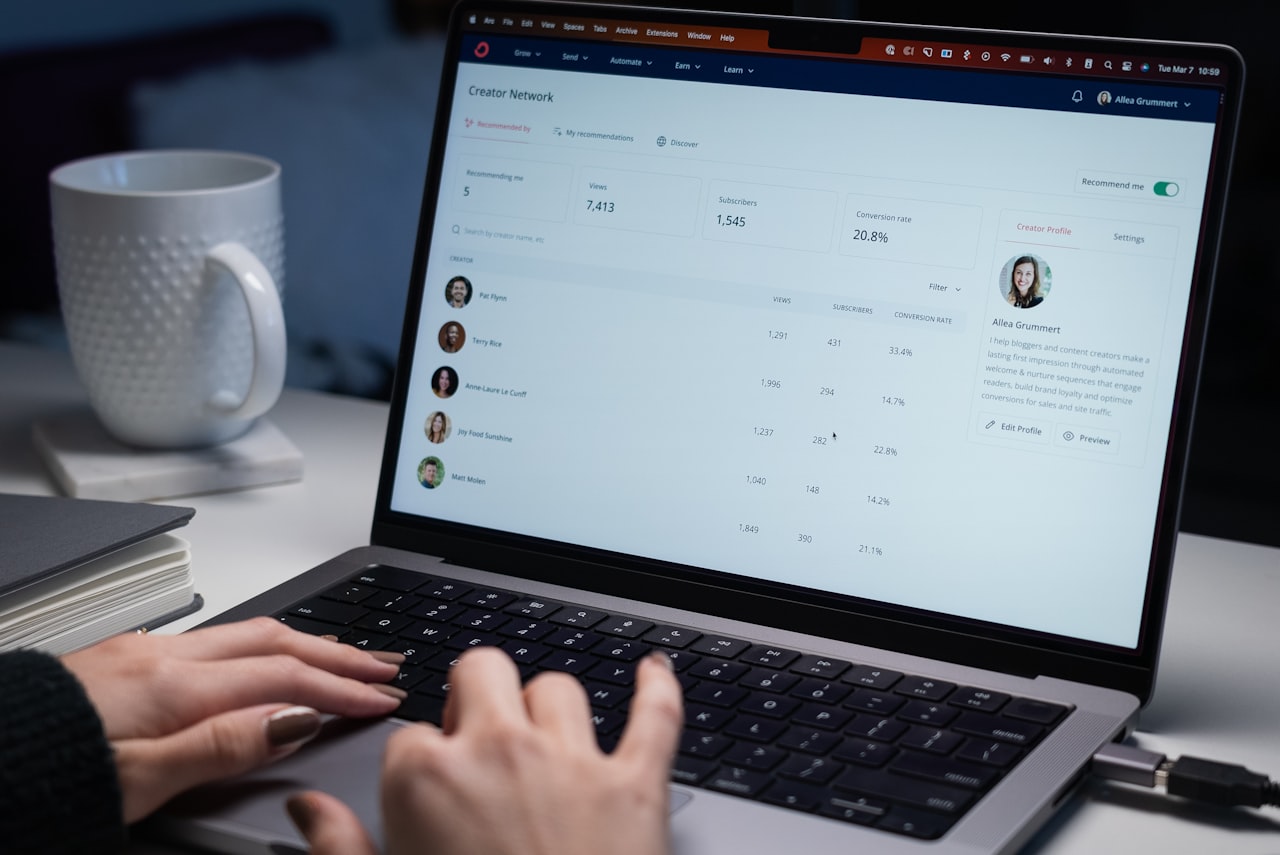
HubSpot (paid tiers) is the strongest all-in-one option, combining CRM, marketing automation, sales tools, and customer service in a unified platform. The Marketing Hub Professional at USD 890 per month is a significant investment but includes advanced automation, smart content personalisation, and attribution reporting that justify the cost for businesses with a mature digital marketing strategy.
Zoho CRM paired with Zoho Campaigns and Zoho Desk creates an affordable all-in-one suite at a fraction of HubSpot’s cost. The Enterprise plan at USD 50 per user per month includes advanced customisation that rivals Salesforce. For Singapore SMEs wanting comprehensive capabilities without premium pricing, Zoho’s ecosystem is hard to beat — especially when combined with email marketing through Zoho Campaigns.
Monday CRM extends Monday.com’s visual project management platform with CRM-specific features. At USD 15 per seat per month (minimum three seats), it suits creative agencies and service businesses that need CRM alongside project management. The highly visual, customisable interface improves team adoption, though CRM-specific features like lead scoring are less mature than dedicated platforms.
Enterprise-Ready Options for Growing Businesses
If you anticipate significant growth, choosing a platform you will not outgrow prevents costly migrations later.
Salesforce Essentials brings enterprise-grade CRM to small businesses starting at USD 25 per user per month. The customisation potential is unmatched — as your business grows, Salesforce adapts to virtually any workflow. The AppExchange marketplace provides thousands of integrations. However, the learning curve is steeper, setup often requires consulting, and the interface is less intuitive than HubSpot or Pipedrive. Choose Salesforce when scalability is your top priority.
Capsule CRM occupies the opposite end of the spectrum — a straightforward, no-frills CRM designed for small businesses wanting effective pipeline management without complexity. At USD 21 per user per month, it integrates seamlessly with Xero, which is the dominant accounting platform for Singapore businesses. If you use Xero and want your CRM to integrate cleanly, Capsule is a natural choice.
How to Choose the Right CRM
Selecting the best CRM software small business owners should adopt requires clarity on priorities. Use this framework to narrow your options.
Budget-first approach: Start with HubSpot CRM (free), Zoho CRM Free, or Freshsales Free. All three offer genuine functionality at no cost. As needs grow, Zoho CRM delivers the best features per dollar at paid tiers.
Sales-process focused: Pipedrive for visual pipeline management, Close or Freshsales for phone-heavy sales, Monday CRM for highly customisable visual workflows.
Growth and scalability: Salesforce and HubSpot are the safest long-term bets, though Zoho scales well at lower cost. Consider where your business will be in two to three years.
Integration needs: If you use Xero, choose Capsule. If you use Monday.com for project management, extend with Monday CRM. If you run HubSpot for marketing, HubSpot CRM provides the deepest integration.
Integration and Implementation Considerations
The best CRM software small business teams can deploy is one that integrates with your existing tools and gets adopted by your team. A powerful CRM that nobody uses is worthless.
For Singapore businesses, key integrations include Xero or QuickBooks for accounting, local payment gateways, and your website’s contact forms. Ensure your CRM connects to your email platform — whether Gmail, Outlook, or a marketing tool like Mailchimp — so that communication history is captured automatically.
Implementation timelines vary significantly. Simple CRMs like Pipedrive and Capsule can be productive within hours. HubSpot and Zoho typically need one to two weeks for proper configuration. Salesforce may require several weeks with professional assistance. Start with a basic setup and refine over time rather than configuring everything perfectly before starting.
For help aligning your CRM with a comprehensive strategy, our digital marketing services team advises on tool selection and integration that supports your broader marketing goals.
Frequently Asked Questions
What is the best free CRM for small businesses in Singapore?
HubSpot CRM offers the most complete free CRM with unlimited users and up to one million contacts. Freshsales Free is the best option if you need built-in phone and email for up to three users. Zoho CRM Free suits small teams wanting good customisation options at no cost.
Do I really need a CRM if my business is very small?
If you have more than a handful of customers or leads, a CRM provides immediate benefits even for solo operators. It prevents leads from being forgotten, tracks follow-ups, and provides complete interaction history. Free options like HubSpot CRM eliminate the cost barrier entirely.
How long does it take to set up a CRM?
Pipedrive and Capsule can be productive within hours. HubSpot and Zoho typically take one to two weeks. Salesforce may need several weeks to months for full implementation. Start with basic setup and refine over time.
Should I choose a dedicated CRM or an all-in-one marketing platform?
If your primary need is managing sales relationships, a dedicated CRM like Pipedrive or Close serves you better. If you need CRM plus email marketing and automation, HubSpot or Zoho provides better value than stitching together separate tools.
Can I migrate data between CRM platforms easily?
Most CRMs support CSV import and export for basic migration. However, automation workflows, email templates, and custom configurations are lost during a switch. Plan migrations carefully and consider a data migration tool or consultant for complex transitions.
Which CRM integrates best with Xero for Singapore businesses?
Capsule CRM offers the most seamless Xero integration. HubSpot and Zoho also integrate with Xero through native connectors or Zapier. Since most Singapore businesses use Xero for accounting, verify the quality of this integration before committing.
How much should a small business budget for CRM software?
Start with free plans to validate your needs. When upgrading, expect to spend SGD 15-50 per user per month for most small business CRMs. A team of five on Zoho CRM Standard would cost approximately SGD 135 per month — a modest investment that typically pays for itself through better lead management.
Is Salesforce too complex for small businesses?
Salesforce Essentials is designed for small businesses, but its learning curve is steeper than alternatives. If you anticipate significant growth and want a platform you will never outgrow, the upfront investment in learning Salesforce pays off. For simpler needs, Pipedrive or HubSpot provides faster time-to-value.
Can I use a CRM to manage my marketing campaigns?
HubSpot and Zoho CRM offer built-in marketing features including email campaigns, automation, and landing pages. Dedicated sales CRMs like Pipedrive and Close focus on pipeline management and require separate marketing tools. Choose based on whether you need one integrated platform or prefer best-of-breed tools for each function.
What CRM features matter most for Singapore B2B companies?
Deal pipeline management, email tracking, meeting scheduling, and integration with your accounting software are the essential features. For B2B companies with longer sales cycles, look for multi-touch attribution, sales forecasting, and detailed activity tracking. Close and Freshsales are particularly strong for B2B phone outreach.