
Part of our SEO Guides guide →
Table of Contents
- Why Keyword Research Still Drives SEO Success
- Professional SEO Platforms for Keyword Research
- Affordable and Free Alternatives
- Question and Topic Research Tools
- Building an Effective Research Process
- Singapore-Specific Keyword Research Tips
- Common Keyword Research Mistakes
- Frequently Asked Questions
Why Keyword Research Still Drives SEO Success
Keyword research is the foundation of every successful SEO strategy. Without understanding what your target audience searches for, creating content that ranks is largely guesswork. The best keyword research tools transform this process from intuition into a systematic, data-driven approach that identifies high-value opportunities and prioritises content creation for maximum impact.
In 2026, keyword tools have evolved beyond simple search volume lookups. Modern platforms analyse search intent, assess competitive difficulty with increasing accuracy, identify content gaps, and suggest topic clusters supporting topical authority. For Singapore businesses competing in local and international search results, accurate keyword data is essential for allocating marketing resources effectively within your SEO strategy.
Professional SEO Platforms for Keyword Research
Ahrefs Keywords Explorer is widely considered the gold standard among SEO professionals. Its keyword difficulty scores — calibrated against actual backlink profiles of ranking pages — are among the most accurate available. Click metrics show how many searchers actually click results (versus having their query answered by SERP features), and the parent topic feature prevents keyword cannibalisation. Plans start at USD 129 per month for the Lite tier. For businesses targeting competitive keywords where ranking difficulty assessment is crucial, Ahrefs provides the most actionable data.
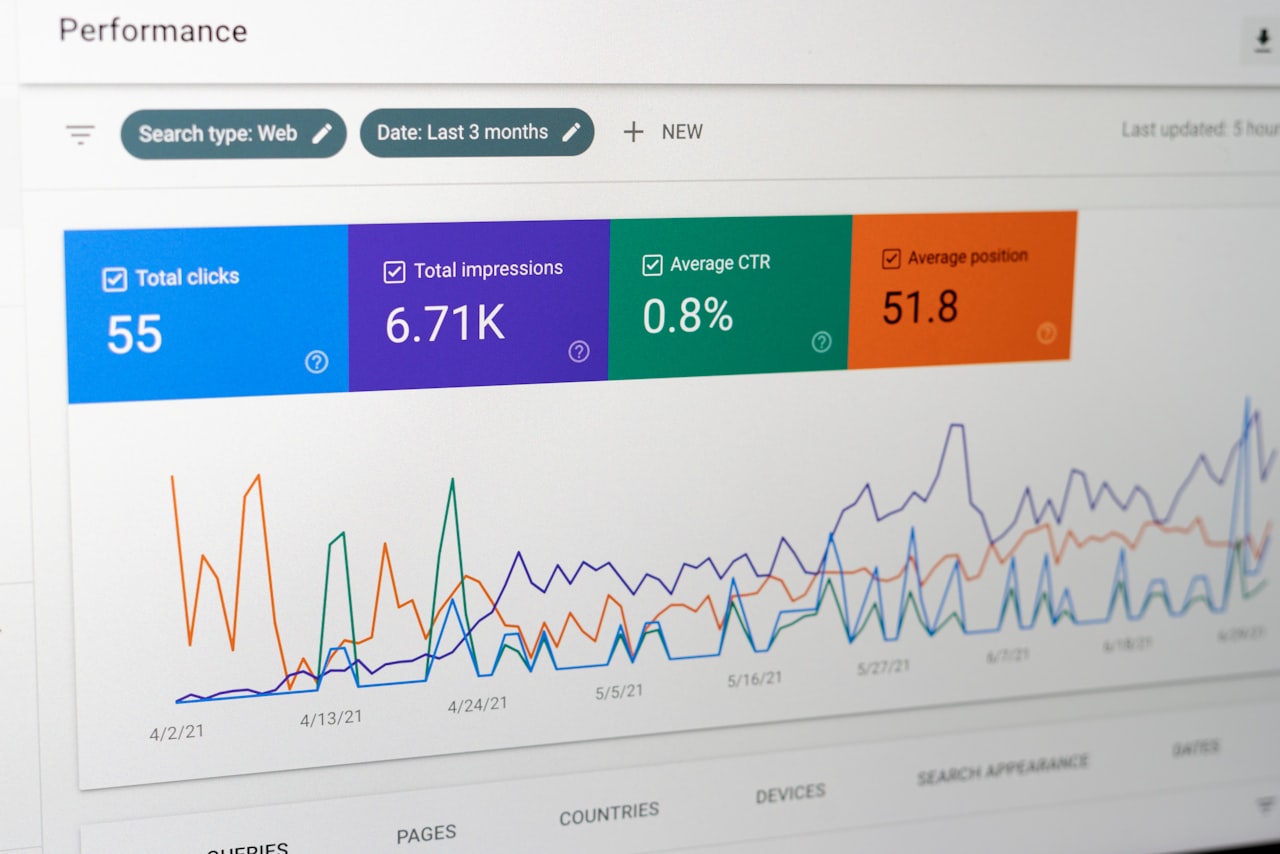
SEMrush Keyword Magic Tool provides the broadest keyword database available — over 25 billion keywords across 142 countries. Keyword grouping organises suggestions into logical topics automatically, saving significant time when building content plans. The Keyword Gap tool identifies terms competitors rank for but you do not. Intent classification (informational, commercial, transactional, navigational) helps prioritise by business value. Plans start at USD 139.95 per month. Learn more about execution costs in our SEO cost guide for Singapore.
Affordable and Free Alternatives
Google Keyword Planner provides first-party data directly from Google, making its search volume figures the most authoritative available. It is free with a Google Ads account, though exact volumes require minimal ad spend (SGD 1-2 per day). Location-specific data for Singapore is highly accurate. The limitation is no organic difficulty metrics and commercially biased suggestions. Essential as a validation tool alongside third-party platforms.
Mangools KWFinder delivers one of the most respected difficulty scores in the industry, colour-coded from green to red for instant scanability. The interface is the most intuitive of any best keyword research tools option, with all essential data visible at a glance. At USD 29.90 per month (or approximately USD 19.90 with annual billing), it includes the full Mangools suite — rank tracking, backlink analysis, and SERP checking. Excellent for finding “low-hanging fruit” keywords where smaller Singapore websites can realistically rank.
Ubersuggest is the most affordable option with meaningful functionality. The lifetime plan at USD 120 eliminates ongoing subscription costs entirely. Data accuracy is noticeably behind Ahrefs and SEMrush, but for initial research and idea generation at minimal cost, it serves its purpose. Best for bloggers and very small businesses.
Question and Topic Research Tools
AnswerThePublic visualises search questions and prepositions related to any topic, revealing what people are asking. Question-based keywords often have lower competition and align with featured snippet opportunities. The free version allows limited daily searches; Individual at USD 11 per month unlocks 100 daily searches. Invaluable for content marketing teams creating FAQ sections and educational content.

AlsoAsked maps “People Also Ask” question trees from Google, showing how topics branch and relate. Understanding these relationships helps structure comprehensive content with relevant subheadings, increasing chances of appearing in PAA boxes. Plans start at USD 15 per month. Use it alongside primary keyword tools for the most complete picture of search intent.
KeywordTool.io generates suggestions from autocomplete data across nine platforms — Google, YouTube, Amazon, Instagram, and others. The multi-platform approach is uniquely valuable for marketers optimising across channels. YouTube keyword data is particularly useful for video strategies. Free version generates keywords without volume data; Pro at USD 89 per month adds metrics.
Building an Effective Research Process
The best results come from using multiple tools in a structured workflow. Start with AnswerThePublic and AlsoAsked for content ideation — understanding what questions your audience asks. Use KeywordTool.io for multi-platform keyword ideas. This phase is about breadth, not precision.
Next, evaluate keywords in Ahrefs or SEMrush for volume, difficulty, and competitive analysis. Validate important data with Google Keyword Planner for first-party accuracy. Filter for keywords with favourable volume-to-difficulty ratios.
Finally, group keywords by topic cluster and intent. Prioritise based on business value, competitive feasibility, and alignment with your content strategy. Create a calendar mapping keywords to publication dates. Keyword research is not a one-time activity — revisit quarterly.
Singapore-Specific Keyword Research Tips
Singapore’s multilingual search landscape creates unique opportunities. Search queries mix English, Mandarin, Malay, and Singlish terms. Tools like Ahrefs and SEMrush provide Singapore-specific search volume data, but coverage for local long-tail terms can be thin. Supplement tool data with Google Search Console’s actual query reports to discover Singapore-specific terms your audience uses.
Local modifiers — “Singapore,” “SG,” “near me,” plus neighbourhood names — are essential for local business keywords. Many tools underreport volume for hyper-local terms. Our SEO team uses a combination of tool data and Search Console insights to build comprehensive keyword strategies for Singapore businesses.
Common Keyword Research Mistakes
The most common mistake is targeting high-volume keywords without assessing competitive difficulty. A 10,000-volume keyword you cannot rank for delivers less traffic than a 200-volume keyword where you reach position one. The best keyword research tools provide difficulty scores precisely to prevent this mistake.

Another frequent error is creating separate pages for closely related keywords, causing cannibalisation. Ahrefs’ parent topic feature and SEMrush’s keyword grouping help identify when multiple terms should target the same page. Each page should target one primary keyword and two to five related secondary terms.
Finally, many businesses neglect informational keywords in favour of commercial terms. Informational content builds topical authority and captures prospects earlier in the buying journey. A balanced strategy targets both with your digital marketing efforts.
Frequently Asked Questions
What is the most accurate keyword research tool?
Google Keyword Planner provides the most accurate search volumes as first-party data. For difficulty scores, Ahrefs and KWFinder correlate most closely with actual ranking outcomes. Cross-reference data from multiple sources for important decisions.
Can I do keyword research for free?
Yes, with limitations. Google Keyword Planner is free (exact volumes require minimal ad spend). Ubersuggest and AnswerThePublic offer limited free searches. Google Search Console shows keywords you already rank for. Combined, these provide a workable process for small budgets.
How many keywords should I target per page?
One primary keyword and two to five closely related secondary keywords per page. A well-written page naturally includes related terms. Avoid targeting unrelated keywords on a single page.
How often should I do keyword research?
Comprehensive audits quarterly. Monthly reviews of ranking data via Search Console for emerging opportunities. Focused research before creating any new content. Search behaviour evolves continuously.
Should I focus on high-volume or low-competition keywords?
Match to your website’s authority. New and small sites should prioritise low-competition long-tail keywords. As authority builds, gradually target more competitive terms. A 70/30 split — 70 per cent achievable, 30 per cent aspirational — is a sound approach.
Is Ahrefs or SEMrush better for keyword research?
Ahrefs provides more accurate difficulty scores and unique click data. SEMrush has the larger database and better keyword grouping. Many professionals use both. If choosing one, Ahrefs edges ahead for pure keyword research; SEMrush wins as an all-in-one platform.
How do I find keywords my competitors rank for?
Both Ahrefs and SEMrush provide competitor keyword analysis. Enter a competitor’s domain to see all keywords they rank for, along with position, volume, and difficulty. The Keyword Gap tool identifies terms they rank for but you do not.
What keyword difficulty score should I target?
New websites should target difficulty under 20 in Ahrefs or KWFinder. Established sites with some authority can target 20-40. Only sites with strong backlink profiles should regularly target above 40. Use difficulty as a filter, not the sole decision criterion.
Do I need to pay for a keyword research tool?
Free tools cover basic needs for small businesses. Once SEO becomes a serious investment — producing regular content, targeting competitive keywords, analysing competitors — paid tools save time and provide data quality that free alternatives cannot match.
How do I research keywords for YouTube or Amazon?
KeywordTool.io generates platform-specific autocomplete suggestions for YouTube, Amazon, and seven other platforms. Ahrefs Keywords Explorer supports YouTube and other search engines. For Amazon specifically, Helium 10 and Jungle Scout provide specialised keyword data.