Marketing Experimentation Culture: Build a Team That Tests Everything
Table of Contents
- What Is a Marketing Experimentation Culture
- Benefits of a Test-and-Learn Organisation
- The Role of Leadership in Building the Culture
- Processes and Rituals That Sustain Experimentation
- Overcoming Resistance to Testing
- Measuring Your Experimentation Maturity
- Building Experimentation Culture in Singapore
- Frequently Asked Questions
What Is a Marketing Experimentation Culture
A marketing experimentation culture is an organisational mindset where testing is the default approach to marketing decisions. Instead of debating opinions in meeting rooms, teams form hypotheses, design experiments, collect data and let evidence guide their choices.
This is more than running an occasional A/B test. It is a fundamental shift in how marketing teams operate. In an experimentation culture, every campaign is an opportunity to learn, every failure is documented and shared, and the question “what does the data say?” replaces “what does the boss think?”
Companies like Booking.com, Amazon and Netflix are famous for their experimentation cultures, running thousands of tests annually. While most Singapore businesses will not match that scale, adopting the same principles—even with two to four tests per month—can transform marketing performance and team capability.
Benefits of a Test-and-Learn Organisation
Building an experimentation culture delivers benefits that compound over time.

Better decisions: Decisions backed by experimental evidence outperform decisions based on intuition. Over time, the accumulated knowledge from hundreds of experiments gives your team an unfair advantage over competitors who guess.
Reduced risk: Testing ideas on a small scale before full commitment reduces the risk of expensive failures. A $500 experiment that reveals a flawed assumption saves you from a $50,000 campaign that would have failed.
Faster innovation: Teams that test constantly iterate faster. They discover what works, discard what does not and move on without emotional attachment to ideas. This speed of learning compounds into significant competitive advantage through digital marketing innovation.
Higher team engagement: Marketers in experimentation cultures report higher job satisfaction. They have autonomy to propose and run tests, they see the direct impact of their work and they develop analytical skills that accelerate their careers.
Institutional knowledge: Every experiment adds to a shared knowledge base. New team members can review past experiments to understand what has been tried, what worked and what the context was. This knowledge does not leave when individuals do.
The Role of Leadership in Building the Culture
Experimentation culture starts at the top. Without leadership support, testing programmes die from neglect, political pressure or resource starvation.
Model the behaviour: Leaders should publicly ask “have we tested that?” before approving campaigns. When a leader challenges an assumption and suggests an experiment, it signals that testing is expected, not optional.
Allocate resources explicitly: Dedicate 10 to 20 percent of your marketing budget and team capacity to experimentation. If testing is done “when we have time,” it never happens. Protected resources ensure a steady cadence of experiments.
Celebrate learnings, not just wins: If the team is only rewarded for successful experiments, people will avoid testing risky hypotheses. Celebrate the insight gained from every experiment, including failures. A well-designed experiment that disproves a hypothesis is as valuable as one that confirms it.
Remove blame: If a test fails and the team is criticised, experimentation will stop. Create psychological safety by separating the quality of the experiment design from the outcome. A well-designed experiment with a negative result is a success—a poorly designed one with a positive result is a problem.
Set testing targets: Include experimentation in your OKRs for marketing. A key result like “run 12 experiments this quarter with documented learnings” makes testing a measured commitment rather than an aspiration.
Processes and Rituals That Sustain Experimentation
Culture is built through repeated behaviours. Implement these processes and rituals to embed experimentation into your team’s DNA.
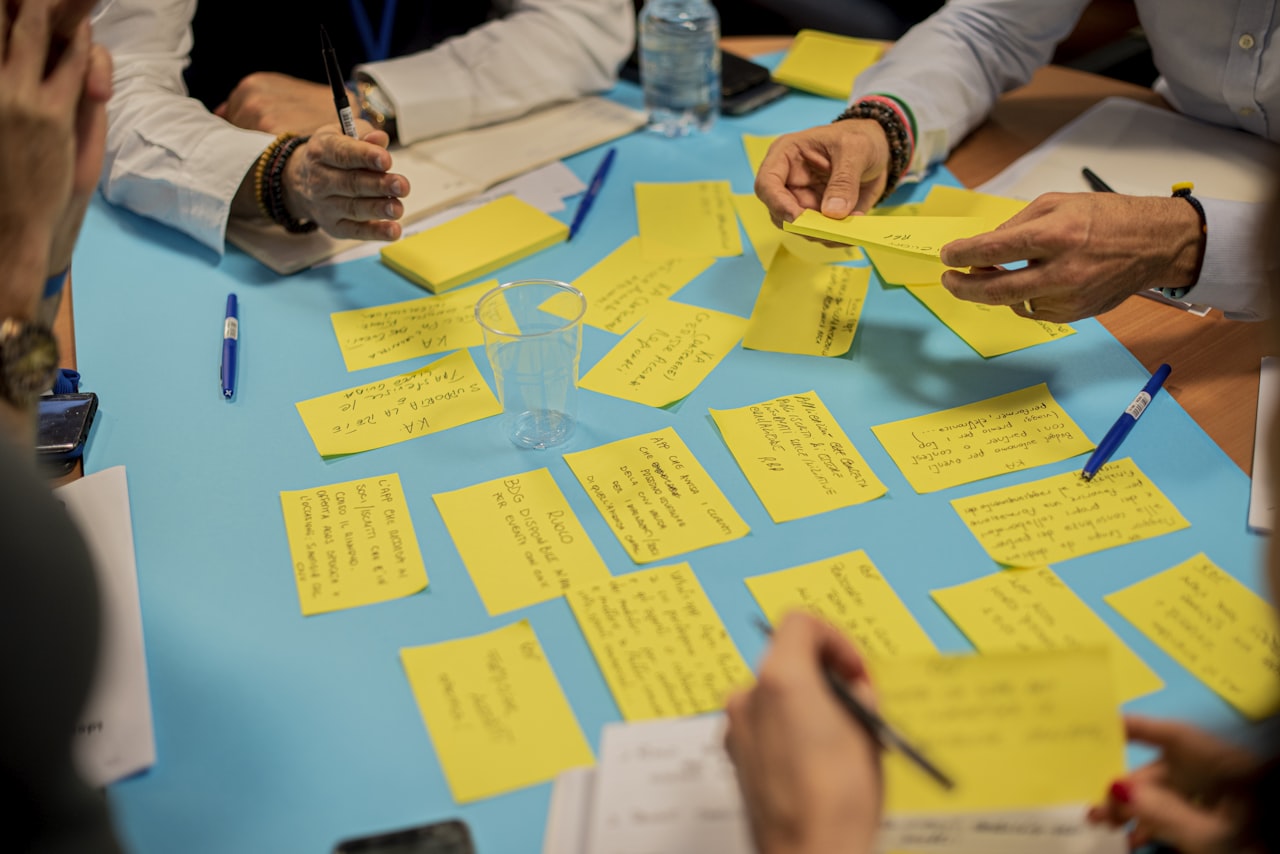
Weekly experiment review: A 30-minute weekly meeting where the team reviews active experiments, shares preliminary results and discusses upcoming tests. Keep it focused—no tangential discussions. This is the heartbeat of your experimentation programme.
Experiment brief template: Standardise how experiments are proposed and documented. Every brief should include: hypothesis, metric, audience, duration, sample size, expected impact and learning goal. Our growth experiments guide provides a detailed template.
Experiment log: Maintain a shared, searchable log of all experiments—active, completed, winners and losers. Include the brief, results, statistical significance, insights and follow-up actions. Google Sheets, Notion or Airtable work well for this purpose.
Quarterly experiment retrospective: At the end of each quarter, review all experiments run, insights gained and their impact on business metrics. Calculate the cumulative value of experimentation to justify continued investment.
Prioritisation sessions: Monthly sessions where the team scores and ranks experiment ideas using a growth marketing framework like ICE or RICE. This ensures you are always working on the highest-impact tests.
Learning share sessions: Monthly presentations where team members share experiment results and insights with the broader organisation. This builds cross-functional awareness and often sparks new experiment ideas from other departments.
Overcoming Resistance to Testing
Not everyone embraces experimentation immediately. Here are common objections and how to address them.
“We do not have time to test.” Testing does not add work—it restructures existing work. Instead of launching a campaign and hoping for the best, you launch a version, measure it and optimise. The total effort is similar, but the outcomes are better. Start with lightweight tests that integrate into existing workflows.
“Our sample sizes are too small.” Small samples mean tests take longer, not that testing is impossible. Extend test durations, focus on high-traffic pages or channels and use effect-size-appropriate tests. Even directional insights from small samples beat no data at all.
“The boss already decided.” Frame experiments as risk mitigation for the boss’s idea, not as challenges to authority. “Let us test this at small scale to optimise the execution before full rollout” is a politically safe way to introduce testing.
“We tried testing and it did not work.” Diagnose why. Common reasons include poor experiment design, insufficient sample sizes, unclear hypotheses or lack of follow-through on results. Fix the process, not the concept. Build analytical capabilities through data-driven marketing training.
“Testing means admitting we do not know the answer.” Reframe this as a strength. The best marketers in the world test relentlessly because they understand that markets are complex and unpredictable. Confidence in your ability to learn is more valuable than confidence in any single idea.
Measuring Your Experimentation Maturity
Track these indicators to measure how deeply experimentation is embedded in your team’s culture.
Experiment velocity: How many experiments does your team run per month? Early-stage teams might run two to four. Mature teams run eight to twenty. Track this number over time—it should increase as processes improve.
Win rate: What percentage of experiments produce a statistically significant positive result? A healthy win rate is 20 to 30 percent. If your win rate is above 50 percent, you are testing ideas that are too safe. If below 10 percent, your hypotheses need better grounding in data.
Insight implementation rate: What percentage of experiment insights are actually implemented? High velocity with low implementation is waste. Ensure winning experiments are scaled and losing experiment learnings are applied to future work.
Cross-functional participation: Are experiments proposed and run only by the marketing team, or do other departments contribute ideas and participate? Broad participation indicates a deep culture.
Time to experiment: How long does it take from idea to launched experiment? If the average is more than two weeks, your processes are too heavy. Aim for three to five business days for simple experiments.
Visualise these metrics on your marketing dashboards alongside campaign performance metrics. This makes the experimentation programme visible and accountable.
Building Experimentation Culture in Singapore
Singapore’s business culture has characteristics that both support and challenge experimentation adoption.
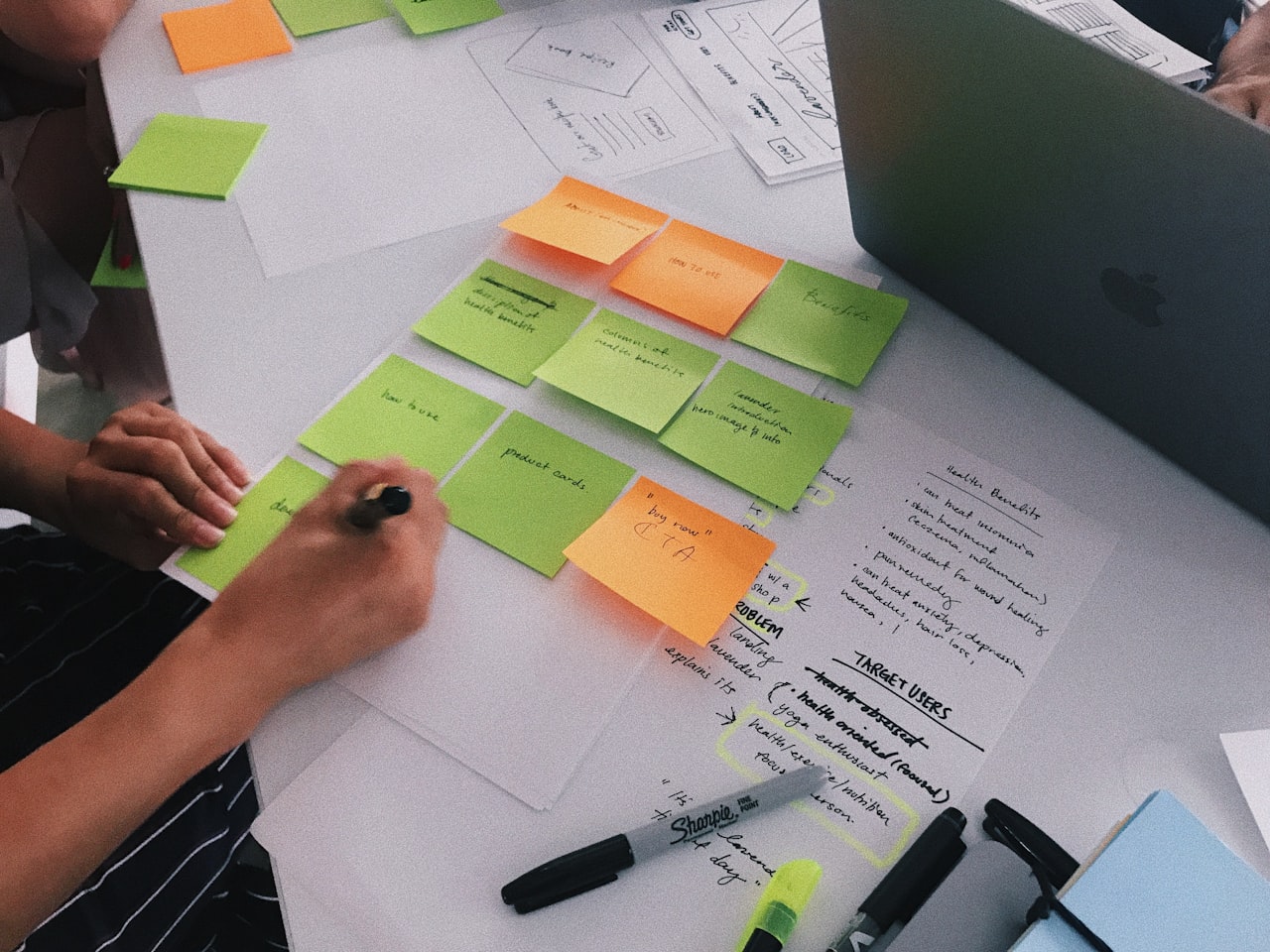
Strengths: Singapore’s workforce is highly educated, tech-savvy and data-literate. Government initiatives like the Smart Nation programme have normalised digital transformation. The startup ecosystem, centred around Blk 71 and Launchpad, has introduced experimentation practices that are spreading to established businesses.
Challenges: Hierarchical corporate structures in some Singapore organisations can inhibit experimentation. If junior team members do not feel empowered to challenge assumptions or propose tests, the culture will not take root. Leaders must actively create space for bottom-up experimentation.
Risk aversion: Singapore’s business culture tends toward risk aversion, which can slow experimentation adoption. Frame experiments as risk reduction tools—testing a small idea before committing resources is less risky than launching without evidence.
Talent: Hire or develop team members who are naturally curious and comfortable with ambiguity. The best experimenters are not just analytical—they are creative hypothesisers who combine data skills with marketing intuition. Invest in training across SEO, Google Ads and social media marketing so the team can design experiments across all channels.
Agency partnerships: If your in-house team lacks experimentation expertise, partner with an agency that embeds testing into its delivery model. The right agency will not just run campaigns—they will run experiments, share learnings and build your team’s capability over time.
Frequently Asked Questions
How long does it take to build an experimentation culture?
Expect six to twelve months for the habits and processes to become embedded. You will see early wins within the first quarter, but cultural change takes time. Consistency is more important than speed.
What is the minimum team size for an experimentation programme?
A single marketer can run experiments using built-in platform tools like Google Ads experiments and email A/B tests. Dedicated experimentation programmes typically start with teams of three or more, where at least one person has analytical skills.
How do we prioritise what to test?
Use a scoring framework like ICE, PIE or RICE to rank experiment ideas by impact, confidence and effort. Our guide to growth marketing frameworks covers these models in detail.
Should we hire a dedicated experimentation manager?
If your team runs more than eight experiments per month, a dedicated role makes sense. Below that threshold, experimentation can be a shared responsibility with one team member acting as the process owner.
What is the biggest barrier to experimentation culture?
Fear of failure. If team members believe that a failed experiment will reflect poorly on them, they will avoid testing. Leadership must actively celebrate learnings from negative results to remove this barrier.
How do we measure the ROI of experimentation?
Track the cumulative revenue impact of implemented winning experiments over the year. Compare this to the cost of running the experimentation programme—team time, tools and holdout group opportunity cost. Most mature programmes deliver 3 to 10x ROI.
Can experimentation culture coexist with brand guidelines?
Absolutely. Brand guidelines define the boundaries within which experiments operate. You can test messaging, offers, visuals and channels without compromising brand consistency. Think of guidelines as the playing field and experiments as the plays you run within it.
What tools do we need to start?
At minimum: a spreadsheet for your experiment log, Google Analytics for measurement and your existing ad platforms’ built-in experiment features. You do not need specialised software to begin. Add tools like cohort analysis platforms and testing tools as your programme matures.