Data-Driven Marketing: Make Decisions Based on Evidence, Not Gut Feel
Table of Contents
What Is Data-Driven Marketing
This data driven marketing guide covers the practice of using quantitative evidence to inform every marketing decision—from which channels to invest in, to what messages resonate, to when campaigns should be paused or scaled. It replaces opinion-based decision-making with evidence-based rigour.
Data-driven marketing is not about drowning in spreadsheets. It is about asking the right questions, collecting relevant data, analysing it efficiently and acting on the findings. The goal is better outcomes—higher ROI, lower customer acquisition cost and faster growth—achieved through systematic use of evidence.
In Singapore, where marketing budgets must work harder due to high operating costs, data-driven approaches are no longer optional. They are the baseline expectation for any serious digital marketing programme.
Building Your Data Foundation
Before you can make data-driven decisions, you need a reliable data infrastructure. This does not require enterprise-level tools—but it does require intentional setup.
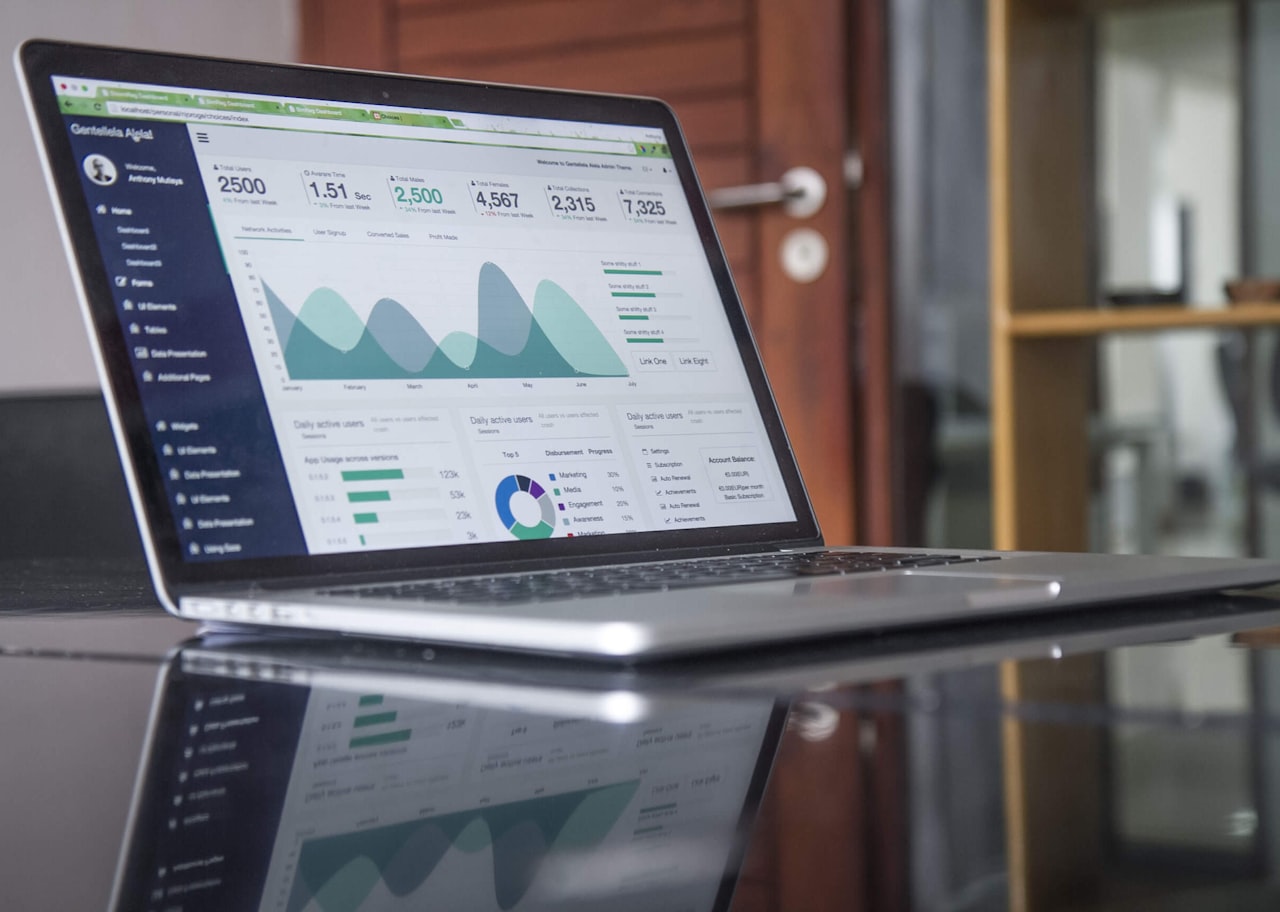
Analytics platform: Google Analytics 4 is the standard for website analytics. Ensure it is properly configured with goals, events and e-commerce tracking where applicable. Verify that your tracking code fires correctly on every page.
Tag management: Use Google Tag Manager to deploy and manage tracking pixels, conversion tags and custom events without relying on developers for every change.
CRM: A customer relationship management system—HubSpot, Salesforce or even a well-structured spreadsheet—is essential for tracking leads through your sales funnel. Without a CRM, you cannot connect marketing activities to revenue.
Ad platform data: Ensure your Google Ads account, Meta Ads Manager and any other paid platforms are linked to your analytics. This enables cross-platform reporting and attribution analysis.
Data warehouse: As you mature, consider centralising data in a warehouse like BigQuery or Snowflake. This allows you to combine website, CRM, ad platform and operational data for holistic analysis.
Collecting the Right Data
More data is not always better. Collecting everything creates noise that obscures signal. Focus on data that directly supports marketing decisions.
Acquisition data: Where do your customers come from? Track traffic sources, campaign UTM parameters, referral domains and search queries. This tells you which channels deserve more investment.
Behavioural data: What do visitors do on your site? Track page views, scroll depth, click patterns, form interactions and time on page. Behavioural data reveals friction points and opportunities for optimisation. Your web design should facilitate clear data collection at every interaction point.
Conversion data: Which actions generate business value? Track form submissions, phone calls, purchases, sign-ups and downloads. Define conversion events clearly and consistently across all platforms.
Customer data: Who are your best customers? Collect demographic, firmographic and psychographic data through forms, surveys and purchase history. This fuels segmentation and personalisation.
Competitive data: What are competitors doing? Monitor their search visibility, ad presence, social activity and content output. Tools like SEMrush, Ahrefs and SimilarWeb provide competitive intelligence without manual research.
Turning Data into Actionable Insights
Raw data is meaningless without interpretation. The gap between data and insight is where most marketing teams fail. Here is how to bridge it.
Start with a question: Never open a dashboard without a specific question in mind. “Why did our lead volume drop last week?” is a good question. “Let me see what the data says” is not—it leads to aimless exploration.
Segment aggressively: Averages hide the truth. A 3 percent conversion rate might mask the fact that mobile converts at 1 percent while desktop converts at 6 percent. Segment by device, channel, location, audience and time period to uncover real patterns.
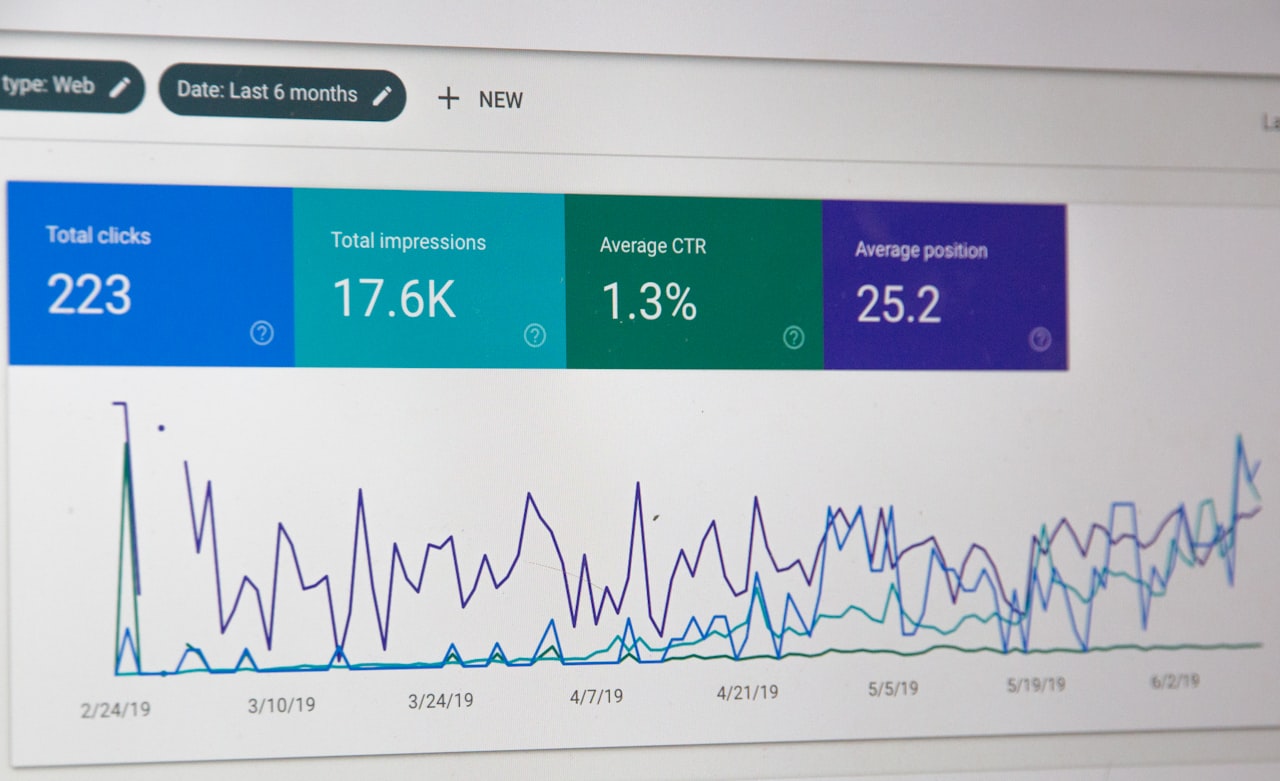
Look for trends, not snapshots: A single data point is an anecdote. A trend line is evidence. Always view data over time, comparing at least four to six weeks of performance to identify genuine shifts versus normal fluctuation.
Use cohort analysis: Group users by their acquisition date and track behaviour over time. This reveals whether your marketing is improving, stagnating or declining. Our detailed guide to cohort analysis for marketing walks through the methodology step by step.
Combine quantitative and qualitative: Data tells you what happened. Customer interviews, surveys and support tickets tell you why. The most powerful insights emerge when you triangulate both data types.
A Framework for Data-Driven Decisions
We recommend a four-step framework for making marketing decisions with data. It applies to everything from budget allocation to creative direction.
Step 1—Define the decision. State the decision clearly. “Should we increase our Google Ads budget by 30 percent?” or “Should we sunset our LinkedIn campaign and reallocate budget to Instagram?”
Step 2—Identify the data needed. What evidence would help you make this decision confidently? You might need historical campaign performance, customer acquisition cost by channel, lifetime value by channel or competitive benchmarks.
Step 3—Analyse and interpret. Pull the data, segment it appropriately and look for patterns. Build a simple model or scenario analysis to project outcomes under different decisions. Use marketing attribution models to understand how channels interact.
Step 4—Decide and document. Make the decision, record the rationale and define how you will measure whether the decision was correct. Set a review date—typically 30 to 60 days later—to evaluate the outcome and capture learnings.
This framework prevents two common traps: analysis paralysis, where teams collect data endlessly without deciding, and premature action, where teams act before gathering sufficient evidence.
The Singapore Data and Privacy Landscape
Singapore’s Personal Data Protection Act (PDPA) governs how businesses collect, use and disclose personal data. As a data-driven marketer, you must comply with PDPA requirements while still extracting marketing value from data.
Consent: Obtain consent before collecting personal data for marketing purposes. This includes email addresses, phone numbers and browsing behaviour linked to identifiable individuals.
Purpose limitation: Use data only for the purposes communicated to the individual at the time of collection. If you collected an email for a newsletter, do not automatically add it to a cold sales outreach sequence without separate consent.
Data minimisation: Collect only the data you need. Asking for a home address when you only need an email creates unnecessary risk and compliance burden.
Do Not Call Registry: Singapore’s DNC Registry restricts unsolicited telemarketing. Check numbers against the registry before making marketing calls or sending SMS campaigns.
PDPA compliance is not a barrier to data-driven marketing—it is a framework for doing it responsibly. Businesses that respect privacy build trust, and trust drives long-term customer relationships. Your branding benefits when customers see you as a responsible data steward.
Overcoming Common Challenges
Transitioning to data-driven marketing is not without obstacles. Here are the most common challenges Singapore businesses face and how to overcome them.

Data silos: When your website analytics, CRM, ad platforms and email tool do not talk to each other, you get fragmented views. Invest in integrations—most modern tools offer native connectors or work with middleware like Zapier.
Skill gaps: Not every marketer is comfortable with data analysis. Invest in training—Google Analytics certification, SQL basics and spreadsheet modelling are high-ROI skills. Alternatively, partner with an agency that embeds analytics into its SEO and social media marketing services.
Cultural resistance: Some team members prefer intuition. Overcome resistance by starting small—pick one decision, use data to inform it and share the positive outcome. Success breeds adoption. Build a marketing experimentation culture that normalises evidence-based decision-making.
Imperfect data: No dataset is perfect. Accept that some degree of messiness is inevitable and focus on directional accuracy rather than decimal-point precision. A rough estimate based on data is almost always better than a polished guess based on intuition.
Frequently Asked Questions
What is the first step toward data-driven marketing?
Set up Google Analytics 4 correctly. Ensure goals, events and e-commerce tracking are configured. This single step provides a foundation of behavioural and conversion data that supports most marketing decisions.
How much should we invest in analytics tools?
Start with free tools—Google Analytics 4, Google Tag Manager and Google Looker Studio cover most needs. Invest in paid tools only when your data volume or analytical requirements outgrow the free options.
How do we measure ROI on data-driven marketing?
Compare key metrics before and after adopting data-driven practices. Common improvements include lower cost per acquisition, higher conversion rates, better customer retention and faster decision-making cycles.
Is data-driven marketing only for large companies?
No. Small businesses benefit enormously because every marketing dollar must count. Even basic data analysis—reviewing which ad generated the most leads last month—is a form of data-driven marketing.
How do we handle data privacy concerns?
Comply with Singapore’s PDPA, obtain proper consent, use data only for stated purposes and implement reasonable security measures. Transparent privacy practices build customer trust rather than hindering marketing effectiveness.
What skills does a data-driven marketing team need?
At minimum: proficiency in Google Analytics, basic spreadsheet modelling, understanding of statistical significance and the ability to translate data into business recommendations. Advanced teams add SQL, data visualisation and marketing mix modelling.
How do we avoid analysis paralysis?
Set time limits for analysis. If you cannot reach a conclusion within two hours of focused analysis, the data probably does not support a clear answer. In that case, design an experiment to generate the evidence you need.
Can AI help with data-driven marketing?
Yes. AI tools can automate data collection, identify patterns in large datasets, predict customer behaviour and personalise content at scale. However, AI is a tool, not a strategy—human judgment is still needed to ask the right questions and interpret results in context.