
Growth Experiments: Run Rapid Marketing Tests to Find What Works
Table of Contents
What Are Growth Experiments
A growth experiments framework is a structured approach to testing marketing ideas quickly, measuring the outcomes and doubling down on what works. Rather than committing large budgets to unproven campaigns, growth experiments let you validate assumptions with minimal spend before scaling.
Think of each experiment as a small, time-boxed bet. You form a hypothesis, define a success metric, run the test for a set period and then analyse the data. The goal is not perfection—it is speed of learning. Singapore businesses that adopt this mindset consistently outperform competitors who rely on intuition alone.
Growth experiments span every stage of the marketing funnel: awareness, acquisition, activation, retention and referral. Whether you are testing a new ad headline on Google, a landing page layout or a referral incentive, the underlying process remains the same.
Why Singapore Businesses Need a Testing Culture
Singapore is one of the most digitally connected markets in Southeast Asia, with internet penetration above 96 percent. That connectivity means consumers are bombarded with marketing messages daily. Standing out requires more than creative guesswork—it demands evidence.

Many local SMEs still allocate budgets based on what worked last year or what a competitor appears to be doing. The problem is that consumer behaviour shifts rapidly. A channel that drove leads in Q1 may plateau by Q3. Without a habit of running experiments, you will not spot these shifts until your pipeline dries up.
Experimentation also reduces risk. Instead of committing $20,000 to a campaign concept, you can test the core message with $2,000 and only scale if the early data supports it. This is especially important for businesses operating in Singapore’s competitive landscape, where cost efficiency matters. A strong digital marketing strategy is built on continuous testing.
The Growth Experiments Framework
The framework we recommend at MarketingAgency.sg follows five stages: Ideate, Prioritise, Design, Execute and Analyse. Each stage has clear deliverables that keep the team aligned.
Stage 1—Ideate: Brainstorm experiment ideas from every team member. No idea is too small. Pull inspiration from customer feedback, analytics anomalies, competitor moves and industry benchmarks. Aim for a backlog of at least 20 ideas per quarter.
Stage 2—Prioritise: Use a scoring model such as ICE or RICE to rank ideas. We cover these models in detail in our guide to growth marketing frameworks. Prioritisation ensures you work on high-impact tests first.
Stage 3—Design: Write an experiment brief that includes the hypothesis, the metric you will measure, the audience segment, the test duration and the minimum sample size needed for statistical significance.
Stage 4—Execute: Launch the test. Keep variables controlled—change only one element at a time so you can attribute any lift or decline accurately.
Stage 5—Analyse: Compare results against your hypothesis. Document findings in a shared knowledge base so future experiments build on past learnings.
Designing Your First Experiment
Start with a high-impact, low-effort test. For many Singapore businesses, this means testing ad copy variations or landing page headlines. Here is how to structure the brief:
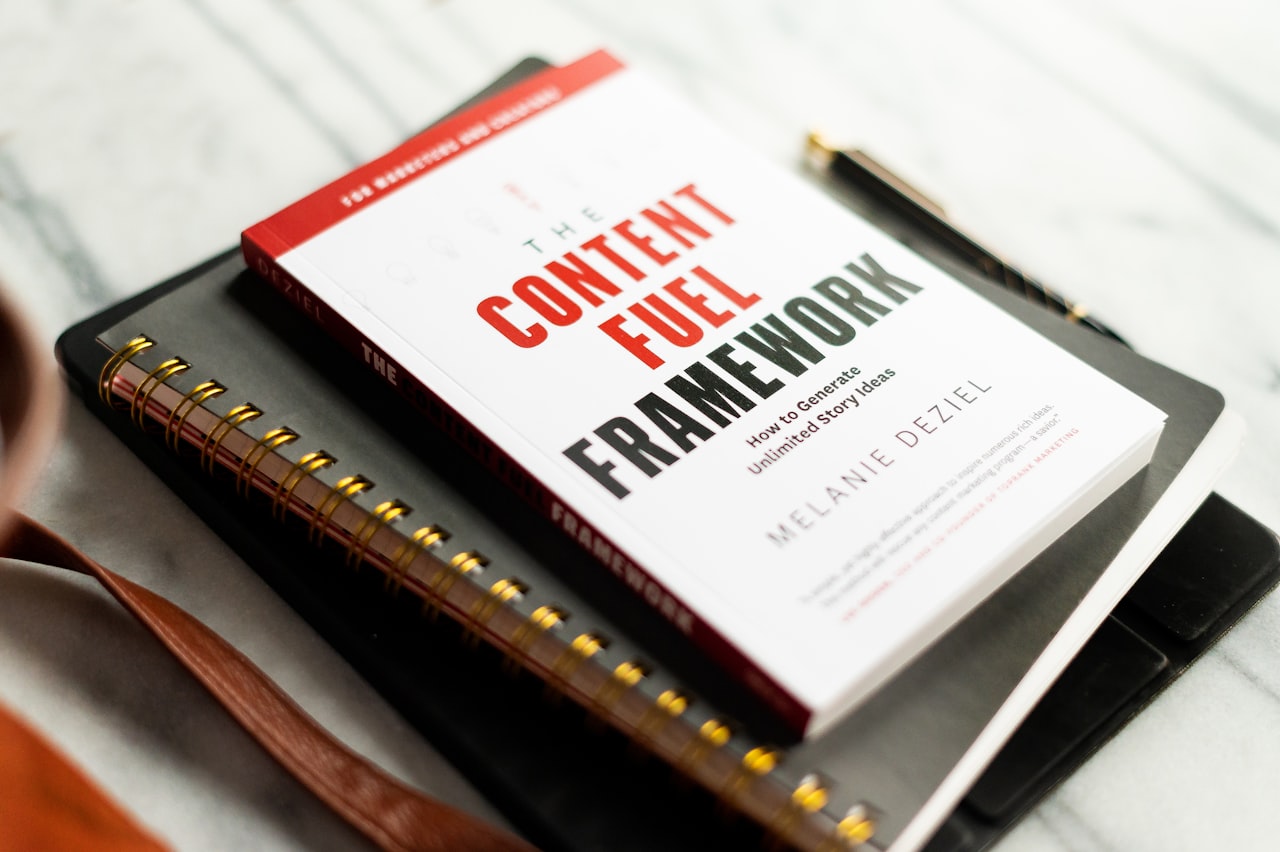
Hypothesis: Changing the headline from feature-focused to benefit-focused will increase the landing page conversion rate by at least 15 percent.
Metric: Conversion rate (form submissions divided by unique visitors).
Audience: All visitors arriving from Google Ads campaigns targeting Singapore.
Duration: 14 days or until 500 visitors per variation, whichever comes first.
Control: Current headline. Variant: New benefit-focused headline.
Keep the brief concise. The purpose is clarity, not bureaucracy. Every team member should understand the test within two minutes of reading the document.
Once you have run a few simple tests, graduate to more complex experiments such as multi-step funnel tests, pricing experiments or channel-mix reallocation trials.
Tools and Channels for Running Tests
You do not need expensive enterprise software to start experimenting. Many tools offer free tiers that are more than adequate for small to mid-sized Singapore businesses.
Google Optimize alternatives: Since Google Optimize was sunset, tools like VWO, Convert and AB Tasty have become popular. They integrate with Google Analytics 4 and let you run A/B and multivariate tests on your website.
Ad platform experiments: Both Google Ads and Meta Ads Manager have built-in experiment features. Use them to test ad creatives, audiences and bidding strategies without third-party tools.
Email experiments: Platforms like Mailchimp, Klaviyo and ActiveCampaign support A/B testing on subject lines, send times and content blocks.
Social media: Test different post formats, hashtags and publishing times through your social media marketing calendar. Track engagement rates to identify patterns.
Content experiments: Publish variations of blog topics or formats and compare organic traffic, time on page and conversion rates. A disciplined content marketing programme generates testable data every week.
Analysing Results and Deciding Next Steps
Data without interpretation is just noise. After each experiment, answer three questions: Did we achieve statistical significance? Was the effect size meaningful? Is the result actionable?
Statistical significance matters because small sample sizes can produce misleading results. Aim for at least 95 percent confidence before declaring a winner. Free calculators from Evan Miller or CXL can help you check significance without a statistics degree.
Effect size is equally important. A test might show a statistically significant improvement of 0.5 percent, but if the effort to implement the change permanently is high, the return may not justify it. Focus on experiments that move the needle by at least 5 to 10 percent.
Document every experiment—winners and losers—in a shared log. Over time, this log becomes your organisation’s most valuable marketing asset. It tells you what has already been tried, what worked and what the context was. Track key metrics through purpose-built marketing dashboards to keep results visible.
Scaling Winning Experiments
Finding a winning experiment is only half the battle. The other half is scaling it without losing the lift you observed in the test. Here are practical guidelines.
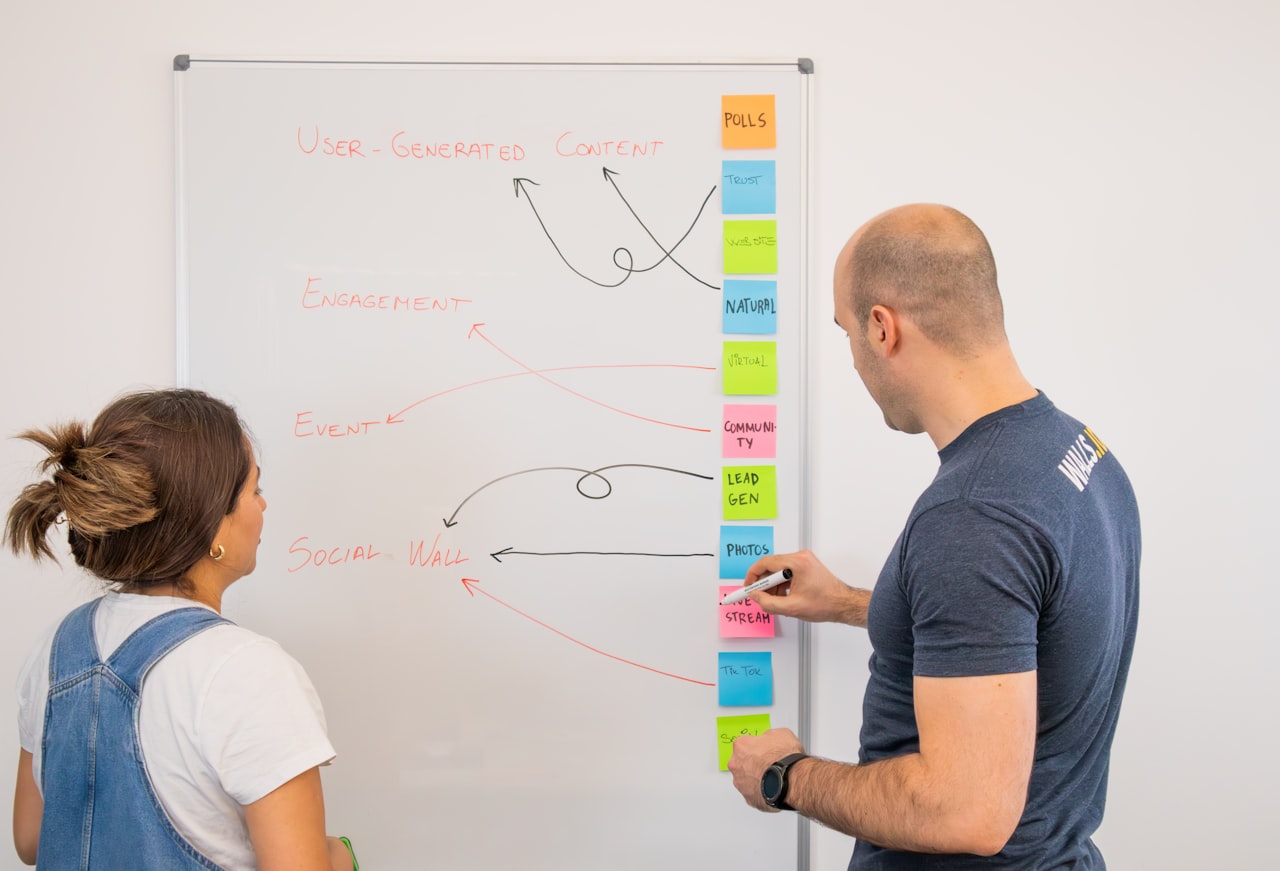
First, replicate the test at a larger scale before full rollout. If your original test ran with a $500 budget, try $2,000 next. Confirm that the lift holds before committing your full budget.
Second, monitor for diminishing returns. Many tactics lose effectiveness as you scale because you exhaust the most responsive audience segments first. Build monitoring into your data-driven marketing processes.
Third, feed winning insights back into your broader strategy. If a benefit-focused headline outperformed a feature-focused one, apply that learning to your ad copy, email subject lines, branding materials and sales decks.
Finally, never stop testing. A winning experiment today may become the new baseline tomorrow. The best growth teams in Singapore run dozens of experiments per quarter, maintaining a relentless pace of learning and improvement.
Frequently Asked Questions
How many growth experiments should we run per month?
Start with two to four experiments per month. As your team builds confidence and processes mature, aim for eight to twelve. The key is maintaining quality—each experiment should have a clear hypothesis and measurable outcome.
What budget do we need for growth experiments?
You can begin with as little as $500 per month for ad-based tests. The budget depends on the channel and the sample size needed for statistical significance. Many experiments, such as email subject line tests, cost nothing beyond your existing platform subscription.
How long should each experiment run?
Most experiments should run for seven to fourteen days or until you reach a statistically significant sample size. Avoid ending tests early based on initial trends—early data is often misleading.
What is the biggest mistake companies make with growth experiments?
The biggest mistake is not documenting results. Without a shared experiment log, teams repeat failed tests, lose institutional knowledge and cannot build on past learnings.
Do growth experiments work for B2B companies in Singapore?
Absolutely. B2B companies can test LinkedIn ad formats, webinar topics, lead magnet offers, email sequences and pricing page layouts. The sample sizes may be smaller, so tests may need to run longer, but the framework is equally valid.
Can small businesses without a data team run experiments?
Yes. Modern tools handle the statistical heavy lifting. A small business owner can run an A/B test on Google Ads or an email platform without any data science background. Start simple and build skills over time.
How do growth experiments relate to SEO?
You can run SEO experiments by testing title tags, meta descriptions, content length and internal linking structures. Pair experimentation with a solid SEO strategy to compound organic growth over time.
What should we do when an experiment fails?
Document the result, extract the learning and move on. A failed experiment is not wasted effort—it eliminates a hypothesis and saves you from investing more in an ineffective tactic. The best teams celebrate learnings, not just wins.