Retail Media Networks: The Third Wave of Digital Advertising and What It Means for Brands
Table of Contents
What Are Retail Media Networks
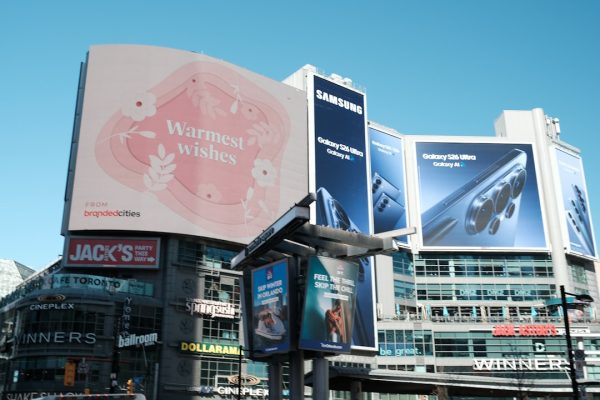
Retail media networks are advertising platforms operated by retailers that allow brands to purchase advertising space within the retailer’s digital properties — websites, apps, and increasingly physical stores. When you see a “Sponsored” product listing at the top of a Shopee search result or a banner ad on a Lazada category page, you are seeing retail media in action. The concept is straightforward: retailers monetise their shopper traffic and first-party purchase data by selling advertising to the brands whose products they stock.
The significance of retail media networks extends well beyond sponsored product listings. Industry analysts describe retail media as the third wave of digital advertising, following search (Google) and social (Facebook). Global retail media spend exceeded US$125 billion in 2025 and is projected to surpass US$175 billion by 2028, growing faster than any other digital advertising channel. This growth is reshaping how brands allocate marketing budgets and how they reach consumers at the point of purchase.
For brands selling through retailers, retail media is becoming a mandatory investment rather than an optional channel. As organic visibility on retail platforms declines and competition for placement intensifies, advertising on these platforms is increasingly necessary just to maintain sales velocity. Understanding how to navigate this channel effectively is essential for any brand with a digital marketing presence in e-commerce.
Why Retail Media Is Growing Rapidly
Three converging forces drive retail media’s explosive growth. First, the decline of third-party cookies and increasing privacy regulation have made it harder for brands to target consumers across the open web. Retail media networks offer a privacy-compliant alternative because they use first-party data — purchase history, browsing behaviour, and search data from logged-in shoppers — that does not rely on cookies or cross-site tracking.
Second, retail media reaches consumers at or near the point of purchase, where advertising has the highest impact on buying decisions. A sponsored product listing in a Shopee search result reaches a consumer who is actively shopping and ready to buy. This proximity to transaction makes retail media measurably more effective at driving immediate sales than upper-funnel channels like display advertising or social media awareness campaigns.
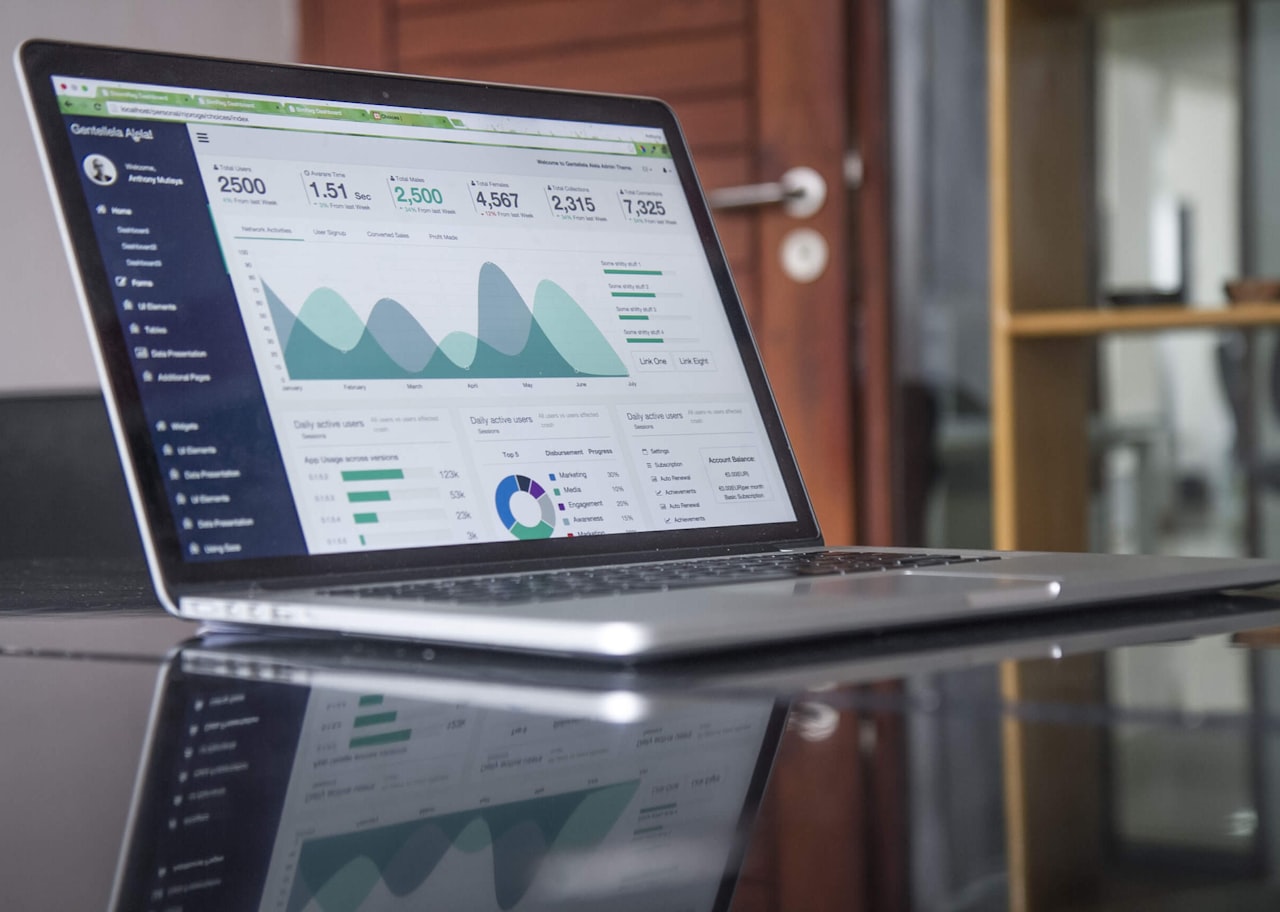
Third, retail media offers closed-loop measurement. Because the ad platform and the purchase platform are the same, retailers can directly attribute sales to advertising exposure without the attribution gaps and estimation that plague other digital channels. This measurement clarity makes it easier for brands to calculate return on ad spend and justify continued investment. For CFOs and procurement teams who demand accountability from marketing budgets, closed-loop attribution is compelling.
Major Retail Media Platforms in Southeast Asia
In Singapore and Southeast Asia, the most significant retail media networks are operated by Shopee, Lazada, Amazon, and increasingly, FairPrice Group. Shopee Ads is the largest retail media platform in Southeast Asia, offering sponsored search, sponsored discovery, and display advertising across Shopee’s marketplace. Its self-serve advertising console lets brands manage campaigns, set budgets, and track performance with granular control.
Lazada’s advertising platform, LazMall Sponsored Solutions, provides similar capabilities with additional premium placements for LazMall (official brand store) sellers. Lazada’s integration with Alibaba’s ad technology gives it advanced targeting and automation features. Amazon Advertising, as covered in our Amazon advertising guide, serves sellers on Amazon.sg with Sponsored Products, Sponsored Brands, and Sponsored Display formats.
FairPrice Group’s emerging retail media network represents the growing trend of traditional retailers entering the advertising business. As FairPrice expands its online grocery platform, its ability to offer advertising against high-frequency grocery shopping data becomes increasingly valuable. Globally, networks operated by Walmart, Kroger, Target, and Tesco demonstrate the model’s maturity, and similar evolution is expected across Southeast Asian retail. Brands selling through multiple retailers need a retail media strategy that spans platforms rather than focusing on a single network.
Ad Formats and Placements
Sponsored product listings are the core format across all retail media networks. These ads appear within search results and category pages, looking similar to organic product listings with a “Sponsored” label. They are performance-driven, operating on a cost-per-click model, and they directly drive product page views and purchases. For most brands, sponsored products are where the majority of retail media budget should be allocated.
Display advertising on retail platforms includes banner ads on homepage, category pages, and checkout pages. These placements offer broader reach and are suited to brand awareness campaigns, new product launches, and seasonal promotions. Display ads on retail platforms benefit from the high-intent shopping environment — even awareness-focused placements reach consumers who are actively shopping.
Emerging formats include video ads within product listings and search results, shoppable livestream advertising, and off-platform extensions where retail media networks use their first-party data to target ads on external websites and social media. This off-platform capability is particularly powerful because it allows brands to reach known shoppers beyond the retailer’s own properties while leveraging the retailer’s purchase data for targeting. As retail media networks mature, expect format innovation to accelerate, blurring the lines between on-platform and off-platform advertising.
Targeting and Data Advantages
Retail media’s targeting advantage stems from first-party purchase data. Retailers know what people buy, how often they buy, how much they spend, and what they browse before purchasing. This data enables targeting precision that is difficult to achieve through other channels. You can target shoppers who have purchased competing products, shoppers who buy in your category at a specific frequency, or shoppers who have browsed your products but not converted.
Audience segmentation options on retail media platforms include: brand loyalists (frequent purchasers of your products), category shoppers (people who buy in your category but not your brand), lapsed buyers (past customers who have not purchased recently), and new-to-brand shoppers. Each segment warrants different messaging and bidding strategies. Defend your loyalists with competitive positioning, convert category shoppers with differentiation messaging, and win back lapsed buyers with promotions or new product awareness.
The data advantage extends to insights that inform broader marketing decisions. Retail media platforms provide category-level data on search trends, market share, and competitive positioning that is unavailable from other sources. Use these insights to inform product development, pricing strategy, and marketing messaging across all channels — not just retail media. The purchase intent data from retail media platforms is among the most commercially valuable data any digital marketing programme can access.
Strategy for Brands Entering Retail Media
Start with sponsored product ads on the platform where you generate the most sales. Focus your initial budget on your bestselling products and highest-volume search terms within your category. This strategy maximises early returns and generates the data you need to expand effectively. Set clear ROAS targets based on your product margins, just as you would for Google Ads campaigns.
Coordinate retail media spend with your broader marketing calendar. When you run brand awareness campaigns on social media or television, increase retail media spend to capture the demand those campaigns generate at the point of purchase. This full-funnel approach ensures that upper-funnel investment translates into sales rather than benefiting competitors who outbid you on the retail platform when the shopper is ready to buy.
Negotiate with retail partners for holistic advertising packages rather than buying media in isolation. Many retailers offer joint business planning programmes where advertising investments are linked to merchandising commitments, promotional calendars, and volume targets. These integrated agreements often provide better rates, premium placements, and co-investment from the retailer. Build retail media into your annual marketing planning process alongside search, social, and content marketing rather than treating it as a separate, tactical activity.
Measurement and Attribution
Closed-loop attribution is retail media’s measurement advantage. Because the ad and the transaction occur within the same platform, you can directly measure how many people saw your ad, clicked it, and purchased your product. Standard metrics include impressions, clicks, cost per click, ad-attributed sales, ROAS, and new-to-brand percentage (the share of ad-attributed purchases from first-time buyers of your brand).
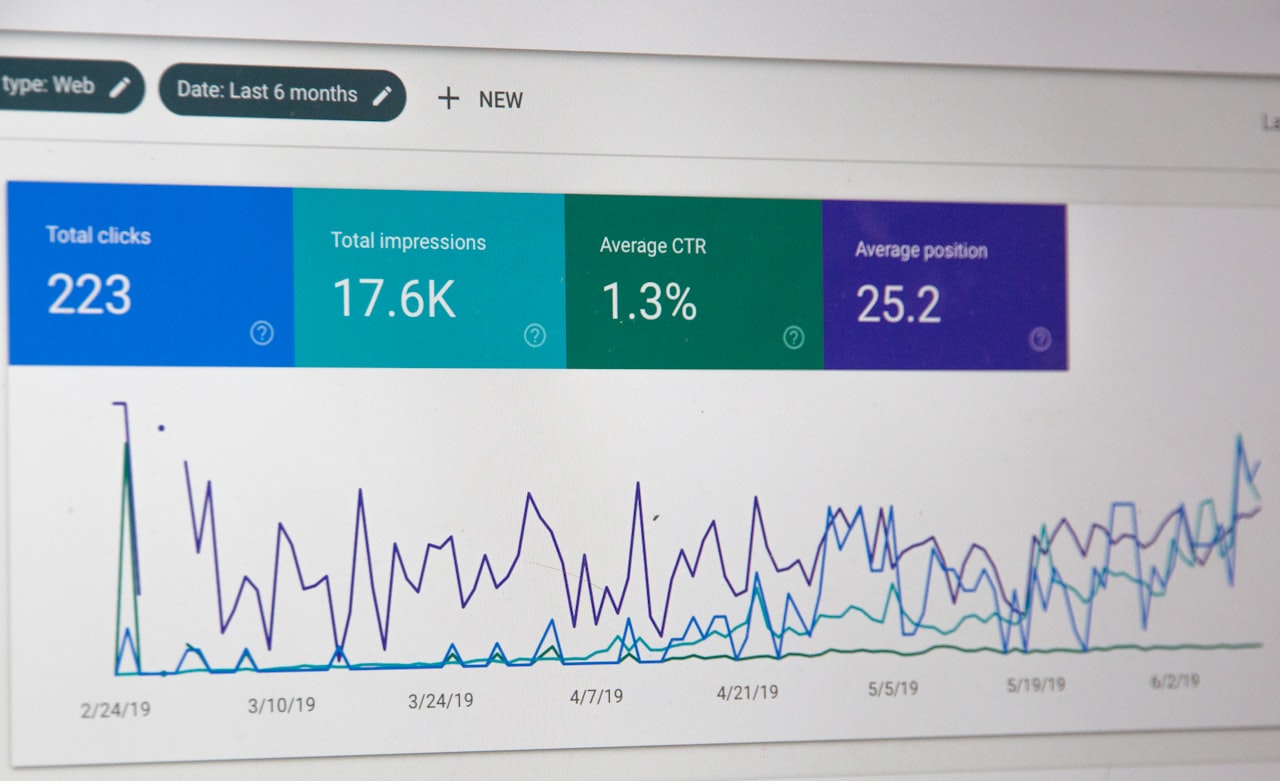
However, measurement challenges remain. Each retail media platform uses its own attribution model, making cross-platform comparison difficult. Most platforms use last-click attribution with varying lookback windows (7 days, 14 days, or 30 days), which means the same sale could be attributed differently depending on the platform’s methodology. Incremental lift — the additional sales generated by advertising that would not have occurred organically — is the truest measure of retail media effectiveness but is harder to measure.
Request incrementality studies from your retail media partners. These studies use controlled experiments (comparing exposed versus unexposed shopper groups) to measure the true incremental impact of your advertising. Without incrementality testing, you risk paying for sales that would have happened anyway, inflating your perceived ROAS. Larger platforms like Shopee and Amazon offer incrementality measurement tools for brands meeting minimum spend thresholds. For smaller budgets, use manual on-off testing (running ads for alternating periods and comparing sales) as a simpler incrementality proxy.
Frequently Asked Questions
How much do retail media networks cost to advertise on?
Costs vary by platform and category. On Shopee, average cost per click ranges from S$0.10-0.80. On Amazon.sg, expect S$0.30-1.50. Display placements on Lazada and Shopee start from S$500 for basic packages and can exceed S$50,000 for premium homepage placements during major sale events. Start with sponsored product campaigns at S$30-50 per day and scale based on ROAS performance.
Do I need to sell on a platform to advertise on its retail media network?
For on-platform advertising (sponsored products, display ads within the marketplace), yes — you must be an active seller with product listings. Some retail media networks offer off-platform advertising that uses their data to target shoppers on external websites, which may be available to non-sellers, but this is less common in Southeast Asia currently.
Which retail media platform should I start with in Singapore?
Start with the platform where you already have the strongest sales presence. If you sell primarily on Shopee, start with Shopee Ads. If you sell on Amazon, start with Amazon Advertising. Advertising on the platform where you have existing sales data and customer reviews gives you the best foundation for campaign performance. Expand to additional platforms as your retail media programme matures.
How does retail media affect my organic ranking on marketplaces?
On most platforms, advertising drives sales velocity, which is a key factor in organic ranking algorithms. Products with higher sales volumes typically rank higher organically. This creates a flywheel effect: ads drive sales, sales improve organic ranking, better ranking drives more organic sales. View retail media spend as an investment in organic visibility as well as a direct sales channel.
Is retail media replacing Google and Facebook advertising?
Not replacing, but taking budget share. Retail media is best for lower-funnel, high-intent advertising near the point of purchase. Google and social media remain essential for upper and mid-funnel activities: brand awareness, consideration, and demand generation. Most brands need a balanced approach across all three — the optimal allocation depends on your category, margin structure, and growth objectives.
How do I manage retail media across multiple platforms?
Use a centralised reporting framework that aggregates performance data from all platforms. Tools like Pacvue, Skai, and Perpetua offer cross-platform retail media management. Without these tools, maintain a consistent spreadsheet or dashboard that tracks key metrics (spend, sales, ROAS) across all platforms weekly. Assign clear budget allocations and ROAS targets for each platform based on their relative contribution to your business.
What is the new-to-brand metric and why does it matter?
New-to-brand measures the percentage of ad-attributed purchases made by shoppers who have not bought your brand on that platform in the past 12 months. A high new-to-brand percentage indicates that your advertising is acquiring new customers rather than just accelerating purchases from existing ones. This metric is crucial for justifying advertising spend, as acquiring new customers is typically more valuable than slightly accelerating existing demand.
Can small brands compete on retail media networks?
Yes. Small brands can achieve strong returns by focusing on niche search terms where large brands do not compete aggressively, optimising product listings for conversion before spending on advertising, and using audience targeting to reach specific shopper segments. Start with a modest budget focused on your best products and expand as you learn what works. Retail media rewards relevance and conversion quality, not just budget size.
How do I coordinate retail media with my trade marketing budget?
Retail media is increasingly funded from trade marketing budgets rather than pure brand marketing budgets. Work with your finance and sales teams to establish a unified view of retailer spending that includes both traditional trade spend (promotional discounts, slotting fees) and retail media investment. Many retailers expect retail media commitments as part of annual trade negotiations, so plan your budget accordingly.