Table of Contents
Choosing the Right Loyalty Programme Model
Understanding the different types of loyalty programs is essential before investing time and money into building one. The model you choose determines how customers earn rewards, what motivates them to stay engaged and how the programme affects your bottom line. There is no universal best model. The right choice depends on your industry, customer behaviour, margins and business goals.
Singapore’s loyalty market is mature. Consumers here participate in multiple programmes and can quickly tell the difference between one that delivers genuine value and one that is designed primarily to capture data. Whatever model you choose, the reward must be compelling enough to influence purchasing behaviour. Otherwise, customers will sign up but never engage.
Before selecting a model, answer these strategic questions. How frequently do your customers purchase? What are your profit margins? What behaviour do you want to incentivise? How tech-savvy is your customer base? What level of programme complexity can your team manage? The answers will narrow your options significantly.
Many successful programmes in Singapore combine elements from multiple models. A points programme with tiered benefits, for example, or a subscription programme with gamified challenges. The key is starting with a clear primary model and adding complexity only when your data shows it will improve engagement and retention. Align your loyalty model with your broader customer retention strategy for maximum impact.
Points-Based Loyalty Programmes
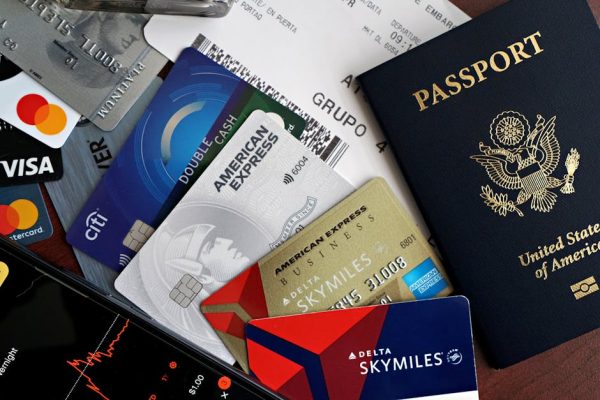
Points-based programmes are the most common loyalty model worldwide and in Singapore. Customers earn points for purchases and other actions, then redeem those points for rewards. The model is familiar, flexible and relatively straightforward to implement.
The core mechanic is simple: spend money, earn points, redeem for rewards. But the design details matter enormously. The earn rate (how many points per dollar spent), the redemption threshold (how many points needed for a reward) and the reward options (what customers can redeem for) collectively determine whether the programme feels valuable or worthless.
A well-designed points programme in Singapore typically offers 1 to 10 points per dollar spent and sets redemption thresholds that are achievable within two to four purchases. If a customer needs to spend SGD 1,000 to earn a SGD 5 voucher, the programme will not motivate behaviour change. If they can earn a meaningful reward after SGD 50 to SGD 100 in spending, engagement rates are substantially higher.
Points programmes excel at driving purchase frequency and data collection. Every transaction is tracked, giving you detailed insights into customer behaviour that inform your broader digital marketing efforts. The accumulated points also create switching costs since customers do not want to abandon earned value.
The main challenges of points programmes are complexity and liability. Points systems can become confusing if you add too many bonus multipliers, categories and exceptions. On the financial side, outstanding unredeemed points represent a balance sheet liability that must be managed. Set expiry policies (12 to 24 months is typical in Singapore) to control liability, but communicate expiry dates clearly to avoid customer frustration.
Singapore examples of effective points programmes include GrabRewards, which offers points across a wide ecosystem of services, and Sephora’s Beauty Insider, which combines points earning with tiered benefits. Both demonstrate that points programmes work best when the earn rate is generous, redemption is easy and the reward options are relevant to the customer base.
Tiered Loyalty Programmes
Tiered programmes organise members into status levels based on their spending or engagement over a qualifying period. Higher tiers unlock progressively better benefits including enhanced rewards, exclusive access and premium service. This model is particularly effective at driving aspirational behaviour and retaining high-value customers.
The psychology behind tiers is powerful. People are motivated by status, progress and exclusive access. When a customer can see the benefits available at the next tier, they actively consolidate spending with your business to get there. Once they achieve a higher tier, they are reluctant to lose their status, which creates strong retention at the top of your customer base.
A typical three-tier structure in Singapore works as follows. The base tier is open to all members and offers standard benefits like points earning and member-only pricing. The mid tier, unlocked at a moderate annual spend threshold, adds benefits like bonus points, free shipping and early access to sales. The top tier, requiring significant annual spend, offers the most valuable benefits including personal service, exclusive events, premium gifts and highest bonus point rates.
Set tier thresholds based on your actual customer spending distribution. Analyse what percentage of customers naturally fall into each tier. A common guideline is to have 60 to 70 percent at the base tier, 20 to 30 percent at the mid tier and 5 to 10 percent at the top tier. If too few customers reach the upper tiers, the programme feels unattainable. If too many reach them, the exclusivity loses meaning.
Tiered programmes pair well with customer lifetime value optimisation because they naturally incentivise higher spending and longer relationships. They also provide a clear framework for differentiating service levels, which helps your team prioritise effort toward your most valuable customers.
Challenges of tiered programmes include the complexity of managing multiple benefit levels and the risk of alienating customers who feel stuck at the base tier. Mitigate this by ensuring the base tier still offers genuine value and by creating achievable milestones within each tier that keep all members engaged.
Cashback and Discount Programmes
Cashback programmes return a percentage of spending directly to the customer as store credit, account balance or actual cash. This model is popular in Singapore because it is transparent, easy to understand and delivers immediate, tangible value.
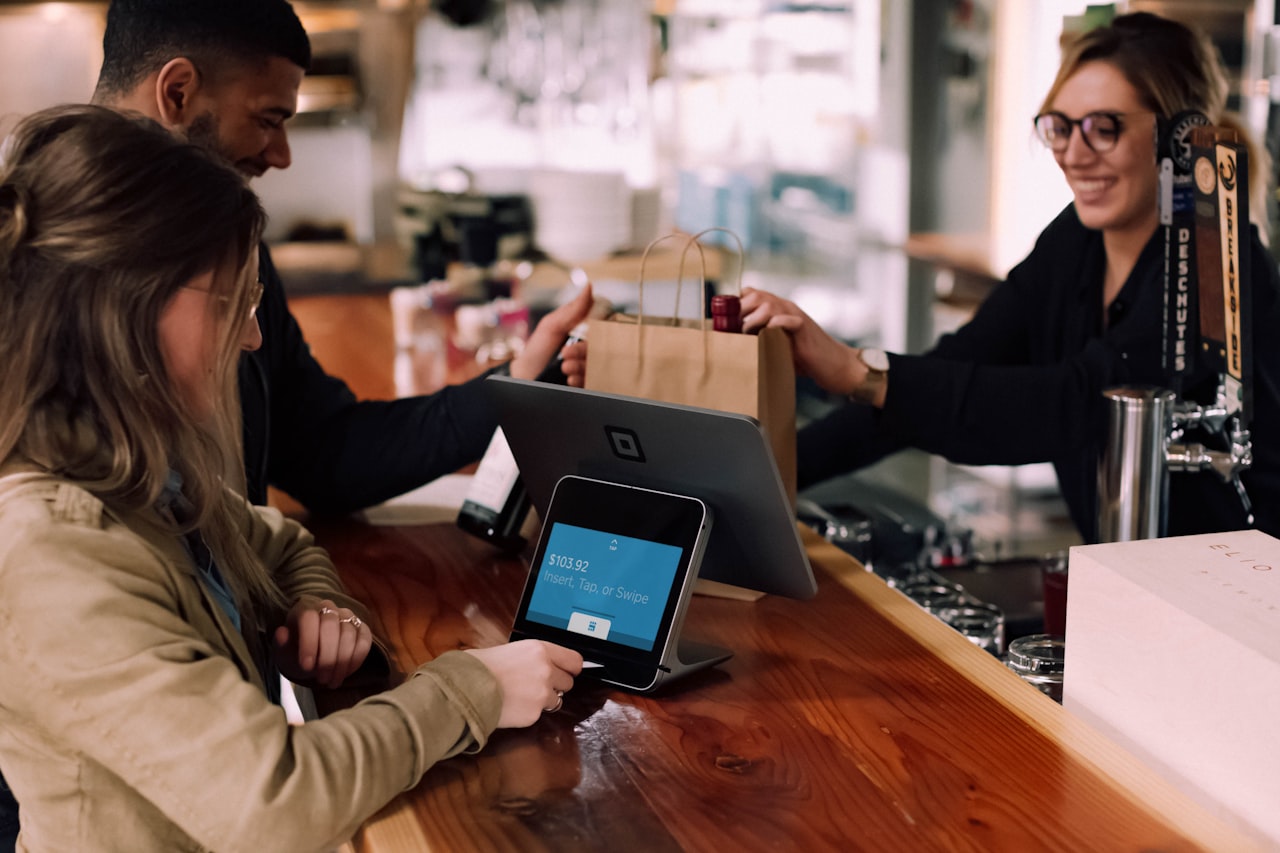
The appeal of cashback is its simplicity. There is no point conversion math, no complicated redemption process and no question about the value of the reward. A 5 percent cashback means exactly what it says. This transparency resonates strongly with Singapore’s pragmatic consumer base.
Cashback programmes work particularly well for businesses with frequent, moderate-value transactions. Grocery stores, petrol stations, e-commerce platforms and food delivery services all benefit from the model because customers can accumulate meaningful cashback relatively quickly.
The economics of cashback require careful management. Your cashback rate must be sustainable within your margin structure. Most Singapore businesses offer 1 to 5 percent cashback, with higher rates available on featured products or during promotional periods. The key financial consideration is breakage, the percentage of earned cashback that is never redeemed. Typical breakage rates of 10 to 20 percent improve the effective cost of the programme.
Variations of the cashback model include instant discounts at checkout, store credit for future purchases and tiered cashback rates that increase with spending. Instant discounts have the lowest administrative overhead but also the lowest retention effect since there is no reason to return. Store credit creates a stronger pull-back effect because customers have a balance to spend.
Discount-based programmes, where members receive percentage discounts on all or selected purchases, are a related model. These are common in Singapore for membership clubs and wholesale retailers. The advantage is simplicity. The risk is that customers become conditioned to never pay full price, which can erode margins and brand perception. Use discounts strategically for specific products or occasions rather than as a blanket benefit.
Subscription and Paid Membership Programmes
Paid membership programmes charge customers an annual or monthly fee in exchange for premium benefits. This model is growing rapidly in Singapore, inspired by the success of programmes like Amazon Prime and Costco membership. The paid model fundamentally changes the loyalty dynamic because customers have invested money upfront and are motivated to maximise their return on that investment.
The psychology of paid memberships is called the sunk cost effect. Once a customer pays a membership fee, they actively seek out opportunities to use their benefits, which drives higher purchase frequency and spending. Research shows that paid programme members spend two to three times more than non-members, making this one of the highest-ROI loyalty models available.
Designing a compelling paid membership requires that the perceived value of benefits significantly exceeds the membership fee. A good target is to offer benefits worth at least three times the annual fee. For example, a SGD 48 annual membership that provides free shipping on unlimited orders (worth SGD 5 to SGD 8 each), exclusive member pricing saving an average of SGD 10 per order and early access to sales creates obvious value for regular customers.
Free shipping is the single most powerful paid membership benefit for e-commerce businesses in Singapore. It removes the most common barrier to purchase completion and creates a habit of ordering from you rather than comparing options elsewhere. If your average customer places six or more orders per year and your standard shipping fee is SGD 5 to SGD 8, a paid membership with free shipping practically sells itself.
Paid memberships also generate predictable recurring revenue that improves cash flow and business planning. This revenue stream can be significant. If you have 5,000 members paying SGD 48 per year, that is SGD 240,000 in annual membership revenue before any product purchases.
The challenge is conversion. Asking customers to pay for membership requires trust and a clear value proposition. Start with a free trial period or a significantly discounted first year to reduce the barrier. Use data from your loyalty programme to identify which customers are most likely to benefit from paid membership and target them with personalised offers.
Coalition and Partner Programmes
Coalition programmes allow customers to earn and redeem rewards across multiple businesses. Instead of building a standalone programme, you join or create a network of complementary brands that share a common loyalty currency.
The advantage for customers is that they accumulate rewards faster because they are earning across multiple everyday spending categories. Instead of slowly earning points at one retailer, they earn at the grocery store, petrol station, restaurant and online shop, reaching redemption thresholds much more quickly.
For participating businesses, coalition programmes offer access to a larger member base, shared programme costs and valuable cross-brand customer data. You gain insights into where your customers shop when they are not shopping with you, which informs competitive strategy and partnership opportunities.
Singapore has several established coalition programmes. CapitaStar connects rewards across CapitaLand’s extensive retail, dining and entertainment properties. GrabRewards spans ride-hailing, food delivery, payments and financial services. These programmes demonstrate the power of coalition models in a small market where consumers frequent the same ecosystems regularly.
Building a coalition programme from scratch is complex and typically requires a central operating entity to manage the technology, handle inter-partner settlement and maintain programme standards. For most Singapore SMEs, joining an existing coalition or forming a small partnership network with two to three complementary businesses is more practical than building from scratch.
When partnering, ensure that the partnership adds genuine value for your customers. A gym partnering with a health food restaurant and a sportswear retailer creates a coherent ecosystem. A gym partnering with an unrelated electronics store feels forced and confuses the value proposition. Choose partners whose customer base overlaps with yours and whose brand values align with your own branding.
Gamified and Hybrid Programmes
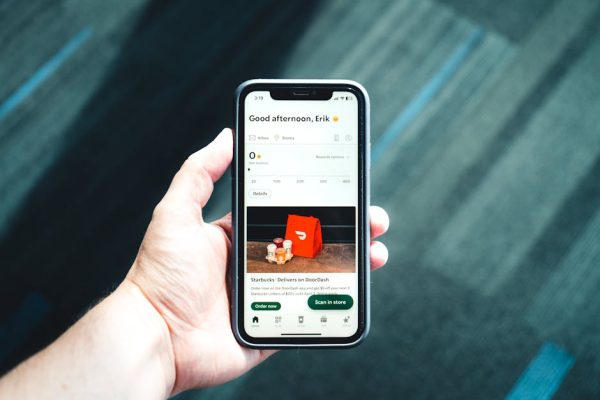
Gamified loyalty programmes incorporate game mechanics such as challenges, badges, leaderboards, streaks and progress bars to make the loyalty experience more engaging and fun. These elements tap into intrinsic motivation including achievement, competition and social recognition alongside the extrinsic motivation of earning rewards.

Gamification in loyalty programmes has proven particularly effective with younger demographics in Singapore. Millennials and Gen Z consumers who have grown up with gaming mechanics respond strongly to challenges (“Order three times this week to unlock bonus points”), progress bars (“You are 80 percent of the way to Gold status”) and limited-time events (“Earn double points this weekend only”).
Effective gamification drives engagement between purchases, which is one of the biggest challenges for traditional loyalty programmes. When there is always a challenge to complete, a badge to earn or a leaderboard to climb, customers have reasons to interact with your brand even when they are not ready to buy. This ongoing engagement strengthens the relationship and keeps your brand top of mind.
Hybrid programmes combine elements from multiple models to create a unique value proposition. A common and effective hybrid is a points programme with tiered status levels, gamified challenges and a paid premium tier. This structure serves different customer motivations: transactional customers who want straightforward value, status-seekers who want recognition and engaged fans who enjoy the gamified experience.
The risk of hybrid and gamified programmes is complexity. If the rules are too complicated, customers disengage rather than trying to figure them out. The test is whether a customer can explain the programme to a friend in one or two sentences. If they cannot, it is too complex. Start simple, test new elements with a subset of members and scale what works.
Technology requirements for gamified programmes are higher than for basic models. You need a platform that supports dynamic challenges, real-time progress tracking, push notifications and personalised game mechanics. Investing in proper loyalty app development becomes essential for delivering the responsive, interactive experience that gamification requires.
Whichever programme type or combination you choose, the underlying principle remains the same: deliver genuine value that customers appreciate, make it easy to participate and continuously improve based on data. The programme model is the vehicle. The value you deliver through it is what determines success.
Frequently Asked Questions
Which type of loyalty programme is best for a small Singapore business?
For most small businesses, a simple points or cashback programme offers the best balance of effectiveness and manageability. These models are easy for customers to understand, affordable to implement using off-the-shelf platforms and do not require complex management. As your programme grows and you gather data on customer behaviour, you can add tiered benefits or gamification elements.
Can I change my loyalty programme type after launching?
Yes, but major changes require careful communication to existing members. Provide ample notice, honour existing earned rewards and clearly explain the benefits of the new model. Many successful programmes have evolved over time. The key is making transitions transparent and ensuring members feel their loyalty is respected during the change.
How do I decide between points and cashback?
Points programmes offer more flexibility in reward design and can create stronger emotional engagement through aspirational rewards. Cashback programmes are simpler to communicate and appeal to value-conscious consumers. If your customer base values simplicity and transparency, choose cashback. If you want to build a more immersive programme with multiple reward tiers and experiential benefits, choose points.
Are paid membership programmes risky for small businesses?
The risk is lower than most businesses assume. Start with a low annual fee of SGD 20 to SGD 50 and offer benefits that clearly exceed this cost. Test with your most engaged customers first. If members increase their spending by even 20 percent, the programme typically pays for itself. The upfront membership revenue also provides a financial cushion that makes the programme self-sustaining.
How many tiers should a tiered programme have?
Three tiers is the sweet spot for most Singapore businesses. Two tiers feel too binary, while four or more tiers create confusion and make advancement feel slow. Three tiers provide a clear progression path: entry level, established customer and VIP. Each tier should have meaningfully different benefits that motivate advancement.
What is the most effective gamification element for loyalty programmes?
Challenges with clear, achievable goals and time limits are consistently the highest-performing gamification element. For example, “Complete three purchases this month to earn 500 bonus points” drives urgency and specific behaviour. Progress bars showing how close a customer is to the next reward or tier are also highly effective because they leverage the goal gradient effect.
Should my loyalty programme be app-based or web-based?
If your customers interact with your brand frequently and you plan to use gamification or push notifications, a dedicated app is worth the investment. For less frequent interactions, a web-based programme accessible through your website is sufficient and much less expensive to build and maintain. Many Singapore businesses start with a web-based programme and add an app once they have validated the programme concept.
How do coalition loyalty programmes split costs between partners?
Costs are typically split based on each partner’s share of points issued. If your business accounts for 30 percent of all points earned across the coalition, you bear 30 percent of the reward costs. Technology and management costs are usually shared equally or based on member count. Clear commercial agreements should be established before launch to prevent disputes.