Table of Contents
- What Is Gamification in Loyalty Programmes
- The Psychology Behind Gamified Loyalty
- Core Gamification Mechanics That Drive Engagement
- Challenges, Missions and Quests
- Badges and Achievement Systems
- Leaderboards and Social Features
- Implementation Guide for Singapore Businesses
- Frequently Asked Questions
What Is Gamification in Loyalty Programmes
Gamification loyalty programs apply game design elements and principles to non-game contexts, specifically loyalty and rewards programmes, to increase customer engagement, motivation and retention. Instead of relying solely on the transactional mechanic of earning and redeeming points, gamified programmes create experiences that are inherently engaging and even enjoyable.
The concept is not new. Airlines have used status tiers, a core gamification element, for decades. Coffee shops have used stamp cards with progress-to-reward mechanics for just as long. What has changed is the sophistication of the tools available and the expectations of digitally native consumers who have grown up immersed in game mechanics through mobile games, social media and interactive apps.
In Singapore, where mobile app engagement is among the highest in the world, gamification has proven particularly effective. Programmes like Grab’s daily challenges, Shopee’s shake-and-win games and DBS’s gamified savings features have trained consumers to expect interactive, rewarding experiences from the brands they engage with.
The goal of gamification is not to turn your loyalty programme into a video game. It is to use proven psychological principles from game design to solve specific business problems: low engagement between purchases, difficulty differentiating from competitors, declining programme interest and the challenge of motivating specific customer behaviours. When applied thoughtfully, gamification addresses all of these.
The Psychology Behind Gamified Loyalty
Gamification works because it taps into fundamental human psychological needs. Understanding these needs helps you design mechanics that create genuine engagement rather than gimmicks that wear off quickly.

The first principle is the need for achievement. Humans are motivated by a sense of accomplishment and progress. Progress bars, level-ups and completion milestones create visible evidence of achievement. When a customer sees they are 75 percent of the way to their next reward, they are motivated to complete the remaining 25 percent. This is known as the goal gradient effect, and it is one of the most powerful mechanics in gamified loyalty.
The second principle is autonomy. People want to feel in control of their choices. Gamification that offers multiple paths to rewards, lets customers choose their challenges and allows them to customise their experience generates higher engagement than rigid, one-size-fits-all mechanics. Give members choices in which badges to pursue, which challenges to accept and how to spend their rewards.
The third principle is social connection. Humans are social beings who compare themselves to others, seek recognition from peers and enjoy shared experiences. Leaderboards, team challenges, referral mechanics and social sharing create community within your programme. In Singapore’s socially connected culture, these elements are particularly potent.
The fourth principle is variable reinforcement. Unpredictable rewards are more engaging than predictable ones. Surprise bonuses, random reward multipliers and mystery rewards create excitement and anticipation that keeps customers checking the app. This principle, borrowed from behavioural psychology, is why lottery-style mechanics like spin-the-wheel are so engaging.
The fifth principle is loss aversion. People are more motivated to avoid losing something than to gain something of equal value. Streak mechanics (maintain your daily check-in streak), expiring bonus multipliers and limited-time challenges leverage loss aversion to drive consistent engagement. These mechanics must be used ethically since aggressive implementation can create negative feelings toward your brand.
Together, these principles create what game designers call a “core loop”: a repeating cycle of action, reward and motivation that keeps players, or in this case, customers, engaged over extended periods. The best gamified loyalty programmes create core loops that align customer enjoyment with business objectives.
Core Gamification Mechanics That Drive Engagement
Several core mechanics form the building blocks of gamified loyalty programmes. Most effective programmes combine three to five of these mechanics rather than using all of them at once.
Progress bars and completion meters show customers how far they have come and how close they are to a goal. Display these prominently in your loyalty app for tier advancement, reward earning and challenge completion. Progress bars drive action because people have an innate desire to complete what they have started.
Streaks reward consistent behaviour over consecutive days, weeks or visits. A coffee shop might offer bonus points for visiting five days in a row. An e-commerce platform might reward daily logins with increasingly valuable bonuses. Streaks build habits, and habits build loyalty. The key is setting streak lengths that are challenging but achievable and not penalising broken streaks too harshly.
Bonus multipliers temporarily increase the rate at which customers earn rewards. Double points weekends, triple points on specific categories and personalised bonus multipliers for underperforming product categories all create urgency and excitement. Multipliers are effective at driving short-term sales spikes and encouraging customers to try new product categories.
Spin-the-wheel and instant-win games add an element of chance that creates excitement. Customers might spin after every purchase, daily check-in or challenge completion. Prizes range from small bonus points to significant rewards. The randomness keeps the experience fresh and the possibility of a big win motivates participation. These mechanics are enormously popular in Singapore, as demonstrated by their widespread use on e-commerce platforms during major sales events.
Limited-time events create urgency and exclusivity. Monthly challenges, seasonal promotions and special event tie-ins give customers time-bound goals that drive concentrated engagement. These events also provide fresh content that keeps the programme interesting over time, preventing the staleness that causes members to disengage.
Points boosters and power-ups borrow directly from gaming. A customer might earn a 2x multiplier that they can activate on their next purchase, or a power-up that doubles the points from a specific category for one week. These create strategic choices for members and add a layer of engagement beyond simple earning.
Challenges, Missions and Quests
Challenges are the most versatile and effective gamification element for loyalty programmes. They direct customer behaviour toward specific business objectives while creating engagement and a sense of accomplishment.

Design challenges around the behaviours you want to incentivise. If you want to increase purchase frequency, create challenges like “Make three purchases this month to earn 500 bonus points.” If you want to drive cross-category shopping, try “Buy from three different product categories this week to unlock a special reward.” If you want to increase average order value, offer “Spend over SGD 80 in a single transaction to earn a mystery bonus.”
Structure challenges in tiers of difficulty. Easy challenges that most members can complete build confidence and participation. Medium challenges stretch behaviour slightly and reward the effort. Hard challenges are aspirational and offer premium rewards for significant behavioural change. This tiered structure ensures that customers at all engagement levels find challenges relevant.
Multi-step missions or quests create sustained engagement over days or weeks. A quest might involve completing three related challenges in sequence, such as “Try a new product, share a review and refer a friend” to earn a significant reward. The narrative structure of quests, with a clear beginning, middle and end, creates a story arc that is inherently more engaging than isolated tasks.
Team challenges add a social dimension. Group members into random teams and challenge them collectively to reach a target, such as “Team A: accumulate 50,000 points this month to unlock a bonus for all team members.” Team dynamics create social pressure to participate and a shared experience that builds community. This works particularly well when integrated with your social media presence.
Personalised challenges based on individual behaviour data are the most effective. If your data shows that a customer usually purchases on weekdays, challenge them to make a weekend purchase. If they always buy the same product, challenge them to try something new. Personalised challenges feel relevant and demonstrate that the programme understands each member as an individual.
Refresh challenges regularly. A monthly challenge calendar with weekly mini-challenges and daily micro-challenges keeps the programme dynamic. Seasonal themes, holiday tie-ins and surprise challenges prevent the programme from feeling repetitive. Align your challenge calendar with your broader marketing calendar and content marketing schedule for consistent messaging across channels.
Badges and Achievement Systems
Badges are visual symbols of accomplishment that customers earn by completing specific actions or reaching milestones. They serve as both motivation to earn and social proof of engagement. When designed well, badges create collection behaviour where customers pursue badges for the satisfaction of earning them, not just for tangible rewards.
Design badges around meaningful achievements that align with programme goals. Transaction-based badges recognise purchasing milestones like “First Purchase,” “10th Purchase” and “SGD 1,000 Lifetime Spend.” Behaviour-based badges reward specific actions like “Reviewed Three Products,” “Referred a Friend” or “Early Bird Shopper.” Category-based badges recognise exploration like “Coffee Connoisseur” or “Fashion Forward.”
Create badge hierarchies with bronze, silver, gold and platinum levels for repeated achievement. A customer who earns the bronze “Regular Visitor” badge for five visits is motivated to earn silver at 15 visits, gold at 30 and platinum at 50. This progression creates long-term goals that keep members engaged over months and years.
Make badges visible and shareable. Display earned badges prominently on the member’s profile in the app. Allow members to select featured badges that appear on their public profile. Enable sharing to social media when a significant badge is earned. In Singapore’s social media-savvy market, shareable badges create organic programme promotion and social proof.
Consider attaching tangible rewards to certain badges, especially the more difficult ones. A badge that unlocks a discount, free item or exclusive access provides both intrinsic (achievement) and extrinsic (reward) motivation. Not every badge needs a tangible reward since many members will pursue them for the collection satisfaction alone, but key milestone badges should offer something concrete.
Seasonal and limited-edition badges create urgency and exclusivity. A “National Day Champion” badge available only during the August promotional period or a “Holiday Explorer” badge for the Christmas season motivates participation during specific periods and creates FOMO (fear of missing out) for those who miss the window. These limited-time badges often become the most coveted in a programme.
Leaderboards and Social Features
Leaderboards rank members based on their engagement, spending or challenge performance. They tap into the competitive instinct and create a visible hierarchy that motivates participants to improve their position.
Design leaderboards carefully to avoid discouraging lower-ranked members. Instead of a single global leaderboard dominated by your biggest spenders, create segmented leaderboards based on member tier, location, joining date or activity type. A “Top Newcomers This Month” leaderboard gives new members a realistic chance of ranking, while a “Platinum Members” leaderboard creates healthy competition among your most engaged customers.
Reset leaderboards regularly, typically weekly or monthly, to give everyone a fresh start. Persistent leaderboards become demoralising for new members who can never catch up to long-standing top performers. Regular resets maintain excitement and give more people the opportunity to rank highly.
Reward leaderboard performance to give rankings tangible meaning. Top performers might receive bonus points, exclusive rewards or public recognition. Even modest rewards motivate participation because the competitive dynamic creates its own engagement independent of the prize value.
Social sharing features extend programme engagement beyond individual interactions. Allow members to share achievements, challenge completions and rewards on social media platforms. Create referral mechanics that reward both the referrer and the new member. In Singapore, referral mechanics are particularly powerful because personal recommendations carry high trust. These features also support your broader digital marketing objectives by generating organic brand exposure.
Friend connections within the app enable social comparison and collaboration. When members can see friends’ tier status, recent badges and challenge progress, it creates gentle competitive pressure and mutual encouragement. Friend-to-friend challenges, such as “Challenge a friend to see who earns more points this week,” add a personal dimension that mass leaderboards cannot achieve.
Privacy controls are essential for social features. Allow members to choose their visibility level including public, friends only or private. Comply with PDPA requirements for data sharing and ensure that social features are opt-in rather than opt-out. Singapore consumers appreciate having control over their digital presence.
Implementation Guide for Singapore Businesses
Implementing gamification in your loyalty programme requires a structured approach that balances ambition with practicality. Many businesses fail by trying to implement too many mechanics at once, creating a confusing experience that overwhelms members.
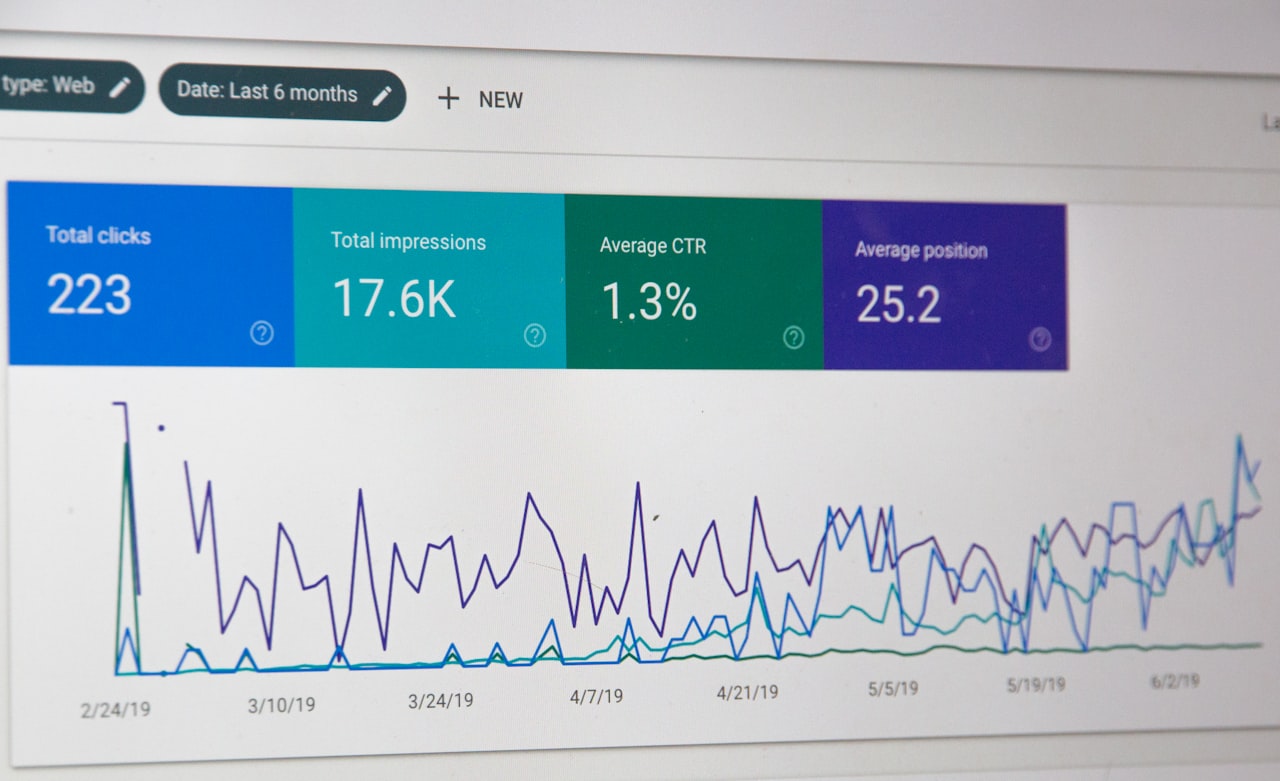
Start with two or three core mechanics that address your biggest engagement gaps. If engagement between purchases is your main challenge, focus on challenges and streaks. If programme differentiation is the goal, invest in a rich badge system. If driving specific behaviours is the priority, build targeted challenges with clear rewards.
Map each gamification mechanic to a specific business objective and KPI. Challenges that drive purchase frequency should be measured by changes in average time between purchases. Badge systems designed to encourage category exploration should track cross-category purchase rates. If you cannot connect a mechanic to a measurable outcome, reconsider whether it adds value.
Test mechanics with a subset of your member base before full rollout. A/B testing gamification elements with 10 to 20 percent of members reveals what works and what falls flat without risking the experience for your entire base. Measure engagement, satisfaction and revenue impact for the test group versus the control group.
Balance challenge difficulty carefully. If challenges are too easy, they feel meaningless. If they are too hard, members give up. Analyse your customer behaviour data to set thresholds that require a modest stretch from normal behaviour. For example, if your average customer visits twice per month, a “Visit three times this month” challenge is a realistic stretch that drives incremental visits without feeling impossible.
Invest in your CX technology to support real-time gamification. Challenges, progress tracking and instant reward notifications require systems that process events in real time. Delayed progress updates or late notifications significantly reduce the impact of gamification because the connection between action and feedback is broken.
Plan your content calendar three months ahead. Challenges, badges and events need to be designed, configured, tested and promoted on a regular cadence. A content calendar prevents gaps in programming that cause engagement to drop. Include seasonal themes tied to Singapore events: Chinese New Year, National Day, Great Singapore Sale and year-end holiday season all provide natural themes for gamified campaigns.
Monitor and iterate continuously. Track which challenges are completed most and least often, which badges generate the most sharing, which mechanics drive the highest incremental revenue and where members drop off. Use these insights to refine existing mechanics and inform the design of new ones. The best gamified programmes evolve constantly based on member behaviour data. Pair gamification with a solid customer retention strategy to maximise the business impact of every engagement mechanic.
Frequently Asked Questions
Does gamification work for all types of businesses?
Gamification is most effective for businesses with regular customer interactions, including retail, F&B, fitness, education and subscription services. It can work for less frequent purchase businesses like travel or furniture but requires different mechanics focused on engagement between purchases rather than purchase frequency. The key is matching the gamification approach to your customer interaction pattern.
How much does gamification add to loyalty programme costs?
Implementation costs depend on complexity. Adding basic gamification like challenges and progress bars to an existing programme typically costs SGD 5,000 to SGD 15,000 for setup plus ongoing content creation time. Advanced gamification with custom badges, leaderboards and personalised mechanics can cost SGD 20,000 to SGD 50,000. The investment is typically recovered within six to twelve months through increased engagement and revenue.
Will gamification make my programme feel gimmicky?
Only if it is poorly designed. Gamification that is aligned with your brand values, offers meaningful rewards and serves genuine customer interests feels engaging, not gimmicky. The risk of feeling gimmicky increases when mechanics are superficial, overly complex or disconnected from real value. Focus on mechanics that create genuine enjoyment and tangible benefits.
How do I keep gamification fresh over time?
Rotate challenges monthly, introduce seasonal themes, add new badges periodically and create limited-time events that generate excitement. Monitor engagement metrics to identify when specific mechanics are losing effectiveness and replace them with new ones. A content calendar with three months of planned activities ensures you never run out of fresh material.
What age groups respond best to gamification?
Millennials and Gen Z show the highest engagement with gamified programmes, but well-designed gamification works across all age groups. Older demographics respond well to progress bars, achievement milestones and tiered status while being less interested in competitive leaderboards and social sharing. Tailor the specific mechanics to your customer demographic rather than assuming gamification only works for young audiences.
Can I add gamification to an existing loyalty programme?
Yes, and this is often the best approach. Adding gamification elements to an established programme breathes new life into it without requiring members to learn an entirely new system. Start by adding challenges and progress tracking, then gradually introduce badges and social features. Existing members often respond enthusiastically to fresh engagement mechanics within a programme they already know.
How do I measure the ROI of gamification specifically?
Compare engagement metrics, purchase behaviour and retention rates between members who participate in gamified activities and those who do not. Track the incremental revenue generated by challenge completions and badge pursuits. Measure changes in app open rates, session duration and notification engagement after introducing gamification. The combination of behavioural and revenue data gives you a clear picture of gamification ROI.
What is the biggest risk of gamification in loyalty programmes?
The biggest risk is over-complicating the programme to the point where members do not understand how it works. Complexity leads to confusion, frustration and disengagement. Start simple, communicate clearly and add complexity only when data shows members are ready for it. Every mechanic should be explainable in one sentence.