Loyalty Programs in Singapore: Design Rewards That Keep Customers Coming Back
Table of Contents
- The Loyalty Programme Landscape in Singapore
- What Singapore Consumers Want From Loyalty Programmes
- Designing a Reward Structure That Works
- Digital Loyalty Platforms and Technology
- Programme Launch Strategy for Maximum Adoption
- Measuring Loyalty Programme ROI
- Common Mistakes Singapore Businesses Make
- Frequently Asked Questions
The Loyalty Programme Landscape in Singapore
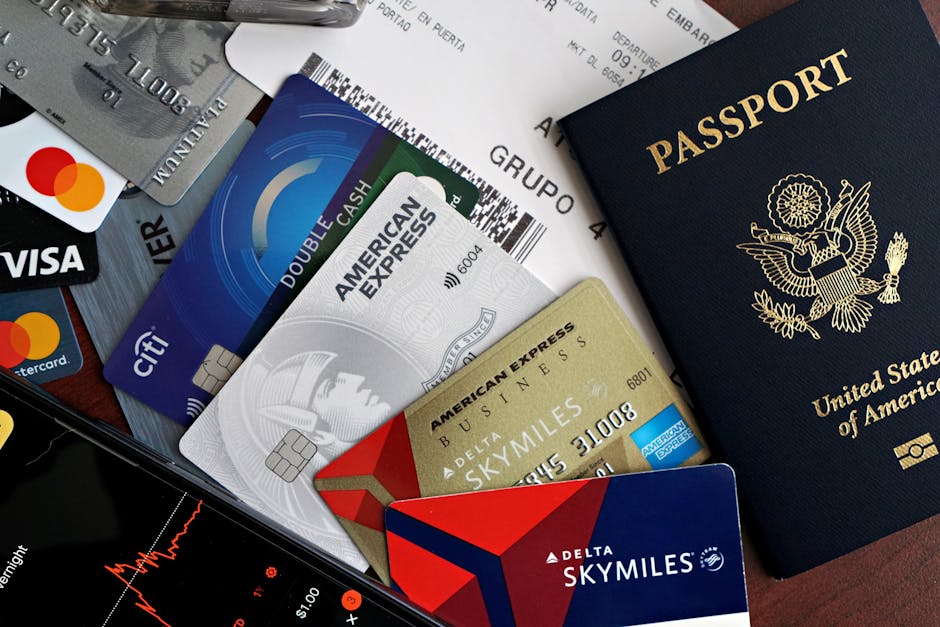
A well-designed loyalty program singapore businesses can implement today has the potential to transform one-time buyers into long-term customers. Singapore is one of the most loyalty-programme-saturated markets in Asia, with the average consumer enrolled in seven to ten programmes. From airline miles and credit card rewards to coffee stamp cards and retail membership tiers, Singaporeans are familiar with loyalty mechanics and have clear expectations.
This saturation creates both a challenge and an opportunity. The challenge is cutting through the noise. With wallets full of loyalty cards and phones loaded with rewards apps, consumers are selective about which programmes they actively engage with. The opportunity is that Singapore consumers have been trained to value loyalty rewards and actively seek them out when making purchasing decisions.
Major programmes like GrabRewards, KrisFlyer, CapitaStar and DBS Rewards have set a high bar for digital experience, personalisation and reward variety. Smaller businesses do not need to match their scale, but they do need to match the convenience and perceived value that consumers now expect. A poorly designed programme will be ignored regardless of how good your products are.
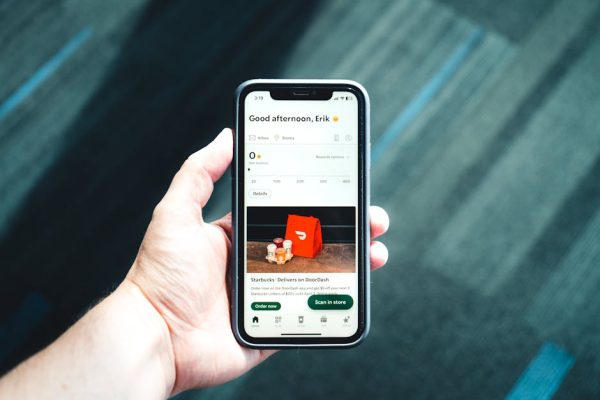
The shift to digital loyalty has accelerated significantly. Physical stamp cards and membership cards are giving way to mobile apps, digital wallets and integrated e-commerce loyalty features. This digital shift creates opportunities for businesses of all sizes to launch sophisticated programmes without massive upfront investment.
What Singapore Consumers Want From Loyalty Programmes
Understanding local consumer preferences is critical to designing a programme that drives real engagement rather than just sign-ups. Research specific to the Singapore market reveals several clear patterns.
First, Singaporeans value tangible, achievable rewards. Points that take years to accumulate or rewards that require unrealistic spending thresholds frustrate consumers and lead to programme abandonment. The most engaging programmes offer rewards that can be earned within two to three transactions and redeemed easily.
Second, cashback and instant discounts consistently outperform points-based rewards in consumer preference surveys. Singaporeans are pragmatic spenders who appreciate immediate, tangible value. If you use a points system, make the conversion to dollar value crystal clear. Ambiguous point values are one of the top reasons consumers disengage.
Third, personalisation matters increasingly. Generic rewards that do not reflect individual preferences feel impersonal. Consumers respond better to offers tailored to their purchase history and preferences. A coffee shop that sends a free pastry offer to a customer who always orders pastries with their coffee creates more value than a blanket discount.
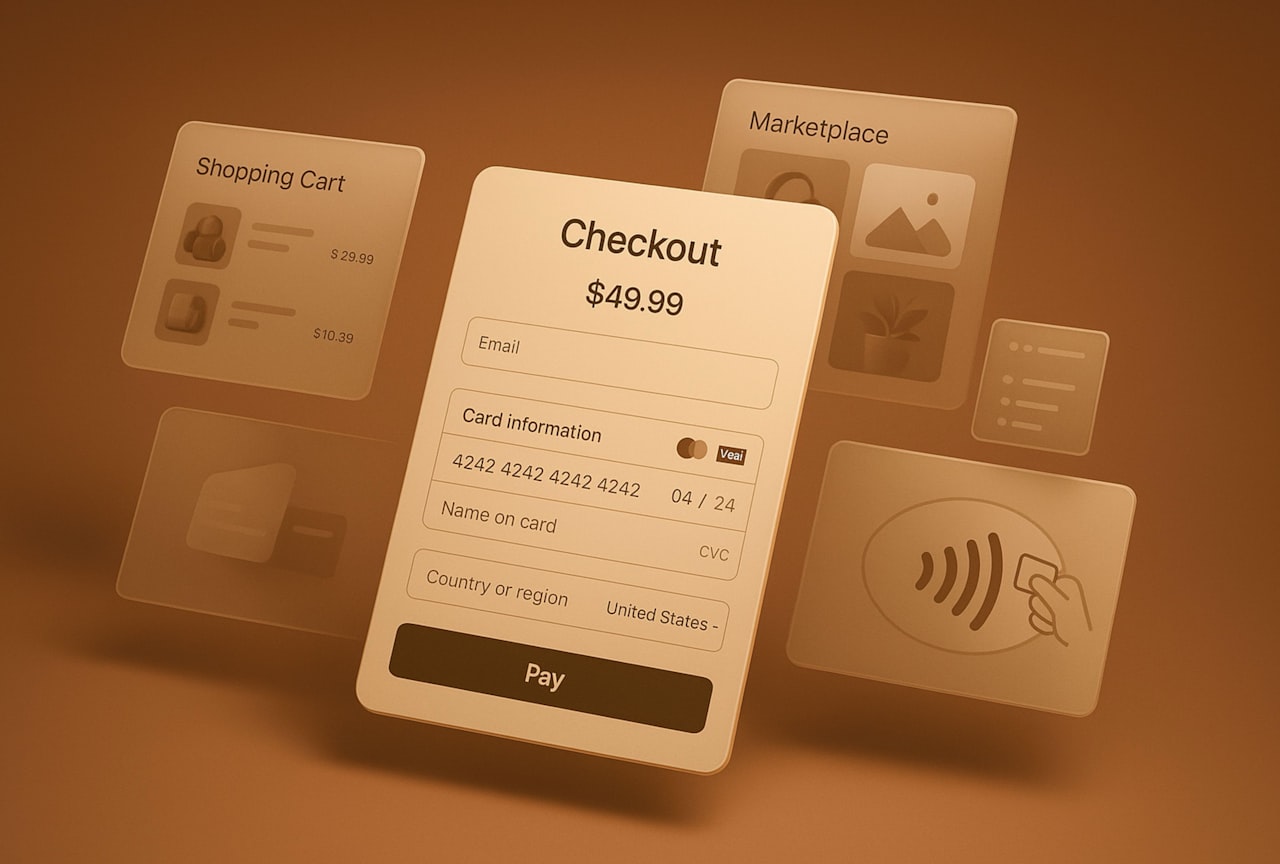
Fourth, convenience is non-negotiable. Any friction in earning or redeeming rewards, whether it is a clunky app, a requirement to show a physical card or complicated redemption steps, drives disengagement. Singapore consumers expect seamless digital experiences aligned with their mobile-first lifestyle.
Finally, exclusive experiences resonate with the Singapore market. Early access to sales, invitation-only events, priority service and personalised recommendations create emotional loyalty that transactional rewards alone cannot achieve. This is particularly effective for premium brands and the growing tiered loyalty programme model.
Designing a Reward Structure That Works
The reward structure is the engine of your loyalty programme. Get it right and customers will actively change their purchasing behaviour to earn and redeem rewards. Get it wrong and the programme becomes an expense with no return.
Start by defining your programme objectives. Are you trying to increase purchase frequency, raise average order value, reduce churn, generate referrals or gather customer data? Different objectives call for different structures. A programme focused on frequency should reward repeat visits. One focused on average order value should offer bonus points or rewards above a spending threshold.
Calculate the economics carefully. Your reward cost, expressed as a percentage of revenue, must be sustainable. Most successful programmes operate at a reward cost of 2 to 5 percent of incremental revenue generated. If your margins are thin, consider rewards that have a high perceived value but lower actual cost, such as exclusive access, free upgrades or partner rewards.
Design earning mechanics that are easy to understand. Customers should know exactly how to earn rewards and how close they are to the next one. A simple structure like “earn 1 point per dollar spent, redeem 100 points for a $5 voucher” is far more effective than complex formulas with bonus multipliers and category restrictions.
Build in surprise and delight elements. Beyond the predictable earn-and-redeem cycle, unexpected rewards create memorable moments that strengthen emotional loyalty. A birthday reward, a thank-you gift after a milestone purchase or a random upgrade shows customers they are valued beyond their transaction value.
Consider incorporating gamification elements to keep engagement high between purchases. Challenges, badges and progress bars tap into intrinsic motivation and make the programme more engaging than simple points accumulation. These elements work particularly well with younger demographics in Singapore.
Finally, plan your redemption options carefully. Offer multiple redemption choices at different point thresholds so customers can choose rewards that matter to them. Include both low-threshold quick wins and aspirational high-value rewards. The mix of immediate gratification and long-term goals keeps customers engaged across different spending levels.
Digital Loyalty Platforms and Technology
Technology is what makes modern loyalty programmes scalable, personalised and convenient. Singapore businesses have several options depending on their size, budget and technical capabilities.

For small businesses, platforms like Rewardly, Flex Rewards and Square Loyalty offer affordable, ready-to-use solutions. These typically include a customer-facing app or digital card, a merchant dashboard for managing rewards and basic analytics. Monthly costs range from SGD 50 to SGD 300, making them accessible for independent retailers, F&B outlets and service businesses.
Mid-sized businesses often benefit from more customisable platforms like LoyaltyLion, Smile.io or Yotpo (for e-commerce). These integrate with popular e-commerce platforms and CRMs, offering features like tiered programmes, referral rewards and detailed customer analytics. If you are considering building a dedicated app, explore the full scope of loyalty app development options.
Enterprise businesses typically build custom loyalty solutions or use enterprise platforms like Salesforce Loyalty Management, Capillary Technologies or Antavo. These support complex programme structures including coalition programmes, partner networks and advanced personalisation powered by AI.
Regardless of platform choice, ensure your loyalty technology integrates with your existing systems. At minimum, it should connect with your POS system, e-commerce platform and email marketing tool. Ideally, it also integrates with your CRM and CX technology stack to enable a unified view of each customer across all touchpoints.
Data security and PDPA compliance are essential considerations. Your loyalty platform will collect personal data including names, email addresses, phone numbers and purchase histories. Ensure the platform stores data securely, supports consent management and allows customers to access or delete their data on request.
Programme Launch Strategy for Maximum Adoption
A strong launch sets the trajectory for your entire loyalty programme. Poor launches result in low adoption rates that are difficult to recover from. Plan your launch as a dedicated marketing campaign with clear goals, timelines and promotional support.
Build anticipation before the official launch. Tease the programme through your existing channels: email, social media, in-store signage and your website. Give your best customers early access as a VIP preview. This creates social proof and generates word-of-mouth before the general launch.
Offer an attractive sign-up incentive. A welcome bonus of bonus points, an immediate discount or a free gift removes the friction of enrolment and gives new members an immediate reason to engage. The sign-up incentive should be compelling enough to drive action but not so generous that it attracts sign-ups from people with no intention of becoming regular customers.
Train your frontline staff thoroughly. Every customer-facing employee should be able to explain the programme benefits, help customers sign up and troubleshoot basic issues. Staff enthusiasm is contagious. If your team is excited about the programme, customers will be too. This is part of building a broader customer-centric culture across your organisation.
Leverage your social media marketing channels to amplify the launch. Create content that explains the programme benefits, showcases available rewards and features early adopters sharing their experiences. User-generated content from satisfied members is particularly powerful in the Singapore market where peer recommendations carry significant weight.
Set clear adoption targets. A realistic goal for the first three months is to enrol 20 to 30 percent of your active customer base. Track not just sign-ups but activation rates: what percentage of enrolled members actually earn and redeem their first reward? If activation rates are low, the barrier to the first reward may be too high.
Measuring Loyalty Programme ROI
Loyalty programmes are an investment that should generate measurable returns. Without proper measurement, you cannot optimise the programme or justify continued investment to stakeholders.
The most important metric is incremental revenue, the additional spending that loyalty members generate compared to non-members. Calculate this by comparing average order value, purchase frequency and retention rates between members and non-members. Be careful to control for self-selection bias. Your most loyal customers are likely to join the programme, so not all the difference in behaviour can be attributed to the programme itself.
Track programme-specific metrics including enrolment rate, active member rate (members who earned or redeemed in the last 90 days), points earn rate, redemption rate and programme liability (outstanding unredeemed points). A healthy programme has an active member rate above 40 percent and a redemption rate between 60 and 80 percent of earned rewards.
Monitor customer lifetime value changes. The ultimate goal of a loyalty programme is to increase the total value each customer generates over their relationship with your business. Compare CLV trends for programme members versus non-members over time to assess the long-term impact.
Calculate programme costs comprehensively. Include reward costs, technology platform fees, marketing and communication costs, and staff time spent managing the programme. Express total cost as a percentage of programme-attributed revenue to understand efficiency.
Report results monthly and conduct a thorough review quarterly. Use the data to make evidence-based decisions about reward structure adjustments, new features and promotional campaigns. The best loyalty programmes evolve continuously based on member behaviour data and feedback.
Common Mistakes Singapore Businesses Make
Having observed hundreds of loyalty programmes in the Singapore market, several common mistakes stand out. Avoiding these pitfalls will significantly improve your programme’s chances of success.
The first mistake is making rewards too hard to earn. If customers need to spend SGD 500 to earn a SGD 5 reward, the perceived value is too low to drive behaviour change. Design your earn rate so that the average customer reaches their first reward within two to three visits or purchases.
The second mistake is over-communicating. Sending daily push notifications or multiple emails per week about the loyalty programme is counterproductive. It trains customers to ignore your messages or, worse, unsubscribe entirely. Focus on timely, relevant communications: reward earned notifications, redemption reminders when rewards are about to expire and personalised offers based on purchase behaviour.
The third mistake is launching without a retention plan. Many businesses invest heavily in the launch and first month of their programme but have no plan for keeping members engaged over time. Plan ongoing campaigns, seasonal promotions and programme refreshes for at least the first 12 months before you launch. Include win-back campaigns for members who become inactive.
The fourth mistake is ignoring programme data. Your loyalty programme generates rich customer data that should inform not just programme optimisation but broader business decisions including inventory planning, product development and marketing targeting. Failing to analyse and act on this data wastes one of the programme’s most valuable outputs.
The fifth mistake is treating loyalty as a standalone initiative rather than integrating it across all customer touchpoints. Your loyalty programme should be woven into your SEO, content marketing, email strategy and in-store experience for maximum impact.
Frequently Asked Questions
How much does it cost to launch a loyalty programme in Singapore?
A basic digital loyalty programme using an off-the-shelf platform costs SGD 200 to SGD 500 per month including platform fees, plus reward costs of 2 to 5 percent of programme-attributed revenue. Custom-built programmes start at SGD 20,000 to SGD 50,000 for initial development plus ongoing maintenance. Most Singapore SMEs start with an affordable platform and upgrade as the programme grows.
Should I use a points-based or cashback loyalty programme?
Cashback programmes tend to be easier for Singapore consumers to understand and value. Points programmes offer more flexibility in reward design and can create stronger engagement through gamification. The best choice depends on your business model and customer preferences. Some businesses successfully combine both, offering points that can be converted to cashback at a clear, simple rate.
How do I prevent loyalty programme fraud in Singapore?
Implement verification for account creation and point redemption. Set limits on point earning per transaction. Monitor for unusual patterns such as rapid point accumulation or redemption from new accounts. Use mobile number verification since Singapore phone numbers are tied to NRIC registration. Your platform should include built-in fraud detection features.
What is a good loyalty programme enrolment rate?
For Singapore retail and F&B businesses, a good benchmark is enrolling 25 to 35 percent of regular customers within the first six months. Online businesses typically see higher rates of 40 to 50 percent because digital sign-up is frictionless. More important than enrolment is active engagement, which should be at least 40 percent of enrolled members.
How do I comply with PDPA when running a loyalty programme?
Collect only necessary personal data. Obtain explicit consent for data collection and marketing communications. Provide clear privacy policies explaining how data will be used. Allow members to access, correct and delete their data. Implement data retention policies and delete data when members leave the programme. Appoint a Data Protection Officer as required under PDPA.
Can I partner with other businesses for a coalition loyalty programme?
Yes, coalition programmes are popular in Singapore and can increase value for members by offering more earning and redemption opportunities. Start with two to three complementary, non-competing businesses and expand gradually. Ensure the technology platform supports multi-merchant transactions and clear attribution of points and costs between partners.
How often should I refresh my loyalty programme?
Major programme refreshes every 18 to 24 months keep the programme feeling current and address evolving customer preferences. Between major refreshes, introduce seasonal promotions, limited-time bonus offers and new rewards quarterly. Monitor engagement metrics monthly and make incremental adjustments when you see declining activity.
What is the biggest reason loyalty programmes fail in Singapore?
The biggest reason is that the rewards are not compelling enough relative to the effort required to earn them. Singapore consumers are sophisticated and can quickly calculate whether a programme offers genuine value. If the reward feels like an afterthought rather than a meaningful benefit, they will not change their behaviour to participate.