Table of Contents
- Why Your Business Needs a Dedicated Loyalty App
- Essential Features for a Loyalty Rewards App
- Build Custom vs Use a Platform: Making the Right Choice
- UX Design Principles for Loyalty Apps
- The Development Process From Concept to Launch
- Driving App Adoption and Active Usage
- Measuring Loyalty App Success
- Frequently Asked Questions
Why Your Business Needs a Dedicated Loyalty App
Investing in loyalty app development gives your business a direct, always-on channel to your most valuable customers. In Singapore, where smartphone penetration exceeds 92 percent and consumers spend an average of four to five hours daily on mobile devices, a loyalty app places your brand in their pocket and their daily routine.
A dedicated loyalty app offers advantages that web-based programmes cannot match. Push notifications allow you to reach customers instantly with personalised offers, reward updates and time-sensitive promotions. Location-based features trigger relevant messages when customers are near your stores. Biometric authentication makes login seamless. Offline functionality ensures the app works even without internet connectivity.
The data collection capabilities of a loyalty app are significantly richer than web-based alternatives. You can track in-store visits, app engagement patterns, feature usage, notification responses and location data, all of which inform your understanding of customer behaviour and preferences. This data powers the personalisation that modern consumers expect.
For Singapore businesses with physical locations, a loyalty app replaces the friction of plastic cards and paper stamps with a streamlined digital experience. Customers no longer need to remember to bring a card or search through their wallet. The app is always with them, reducing missed earning opportunities and improving programme engagement rates.
A well-designed loyalty app also strengthens your brand presence. Every time a customer sees your app icon on their home screen, it reinforces brand awareness. The app itself becomes an extension of your brand identity, communicating your values through design, tone and the quality of the user experience.
Essential Features for a Loyalty Rewards App
The features you include in your loyalty app determine whether customers use it once and forget it or make it part of their regular routine. Prioritise features based on customer value and technical feasibility.
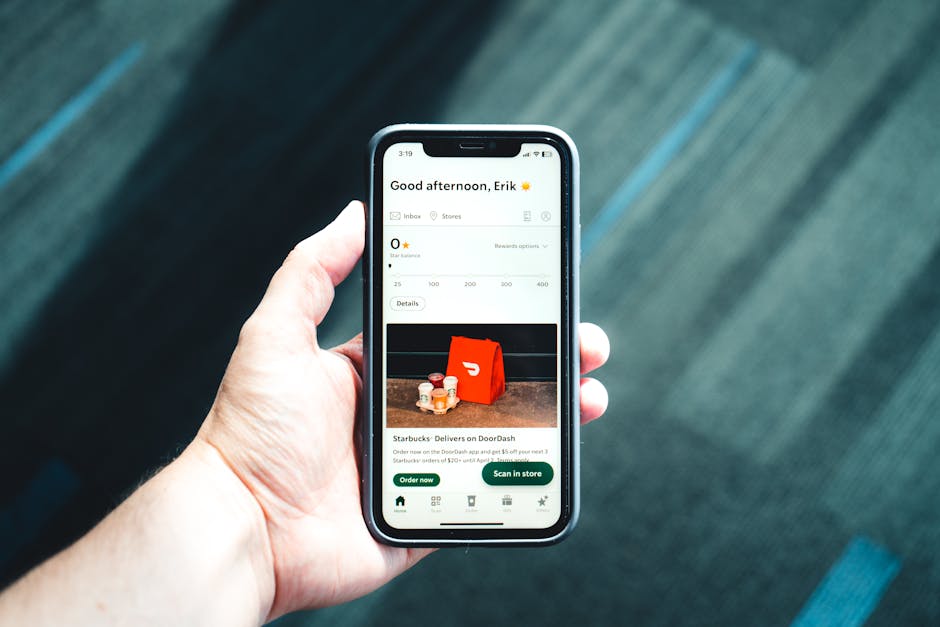
The rewards dashboard is the heart of the app. It should display the member’s current points balance, tier status, available rewards and progress toward the next milestone. This information must be visible immediately upon opening the app, without requiring scrolling or navigation. Design the dashboard to create a sense of progress and anticipation.
Easy earning mechanics are essential. The app should support multiple earning methods including QR code scanning at point of sale, linked payment card detection, receipt scanning, online purchase tracking and manual code entry. The more frictionless the earning process, the higher the engagement rate. In Singapore, QR code scanning integrates well with existing payment habits.
A reward catalogue with clear redemption options keeps members motivated. Include a mix of low-threshold quick rewards and aspirational high-value options. Allow in-app redemption where possible rather than requiring customers to present a voucher code at checkout. Seamless redemption is a significant differentiator in the Singapore market.
Push notifications are one of the most valuable app features, but they must be used judiciously. Segment notifications by member behaviour and preferences. Personalised notifications about earned rewards, expiring points and relevant offers drive engagement. Generic promotional blasts drive uninstalls. Aim for two to four notifications per week at most.
Personalised offers based on purchase history and preferences show members that the programme understands them. Use your customer data to serve recommendations, birthday rewards and category-specific promotions. This personalisation capability requires integration with your CX technology stack and customer data platform.
Additional features that enhance engagement include store locator with operating hours, digital membership card for in-store identification, order history and reorder functionality, referral programme mechanics, gamification elements like challenges and badges, and in-app customer support through chat. Prioritise based on what your customers need most and add features incrementally based on usage data.
Build Custom vs Use a Platform: Making the Right Choice
One of the first decisions in loyalty app development is whether to build a custom app from scratch, use a white-label platform or adopt an off-the-shelf loyalty app solution. Each approach has distinct advantages, costs and limitations.
Custom development gives you complete control over features, design and user experience. You can build exactly what your business needs without compromises or workarounds. Custom apps integrate deeply with your existing systems and can be modified as your programme evolves. However, custom development is the most expensive option, typically costing SGD 50,000 to SGD 200,000 for initial development, with ongoing maintenance costs of 15 to 20 percent annually.
White-label platforms offer pre-built loyalty app frameworks that you customise with your branding, reward structure and content. Platforms like Punchh, Antavo and LoyaltyLion provide robust functionality at a fraction of the custom development cost. Monthly fees typically range from SGD 500 to SGD 3,000 depending on features and member count. The trade-off is less flexibility in design and functionality.
Off-the-shelf solutions like Square Loyalty, Rewardly and Stamp Me provide the fastest path to a functional loyalty app. Setup takes days rather than months, and costs are the lowest at SGD 50 to SGD 300 per month. These work well for single-location businesses with straightforward loyalty mechanics but may limit your ability to differentiate the experience.
For most Singapore SMEs, the white-label approach offers the best balance. You get professional-grade features, reasonable costs and enough customisation to create a branded experience. Reserve custom development for businesses with unique requirements, complex integration needs or large customer bases that justify the investment.
Regardless of your approach, ensure the solution supports both iOS and Android. Singapore’s mobile market is split between the two platforms, and excluding either means losing a significant portion of your customer base. Cross-platform development frameworks like React Native and Flutter make it possible to build for both platforms from a single codebase, reducing development costs.
UX Design Principles for Loyalty Apps
The user experience of your loyalty app directly determines whether customers adopt it, use it regularly or abandon it after the first session. Singapore consumers have high expectations shaped by best-in-class apps from Grab, Shopee and banking platforms.
Speed is the most important UX factor. The app must load within two seconds. Points balance and reward information should be visible immediately. Every interaction, from scanning a QR code to redeeming a reward, should complete in under three seconds. If the app feels slow, customers will revert to asking staff to look up their account, which defeats the purpose.
Simplicity in navigation is critical. A loyalty app should have three to five main sections accessible from a bottom navigation bar: home or dashboard, rewards catalogue, earn or scan, activity history and profile or settings. Avoid burying key features in submenus. The most common actions should require no more than two taps from the home screen.
Visual design should align with your brand while following mobile design best practices. Use your brand colours and typography consistently. Employ generous white space, clear typography and high-contrast buttons. Avoid cluttering screens with too much information. Progressive disclosure, showing summary information first with the option to see details, keeps the interface clean.
Onboarding within the app must be quick and valuable. Allow sign-up with minimal information, ideally just a mobile number or email with SMS verification. Ask for additional details later when the customer is engaged. Immediately show the member their welcome reward or initial points balance to create an instant reward moment.
Accessibility matters for the diverse Singapore market. Support multiple languages if your customer base warrants it. Ensure text sizes are readable for all ages. Follow WCAG guidelines for colour contrast and touch target sizes. Test the app with users across different demographics to catch usability issues before launch.
Consider the offline experience. Mobile connectivity in Singapore is excellent but not perfect. Your app should handle connectivity drops gracefully, displaying cached data and queuing transactions for sync when the connection returns. A loyalty app that shows a blank screen or error message in a basement food court is a poor experience. Your web design team should be involved in ensuring the mobile interface meets the same standards as your website.
The Development Process From Concept to Launch
Whether you are building custom or configuring a platform, a structured development process reduces risk and ensures the final product meets business and customer needs.
Start with discovery and planning, which typically takes two to four weeks. Define your programme mechanics, identify must-have versus nice-to-have features, map integration requirements with existing systems and create user personas. Document everything in a product requirements document that serves as the reference throughout development.
Design comes next, lasting two to three weeks for a platform solution and four to six weeks for custom development. Create wireframes for every screen and user flow. Design high-fidelity mockups in your brand style. Build an interactive prototype and test it with five to ten customers from your target audience. User testing at this stage catches usability issues before any code is written, saving significant time and money.
Development for a platform solution involves configuration, customisation and integration, typically taking four to eight weeks. Custom development requires eight to sixteen weeks depending on complexity. During this phase, developers build the frontend interface, backend logic, API integrations and admin dashboard. Regular check-ins between your team and developers keep the project aligned with requirements.
Quality assurance should be thorough and involve real-world testing. Test on multiple device types, screen sizes and operating system versions. Test every user flow including sign-up, earning, redemption, notification receipt and account management. Test edge cases such as poor connectivity, expired rewards and account recovery. In Singapore, test on both iOS and Android devices across popular models from Apple, Samsung and Xiaomi.
Plan your integration with existing systems carefully. The app needs to communicate with your POS system for in-store transactions, your e-commerce platform for online purchases, your email marketing tool for coordinated communications and your CRM for unified customer profiles. Each integration should be tested thoroughly before launch.
A soft launch to a limited group, such as your most loyal customers or staff members, allows you to identify and fix issues in a controlled environment. Run the soft launch for two to four weeks, actively collect feedback and resolve issues before the public launch. This approach protects your brand reputation and ensures the wider launch goes smoothly.
Driving App Adoption and Active Usage
Building the app is only half the challenge. Driving downloads, activation and ongoing usage requires a dedicated marketing effort that extends well beyond launch week.
Start promoting the app before it launches. Build anticipation through email campaigns, social media teasers, in-store signage and social media marketing. Give your existing loyalty members early access as a reward for their loyalty. Create a landing page on your website that explains the app benefits and allows customers to pre-register.
Offer a compelling download incentive. A welcome bonus of 500 points, a free item or an instant discount removes the friction of downloading and registering. The incentive should be valuable enough to motivate action but not so generous that it attracts users with no intention of becoming regular customers.
Train frontline staff to promote the app at every customer interaction. Staff should be able to explain the benefits in 15 seconds, help customers download and register, and troubleshoot common issues. Incentivise staff based on app sign-ups to ensure consistent promotion. In Singapore’s service-oriented retail culture, a personal recommendation from staff is often more effective than any digital campaign.
Optimise your app store listing for discoverability. Use relevant keywords in your app title and description. Include compelling screenshots and a short video demo. Encourage satisfied members to leave app store reviews, which improve both ranking and conversion. A strong app store presence generates organic downloads over time, complementing your paid promotion efforts.
After the initial download wave, focus on activation and habit formation. The first seven days are critical. Use an onboarding sequence of push notifications and in-app messages to guide new members through their first earn, first redemption and key app features. Members who complete their first reward cycle within the first two weeks are far more likely to become long-term active users.
Combat dormancy with re-engagement campaigns. If a member has not opened the app in two weeks, send a push notification with a personalised offer or reminder of unclaimed rewards. If dormancy extends beyond a month, escalate to email and SMS outreach. These win-back efforts should be systematic and data-driven.
Measuring Loyalty App Success
Track both app-specific metrics and business impact metrics to understand whether your loyalty app is delivering value.
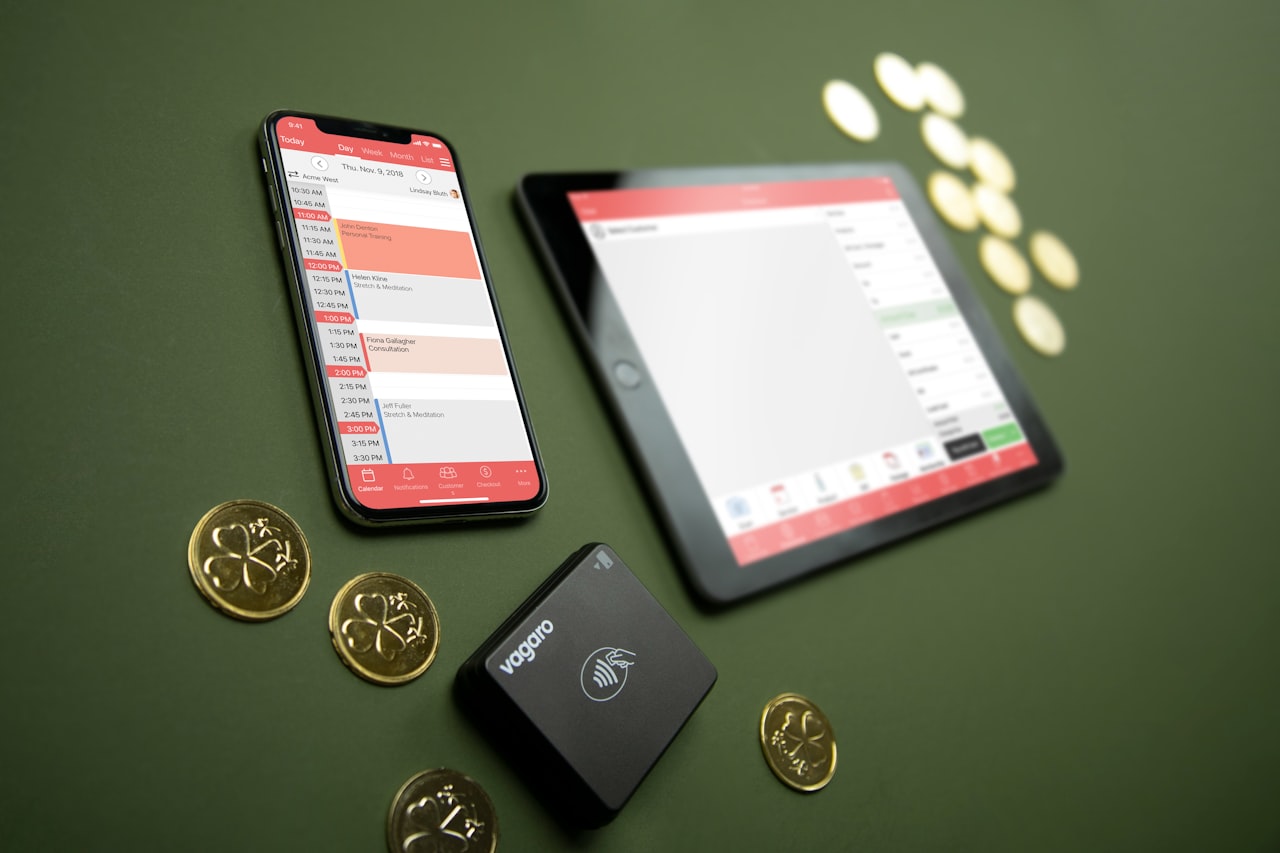
Core app metrics include download count, registration conversion rate (downloads to registered accounts), daily and monthly active users, session frequency and duration, feature usage rates and push notification engagement rates. Track these weekly and look for trends rather than fixating on individual data points.
Activation metrics tell you whether new members are becoming engaged. Track the percentage of new members who complete their first earn within seven days, the percentage who redeem their first reward within 30 days and the drop-off rates at each step of the onboarding flow. If activation is low, the app experience or programme design needs adjustment.
Retention metrics at the app level include 7-day, 30-day and 90-day retention rates. Compare these to industry benchmarks: the average loyalty app retains 25 to 30 percent of users at 30 days. If your rates are below this, investigate the reasons through user feedback and session analytics. High uninstall rates indicate fundamental issues with value proposition or user experience.
Business impact metrics connect the app to revenue outcomes. Compare customer lifetime value, average order value, purchase frequency and overall retention rates between app users and non-app users. Control for self-selection bias by comparing similar customer segments. The business case for the app is strengthened every time you can demonstrate that app users are measurably more valuable.
Collect qualitative feedback through in-app surveys, app store reviews and customer service interactions. Pay particular attention to feature requests, complaints about usability and suggestions for new reward options. This feedback drives your product roadmap and ensures the app continues to evolve in line with customer expectations.
Report results monthly to stakeholders, connecting app metrics to customer retention and revenue targets. A clear dashboard showing downloads, active users, engagement rates and attributed revenue keeps the organisation aligned and invested in the app’s continued success.
Frequently Asked Questions
How much does loyalty app development cost in Singapore?
Costs vary widely by approach. Off-the-shelf platforms cost SGD 50 to SGD 300 per month. White-label solutions range from SGD 500 to SGD 3,000 per month. Custom development costs SGD 50,000 to SGD 200,000 for initial build plus 15 to 20 percent annually for maintenance. Most Singapore SMEs start with a white-label solution at SGD 1,000 to SGD 2,000 per month.
How long does it take to develop a loyalty app?
Configuration of an off-the-shelf platform takes one to two weeks. White-label customisation takes four to eight weeks including design, configuration and testing. Custom development takes three to six months from concept to launch. Add two to four weeks for soft launch and refinement before public release.
Should my loyalty app support both iOS and Android?
Yes, supporting both platforms is essential in Singapore where the market is split between iOS and Android users. Cross-platform frameworks like React Native and Flutter allow you to build for both platforms simultaneously, reducing development time and cost by 30 to 40 percent compared to building separate native apps.
How do I integrate the loyalty app with my POS system?
Most modern POS systems offer APIs that allow loyalty apps to communicate transaction data. Common integration methods include API-based real-time syncing, QR code scanning at checkout and linked payment card detection. Work with your POS vendor and app developer to determine the most reliable integration method for your specific system.
What is a good download-to-registration conversion rate?
A well-designed loyalty app should convert 60 to 80 percent of downloads to completed registrations. If your rate is below 50 percent, the registration process likely has too many steps or asks for too much information upfront. Simplify registration to mobile number or email verification and collect additional details after the first engagement.
How often should I update the loyalty app?
Plan minor updates every two to four weeks for bug fixes and small improvements. Release feature updates quarterly based on user feedback and usage data. Major redesigns should happen every 12 to 18 months to keep the app feeling fresh and aligned with evolving mobile design standards.
Can a loyalty app work without internet connectivity?
Yes, with proper design. Cache essential data like points balance, membership card and recent activity for offline viewing. Queue earning transactions for sync when connectivity returns. Offline QR code generation for member identification ensures the app works in locations with poor connectivity such as basement retail spaces common in Singapore malls.
How do I prevent fraud in a loyalty app?
Implement SMS verification for account creation, device fingerprinting to detect multi-account abuse, velocity checks to flag unusual earning patterns and encryption for all data transmission. Monitor redemption patterns for anomalies and set daily earning and redemption limits. Regular security audits by qualified professionals protect both your business and your members.