Table of Contents
Planning Your Online Store Launch
Knowing how to launch online store singapore successfully requires more than picking a platform and uploading products. The businesses that thrive online are the ones that plan methodically before spending a single dollar on inventory or advertising.
Start with market validation. Before building anything, confirm that demand exists for your product. Search for your product category on Shopee and Lazada to assess competition. Use Google Trends to check search volume in Singapore. Survey potential customers through social media or online communities. If nobody is searching for or talking about your product, you have a positioning problem to solve first.
Define your target customer with specificity. A store that tries to serve everyone serves nobody well. Create a detailed customer profile covering demographics, shopping habits, pain points and the platforms they use. This profile will guide every decision from product selection to marketing channel choice.
Set realistic financial projections. Calculate your cost of goods, shipping costs, platform fees, payment processing fees and marketing budget. Most online stores need six to twelve months to reach profitability. Ensure you have enough capital to sustain operations during this ramp-up period without relying on immediate sales revenue.
Choose your e-commerce business model carefully. Whether you manufacture, wholesale, dropship or print on demand, each model has different capital requirements, margins and operational complexity. Your business model determines how quickly you can launch and how much working capital you need.
Business Registration and Legal Requirements
Singapore has clear and straightforward requirements for starting an online business. Getting the legal foundation right protects you and builds trust with customers.

Register your business with the Accounting and Corporate Regulatory Authority. If you are a Singapore citizen or permanent resident, you can register as a sole proprietor for as little as SGD 115. A private limited company offers liability protection and costs around SGD 300 to 400 to incorporate. Most serious e-commerce businesses opt for private limited registration.
Apply for a GST registration if your taxable turnover exceeds or is expected to exceed SGD 1 million in the next twelve months. Below this threshold, GST registration is voluntary but can be beneficial if you sell to GST-registered businesses.
Understand the Personal Data Protection Act obligations. You must obtain consent before collecting customer data, inform customers how you use their data and implement reasonable security measures. Publish a privacy policy on your website and ensure your email marketing practices comply with the Spam Control Act.
Depending on your product category, additional licences may be required. Food products need Singapore Food Agency licences. Health supplements require Health Sciences Authority notification. Electronics must comply with safety standards. Research your specific product category requirements before launching.
Set up a dedicated business bank account. Keep personal and business finances separate from day one. This simplifies accounting, tax filing and demonstrates professionalism when dealing with suppliers and payment processors.
Choosing the Right E-commerce Platform
Your e-commerce platform is the foundation of your online store. The right choice depends on your budget, technical ability, product range and growth ambitions.
Shopify is the most popular choice for Singapore e-commerce stores. Plans start from USD 39 per month and include hosting, security and a user-friendly interface. The Shopify app store offers thousands of extensions for marketing, fulfilment and customer service. Shopify Payments supports Singapore dollars and local payment methods.
WooCommerce on WordPress suits store owners who want maximum customisation and already have WordPress experience. It is free to install, though you need to pay for hosting, SSL certificates and premium plugins. WooCommerce requires more technical management but offers complete control over your store.
For sellers starting with limited budgets, marketplace platforms like Shopee and Lazada offer zero upfront costs. You pay commission on each sale, typically 2 to 5 percent. Marketplaces provide built-in traffic but limit your branding and customer data access. Many successful stores start on marketplaces and expand to their own sites once they have proven demand.
Consider your e-commerce website design requirements when selecting a platform. If you need extensive customisation, WooCommerce or Shopify Plus offer more flexibility. For most stores, Shopify’s standard templates provide a professional, conversion-optimised design out of the box.
Whichever platform you choose, ensure it supports local payment methods, calculates GST correctly and integrates with Singapore shipping providers. Test the checkout flow on mobile devices, as over 70 percent of Singapore e-commerce traffic comes from smartphones.
Setting Up Your Store for Success
Your store setup directly impacts conversion rates. A well-structured store with compelling product pages converts significantly more visitors into buyers.
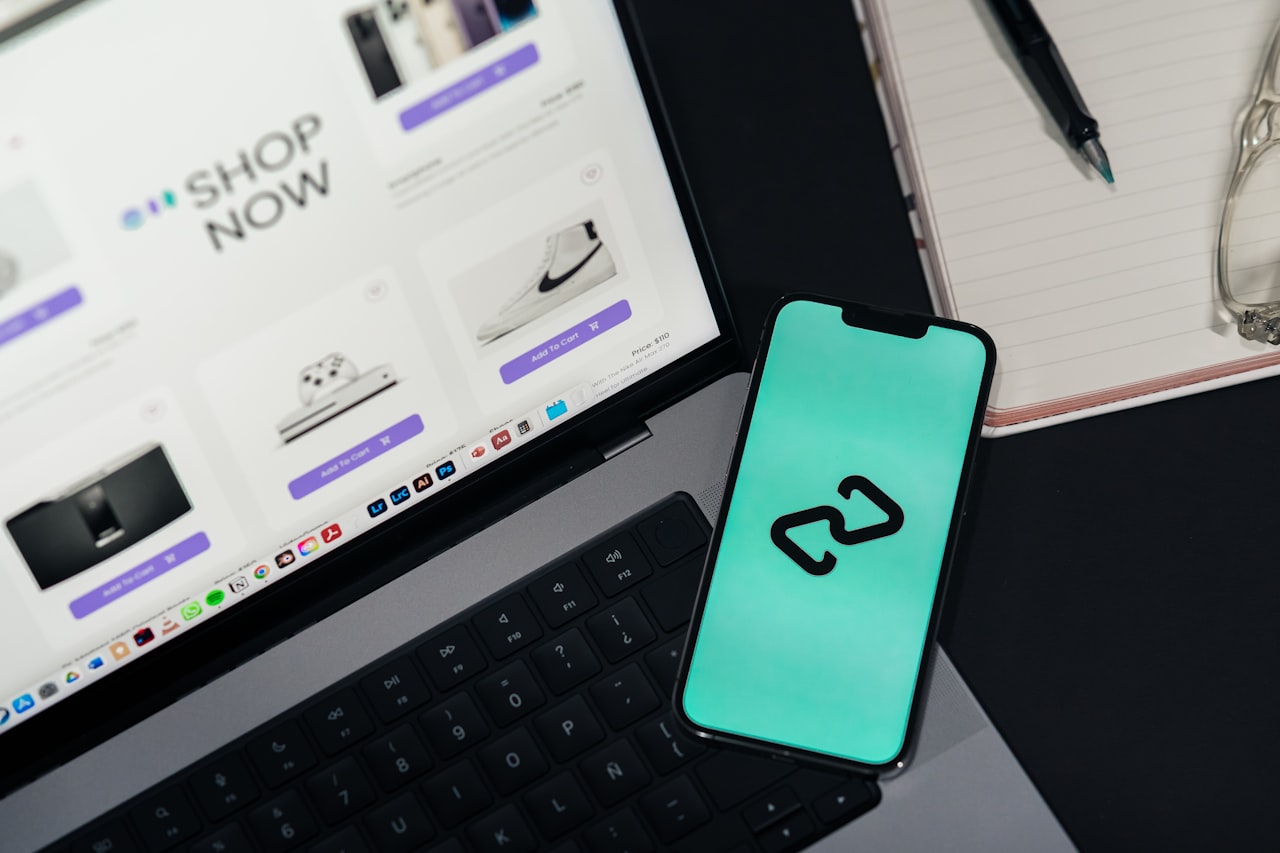
Invest in professional product photography. In e-commerce, photos are your shopfront. Shoot products on clean backgrounds with multiple angles, lifestyle shots showing products in use and detailed close-ups of materials and features. For apparel, include size reference images. For electronics, show scale comparisons.
Write product descriptions that sell benefits, not just features. Instead of listing specifications, explain how the product improves the customer’s life. Address common objections within the description. Include sizing guides, care instructions and compatibility information to reduce pre-purchase enquiries and post-purchase returns.
Organise your catalogue with intuitive navigation. Create logical category hierarchies that mirror how customers think about your products. Add filters for size, colour, price range and other relevant attributes. A customer should be able to find any product within three clicks from your homepage.
Set up essential pages beyond product listings. Your store needs an About page that tells your brand story, a comprehensive FAQ page, clear shipping and returns policies, a contact page and legal pages including terms and conditions and privacy policy. These pages build trust and reduce customer service enquiries.
Building a strong brand identity from the start sets you apart from marketplace sellers. Your e-commerce branding should be consistent across your store, packaging and all marketing channels. Work with a professional branding team if your budget allows.
Payments, Shipping and Logistics
Offering the right payment methods and reliable shipping are critical to conversion rates and customer satisfaction in Singapore.
Support multiple payment methods. Credit and debit cards remain essential, but Singapore consumers increasingly expect local options. PayNow allows instant bank transfers using mobile numbers. GrabPay and ShopeePay tap into large user bases. Buy-now-pay-later services like Atome and Pace are popular for higher-value purchases. Each additional payment method you offer can increase conversion rates by 5 to 10 percent.
For shipping within Singapore, partner with reliable local couriers. Ninja Van, J&T Express and Qxpress offer competitive rates for e-commerce shipments. Offer free shipping above a minimum order value, as shipping costs are the number one reason for cart abandonment. Calculate a free shipping threshold that increases your average order value while remaining attractive to customers.
Set up your fulfilment process before launch. Whether you fulfil orders yourself or use a third-party logistics provider, document the workflow from order receipt to dispatch. Aim to ship within 24 hours for standard orders. Provide tracking numbers automatically and send proactive shipping updates to customers.
Plan your returns policy carefully. A generous returns policy increases conversion rates but needs to be financially sustainable. In Singapore, a 7 to 14 day returns window is standard. Clearly state which products are returnable, the condition requirements and who bears return shipping costs.
If you plan to sell internationally, research the logistics early. Our guide to cross-border e-commerce from Singapore covers the shipping, customs and tax considerations for selling to neighbouring markets.
Pre-Launch Marketing Checklist
A successful store launch requires marketing preparation weeks before you open for business. Build anticipation and ensure you have traffic sources ready to activate on launch day.
Create social media accounts and start building an audience at least four to six weeks before launch. Share behind-the-scenes content, product teasers, your brand story and the problems your products solve. Build a community of interested followers who are ready to buy when you launch.
Set up a coming soon landing page with an email signup form. Collect email addresses from interested potential customers and send them updates about your launch progress. Offer early-bird incentives like exclusive discounts or free shipping for subscribers who purchase during launch week.
Install and configure all analytics and tracking tools. Set up Google Analytics 4, Facebook Pixel, TikTok Pixel and any other platform pixels you plan to advertise on. Configure conversion tracking for add-to-cart, checkout initiation and purchase events. This data is essential for optimising your marketing from day one.
Prepare your launch marketing campaigns. Draft email sequences, create social media content, set up paid ad campaigns in draft mode and reach out to influencers or bloggers who might feature your store. Having everything ready to activate simultaneously creates momentum.
Conduct thorough testing before going live. Place test orders, verify payment processing, check email notifications, test on multiple devices and browsers, and confirm that tracking fires correctly at each step. Ask friends or family to go through the entire purchase process and provide feedback.
Getting Your First Sale
Your first sale validates your concept and creates momentum. Here are the most effective tactics to accelerate time to first sale.

Start with your personal network. Share your store with friends, family, colleagues and social media connections. Personal recommendations carry enormous trust. Ask early customers to leave reviews and share their purchases on social media.
Run a launch promotion with genuine urgency. Offer a limited-time discount, free gift with purchase or exclusive bundle that is only available during launch week. Real scarcity motivates action, so set a clear end date and communicate it consistently.
Activate paid advertising on day one. Even a small daily budget of SGD 20 to 50 on Google Shopping or Meta Ads can drive targeted traffic to your store. Focus on your best-selling or highest-margin products initially. A comprehensive e-commerce marketing strategy will expand your channels over time.
Engage with relevant online communities. Join Singapore Facebook groups, Reddit communities, Telegram groups and forums where your target customers gather. Provide genuine value and recommendations rather than spamming promotional links. Community members who discover your brand organically become loyal customers.
Monitor your store performance intensely during the first two weeks. Watch for technical issues, review customer feedback, track which traffic sources convert best and identify any friction points in the purchase process. The first few weeks provide invaluable learning that shapes your long-term strategy.
Consider partnering with a digital marketing agency to accelerate your launch. Professional marketers bring experience from multiple store launches and can help you avoid common mistakes that waste time and budget.
Frequently Asked Questions
How much does it cost to launch an online store in Singapore?
A basic Shopify store can be launched for SGD 500 to 1,500 including the first month of subscription, a domain name and basic customisation. Budget an additional SGD 2,000 to 5,000 for initial inventory and SGD 1,000 to 3,000 for launch marketing. A professional custom store with agency support typically costs SGD 5,000 to 15,000.
Do I need a business registration to sell online in Singapore?
Yes. Any profit-seeking activity in Singapore requires business registration with ACRA. You can register as a sole proprietor or a private limited company. Selling without registration exposes you to legal penalties and prevents you from opening a business bank account or applying for payment gateways.
How long does it take to set up an online store?
A basic Shopify store with 20 to 50 products can be set up in one to two weeks. A fully customised store with professional photography, optimised content and marketing integrations typically takes four to eight weeks. Allow additional time for business registration, payment gateway approval and shipping partner setup.
Should I start on Shopee or build my own website?
Starting on Shopee is excellent for validating demand with minimal investment. You benefit from built-in traffic and do not need to worry about website development. However, build your own store in parallel to own your customer relationships, control your branding and avoid platform dependency. Many successful brands operate on both.
What products sell best online in Singapore?
Health and beauty products, fashion and accessories, electronics and gadgets, food and beverages, home and living products, and pet supplies consistently perform well. Rather than chasing trending categories, focus on products where you have genuine expertise, reliable supply chains and a clear competitive advantage.
How do I handle GST for my online store?
If your annual taxable turnover exceeds SGD 1 million, you must register for GST and charge 9 percent on domestic sales. Below this threshold, registration is voluntary. If registered, display prices inclusive of GST and file quarterly returns. Consult an accountant to understand the implications for your specific business.
What are the biggest mistakes when launching an online store?
The most common mistakes include launching without market validation, underinvesting in product photography, setting prices too low to be profitable, neglecting mobile optimisation, not installing analytics tracking from day one and expecting immediate sales without marketing investment. Avoid these and you are ahead of most new store owners.
Can I run an online store as a side business?
Yes, many successful Singapore e-commerce businesses started as side projects. Choose a business model with manageable time requirements, such as dropshipping or print on demand. Automate as much as possible with email sequences, chatbots and fulfilment partners. As revenue grows, you can transition to full-time if desired.