Cross-Border E-commerce From Singapore: Sell to Malaysia, Indonesia and Beyond
Table of Contents
The Cross-Border Opportunity From Singapore
Cross border ecommerce singapore presents an enormous growth opportunity for online retailers ready to expand beyond the domestic market. Singapore’s population of under six million limits the addressable market for local-only stores, but Southeast Asia’s combined population exceeds 680 million consumers with rapidly growing digital adoption.
Singapore-based e-commerce businesses enjoy several advantages in cross-border trade. The country’s reputation for quality and reliability gives Singapore brands instant credibility in regional markets. World-class logistics infrastructure, including Changi Airport and the Port of Singapore, provides efficient access to neighbouring countries. Strong trade agreements across ASEAN reduce tariff barriers for many product categories.
The ASEAN e-commerce market is growing at over 20 percent annually, driven by increasing internet penetration, rising middle-class spending power and improving digital payment infrastructure. Markets like Indonesia, the Philippines and Vietnam are experiencing the kind of e-commerce growth that Singapore saw five to ten years ago.
However, cross-border selling is not simply a matter of offering international shipping. Each market has unique consumer preferences, payment habits, regulatory requirements and competitive landscapes. Success requires thoughtful localisation and an understanding of each market’s nuances.
Before expanding internationally, ensure your domestic e-commerce marketing foundation is solid. Cross-border selling amplifies both strengths and weaknesses in your business operations.
Choosing Your Target Markets
Not all Southeast Asian markets are equally accessible or profitable for Singapore-based sellers. Prioritise markets based on demand for your product category, competitive intensity, logistical feasibility and regulatory complexity.

Malaysia is the natural first expansion market for most Singapore businesses. Geographic proximity means shipping is fast and affordable. Cultural and linguistic similarities reduce localisation requirements. Many Singapore brands already have recognition in Malaysia. The Malaysian e-commerce market exceeds USD 8 billion and is growing steadily.
Indonesia offers the largest addressable market in the region with over 270 million people. However, the vast geography creates logistical challenges, and price sensitivity is high. Success in Indonesia typically requires competitive pricing, Bahasa Indonesia content and a strong marketplace presence on Tokopedia and Shopee Indonesia.
The Philippines has a young, English-speaking population with strong social media engagement. Facebook and Instagram commerce are particularly active. Cash-on-delivery remains a significant payment method, which adds operational complexity. Metro Manila is the easiest entry point before expanding to secondary cities.
Thailand and Vietnam are growing rapidly but require significant localisation. Both markets have strong local competitors and distinct consumer preferences. Unless you have specific product advantages in these markets, consider them for phase two expansion after establishing yourself in Malaysia and Indonesia.
Evaluate each market by running small test campaigns before committing significant resources. Use marketplace platforms to test demand with minimal investment and expand to dedicated market operations only when you have validated product-market fit.
Shipping and Logistics for Cross-Border Sales
Logistics is the backbone of cross-border e-commerce. Your ability to deliver products quickly, reliably and affordably determines whether customers will buy from you over local alternatives.
For shipments to Malaysia, standard courier services like DHL eCommerce, Ninja Van Cross-Border and Janio deliver within three to five business days. Costs range from SGD 8 to 15 for small packages. For higher volumes, consider warehousing inventory in Johor Bahru to offer faster and cheaper delivery to Malaysian customers.
Indonesian shipments face greater complexity due to the archipelago geography. Ship to major cities on Java like Jakarta, Surabaya and Bandung for the best delivery experience. Outer island delivery is slower and more expensive. Partner with local fulfilment providers who understand Indonesian logistics infrastructure.
Fulfilment hub strategies can significantly improve cross-border delivery times and costs. Singapore Post, Janio and several third-party logistics providers offer cross-border fulfilment services that consolidate shipments, handle customs documentation and distribute through local courier networks.
Returns management is more complex for cross-border orders. Clearly communicate your international returns policy, including who bears return shipping costs. Consider providing local return addresses in your primary export markets. Some sellers offer refund-without-return for low-value items to avoid the cost of international return shipping.
Track and communicate shipping transparently. Cross-border customers accept longer delivery times when they are informed upfront. Provide tracking numbers that work across borders and send proactive shipping updates. Unclear delivery expectations are a primary driver of negative reviews from international customers.
Cross-Border Payments and Currency
Payment preferences vary significantly across Southeast Asian markets. Offering locally preferred payment methods in each market is essential for conversion.

In Malaysia, credit and debit cards, online banking through FPX, e-wallets like Touch n Go and GrabPay Malaysia, and buy-now-pay-later services are the primary payment methods. Display prices in Malaysian Ringgit and accept MYR to eliminate currency conversion confusion for customers.
Indonesia is primarily a cash and bank transfer market, though digital payments are growing rapidly. GoPay, OVO, Dana and ShopeePay are the leading e-wallets. Bank transfers through virtual accounts are common for higher-value purchases. Cash-on-delivery remains significant, particularly outside major cities.
The Philippines has high cash-on-delivery usage, though GCash and Maya are rapidly digitising payments. Credit card penetration is low outside Metro Manila. Offering COD options increases your addressable market but requires partnerships with local fulfilment providers who can handle cash collection.
Use a payment gateway that supports multi-currency and regional payment methods. Providers like Stripe, PayMongo, 2Checkout and Adyen offer cross-border payment solutions tailored for Southeast Asia. Factor payment processing fees and currency conversion costs into your pricing to maintain margins.
Display prices in local currencies on your website. Currency switching based on visitor location reduces friction and makes prices immediately understandable. Most e-commerce platforms offer multi-currency plugins or built-in functionality for this purpose.
Your pricing strategy for cross-border markets must account for shipping costs, duties, currency fluctuations and local purchasing power to remain competitive.
Regulations, Duties and Compliance
Each country in Southeast Asia has its own import regulations, duty structures and compliance requirements. Understanding these before you start selling prevents costly surprises and legal issues.
Malaysia imposes a 10 percent sales and service tax on most imported goods. Low-value goods below MYR 500 were previously exempt, but regulations now require tax collection on most e-commerce imports. Register for the Malaysian SST if your sales exceed the threshold, or use a logistics provider who handles tax collection on your behalf.
Indonesia has extensive import regulations including mandatory SNI certification for many product categories, halal certification requirements for food and cosmetics, and BPOM registration for health and beauty products. Import duties range from 5 to 40 percent depending on product category. Consult with an Indonesian trade compliance specialist before shipping regulated products.
The Philippines charges customs duties of 0 to 30 percent based on product category, plus 12 percent VAT on imports. De minimis thresholds exempt very low-value shipments from duties. The Bureau of Customs can be unpredictable, so use experienced customs brokers for Philippine shipments.
Product labelling requirements differ by country. Many Southeast Asian markets require product labels in the local language, ingredient lists in specified formats and specific warnings or certifications. Ensure your packaging meets destination country requirements before shipping.
Intellectual property protection varies across the region. Register your trademarks in each market where you sell. Counterfeit enforcement is challenging in some countries, so proactive brand protection measures are important for established brands.
Marketing Localisation Strategies
Successful cross-border selling requires more than translation. True localisation adapts your marketing to resonate with each market’s culture, preferences and buying behaviour.
Language localisation goes beyond word-for-word translation. Malaysian Malay and Indonesian Bahasa have significant vocabulary differences despite being related languages. Use native speakers or professional localisation services for each market. Poorly translated content damages brand credibility and trust.
Adapt your product positioning for each market. A product positioned as premium in Singapore may need repositioning as aspirational luxury or accessible quality in markets with different income levels. Understand local purchasing power and competitive pricing to position effectively.
Localise your social media presence. Create market-specific social media accounts or content streams that reflect local culture, humour and trends. Local social media managers or agencies who understand regional nuances perform significantly better than centralised content translated from your Singapore accounts.
Adjust your marketing calendar for each market. Each country has different shopping festivals, holidays and promotional seasons. Indonesia’s Ramadan season, the Philippines’ Christmas shopping period and Malaysia’s Hari Raya celebrations present unique marketing opportunities that do not align with Singapore’s retail calendar.
Partner with local influencers in each target market. A Singapore influencer has limited reach in Indonesia or the Philippines. Identify micro-influencers in each market who can authentically promote your products to their local followers. Work with a social media marketing agency experienced in cross-border influencer campaigns.
Invest in localised SEO for each market. This means keyword research in the local language, content optimised for local search engines and country-specific domain or subdomain strategies. Google dominates search across Southeast Asia, but local search behaviour and keyword patterns differ significantly from Singapore.
Platforms and Channels for Cross-Border Selling
Choosing the right sales channels for each market determines how quickly you can establish a presence and start generating cross-border revenue.
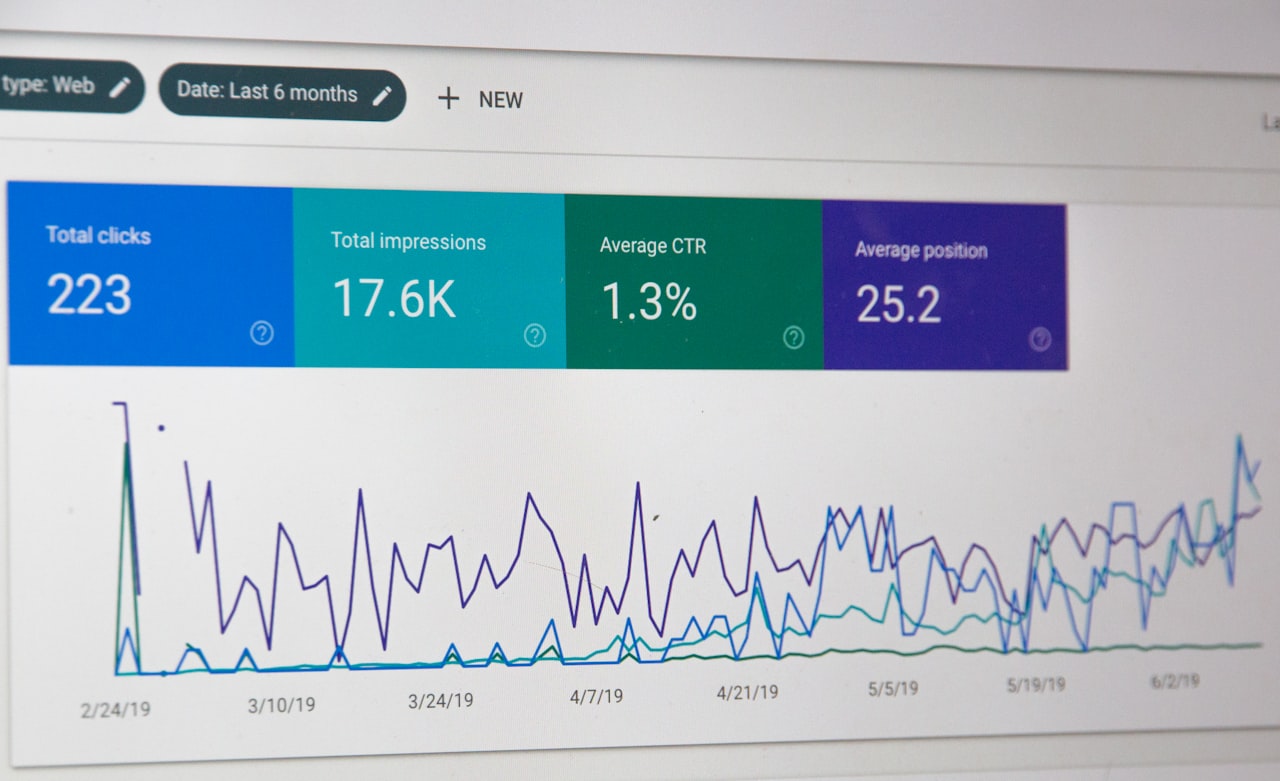
Shopee is the most accessible cross-border platform. Shopee Cross-Border allows Singapore sellers to list products on Shopee Malaysia, Indonesia, the Philippines, Thailand and Vietnam from a single seller dashboard. Shopee handles payments, provides logistics integration and offers promotional tools for each market.
Lazada Cross-Border operates similarly, allowing sellers to reach six Southeast Asian markets from a centralised seller centre. Lazada’s LazGlobal programme provides logistics support including cross-border shipping, customs clearance and last-mile delivery. Both Shopee and Lazada charge commission rates ranging from 2 to 8 percent.
Your own website with international shipping capabilities gives you the most control but requires more effort to drive traffic in each market. Use market-specific landing pages, localised SEO and paid advertising to attract customers. A dedicated web design that supports multi-language and multi-currency functionality is essential.
Amazon Singapore provides access to Amazon’s global fulfilment network, allowing you to sell on Amazon US, Europe and Japan through Fulfilment by Amazon. This expands your reach beyond Southeast Asia to global markets with established buyer trust in the Amazon brand.
Social commerce channels, particularly TikTok Shop and Instagram Shopping, are effective for cross-border discovery. Create content that appeals to regional audiences and leverage platform algorithms to reach potential customers in target markets organically.
For a comprehensive approach to cross-border expansion, consider partnering with a digital marketing agency that has experience in multi-market Southeast Asian campaigns.
Frequently Asked Questions
What is the best market to expand to first from Singapore?
Malaysia is the best first expansion market for most Singapore e-commerce businesses. Geographic proximity enables fast, affordable shipping. Cultural and linguistic similarities reduce localisation barriers. Many Singapore brands already have recognition in Malaysia. Start with Peninsula Malaysia before considering East Malaysia.
How do I handle customs and duties for cross-border shipments?
Partner with logistics providers who handle customs documentation and clearance. For marketplace sales, platforms like Shopee and Lazada manage customs processes through their logistics networks. For direct website sales, use cross-border logistics providers like Janio, Singapore Post or DHL eCommerce who handle customs on your behalf.
Do I need to register a business in each country I sell to?
Generally, no. You can sell cross-border from Singapore without registering a local entity in most Southeast Asian countries, up to certain revenue thresholds. However, some countries require tax registration once your sales exceed specific amounts. If you plan significant sales in a market, local entity registration may offer logistical and tax advantages.
How do I set prices for different markets?
Consider local purchasing power, competitive pricing, shipping costs, duties and currency exchange rates. Prices that work in Singapore are often too high for Indonesia and the Philippines. Research competitor pricing in each market and position accordingly. Factor in all landed costs to ensure profitability at local market prices.
What products sell well across Southeast Asian markets?
Singapore-branded health supplements, skincare and beauty products, electronics accessories and premium food products perform well regionally. Products that leverage Singapore’s reputation for quality and safety command premium positioning. Avoid products with complex regulatory requirements in your initial expansion.
How do I handle customer service in multiple languages?
Start with English for Malaysia and the Philippines where English proficiency is high. For Indonesia, hire bilingual customer service staff or use translation tools with human review. Marketplace platforms handle some customer service functions through their platforms. As you scale, invest in local language customer service for primary markets.
What are the biggest mistakes in cross-border e-commerce?
Expanding to too many markets simultaneously, underestimating logistics complexity, ignoring local payment preferences, using poor translations, pricing without considering landed costs and duties, and neglecting regulatory compliance. Start with one market, prove the model, then expand methodically.
How long does it take to become profitable in a new market?
Expect six to twelve months to reach profitability in a new market. The first three months involve testing products, pricing and marketing channels. Months four to six focus on optimising based on data. Profitability typically comes as you build repeat customers, optimise advertising spend and improve operational efficiency.