Marketing to Vietnam from Singapore: One of SEA’s Fastest-Growing Markets
Table of Contents
- Vietnam: Southeast Asia’s Rising Digital Economy
- Understanding Vietnam’s Consumer Market
- Digital Platforms and Social Media in Vietnam
- Localisation Strategy for the Vietnamese Market
- Digital Advertising Channels and Tactics
- E-Commerce Landscape and Market Entry
- Practical Market Entry Strategy
- Frequently Asked Questions
Vietnam: Southeast Asia’s Rising Digital Economy
Marketing to Vietnam from Singapore offers access to one of the world’s fastest-growing digital economies. With nearly 100 million people, a median age of 31, GDP growth consistently above six percent, and a digital economy expanding at over 20 percent annually, Vietnam represents an enormous opportunity for Singapore businesses looking to expand regionally.
Vietnam’s digital transformation has been remarkable. Internet penetration exceeds 79 percent, smartphone penetration is above 70 percent, and e-commerce adoption has accelerated dramatically. The country’s young, tech-savvy population is rapidly adopting digital services across every category — from online shopping and food delivery to digital banking and online education.
Singapore is one of Vietnam’s largest foreign investors, and business relations between the two countries are strong. Vietnamese consumers generally perceive Singaporean brands positively, associating them with quality, reliability, and modernity. This perception provides a competitive advantage when entering the market.
However, Vietnam’s market dynamics are distinctly different from Singapore and other Southeast Asian neighbours. The language barrier, unique platform ecosystem, price sensitivity, and rapidly evolving regulatory landscape require a dedicated strategy. A properly tailored digital marketing approach is essential for success in this promising but complex market.
Understanding Vietnam’s Consumer Market
Vietnam’s consumer market is characterised by rapid modernisation, a growing middle class, and unique preferences shaped by culture and economic development.
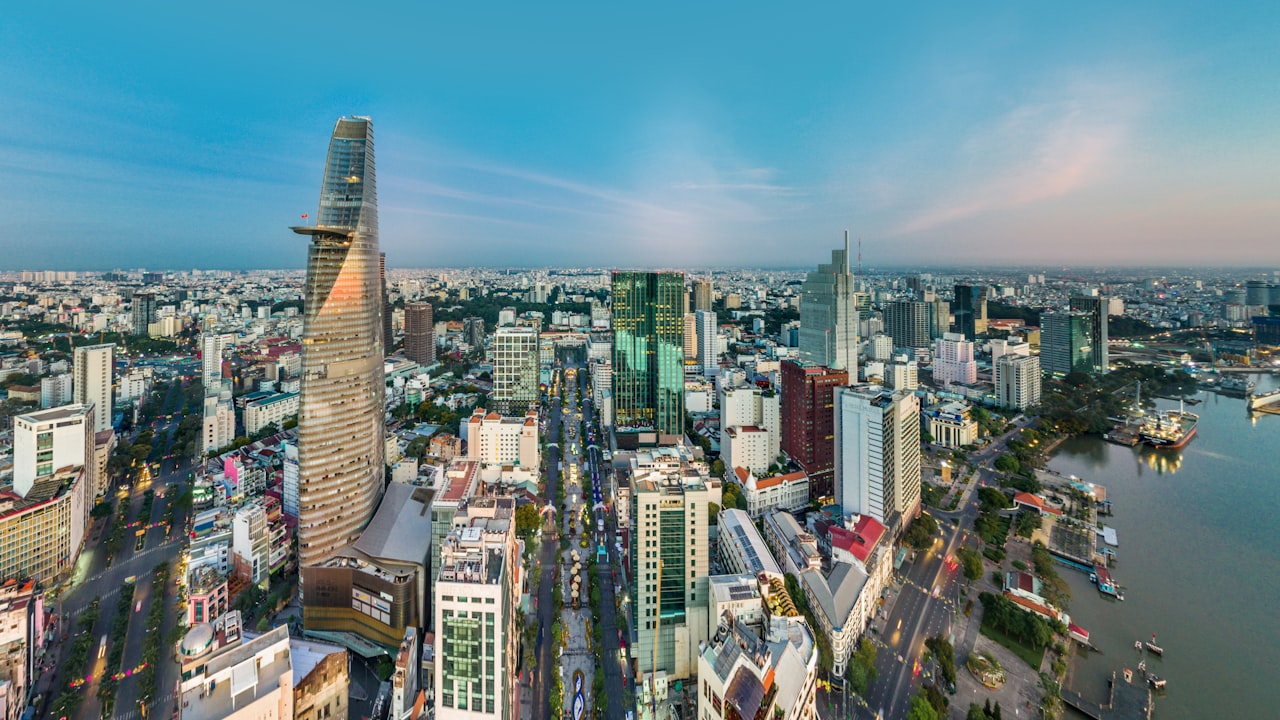
Ho Chi Minh City (HCMC) and Hanoi are the two primary markets, together representing approximately 20 million consumers and the majority of Vietnam’s purchasing power. However, these cities have distinctly different consumer cultures. HCMC is more commercially oriented, cosmopolitan, and receptive to new brands. Hanoi is more traditional, brand-loyal, and cautious with new products. Your strategy may need to differ between the two cities.
Vietnam’s emerging middle class is estimated at 35 to 40 million people and growing rapidly. This segment is driving demand for quality products, branded goods, and premium services. They are digitally connected, brand-conscious, and willing to pay more for products that signal status and quality — but they still expect value for money.
Younger Vietnamese consumers (under 35, representing approximately half the population) are highly digital, social media-savvy, and influenced by global trends. They follow Vietnamese and international influencers, are active on multiple social platforms, and make purchasing decisions heavily influenced by peer recommendations and online reviews.
Price sensitivity remains a defining characteristic of the Vietnamese market. Vietnam’s GDP per capita, while growing rapidly, is still significantly lower than Singapore’s. Consumers compare prices meticulously, seek deals and promotions, and expect competitive pricing. Free shipping, discount codes, and instalment payment options significantly impact conversion rates.
Trust building is crucial and takes time. Vietnamese consumers are cautious about unfamiliar brands, particularly for high-value purchases. Social proof — reviews, influencer endorsements, user-generated content — plays a critical role in building the trust necessary for conversion. Patience and consistent market presence are required to establish brand credibility.
Digital Platforms and Social Media in Vietnam
Vietnam’s digital platform ecosystem has unique characteristics that Singapore marketers must understand to reach consumers effectively.
Facebook is the dominant social media platform with approximately 75 million users. Facebook is used for everything from personal communication to business transactions, news consumption, and community participation. Facebook Groups are particularly important for commerce — many Vietnamese consumers discover, discuss, and purchase products within Facebook Groups dedicated to specific interests or product categories.
Zalo is Vietnam’s homegrown messaging and social platform with approximately 75 million users. While often overlooked by foreign marketers, Zalo is essential for customer communication and is widely used for business transactions. Zalo Official Accounts, Zalo Ads, and Zalo Shopping provide marketing capabilities similar to LINE in Thailand or WeChat in China. Neglecting Zalo means missing a critical touchpoint.
TikTok has grown explosively in Vietnam, reaching approximately 60 million users. Vietnamese TikTok content is creative, entertaining, and highly shareable. TikTok Shop operates in Vietnam and has become a significant e-commerce channel, particularly for beauty, fashion, and consumer goods. Live commerce on TikTok drives substantial sales volume.
YouTube has approximately 65 million users and is the primary platform for video content consumption. Vietnamese consumers use YouTube extensively for product reviews, tutorials, and entertainment. YouTube advertising offers strong reach at competitive pricing.
Instagram has approximately 15 million users, primarily urban younger demographics in HCMC and Hanoi. While smaller than other platforms, Instagram is important for fashion, beauty, lifestyle, and premium brands targeting affluent Vietnamese consumers.
Understanding platform preferences is critical for your social media marketing in Vietnam. Unlike Singapore where a handful of platforms dominate across demographics, Vietnam’s platform landscape requires a broader, more nuanced approach.
Localisation Strategy for the Vietnamese Market
Vietnam requires thorough localisation — the language, cultural context, and consumer expectations differ substantially from any other Southeast Asian market.
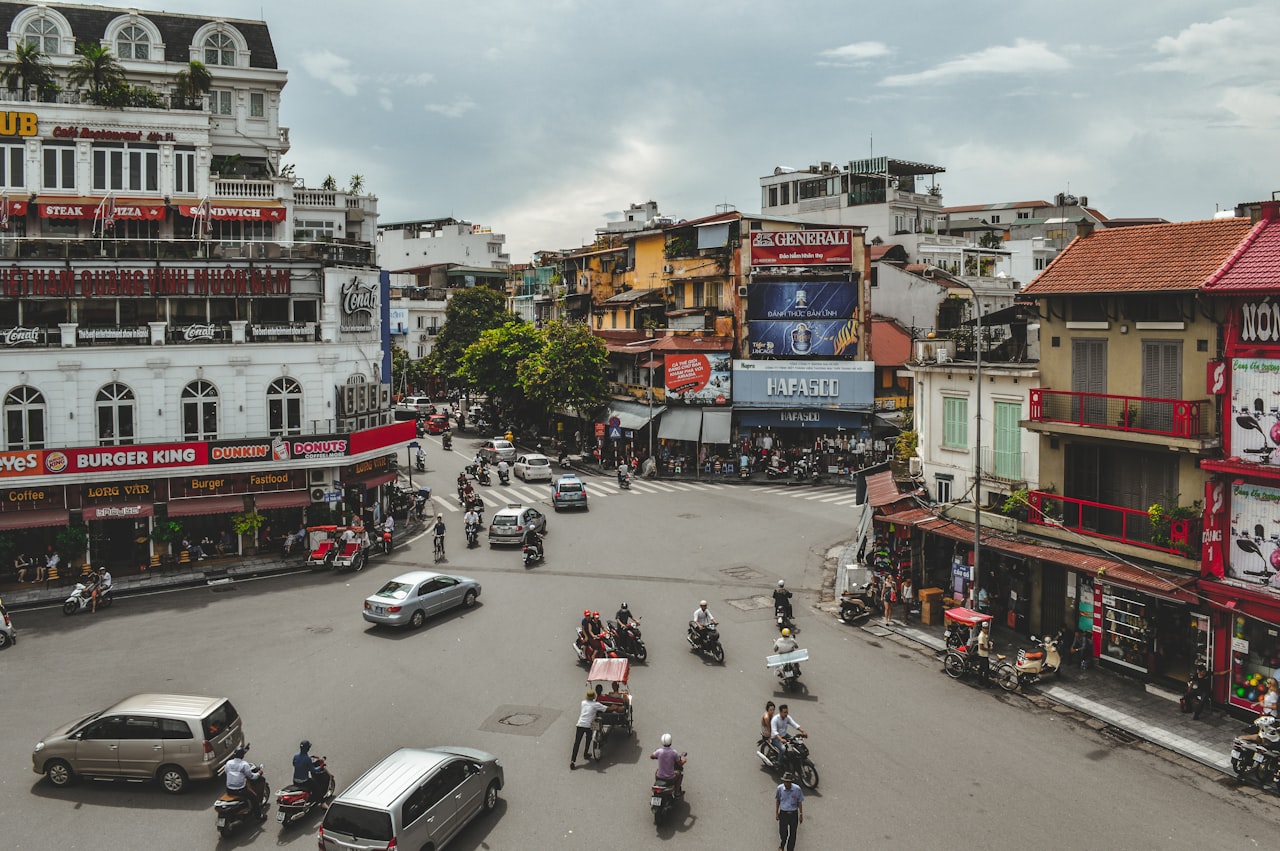
Vietnamese language content is essential. English proficiency in Vietnam is lower than in Singapore, Malaysia, or the Philippines. Consumer-facing content must be in Vietnamese to reach the majority of the market. Vietnamese uses a Latin-based script (Quoc Ngu) with diacritical marks that are essential for correct meaning — improper use of diacritics changes words entirely and appears unprofessional.
Invest in native Vietnamese content creators. Machine translation and non-native Vietnamese speakers produce content that Vietnamese consumers immediately recognise as foreign and inauthentic. Slang, humour, and cultural references vary between HCMC and Hanoi — content that resonates in one city may fall flat in the other.
Cultural sensitivity requires understanding Vietnam’s values and social norms. Family, respect for elders, education, and national pride are central cultural themes. Marketing that references or aligns with these values resonates strongly. Content that could be perceived as disrespectful or culturally insensitive generates swift backlash.
Adapt your pricing and positioning for Vietnamese purchasing power. Display all prices in Vietnamese Dong (VND). Develop Vietnam-specific pricing tiers that reflect local market conditions rather than converting from SGD. Consider entry-level product versions or smaller package sizes that match Vietnamese spending patterns.
Localise your brand story for the Vietnamese context. Explain why your brand is relevant to Vietnamese consumers specifically, not just Southeast Asian consumers generally. Connect your value proposition to Vietnamese aspirations, challenges, and lifestyle. Strong brand positioning adapted for local context builds meaningful connections with Vietnamese audiences.
Build Vietnamese-language content marketing assets that address local consumer needs. Product guides, comparison content, and how-to articles in Vietnamese establish authority and support the buyer journey. Vietnamese consumers conduct extensive online research, and content that answers their questions builds trust and drives conversion.
Digital Advertising Channels and Tactics
Vietnam’s digital advertising market offers excellent reach at costs that are among the lowest in Southeast Asia, delivering strong ROI for well-executed campaigns. See how this sits inside a coordinated APAC strategy.
Facebook Ads remain the most effective broad-reach advertising channel in Vietnam. With 75 million users and sophisticated targeting capabilities, Facebook delivers efficient awareness, engagement, and conversion campaigns. Cost per click is typically 80 to 90 percent lower than Singapore, making Vietnam one of the most cost-effective markets for Facebook advertising globally.
Google Ads reaches Vietnamese consumers through search, display, and YouTube. Vietnamese-language keyword research is essential — search behaviour patterns differ from English-language markets. Coordinate with an experienced Google Ads team to develop Vietnam-specific keyword strategies and campaign structures.
Zalo Ads provide access to Vietnam’s essential messaging platform. Ad formats include display ads in Zalo’s social feed, article ads, and Zalo Official Account promotions. While Zalo’s advertising platform is less sophisticated than Meta’s, it reaches users who may be less active on Facebook, providing complementary coverage.
TikTok Ads are increasingly important for reaching younger Vietnamese consumers. In-feed ads, branded hashtag challenges, and spark ads (boosted creator content) deliver strong engagement. TikTok’s algorithm-driven discovery allows new brands to achieve visibility quickly with creative, entertaining content.
Influencer marketing is highly effective in Vietnam. Vietnamese KOLs significantly influence purchasing decisions. Rates are very competitive — micro-influencers charge $50 to $200 SGD per post, while mid-tier influencers charge $200 to $1,000. Authenticity and audience relevance matter far more than follower count.
Live commerce is booming in Vietnam. Brands selling through live streams on TikTok, Shopee Live, and Facebook Live generate significant sales. Vietnamese consumers enjoy the interactive nature of live selling and the promotional urgency of live-only deals.
E-Commerce Landscape and Market Entry
Vietnam’s e-commerce market is growing at over 25 percent annually, making it one of the fastest-growing e-commerce markets globally.
Shopee Vietnam is the dominant marketplace platform by traffic and transaction volume. Shopee’s cross-border seller programme allows Singapore businesses to list products and sell into Vietnam with Shopee handling payments and logistics. This is typically the lowest-risk, fastest entry point for product-based businesses.
Lazada Vietnam, backed by Alibaba, is the second-largest marketplace and has a strong presence particularly in electronics, appliances, and fashion. Having presence on both Shopee and Lazada maximises your addressable market in Vietnam.
TikTok Shop Vietnam has grown rapidly as a commerce channel, particularly for beauty, fashion, and consumer goods. The integration of content and commerce on TikTok suits Vietnamese consumers who enjoy entertainment-driven shopping experiences.
Payment preferences include bank transfers (most common), digital wallets (MoMo, ZaloPay, VNPay), cash-on-delivery (approximately 60 to 70 percent of transactions outside major cities), and credit cards (limited penetration). Offering comprehensive payment options is essential for conversion.
Logistics in Vietnam have improved but vary by region. Major cities offer same-day or next-day delivery through GHN, GHTK, Viettel Post, and J&T Express. Consider Vietnamese warehousing for faster delivery and better customer experience.
Build a Vietnamese-language website to complement marketplace selling. While marketplaces drive initial sales, your own website builds brand equity, captures customer data, and provides a premium shopping experience for customers who advance beyond marketplace discovery.
Practical Market Entry Strategy
A phased approach manages risk while building the foundation for sustainable growth in Vietnam.
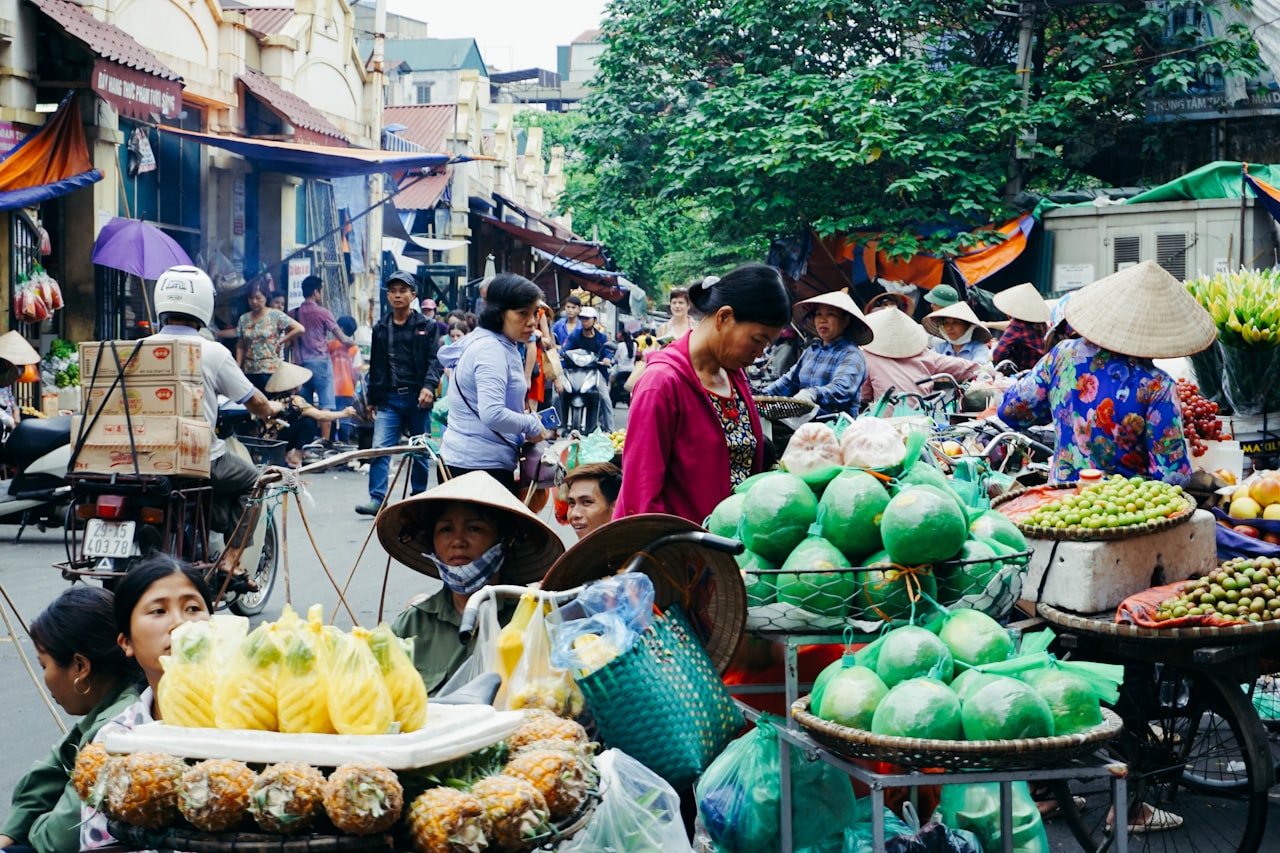
Phase one (months one to three): Market validation. Launch on Shopee Vietnam via the cross-border programme. Run Facebook and TikTok ads targeting HCMC and Hanoi. Engage three to five micro-influencers for initial content and social proof.
Phase two (months four to six): Channel development. Establish a Zalo Official Account. Build a Vietnamese content library for social media and SEO. Expand to Lazada Vietnam. Scale advertising on proven channels and test TikTok Shop.
Phase three (months seven to twelve): Scale and optimise. Increase influencer partnerships and explore live commerce. Launch a Vietnamese-language website. Consider local warehousing and expand targeting to tier-two cities like Da Nang, Can Tho, and Hai Phong.
Partner with Vietnamese marketing agencies for local expertise. Content creation, platform management, and cultural navigation benefit from on-ground knowledge. Learn from expansion into Malaysia, Indonesia, or Thailand, though every market requires its own approach.
Be patient. Vietnam rewards businesses that invest in genuine market understanding. The companies that perform best treat Vietnam as a strategic priority rather than an incremental experiment.
Frequently Asked Questions
What budget do I need to test the Vietnamese market?
Initial testing can begin with $2,000 to $5,000 SGD monthly for advertising and marketplace setup. Vietnam’s very low advertising costs mean this budget delivers substantial reach. Add $1,000 to $3,000 for Vietnamese content creation and influencer partnerships. Total initial testing budget of $3,000 to $8,000 monthly provides sufficient data to evaluate market potential.
Do I need a Vietnamese entity to market there?
You can sell through marketplace cross-border programmes and run digital advertising without a Vietnamese entity. However, operating a local website with Vietnamese payment processing, hiring local staff, and direct sales operations typically require a local entity. Vietnam’s foreign investment regulations are complex — engage local legal counsel for guidance.
How important is Vietnamese language for marketing?
Essential for consumer marketing. English proficiency is lower in Vietnam than in Singapore, Malaysia, or the Philippines. All consumer-facing content — ads, social media, customer service — must be in Vietnamese. Even in B2B contexts, Vietnamese-language content significantly outperforms English.
Should I focus on HCMC or Hanoi first?
HCMC is generally the better starting point for most businesses. It has a larger consumer market, is more commercially oriented, and tends to be more receptive to new brands. Hanoi is a strong secondary market with different consumer preferences. Test both cities in your advertising to compare performance before concentrating spend.
What is the role of Zalo in Vietnam marketing?
Zalo is Vietnam’s homegrown super app with 75 million users. It serves as a messaging platform, social network, payment system, and commerce channel. For customer service and direct communication, Zalo is as important as WhatsApp in Singapore or LINE in Thailand. Establish a Zalo Official Account as a priority.
How effective is influencer marketing in Vietnam?
Very effective. Vietnamese consumers trust influencer recommendations, particularly from micro and mid-tier creators with authentic engagement. Rates are highly competitive — among the lowest in Southeast Asia. Focus on influencers whose audience matches your target demographic rather than chasing maximum follower counts.
What are the biggest risks of entering the Vietnamese market?
Key risks include regulatory changes (Vietnam’s e-commerce and digital regulations evolve rapidly), intellectual property challenges, currency fluctuations (VND to SGD), logistics complexity outside major cities, and the time required to build brand trust. Mitigate these through local partnerships, legal counsel, and a phased market entry approach.
Is Vietnam’s e-commerce market mature enough for market entry?
Yes. Vietnam’s e-commerce market exceeds $20 billion annually and is growing at over 25 percent per year. Platform infrastructure (Shopee, Lazada, TikTok Shop), payment systems, and logistics networks are well-established. The market is mature enough for successful entry but still growing fast enough to offer significant opportunities for new entrants.