Marketing to Indonesia from Singapore: Reaching 280 Million Consumers
Table of Contents
- The Indonesia Opportunity for Singapore Businesses
- Understanding Indonesia’s Consumer Market
- Indonesia’s Digital Landscape and Platform Usage
- Localisation: Language, Culture and Consumer Expectations
- Digital Advertising Strategy for Indonesia
- E-Commerce Market Entry Strategy
- Common Challenges and Practical Solutions
- Frequently Asked Questions
The Indonesia Opportunity for Singapore Businesses
With 280 million people, Indonesia is Southeast Asia’s largest economy and one of the world’s most exciting digital markets. Marketing to Indonesia from Singapore offers access to a massive consumer base with a rapidly growing middle class, increasing internet penetration, and an exploding digital economy projected to reach $130 billion by 2025.
Singapore businesses have a natural advantage when entering Indonesia. Singapore is the largest foreign investor in Indonesia, and business ties between the two countries are extensive. Many Indonesian consumers perceive Singaporean brands as high-quality and trustworthy, providing a credibility advantage in premium and mid-market segments.
Indonesia’s digital economy growth is staggering. E-commerce, digital payments, ride-hailing, and online entertainment have transformed consumer behaviour in urban centres, and digital adoption is rapidly spreading to tier-two and tier-three cities. The combination of a young population (median age 30), rising incomes, and smartphone penetration creates a market with enormous potential.
However, Indonesia’s scale and diversity make it one of the most complex markets in Southeast Asia. Success requires genuine understanding of local consumers, careful localisation, and a patient approach to market building. Your digital marketing strategy must be specifically tailored for Indonesia rather than adapted from your Singapore playbook.
Understanding Indonesia’s Consumer Market
Indonesia is not one market but many. Understanding the diversity within the country is essential for effective targeting and messaging.

The Greater Jakarta area (Jabodetabek) is the primary market for most Singapore businesses entering Indonesia. With approximately 35 million people, it represents the wealthiest, most digitally connected, and most accessible consumer segment. Jakarta consumers are sophisticated, brand-aware, and comfortable with digital transactions.
Tier-two cities like Surabaya, Bandung, Medan, Semarang, and Makassar represent growing opportunities as digital infrastructure improves and middle-class spending power increases. These cities have distinct cultural identities and consumer preferences that differ from Jakarta. Marketing campaigns that work in Jakarta may need adaptation for other regions.
Indonesia’s Muslim majority (approximately 87 percent) shapes consumer expectations significantly. Halal certification is essential for food, beverage, and cosmetic products. Religious holidays, particularly Ramadan and Lebaran (Eid al-Fitr), are the biggest commercial events of the year — equivalent in scale to Christmas and Chinese New Year combined.
Price sensitivity is high across most segments. Indonesia’s GDP per capita is significantly lower than Singapore’s, and consumers are skilled at finding deals, comparing prices, and negotiating discounts. Promotional pricing, instalment payments, and bundle offers are expected rather than exceptional.
Social commerce is deeply embedded in Indonesian consumer culture. Purchases through social media, messaging apps, and live-streaming are mainstream consumer behaviours rather than niche activities. Understanding this social commerce mindset is critical for effective market entry.
Indonesia’s Digital Landscape and Platform Usage
Indonesia has one of the most vibrant digital ecosystems in the world, with several platforms achieving market penetration rates that exceed global averages.
WhatsApp is ubiquitous, used by virtually every internet-connected Indonesian for personal communication, business transactions, and customer service. WhatsApp Business is essential for any company marketing in Indonesia. Many purchases are negotiated and completed entirely through WhatsApp conversations.
Instagram has approximately 100 million users in Indonesia, making it one of the platform’s largest markets globally. Instagram is a primary discovery and shopping platform, with Indonesian users highly engaged with Reels, Stories, and Shopping features. Instagram Live is widely used for product demonstrations and sales events.
TikTok has achieved extraordinary penetration in Indonesia, with approximately 125 million users. TikTok Shop became one of the fastest-growing e-commerce channels before regulatory changes in late 2023 required separation from the entertainment platform. Monitor the regulatory landscape, as the relationship between TikTok and e-commerce in Indonesia continues evolving.
YouTube is the second most-used platform after WhatsApp. Indonesian consumers use YouTube extensively for entertainment, education, and product research. Long-form content, vlogs, and review videos drive significant influence on purchasing decisions.
Facebook usage remains substantial though declining among younger demographics. For brands targeting consumers over 30 or operating in tier-two and tier-three cities, Facebook remains an effective advertising and community-building platform.
E-commerce is dominated by Tokopedia (now merged with TikTok as TikTok Shop), Shopee, Lazada, and Bukalapak. Marketplace presence is essential for product-based businesses — many Indonesian consumers default to marketplace search rather than Google when looking for products. Understanding these platforms is as important as understanding your social media marketing channels.
Localisation: Language, Culture and Consumer Expectations
Localisation for Indonesia requires more than translation. It demands cultural understanding, local content creation, and adaptation of your entire customer experience.
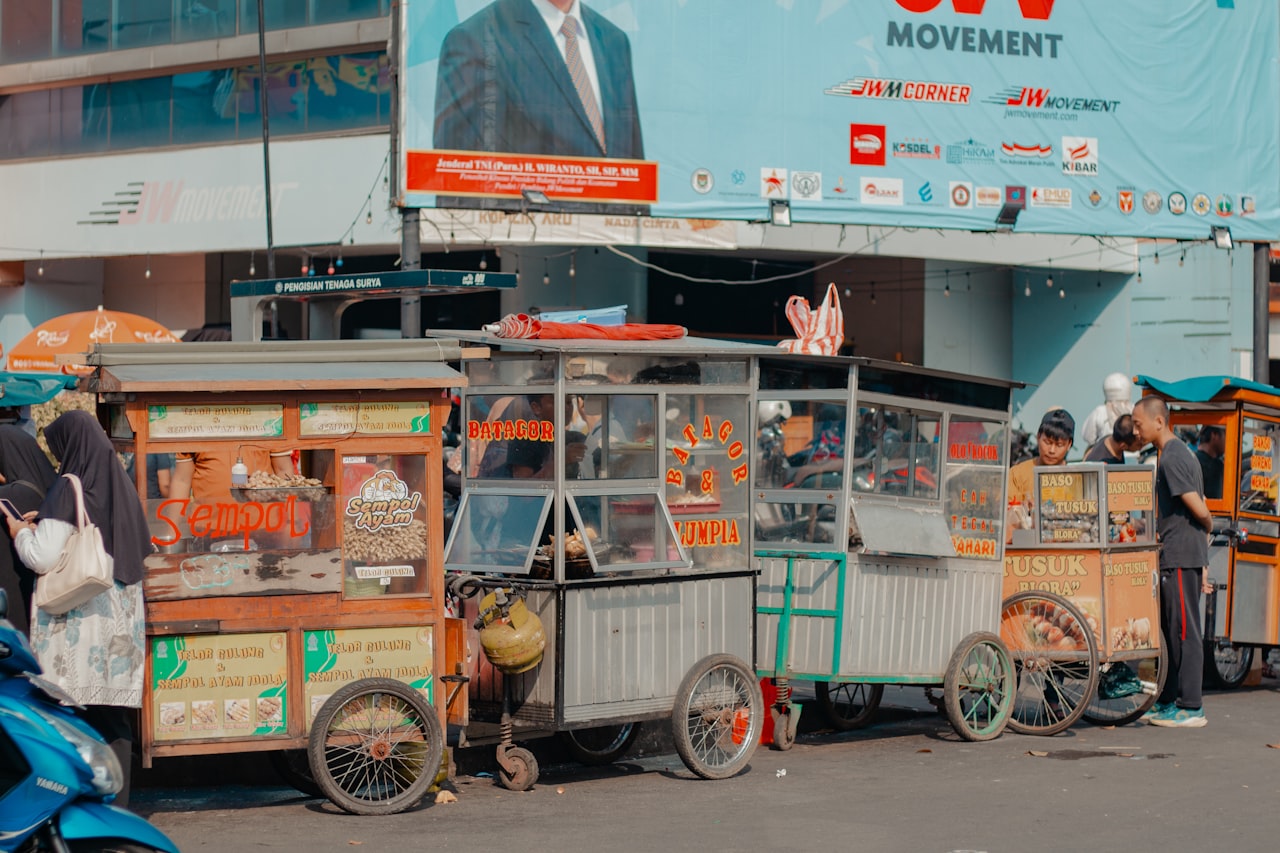
Bahasa Indonesia is essential for mass-market communication. While English is understood in business contexts, consumer-facing content must be in Bahasa Indonesia to reach the majority of the market. Note that Bahasa Indonesia differs significantly from Bahasa Malaysia in vocabulary, expressions, and cultural references. Singapore businesses often make the mistake of treating them as interchangeable — they are not.
Invest in native Indonesian content creators and translators. Machine translation and non-native speakers produce content that feels unnatural and undermines credibility. Slang, humour, and colloquial expressions are particularly important on social media, where authenticity is essential for engagement.
Visual content and imagery should reflect Indonesian diversity. Indonesia spans thousands of islands with hundreds of ethnic groups, languages, and cultural traditions. Marketing imagery should represent this diversity while being sensitive to local norms around modesty, religious expression, and cultural representation.
Customer service expectations centre on personal, responsive communication. Indonesian consumers expect to interact with real people through WhatsApp and social media. Automated responses and chatbots are tolerated but not preferred. Investing in Indonesian-speaking customer service representatives — even if based in Singapore — significantly improves conversion rates and customer satisfaction.
Pricing strategy must account for Indonesian purchasing power. Products priced in Singapore dollars or at Singapore price points will alienate the majority of Indonesian consumers. Develop Indonesia-specific pricing in Rupiah (IDR) that reflects local market conditions. Consider tiered offerings that serve different income segments. Strong brand positioning allows premium pricing within Indonesian market norms, but it must still be calibrated to local expectations.
Digital Advertising Strategy for Indonesia
Indonesia’s digital advertising market offers enormous reach at significantly lower costs than Singapore, but effective campaigns require local expertise.
Google Ads reaches Indonesian consumers through search, display, and YouTube advertising. Search behaviour in Indonesia favours Bahasa Indonesia queries even among English-educated consumers. Cost per click is typically 70 to 85 percent lower than Singapore, making Indonesia an extremely cost-efficient market for digital advertising. Work with an experienced Google Ads team that understands Indonesian keyword patterns and search behaviour.
Meta advertising (Facebook and Instagram) provides detailed targeting capabilities for the Indonesian market. Interest-based and behavioural targeting performs well, and lookalike audiences based on your Singapore customer data can identify high-potential Indonesian consumers. Video content consistently outperforms static images in Indonesian feeds.
TikTok advertising offers access to Indonesia’s most engaged digital audience. In-feed ads, branded hashtag challenges, and creator partnerships deliver strong results. The platform’s algorithm excels at content discovery, allowing new brands to achieve visibility quickly with compelling creative.
Influencer marketing is deeply embedded in Indonesian consumer culture. Key Opinion Leaders (KOLs) at every tier — from nano-influencers with 1,000 followers to mega-influencers with millions — drive genuine purchasing decisions. Indonesian influencer rates are significantly lower than Singapore, often 80 to 90 percent less for comparable audience sizes. Authenticity and engagement rate matter more than follower count.
Live commerce is a major channel in Indonesia. Brands selling through live-streaming on TikTok, Shopee Live, and Instagram Live can generate significant sales volume. Indonesian consumers enjoy the interactive, entertaining nature of live selling. Consider partnering with live-streaming hosts who specialise in your product category.
E-Commerce Market Entry Strategy
For product-based businesses, marketplace presence is typically the fastest and lowest-risk entry point into Indonesia.
Shopee Indonesia is the market leader by transaction volume. Setting up a Shopee store allows you to reach millions of Indonesian consumers without building local infrastructure. Shopee’s cross-border selling programme (Shopee International Platform) enables Singapore sellers to list products directly, with Shopee handling logistics and payment processing.
Tokopedia (now integrated with TikTok) has a strong position in Indonesia and appeals to a slightly different consumer segment than Shopee. Having presence on both platforms maximises your addressable market.
Building your own e-commerce website is important for brand building but should complement — not replace — marketplace presence. Most Indonesian consumers discover and purchase products on marketplaces first. Your own website serves as a brand hub, content platform, and direct channel for repeat customers.
Payment options must be comprehensive. Indonesia’s payment landscape includes bank transfers (the most common method), digital wallets (GoPay, OVO, Dana, ShopeePay), credit cards (limited penetration, primarily in Jakarta), and cash-on-delivery (essential for tier-two and tier-three cities). Offering limited payment options will significantly reduce your conversion rate.
Logistics require careful planning. Indonesia’s archipelago geography makes delivery challenging outside Java. Partner with established Indonesian logistics providers like JNE, J&T Express, SiCepat, or Anteraja for domestic fulfilment. For cross-border shipping, consider warehousing in Batam or Jakarta to reduce delivery times and costs.
Integrate your e-commerce approach with your content marketing strategy. Indonesian consumers conduct extensive research before purchasing. Product reviews, comparison content, tutorial videos, and user-generated content all influence purchase decisions. Building content that supports the buyer journey accelerates conversion.
Common Challenges and Practical Solutions
Indonesia presents unique challenges that Singapore businesses must anticipate and plan for.
Regulatory complexity is a significant consideration. Indonesia’s regulations on foreign investment, e-commerce, data protection, and advertising change frequently. Industry-specific regulations in sectors like fintech, health, and food require local legal expertise. Engage an Indonesian legal advisor before making significant market commitments.
Currency and pricing management require attention. The Indonesian Rupiah (IDR) fluctuates against the Singapore Dollar, affecting your margins and pricing competitiveness. Build currency buffers into your pricing strategy and review pricing regularly against exchange rate movements.
Building brand trust in a new market takes time. Indonesian consumers are cautious about unfamiliar brands, especially for high-value purchases. Start with lower-risk entry points — marketplace selling, social media presence, and influencer partnerships — that leverage existing trust infrastructure. Build your direct brand presence gradually as awareness grows.
Managing at scale requires local talent. While initial market testing can be managed from Singapore, scaling in Indonesia requires people on the ground who understand local dynamics, can manage day-to-day operations, and can respond to market developments in real time. Consider hiring Indonesian team members or partnering with a local agency.
Internet infrastructure varies significantly across the country. While Java and major cities have strong connectivity, other regions may have slower connections and different device capabilities. Optimise your digital properties for mobile devices and variable connection speeds. Lightweight content, fast-loading pages, and mobile-first design are essential for the Indonesian market.
Leverage your SEO capabilities to build long-term organic visibility in Indonesia. With lower competition for many keywords compared to Singapore, SEO in Indonesia can deliver strong results with consistent effort. Our guide on marketing to other Southeast Asian markets, including Malaysia, provides additional cross-border context.
Frequently Asked Questions
What is the minimum budget to test the Indonesian market?
Digital advertising testing can begin with $3,000 to $5,000 SGD per month for Google Ads and social media. Add $2,000 to $5,000 for content localisation, influencer partnerships, and marketplace setup. Total initial testing budget of $5,000 to $10,000 monthly provides sufficient data to evaluate market viability.
Do I need an Indonesian entity to market there?
You can run digital advertising and sell through cross-border marketplace programmes without an Indonesian entity. However, operating a local website, hiring local staff, and certain business activities require a PT PMA (foreign-owned limited liability company). Consult a cross-border business advisor for your specific situation.
How important is Bahasa Indonesia for marketing?
Essential for consumer marketing. While English works for B2B targeting multinational executives, consumer-facing campaigns must be in Bahasa Indonesia to achieve meaningful reach and engagement. Invest in native Indonesian speakers for content creation and customer service.
Which Indonesian cities should I target first?
Start with Greater Jakarta (Jabodetabek) for the largest, wealthiest, most digitally connected market. Surabaya and Bandung are strong secondary markets. Expand to other cities based on performance data and category relevance.
Is Shopee or Tokopedia better for market entry?
Shopee generally has higher transaction volume and a simpler cross-border selling setup. Tokopedia (integrated with TikTok) appeals to a slightly different consumer base. For maximum reach, establish presence on both platforms. Start with Shopee if you must choose one due to resource constraints.
How do I find reliable Indonesian influencers?
Use influencer platforms like Partipost, Sociabuzz, or Lemon8 to discover and vet Indonesian influencers. Review engagement rates (not just follower counts), audience demographics, content quality, and past brand partnerships. Start with micro-influencers (10,000 to 100,000 followers) who offer better engagement and lower risk than mega-influencers.
What are the biggest mistakes Singapore businesses make in Indonesia?
The most common mistakes are underestimating the need for localisation, pricing too high without justifying premium positioning, assuming Bahasa Indonesia and Bahasa Malaysia are interchangeable, neglecting marketplace presence in favour of direct website sales, and trying to manage the market entirely from Singapore without local expertise.