Marketing to Malaysia from Singapore: Cross-Border Strategy Guide
Table of Contents
- Why Malaysia Is the Natural First Market for Singapore Businesses
- Key Market Differences Between Singapore and Malaysia
- Malaysia’s Digital Landscape and Platform Usage
- Localisation Strategy: Language, Culture and Messaging
- Advertising Channels for the Malaysian Market
- SEO Strategy for Ranking in Malaysia
- Practical Considerations for Cross-Border Marketing
- Frequently Asked Questions
Why Malaysia Is the Natural First Market for Singapore Businesses
Marketing to Malaysia from Singapore is the most common cross-border expansion path for Singapore businesses, and for good reason. Malaysia offers geographic proximity, cultural familiarity, a shared language base, and a consumer market of 33 million people — ten times Singapore’s population.
The economic ties between Singapore and Malaysia are deep. Malaysia is one of Singapore’s largest trading partners, and many Singaporean companies already have business relationships across the Causeway. This existing foundation makes marketing expansion less daunting than entering completely unfamiliar markets.
Malaysia’s digital economy is growing rapidly. With internet penetration exceeding 95 percent and social media penetration above 80 percent, Malaysian consumers are highly reachable through digital channels. E-commerce adoption accelerated dramatically during the pandemic and continues to grow, creating opportunities for Singapore businesses selling products and services online.
However, proximity and familiarity can breed overconfidence. Many Singapore businesses assume that what works in Singapore will work in Malaysia with minimal adaptation. This assumption consistently leads to underperformance. Understanding the genuine differences between the two markets is essential for success. A well-planned digital marketing strategy that accounts for these differences is the foundation for effective cross-border expansion.
Key Market Differences Between Singapore and Malaysia
Despite the geographic proximity and shared history, Singapore and Malaysia are distinct markets with different consumer behaviours, cultural dynamics, and economic realities.
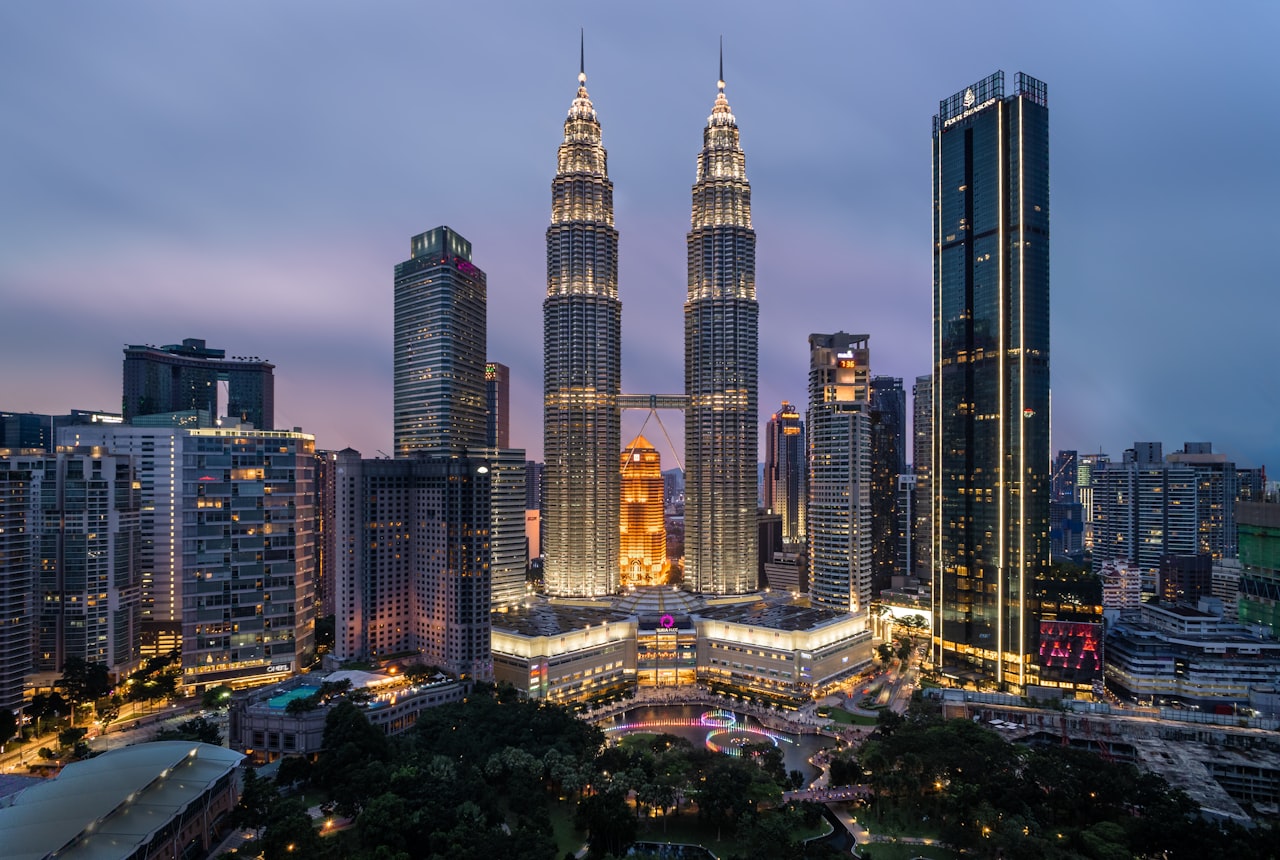
Income levels differ significantly. Malaysia’s GDP per capita is approximately one-fifth of Singapore’s. This affects pricing expectations, purchasing behaviour, and the perceived value of products and services. Premium pricing that works in Singapore may need adjustment for the Malaysian market, particularly outside Kuala Lumpur.
Malaysia is a predominantly Malay Muslim market, unlike Singapore where Chinese consumers form the majority. This has profound implications for marketing messaging, imagery, product offerings, and campaign timing. Ramadan and Hari Raya are major commercial events in Malaysia, comparable in scale to Chinese New Year in Singapore. Halal certification is essential for food and beverage products and increasingly expected for cosmetics and personal care items.
Regional diversity within Malaysia is substantial. Kuala Lumpur and the Klang Valley represent the wealthiest, most cosmopolitan market. Penang and Johor Bahru have strong middle classes with different consumer preferences. East Malaysia (Sabah and Sarawak) has distinct demographics, cultures, and media consumption patterns. A one-size-fits-all approach for Malaysia misses these nuances.
Consumer trust dynamics differ. Malaysian consumers rely heavily on peer recommendations, influencer endorsements, and social proof. They tend to be more price-sensitive and comparison-oriented than Singaporean consumers, spending more time researching before purchasing. Reviews and testimonials carry enormous weight in purchase decisions.
Malaysia’s Digital Landscape and Platform Usage
Understanding which platforms Malaysians use and how they use them is critical for effective digital marketing in the market.
Facebook remains the dominant social media platform in Malaysia with approximately 25 million users. Unlike Singapore where Facebook usage has declined among younger demographics, Facebook is still widely used across all age groups in Malaysia. It is particularly strong for community groups, marketplace transactions, and business page engagement.
Instagram is popular among urban Malaysians aged 18 to 35, with approximately 15 million users. Instagram Shopping and Reels are driving e-commerce engagement, particularly in fashion, beauty, and F&B. Influencer marketing on Instagram is well-established and often more cost-effective than in Singapore.
TikTok has experienced explosive growth in Malaysia, reaching approximately 20 million users. The platform skews younger but is rapidly expanding across demographics. TikTok Shop is gaining traction as a direct commerce channel, and TikTok content creators offer affordable partnership opportunities.
YouTube is widely used for entertainment, education, and product research. Malaysian consumers frequently watch product review videos before purchasing, making YouTube an important touchpoint in the consideration phase.
WhatsApp is the dominant messaging platform and increasingly used for business communication. WhatsApp Business and WhatsApp-based customer service are expected by Malaysian consumers. Integrate WhatsApp into your customer journey alongside your social media marketing strategy.
E-commerce is dominated by Shopee and Lazada, with TikTok Shop growing rapidly. For product businesses, having a presence on these platforms is often more important than your own website for initial market entry.
Localisation Strategy: Language, Culture and Messaging
Localisation for Malaysia goes far beyond translation. It requires understanding cultural contexts, communication preferences, and local sensibilities.
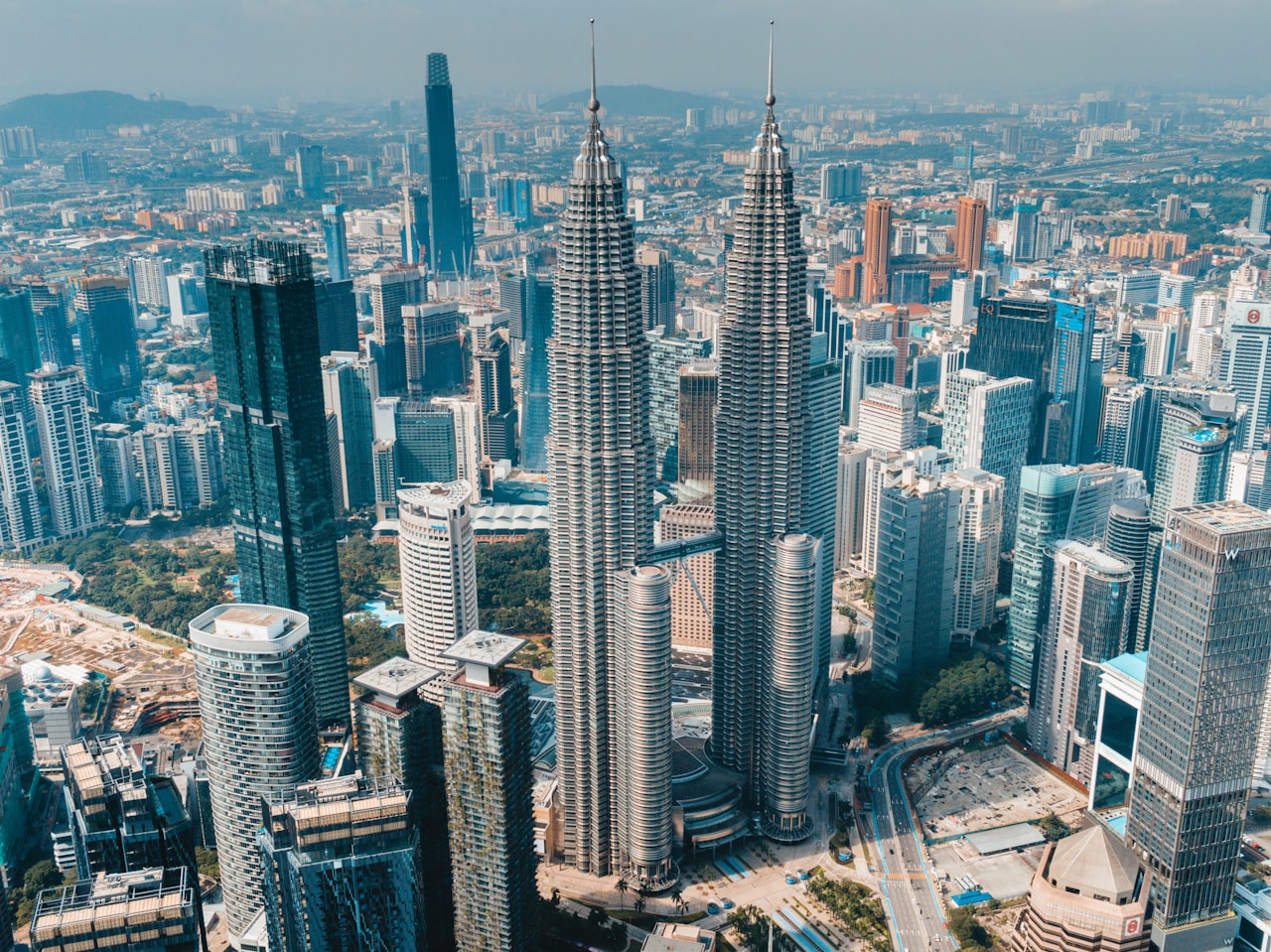
Language considerations are more complex than most Singapore businesses expect. While English is widely understood, Bahasa Malaysia (Malay) is the national language and preferred by many consumers, especially outside major cities. The most effective approach is dual-language content — English for urban professionals and Bahasa Malaysia for broader reach. Note that Bahasa Malaysia differs from Bahasa Indonesia in vocabulary, spelling, and cultural references.
Chinese-language content (primarily Mandarin) reaches Malaysia’s significant Chinese minority (approximately 23 percent of the population), who are often the highest-spending consumer segment. Tamil content reaches the Indian minority (approximately 7 percent). Multilingual capability is a competitive advantage in Malaysia.
Cultural sensitivity around religion is paramount. Avoid imagery or messaging that conflicts with Islamic values. Ensure representation reflects Malaysia’s multiracial population. Be mindful of religious holidays and adjust campaign timing accordingly. During Ramadan, adjust ad scheduling and messaging to respect fasting hours and the spiritual significance of the month.
Pricing communication must account for ringgit (MYR) purchasing power. Display prices in MYR, not SGD. Consider Malaysia-specific pricing tiers that reflect local purchasing power. Free shipping thresholds, discount expectations, and payment preferences (including instalments through services like Atome, GrabPay, and Touch ‘n Go) differ from Singapore.
Localise your content marketing with Malaysian examples, case studies, and references. Content that references Singapore-specific contexts feels foreign and disconnected to Malaysian audiences. Use local landmarks, cultural references, and business examples to build relevance.
Advertising Channels for the Malaysian Market
Digital advertising in Malaysia offers strong targeting capabilities at significantly lower costs than Singapore.
Google Ads is effective for reaching Malaysian consumers with search intent. Cost per click in Malaysia is typically 40 to 70 percent lower than Singapore, making it an efficient channel for lead generation and e-commerce. Target specific states and cities to manage budget efficiently, and use Bahasa Malaysia keywords alongside English to capture broader search volume. Work with an experienced Google Ads team to optimise for the Malaysian market.
Meta advertising (Facebook and Instagram) offers excellent targeting for the Malaysian market. Detailed demographic, interest, and behaviour targeting reaches specific consumer segments effectively. Lookalike audiences based on your Singapore customer data can identify similar profiles in Malaysia. Video content — particularly short-form video — generates the highest engagement rates.
TikTok Ads are increasingly important for reaching younger Malaysians. The platform’s advertising costs remain competitive, and its algorithm excels at content discovery. TikTok Shop integration allows direct commerce from advertising, reducing the path from awareness to purchase.
Influencer marketing in Malaysia delivers exceptional value. Micro-influencers (10,000 to 100,000 followers) charge significantly less than their Singapore counterparts while often generating higher engagement rates. Identify influencers who align with your brand values and have genuine engagement rather than inflated follower counts.
Shopee and Lazada advertising platforms are essential for e-commerce businesses. Sponsored product listings, flash deals, and platform-specific campaigns drive significant sales volume. These marketplace advertising tools have unique best practices that differ from social media and search advertising.
SEO Strategy for Ranking in Malaysia
If your target audience in Malaysia uses Google (and the vast majority do), SEO is a powerful long-term channel for organic visibility.
Decide on your domain strategy. Options include a country-specific domain (.com.my), a subdirectory (yoursite.com/my/), or a subdomain (my.yoursite.com). Each approach has SEO implications. For most Singapore businesses entering Malaysia, a subdirectory is the most practical initial approach, with hreflang tags signalling the Malaysian-targeted content to Google. Consult your SEO team to choose the right structure.
Conduct keyword research specifically for the Malaysian market. Search volumes, keyword variations, and search intent differ from Singapore. Malaysians may use different terms for the same concepts — for example, “kedai” instead of “shop” in Malay-language searches. Tools like Google Keyword Planner set to Malaysia reveal local search patterns.
Create Malaysian-specific content rather than simply republishing Singapore content. Google can detect duplicate content across geo-targeted pages. Original content addressing Malaysian consumer needs, local regulations, and market-specific concerns will outrank recycled content.
Build backlinks from Malaysian websites. Domain authority from .com.my sites, Malaysian news outlets, and local directories signals relevance to Google’s Malaysia index. Media coverage in Malaysian publications like The Star, New Straits Times, and Malay Mail provides both backlink value and audience reach.
Optimise your Google Business Profile for Malaysian locations if you have physical presence. Local SEO in Malaysia follows similar principles to Singapore but requires Malaysian addresses, phone numbers, and operating hours.
Practical Considerations for Cross-Border Marketing
Several practical factors affect the execution and success of cross-border marketing between Singapore and Malaysia.

Payment processing must accommodate Malaysian preferences. Credit card penetration is lower than Singapore. E-wallets (GrabPay, Touch ‘n Go eWallet, Boost), bank transfers, and cash-on-delivery are important payment options. Online banking (FPX) is the most common method for e-commerce payments in Malaysia.
Logistics and fulfilment for physical products require Malaysian warehousing or reliable cross-border shipping. Consumers expect free or low-cost shipping, and delivery times exceeding three to five days lose competitiveness against local sellers. Consider fulfilment from Johor Bahru for cost-efficient delivery across Peninsular Malaysia.
Regulatory compliance varies by industry. Malaysia’s advertising standards, data protection laws (PDPA Malaysia), and industry-specific regulations differ from Singapore’s. Ensure your campaigns comply with Malaysian Advertising Standards Authority guidelines and any sector-specific requirements.
Customer service must operate during Malaysian business hours and ideally in both English and Bahasa Malaysia. Malaysian consumers expect responsive service through WhatsApp and social media messaging. Setting up a dedicated Malaysian customer service capability — even if managed from Singapore — demonstrates commitment to the market.
Budget expectations should be calibrated to Malaysian economics. Marketing budgets go further in Malaysia due to lower media costs, but conversion values are also typically lower. A $10,000 monthly ad spend in Malaysia can generate significantly more reach and clicks than in Singapore, but the revenue per customer may be proportionally lower.
Consider partnering with a Malaysian marketing agency or consultant who understands local nuances. Even experienced Singapore marketers benefit from local expertise when entering a new market. Local partners provide cultural insight, media connections, and on-ground support that remote management cannot replicate.
Frequently Asked Questions
What is the minimum budget to start marketing in Malaysia?
You can begin testing the Malaysian market with a digital advertising budget of $2,000 to $5,000 SGD per month. This allows meaningful campaigns on Google Ads and social media to validate demand before scaling. Add $1,000 to $3,000 for content localisation and creative adaptation. Budget more for e-commerce businesses that need marketplace presence and fulfilment setup.
Should I create a separate website for Malaysia?
A subdirectory (yoursite.com/my/) is usually the best starting point. It leverages your existing domain authority while targeting Malaysian users. As your Malaysian business grows, a dedicated .com.my domain may make sense. Ensure Malaysian pages display MYR pricing, local contact details, and culturally relevant content.
Do I need to register a company in Malaysia to market there?
You can run digital advertising campaigns targeting Malaysia from Singapore without a Malaysian entity. However, selling physical products, operating a local office, or hiring local staff typically requires company registration. Consult a cross-border business advisor for your specific situation.
How different is the Malaysian consumer from the Singaporean consumer?
Key differences include greater price sensitivity, stronger influence of social proof and peer recommendations, higher importance of Halal certification, and different platform preferences. Malaysian consumers tend to spend more time in the research and comparison phase before purchasing. Understanding these differences is essential for effective messaging.
Which Malaysian cities should I target first?
Kuala Lumpur and the Klang Valley represent the largest, wealthiest market and should be your starting point. Penang and Johor Bahru are strong secondary markets with high digital adoption. Expand to other states based on your category and performance data.
Is influencer marketing effective in Malaysia?
Very effective. Malaysian influencers typically charge 50 to 70 percent less than Singaporean influencers for comparable audience sizes, and engagement rates are often higher. Focus on micro-influencers with authentic engagement in your niche rather than celebrity influencers with broad but shallow reach.
How do I handle currency and pricing for Malaysian customers?
Always display prices in Malaysian Ringgit (MYR). Consider Malaysia-specific pricing that reflects local purchasing power rather than direct currency conversion from SGD. Offer popular local payment methods including FPX, e-wallets, and instalment options. Free shipping thresholds should be set in MYR at levels appropriate for the market.