Influencer Marketing Agency Singapore: Find, Brief and Manage Influencers
Table of Contents
- What an Influencer Marketing Agency Does
- The Singapore Influencer Landscape
- How to Choose an Influencer Marketing Agency
- The Influencer Campaign Process
- Influencer Marketing Pricing and Budgets
- How to Measure Influencer Marketing ROI
- Common Mistakes in Influencer Marketing
- Frequently Asked Questions
What an Influencer Marketing Agency Does
An influencer marketing agency singapore brands trust acts as the bridge between businesses and content creators. These agencies handle the entire influencer campaign lifecycle — from strategy development and influencer identification to contract negotiation, content approval, campaign execution and performance reporting.
Managing influencer relationships in-house is time-consuming and fraught with challenges. Agencies bring established networks, negotiation expertise, industry benchmarks and campaign management systems that would take years for a brand to develop internally. They also provide a buffer during difficult conversations about content revisions, payment terms or underperformance.
Full-service influencer marketing agencies typically offer campaign strategy and planning, influencer research and vetting, outreach and negotiation, contract management, content brief development, content review and approval, campaign coordination, performance tracking and post-campaign reporting. Many also integrate influencer campaigns with broader social media marketing and digital marketing strategies for maximum impact.
The Singapore Influencer Landscape
Singapore’s influencer ecosystem is mature, sophisticated and highly competitive. Understanding the landscape helps you set realistic expectations and identify the right creators for your brand.
 Influencer Marketing Agency in Singapore” loading=”lazy” class=”wp-image-16161″>
Mega influencers (500K+ followers): A small group of Singaporean creators have built massive followings, often across multiple platforms. They command premium rates ($5,000-$30,000+ per post) and offer broad reach but may have lower engagement rates and less targeted audiences.
Macro influencers (100K-500K followers): Established content creators with significant reach and professional content production. They typically charge $2,000-$8,000 per Instagram post or TikTok video and offer a good balance of reach and audience relevance.
Micro influencers (10K-100K followers): Often the best value for Singapore campaigns. They tend to have higher engagement rates, more niche audiences and greater authenticity. Rates range from $300-$2,000 per post. Many brands are shifting budget toward multiple micro influencer partnerships rather than single celebrity deals.
Nano influencers (1K-10K followers): Everyday consumers with small but highly engaged followings. They charge $50-$300 per post or accept product exchanges. Nano influencers work well for hyper-local campaigns and authentic word-of-mouth at scale.
Singapore’s multilingual environment adds complexity. Content creators produce content in English, Mandarin, Malay and Tamil, and audience demographics vary significantly by language. A skilled agency navigates these nuances to match your brand with creators whose audience aligns with your target customers.
How to Choose an Influencer Marketing Agency
Not all influencer agencies are created equal. Here are the criteria that separate effective partners from middlemen.
Network quality over network size. Some agencies boast databases of thousands of influencers but lack deep relationships with any of them. Look for agencies that maintain genuine relationships with their influencer roster and can speak confidently about each creator’s audience quality, content style and reliability.
Vetting processes. Ask how the agency screens influencers. Do they check for fake followers and engagement? Do they analyse audience demographics beyond surface numbers? Do they review content quality and brand safety? Thorough vetting prevents expensive partnerships with influencers whose numbers do not translate to real influence.
Campaign management capability. Managing multiple influencers across a campaign requires robust project management. Ask about their communication processes, content approval workflows, timeline management and contingency planning for issues like late content or underperforming posts.
Reporting and analytics. Demand to see sample reports before engaging an agency. Good reports go beyond vanity metrics (reach and impressions) to include engagement quality, audience sentiment, click-through rates, conversion data and cost-per-engagement benchmarks.
Industry experience. An agency with experience in your industry will have relevant influencer relationships, understand compliance requirements (especially important in regulated industries like finance and healthcare) and know what content formats and messaging resonate with your target audience.
The Influencer Campaign Process
A well-structured campaign process is what separates professional agency work from ad-hoc influencer outreach.
Strategy and Planning: Define campaign objectives (awareness, consideration, conversion), target audience, key messages, content formats, platforms, timeline and budget. The strategy should specify how the influencer campaign integrates with other marketing channels including content marketing and paid advertising.
Influencer Identification: Using databases, social listening tools and personal networks, the agency creates a longlist of potential influencers. This is filtered based on audience relevance, engagement rates, content quality, brand alignment and budget fit to produce a shortlist for client approval.
Outreach and Negotiation: The agency approaches selected influencers with the campaign proposition. Professional agencies present opportunities attractively to secure better rates and higher-quality content. Negotiation covers fees, deliverables, usage rights, exclusivity periods and payment terms.
Briefing: Each influencer receives a detailed content brief specifying key messages, required hashtags, disclosure requirements (AIMSG guidelines), dos and don’ts, posting schedule and technical specifications. Good briefs provide clear direction while leaving room for the influencer’s authentic voice.
Content Review: Drafts are reviewed for accuracy, brand alignment and compliance before publishing. Most campaigns include one or two revision rounds. Efficient review processes are critical — delays frustrate influencers and can compromise posting schedules.
Campaign Execution: Content goes live according to the agreed schedule. The agency monitors posts, engages with comments where appropriate and troubleshoots any issues in real time.
Reporting: Post-campaign reports analyse performance against objectives, provide influencer-by-influencer breakdowns and offer recommendations for future campaigns.
Influencer Marketing Pricing and Budgets
Understanding pricing models helps you allocate budgets effectively and evaluate agency proposals.
Agency management fees typically add 15-30 percent on top of influencer costs. This covers strategy, influencer research, outreach, negotiation, content management, coordination and reporting. Some agencies charge flat project fees instead, ranging from $3,000-$15,000 depending on campaign complexity.
Influencer fees vary by platform, follower count, content type and industry. In Singapore, typical rates per deliverable include: Instagram feed post $300-$5,000, Instagram Story series $200-$2,000, TikTok video $300-$8,000, YouTube video $1,000-$15,000 and blog post $500-$3,000.
Total campaign budgets for Singapore campaigns generally fall into these tiers: small campaigns (3-5 micro influencers) at $5,000-$15,000, mid-range campaigns (5-15 mixed influencers) at $15,000-$50,000 and large campaigns (15+ influencers including macro/mega) at $50,000-$200,000+.
Performance-based models are gaining traction. Some influencers accept lower base fees plus commissions on sales driven through tracked links or promo codes. This aligns incentives but requires robust tracking infrastructure and clear attribution methodology.
At MarketingAgency.sg, we help businesses design influencer campaigns that maximise impact within their budget, whether that means a focused micro-influencer strategy or a multi-tier approach combining reach and engagement.
How to Measure Influencer Marketing ROI
Measuring influencer marketing effectiveness requires looking beyond vanity metrics to understand genuine business impact.
Awareness metrics: Reach, impressions, video views, follower growth and share of voice. These indicate how many people were exposed to your message. While important, they do not tell you whether exposure translated to interest or action.
Engagement metrics: Likes, comments, shares, saves and click-through rates. Engagement quality matters more than quantity — 50 genuine comments from potential customers are more valuable than 500 generic emoji responses. Analyse comment sentiment to understand how the audience received your message.
Conversion metrics: Website traffic (tracked via UTM parameters), lead form submissions, promo code redemptions, app downloads and direct sales. These metrics connect influencer activity to business outcomes and are essential for calculating ROI.
Brand metrics: Brand awareness surveys, search volume increases for branded terms, social media mention sentiment and earned media value. These longer-term metrics capture the brand-building impact that immediate conversion metrics miss.
Cost efficiency metrics: Cost per engagement (CPE), cost per click (CPC), cost per acquisition (CPA) and return on ad spend (ROAS). Compare these against benchmarks from other channels to evaluate influencer marketing’s relative efficiency within your marketing mix.
Common Mistakes in Influencer Marketing
Learning from common pitfalls can save significant budget and protect your brand reputation.
Choosing influencers based on follower count alone. Follower numbers are the least reliable indicator of influence. Fake followers, inactive accounts and misaligned audiences mean a creator with 500,000 followers may deliver less value than one with 20,000 highly engaged, relevant followers.
Over-scripting content. Audiences follow influencers for their authentic voice. Content that reads like an advertisement underperforms content that feels like a genuine recommendation. Provide clear guidelines but trust the influencer to communicate in their natural style.
Ignoring disclosure requirements. Singapore’s Advertising Standards Authority (ASA) and the Advertising Standards Authority of Singapore require clear disclosure of paid partnerships. Non-compliance risks legal consequences and audience trust. Use clear labels like #ad, #sponsored or #paid.
Running one-off campaigns. Single posts rarely create lasting impact. The most effective influencer strategies involve ongoing relationships where influencers become genuine brand advocates. Audiences respond better to repeated, authentic endorsements than one-time promotional posts.
Neglecting content repurposing. Influencer-created content is a valuable asset beyond the original post. Negotiate usage rights to repurpose high-performing content across your own social media channels, website, email marketing and paid advertising. This multiplies the value of your influencer investment.
A creative agency can help you integrate influencer content into broader campaign narratives, ensuring consistency and maximising the impact of every piece of creator content.
Frequently Asked Questions
How much does influencer marketing cost in Singapore?
Total campaign costs depend on influencer tier and scale. Small campaigns with 3-5 micro influencers start from $5,000-$15,000. Mid-range campaigns cost $15,000-$50,000 and large multi-tier campaigns can exceed $100,000. Agency management fees add 15-30 percent to influencer costs.
How do I find the right influencers for my brand?
Start with audience alignment, not follower count. Identify creators whose followers match your target customer demographics. Evaluate content quality, engagement rates (aim for 3-6 percent on Instagram), brand values alignment and past sponsored content performance. Agencies use specialised tools to analyse these factors at scale.
What platforms work best for influencer marketing in Singapore?
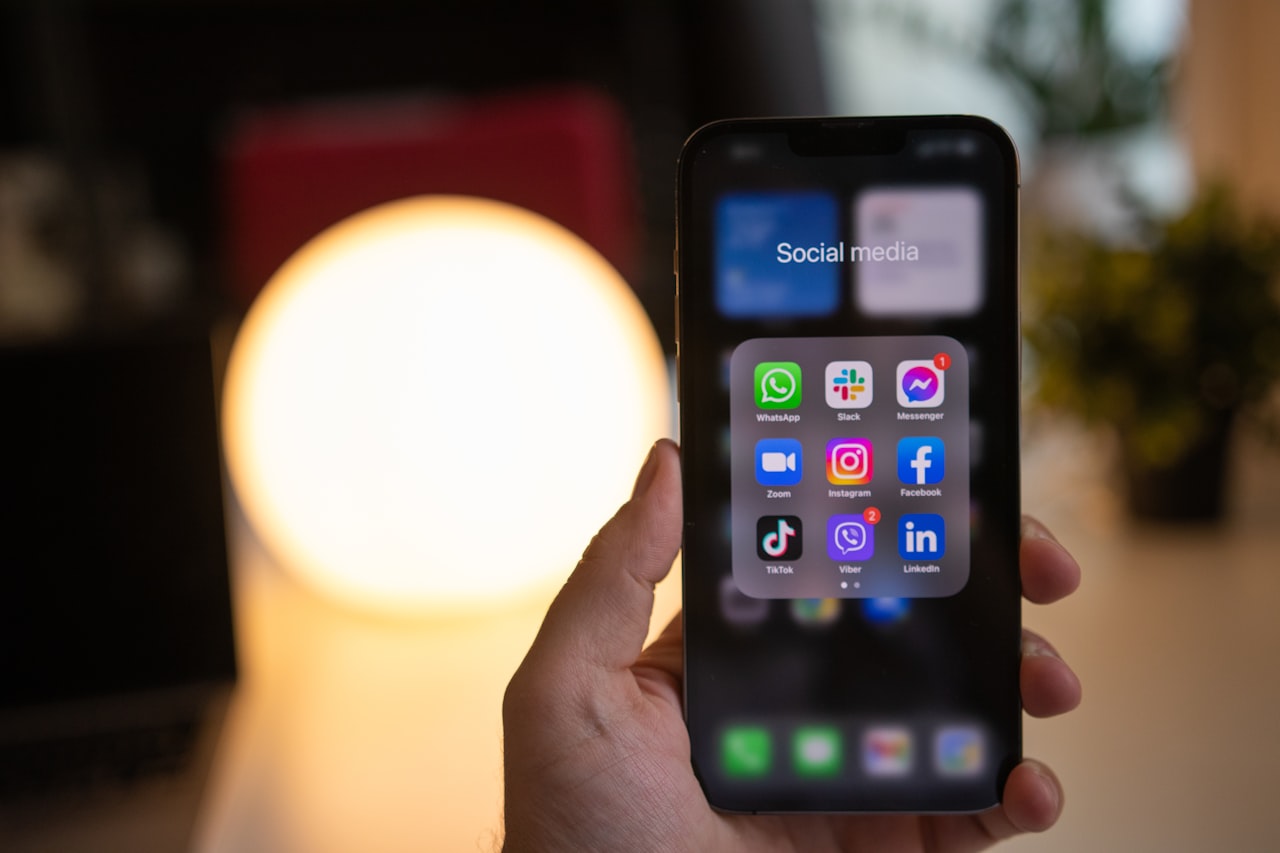
Instagram and TikTok are the dominant platforms. Instagram suits lifestyle, fashion, beauty and food brands. TikTok reaches younger audiences and excels at viral, entertainment-driven content. YouTube is effective for detailed product reviews and tutorials. LinkedIn influencer marketing is emerging for B2B brands.
How long should an influencer campaign run?
Individual activations typically run 2-4 weeks from content briefing to final post. However, the most effective strategies involve 3-6 month partnerships with ongoing content. This allows influencers to become genuine advocates and gives audiences repeated exposure to your brand.
Can I manage influencer marketing without an agency?
Yes, but it is time-intensive. Managing 3-5 influencers is feasible in-house. Beyond that, the coordination, negotiation and quality control become a significant operational burden. Agencies also bring market rate knowledge, legal expertise and established relationships that save money and reduce risk.
What should be included in an influencer contract?
Deliverables and specifications, posting schedule, payment terms and amounts, content approval process, revision allowance, usage rights and duration, exclusivity terms, FTC/ASA disclosure requirements, cancellation terms and confidentiality clauses. Always use written contracts — verbal agreements create disputes.
How do I spot influencers with fake followers?
Warning signs include sudden follower spikes, very low engagement relative to followers (below 1 percent), generic or bot-like comments, followers concentrated in countries unrelated to their content and inconsistent engagement across posts. Use verification tools like HypeAuditor or Social Blade for data-driven analysis.
Is micro-influencer marketing worth it for small businesses?
Micro-influencer marketing is often the best strategy for small businesses. Lower costs ($300-$1,500 per post), higher engagement rates, more authentic connections and niche audience access deliver strong value. Many small businesses find three micro-influencer partnerships more effective than one macro-influencer post.