Part of our Social & Influencer Marketing guide →
Table of Contents
- The Singapore Fashion Creator Landscape in 2026
- Creator Tiers and Rates in SGD
- Partnership Structures: Gifting, Paid, Affiliate, Whitelisting
- Finding and Vetting the Right Creators
- Briefing, Contracts and Content Rights
- Amplifying Creator Content with Paid Boost
- Measuring ROI on Fashion Influencer Marketing
- Common Mistakes and How to Avoid Them
- Frequently Asked Questions
The Singapore Fashion Creator Landscape in 2026
Fashion influencer marketing in Singapore in 2026 looks almost nothing like the lifestyle-blogger era of 2016-2019. The creator economy has professionalised, talent agencies such as Titan Digital Media, Tribe, Gushcloud and Kobe have matured, and brands now face a tiered ecosystem from 5,000-follower TikTok micro-creators through to 500,000-follower cross-platform personalities. Fashion spend on creators in Singapore has more than doubled since 2021 and now routinely accounts for 15-35% of total marketing budgets for DTC fashion brands.
Platform dynamics have shifted too. Instagram remains the dominant channel for fashion editorial content and polished sponsored posts, but TikTok has overtaken it for product discovery and conversion-led placements. Little Red Book (Xiaohongshu) is increasingly relevant for brands targeting Mandarin-speaking Singapore consumers and the tourist market. YouTube plays a smaller but high-trust role for longer-form styling, fit and review content.
The critical shift for 2026 is that influencer marketing is now judged by the same commercial standards as paid media. Brands that treat creator work as a PR or awareness line item without attribution, benchmarks or repeat playbooks consistently underspend relative to competitors who treat creators as a performance channel with amplification built in.
Creator Tiers and Rates in SGD
Singapore fashion creator rates in 2026 cluster into clear tiers. Nano-creators (1,000-5,000 followers) with tight local fashion niches typically work on a gifted basis, accepting product worth SGD 80-200 in exchange for one piece of content. A small number charge a nominal SGD 100-300 creation fee for additional deliverables or cross-posting.
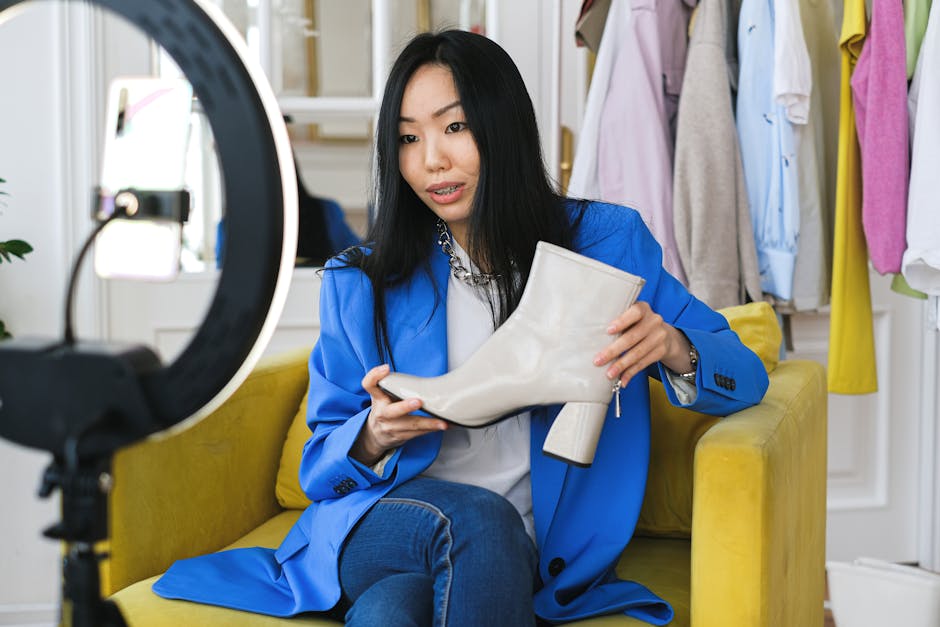
Micro-creators (5,000-40,000 followers) remain the workhorses of fashion seeding. Expect gifting plus SGD 250-1,200 per deliverable depending on platform, engagement rate, production quality and usage rights. A Reel plus three Stories plus a TikTok repurpose from a quality micro-creator typically totals SGD 800-2,800 for the full package.
Mid-tier creators (40,000-150,000 followers) charge SGD 1,500-6,500 per integrated piece in fashion. Top-tier and flagship personalities (150,000+) run SGD 7,000-25,000 per campaign, with major cross-platform packages for Singapore Fashion Week or capsule launches reaching SGD 30,000-80,000. Exclusivity clauses, pre-approvals and usage rights significantly affect these numbers and should be negotiated explicitly.
Partnership Structures: Gifting, Paid, Affiliate, Whitelisting
Gifting remains the broadest and most efficient on-ramp. A Singapore fashion brand should run an always-on seeding programme sending product to 20-50 relevant creators per quarter. Expect roughly 30-50% to post organically, with content quality ranging widely. Gifting is particularly valuable for launching new collections, new cities in ASEAN and for testing which creators convert before committing to paid deals.
Paid partnerships work for creators whose content, audience and commercial fit have been validated. Use a clear scope covering platform, format, deliverables, posting window, approval process and content rights. Mixing gifting with paid on the same brief is common — the product is gifted and the creation fee is paid separately.
Affiliate partnerships link creator compensation to performance via trackable codes or links. Typical Singapore fashion commission rates are 8-15% on first-time customer orders, rising to 18-25% for exclusive creator capsules. Whitelisting (formally Partnership Ads) is where the brand runs paid media from the creator’s handle, using their content and audience credibility. Whitelisting often delivers 1.5-3x the ROAS of in-house-branded ads and should be written into every meaningful creator contract from the start.
Finding and Vetting the Right Creators
Audience fit matters more than raw follower count. A 12,000-follower Singapore creator whose audience is 78% Singapore-based, 60% women aged 24-38, with strong engagement on fashion content, will outperform a 180,000-follower creator whose audience is only 18% Singapore-based. Always ask for audience insights screenshots covering geography, gender, age and engagement rate before confirming a deal.
Vet for content fit, brand safety and past partnerships. Scroll at least three months of the creator’s feed to check whether they post consistently, which brands they work with, and whether their aesthetic aligns with yours. Avoid creators who post more than 25-30% sponsored content — high paid density reduces audience trust and therefore conversion.
Engagement quality matters too. Look at the comments, not just the likes: substantive comments, product questions, and tags to friends indicate a community, while a pattern of generic emoji comments suggests inauthentic engagement. Tools like Modash, Upfluence and HypeAuditor give reliable audience-quality audits; Singapore talent agencies can also provide these for their managed roster. This discovery process mirrors how our influencer marketing team sources and vets creators for fashion clients.
Briefing, Contracts and Content Rights
A strong creator brief gives direction without suffocating creativity. Include the campaign objective, key product details, must-include talking points, hashtags and handles, do-not-say guardrails, deliverables, posting window, approval process and compensation terms. Keep the brief to two pages maximum — longer briefs correlate with worse content because creators default to safe templates.

Contracts should cover: exclusivity (category and duration), content usage rights (organic and paid, platforms, territory, duration), pre-posting approval right (yes or no; 24-48 hour turn), deliverable list, posting window, FTC-equivalent disclosure requirements, and payment terms. Standard usage rights for Singapore fashion now sit at 90 days organic and paid across Meta, TikTok and the brand’s owned channels, with extension clauses at agreed rates.
Negotiate whitelisting or Partnership Ads rights upfront. Adding it after a campaign has already performed typically costs 40-80% more than building it into the original deal. Include a clause allowing you to repurpose clips for email, PDPs and website content — the creator content library is a long-term asset, not a single-post deliverable.
Amplifying Creator Content with Paid Boost
The single biggest ROI multiplier in fashion influencer marketing in 2026 is paid amplification through Meta Partnership Ads and TikTok Spark Ads. Organic reach alone caps most creator content at 5-20% of their follower count; amplification extends that reach 10-50x at a controllable cost per impression.
Structure paid boost around tight learning objectives. Test cold-audience prospecting with the creator’s own voice, remarketing to your website visitors with creator content, and lookalike audiences built from your high-LTV customer segment. Run each creator’s top piece against an in-house control ad to measure the lift in conversion rate and cost per purchase attributable specifically to creator credibility.
Budget at least as much for amplification as you spend on the creator fee. A SGD 3,000 creator integration should carry a minimum SGD 3,000 amplification budget; Singapore fashion brands that consistently hit 3.5x+ ROAS on creator content typically spend 1.5-3x the creator fee on paid boost. For a wider tactical view, read our related article on social commerce and how creator content feeds into shopping-surface conversion.
Measuring ROI on Fashion Influencer Marketing
Measuring creator ROI is imperfect but tractable. For each campaign, track: unique trackable URL or discount code conversions, lift in branded search volume during and after posting, follower and engagement growth, and the performance of the content when boosted as paid media. Combine this with post-purchase surveys asking customers where they first heard about the brand.
A realistic target is SGD 2.50-4.50 in attributed revenue per SGD 1.00 spent on creator fees plus amplification, blended across all tiers. Micro-creator campaigns often deliver higher multiples on smaller absolute dollars; flagship partnerships deliver lower direct multiples but stronger brand lift that compounds across later channels.
Look beyond last-click. A well-executed creator campaign will lift branded search by 20-60% during the campaign window and build remarketing pools that convert for 30-90 days after. Build these indirect effects into your evaluation model; otherwise you will systematically under-credit the channel and reallocate budget to channels that merely harvest the demand creators create. This broader measurement approach is what our fashion marketing retainers are built around.
Common Mistakes and How to Avoid Them
The most common mistake is over-investing in a single flagship creator instead of running a balanced portfolio. A single SGD 20,000 top-tier deal almost always delivers less commercial lift than ten SGD 2,000 mid-tier partnerships plus amplification. Diversification across creators, platforms and formats builds a more resilient signal.

The second common mistake is forgetting content rights. Buying a brilliant creator post for a single 24-hour Story with no usage rights means losing a compounding asset. Always negotiate at minimum 90-day paid-usage rights on content likely to perform.
The third is failing to brief Singapore context. Out-of-town creators borrowed from Malaysia or the Philippines sometimes film in locations or sizes that feel generic; strong briefs request specific local backdrops, Singlish-adjacent language where authentic, and sizing relevant to Singapore customers. The fourth is treating one-off deals as the default — creator ROI improves materially once the partnership moves to a quarterly or always-on cadence with the same small cohort. Our social media marketing team structures these as ongoing programmes rather than one-time spikes.
Frequently Asked Questions
How much should a Singapore fashion brand budget for influencer marketing?
Emerging DTC brands should allocate SGD 2,000-5,000 monthly. Growth-stage brands typically run SGD 10,000-40,000 monthly across creator fees, product gifting and amplification. Mature fashion labels commit SGD 50,000-150,000 monthly. A healthy ratio is 15-35% of total marketing spend.
Do gifted creator posts actually work for Singapore fashion brands?
Yes, when the seeding programme is structured. Expect 30-50% of gifted creators to post, with content quality varying widely. The value is in volume and discovery, not predictability. Gifting is particularly strong for new launches, regional expansion and building a pipeline of creators to convert into paid partners.
What is the typical engagement rate for Singapore fashion creators?
Nano-creators (1,000-5,000 followers) typically see 5-10% engagement, micro-creators 3-6%, mid-tier 1.5-3.5%, and flagship personalities 0.8-2%. Lower percentages at higher follower counts are normal; absolute engagement volume is often what matters for commercial outcomes.
Should I work directly with creators or through a Singapore talent agency?
Direct is faster and cheaper for nano and micro tiers. Agencies are more efficient for mid-tier and flagship deals where exclusivity, complex usage rights and multi-creator campaigns are involved. Most brands blend the two, handling seeding in-house and mid-tier-and-up through agencies or specialist marketing partners.
How long should a Singapore fashion creator partnership run?
One-off deals work for product launches and specific events. Quarterly retainers (3-4 deliverables per quarter) deliver better ROI once a creator is validated. Annual ambassador deals with 1-2 signature creators create defensible brand association but should only be used once commercial fit is proven.
What is whitelisting and do I need it for my Singapore fashion brand?
Whitelisting, now officially Partnership Ads on Meta and Spark Ads on TikTok, lets you run paid ads from the creator’s handle. It combines creator credibility with brand targeting and typically delivers 1.5-3x the ROAS of in-house-branded ads. Yes, most Singapore fashion brands should be using it as a default.
How do I track ROI from fashion creator campaigns?
Use a combination of unique codes, trackable URLs, branded search lift, post-purchase surveys, and paid amplification performance at the creator-content level. No single metric captures the full picture, so build a composite dashboard reviewed monthly.
Which platform delivers better ROI for Singapore fashion: Instagram or TikTok creators?
Instagram typically delivers better ROI for higher-AOV fashion (SGD 120+) due to aesthetic credibility and longer consideration windows. TikTok delivers better ROI for lower-priced, trend-led or impulse-purchase fashion, especially where TikTok Shop is integrated. Most brands run both, with platform mix weighted to price point.
Can I reuse creator content on my website and ads?
Only if the contract grants usage rights, which must be negotiated upfront. Default organic posts are licensed for the creator’s own feed; extending to paid media, your website, email and PDPs requires explicit terms. Always build paid amplification rights (90 days minimum) into every meaningful creator agreement.
How do I avoid fake followers when hiring a Singapore fashion creator?
Request audience insights screenshots showing geography, age and gender breakdowns. Cross-check with audit tools like Modash or HypeAuditor. Look at comment quality, posting consistency and the pattern of past partnerships. Any creator whose numbers look too clean, too round or grew too quickly without clear cause is worth investigating before committing budget.