Table of Contents
Overview of Digital Marketing Channels
Understanding the full landscape of digital marketing channels is essential for building a strategy that reaches your target audience at every stage of their buying journey. Each channel has distinct strengths, costs, timelines and audiences. The businesses that grow consistently are those that understand which channels to use, when to use them and how much to invest in each.
Digital marketing channels can be grouped into three categories: owned channels (your website, blog, email list), earned channels (organic search, social media engagement, PR coverage, reviews) and paid channels (search ads, social media ads, display ads, sponsorships). A healthy marketing strategy includes a mix of all three, with the balance shifting based on your business maturity, goals and budget.
For Singapore businesses, the channel mix is influenced by several local factors: a highly connected population with near-universal smartphone adoption, strong preference for Google as the primary search engine, heavy social media usage across multiple platforms and a business environment where trust and credibility carry significant weight in purchase decisions.
Search Engine Marketing: SEO and PPC
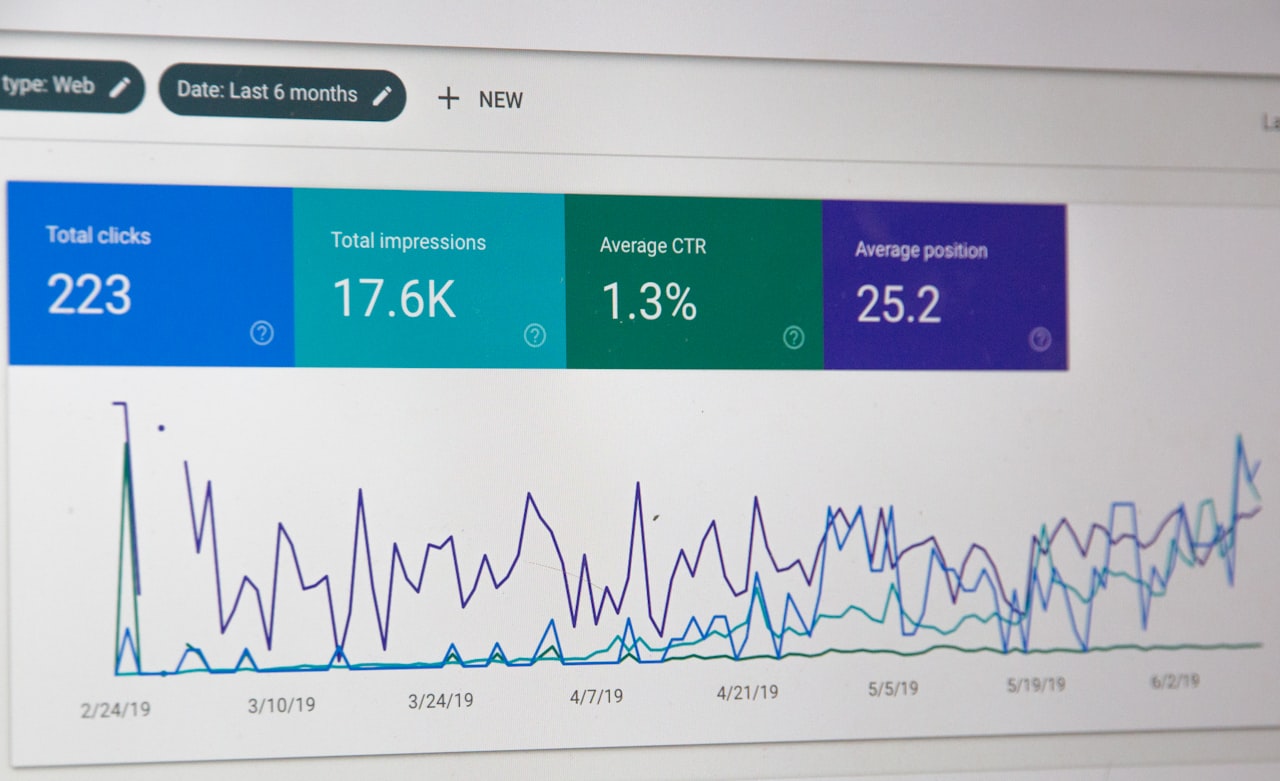
Search engine optimisation (SEO) is the practice of improving your website’s visibility in Google’s organic search results. When someone searches for a service or product you offer, SEO determines whether your website appears on page one or is buried on page five. SEO is a long-term investment — it typically takes three to six months to see meaningful results, but the traffic it generates is essentially free once established.
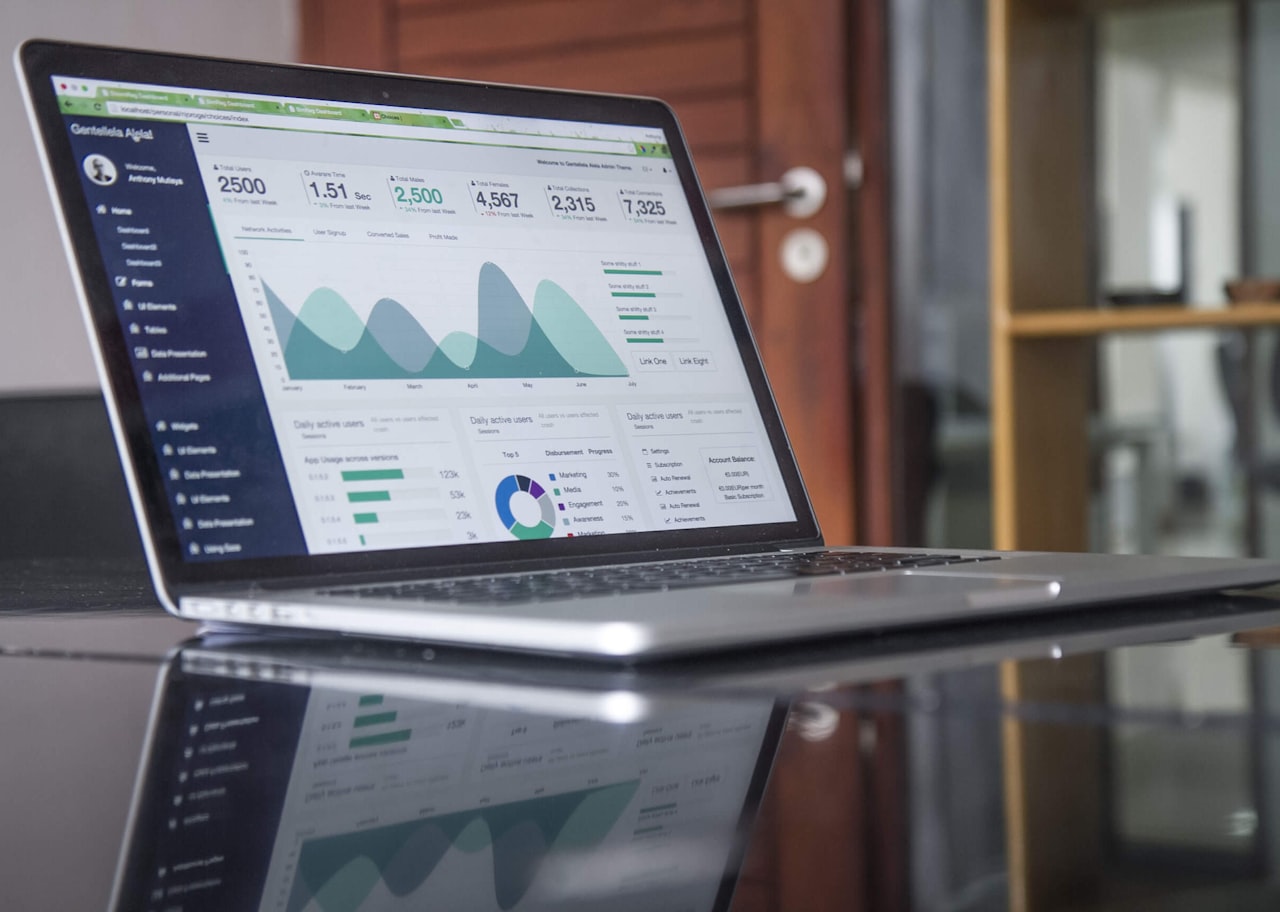
SEO works best for businesses that serve ongoing demand — people regularly search for your type of product or service. It is particularly effective for local businesses, service providers, e-commerce stores and any business where customers research online before purchasing. In Singapore, SEO captures high-intent traffic at a fraction of the cost of paid advertising over the long term.
Pay-per-click advertising (PPC) through Google Ads places your website at the top of search results immediately. You pay only when someone clicks your ad. PPC is ideal for generating immediate results, testing new markets, promoting time-sensitive offers and competing for keywords where your organic ranking is not yet strong. Most Singapore businesses spend S$1,000-10,000 per month on Google Ads.
The strongest search marketing strategies combine SEO and PPC. Use PPC for immediate visibility on your most commercially important keywords while building organic rankings for long-term sustainability. As your organic rankings improve, you can shift PPC budget to new keywords or reduce spend on terms where your organic position is strong.
Social Media Marketing
Social media marketing encompasses both organic posting and paid advertising on platforms like Facebook, Instagram, LinkedIn, TikTok and YouTube. Each platform serves a different audience and purpose. Understanding these differences is crucial for allocating your time and budget effectively.
Facebook remains Singapore’s most widely used social platform, with strong penetration across all age groups. It is effective for both B2C and B2B awareness, community building and paid advertising. Instagram is ideal for visually driven brands — F&B, fashion, beauty, travel and lifestyle. Its younger-skewing audience and visual format favour brands with strong imagery.
LinkedIn is the primary platform for B2B marketing in Singapore. Organic thought leadership content generates high engagement, and LinkedIn’s advertising platform offers unmatched targeting by job title, company size, industry and seniority. For B2B service businesses, LinkedIn marketing is often the highest-value social channel. TikTok is growing rapidly in Singapore and is increasingly effective for brands targeting consumers under 40, with its short-form video format favouring authentic, entertaining content.
Organic social media builds brand awareness and community but has limited reach due to algorithm changes. Most platforms show your organic posts to only 5-10 per cent of your followers. Paid social media advertising extends your reach to precisely targeted audiences beyond your follower base. Most businesses need a combination of consistent organic content supplemented by paid campaigns for specific objectives.
Email Marketing
Email marketing consistently delivers the highest return on investment of any digital marketing channel. Industry benchmarks show an average ROI of S$36 for every S$1 spent on email marketing. The reason is simple: your email list consists of people who have already expressed interest in your business, making them far more likely to buy than a cold audience.
Email marketing works across the entire customer journey. Welcome sequences introduce new subscribers to your brand. Nurture sequences educate leads and build trust over time. Promotional emails drive sales and conversions. Retention emails keep existing customers engaged and reduce churn. Post-purchase emails encourage reviews, referrals and repeat business.
Building an email list takes time, but it is one of the most valuable marketing assets you can own. Unlike social media followers, your email list belongs to you — no algorithm change can take it away. Grow your list through website opt-ins, lead magnets (free guides, checklists, templates), event registrations and customer onboarding processes.
Segment your email list based on subscriber interests, behaviour and purchase history. Sending the same email to your entire list produces mediocre results. Segmented campaigns consistently achieve 20-30 per cent higher open rates and 50-100 per cent higher click rates than unsegmented broadcasts. Even simple segmentation — by industry, by interest area, by engagement level — significantly improves performance.
Content Marketing
Content marketing is the strategic creation and distribution of valuable content to attract, engage and retain your target audience. Blog posts, guides, videos, podcasts, infographics, case studies and whitepapers are all content marketing formats. The channel works by demonstrating your expertise and providing value before asking for anything in return.
Content marketing supports every other channel. Blog content improves your SEO rankings. Social media content builds your following. Email content nurtures leads. Case studies support sales conversations. The content you create becomes a library of assets that work across your entire marketing ecosystem.
For Singapore businesses, content marketing is particularly effective for building trust with a discerning, research-oriented audience. Singapore buyers do their homework before making purchase decisions, and they favour businesses that demonstrate genuine expertise through helpful, substantive content. Thin, promotional content is ignored; deep, practical content is bookmarked, shared and referenced.
The challenge with content marketing is consistency and patience. Results compound over time — a blog post published today may generate most of its traffic six to twelve months from now. Businesses that commit to regular, quality content publishing for twelve months or more see significant returns. Those who publish sporadically for a few months and then stop see little benefit.
Display Advertising and Video Marketing
Display advertising places visual ads (banners, images, interactive media) on websites across the internet through networks like the Google Display Network. Display ads are primarily an awareness channel — they reach people who are not actively searching for your product but match your target audience profile. Display advertising is useful for brand awareness, retargeting (showing ads to people who have visited your website) and reaching audiences in specific content environments.
Retargeting through display ads is one of the highest-return advertising tactics. When someone visits your website but does not enquire or purchase, retargeting ads follow them across the internet, keeping your brand top of mind. Retargeting typically converts at three to five times the rate of standard display advertising because the audience already knows your brand.
Video marketing is growing rapidly in Singapore. YouTube is the second largest search engine after Google, and video content is prioritised by algorithms on Facebook, Instagram, LinkedIn and TikTok. Video works across the funnel: educational videos for awareness, product demos for consideration and testimonial videos for decision. The format’s ability to convey personality, demonstrate products and tell stories makes it one of the most engaging digital marketing channels available.
Short-form video (under 60 seconds) is dominating social media engagement, while long-form video (5-15 minutes) performs well on YouTube for educational content. Singapore audiences consume both formats heavily. If you are not incorporating video into your marketing mix, you are missing the format that consistently generates the highest engagement rates across every major platform.
How to Choose Your Channel Mix
Your channel mix should be determined by three factors: where your customers are, what stage of the buying journey you want to influence and what resources you have available. Do not choose channels based on what is popular or what your competitors seem to be doing. Choose based on where you can most efficiently reach and convert your specific target audience.
For B2B service businesses in Singapore, the typical high-performing mix is: Google Ads for capturing active search demand, LinkedIn for building awareness and credibility, email marketing for nurturing leads, content marketing and SEO for long-term organic growth, and retargeting to stay top of mind with warm audiences.
For B2C e-commerce and retail businesses, the typical mix shifts to: Google Shopping for product discovery, Facebook and Instagram ads for awareness and retargeting, email marketing for customer retention, content marketing for SEO and brand building, and TikTok for reaching younger demographics.
Start with two to three channels and expand once those are performing well. Allocate 60-70 per cent of your budget to your primary performance channels (the ones that directly generate enquiries and sales) and 30-40 per cent to brand-building channels (the ones that increase awareness and trust over time). Review your channel mix quarterly, shifting budget from underperforming channels to those that deliver the best return. A well-designed digital marketing strategy ties all these channels together into a coherent system where each channel reinforces the others.
Frequently Asked Questions
Which digital marketing channel has the best ROI?
Email marketing consistently delivers the highest ROI across industries. However, the best channel for your specific business depends on your audience, product and growth stage. Google Ads delivers strong ROI for businesses with high-intent search demand. SEO delivers exceptional long-term ROI. Test channels and measure your own results rather than relying on industry averages.
How many digital marketing channels should an SME use?
Start with two to three channels and expand as your resources allow. Most successful Singapore SMEs focus on a website with basic SEO, one paid advertising channel (Google Ads or social media ads) and email marketing. Adding more channels makes sense once these foundations are solid and performing well.
Is organic social media still worth the effort?
Yes, but with realistic expectations. Organic reach has declined significantly across all platforms. The value of organic social media now lies in brand building, community engagement and credibility rather than direct lead generation. Supplement organic efforts with paid social advertising for reach and conversion.
How should I split my budget between SEO and Google Ads?
If you need results immediately, allocate more to Google Ads. If you are planning for the next 12-24 months, invest more in SEO. A common starting split is 60 per cent paid search and 40 per cent SEO, gradually shifting toward SEO as organic rankings improve and reduce your dependence on paid traffic.
Do I need to be on TikTok?
If your target audience is consumers under 40 in Singapore, TikTok is increasingly important. If your audience is B2B decision-makers or consumers over 50, TikTok is likely not a priority. Let your audience data guide this decision rather than the platform’s general popularity.
What is the difference between search ads and display ads?
Search ads appear when someone actively searches for a keyword on Google. Display ads appear on websites across the internet, shown to people who match your target audience but are not actively searching. Search ads capture existing demand; display ads build awareness and keep your brand visible. Both have a role in a complete strategy.
How do I know when to add a new marketing channel?
Add a new channel when your current channels are optimised and additional investment shows diminishing returns. If doubling your Google Ads budget no longer proportionally doubles your results, the excess budget may deliver better returns on a new channel like LinkedIn or content marketing.
Is influencer marketing worth it for small businesses?
Micro-influencers (5,000-50,000 followers) can be cost-effective for Singapore SMEs, particularly in lifestyle, F&B and retail. The key is choosing influencers whose audience matches your target customer, not just those with the largest following. Expect to pay S$200-1,000 per post for micro-influencers in Singapore.
How long should I invest in a channel before deciding it does not work?
For paid channels, two to four weeks of well-executed campaigns with sufficient budget should produce indicative results. For organic channels like SEO and content marketing, allow six to twelve months. If a channel shows absolutely no signal of working after a fair test period with proper execution, redirect resources to a more promising channel.
Can I run all digital marketing channels in-house?
Small businesses can manage basic social media, email marketing and content creation in-house. Specialist channels like Google Ads management, technical SEO and advanced analytics typically benefit from professional expertise. Many businesses use a hybrid approach — managing some channels internally while outsourcing others to agencies or specialists.