Brand Activation: Create Interactive Campaigns That Drive Engagement
Table of Contents
What Is Brand Activation
A brand activation strategy turns passive brand awareness into active consumer engagement. While traditional advertising tells consumers about your brand, brand activation invites them to interact with it. The goal is to create a catalyst — a specific campaign, event or experience — that moves consumers from knowing your brand exists to actively engaging with it, talking about it and ultimately purchasing from it.
Brand activation sits at the intersection of marketing, experiential design and consumer psychology. It recognises that modern consumers, especially in digitally saturated markets like Singapore, are resistant to passive advertising but receptive to experiences that provide genuine value, entertainment or social currency. When a consumer actively participates in your brand’s story, they form connections that no amount of media spend can replicate.
The term covers a broad spectrum of activities. A brand activation could be a pop-up experience in a mall, a digital campaign that gamifies brand interaction, a community event that brings your brand values to life, or a sampling programme that puts your product directly in consumers’ hands. What unites these diverse formats is the principle of active participation rather than passive consumption.
Singapore’s compact geography, high digital connectivity and experience-hungry consumer base make it one of the best markets in Asia for brand activation. Activations here can achieve concentrated reach quickly, social media amplification happens naturally and consumers actively seek out new brand experiences to participate in and share. Pair activations with strategic digital marketing for maximum impact.
Types of Brand Activation Campaigns
Experiential activations create immersive brand environments that engage multiple senses. Think themed installations, interactive product showcases and branded spaces where consumers explore your brand story physically. These activations excel at creating memorable, shareable moments. A well-executed experiential activation can generate thousands of social media impressions from organic sharing alone. See our detailed guide on experiential marketing in Singapore for planning advice.
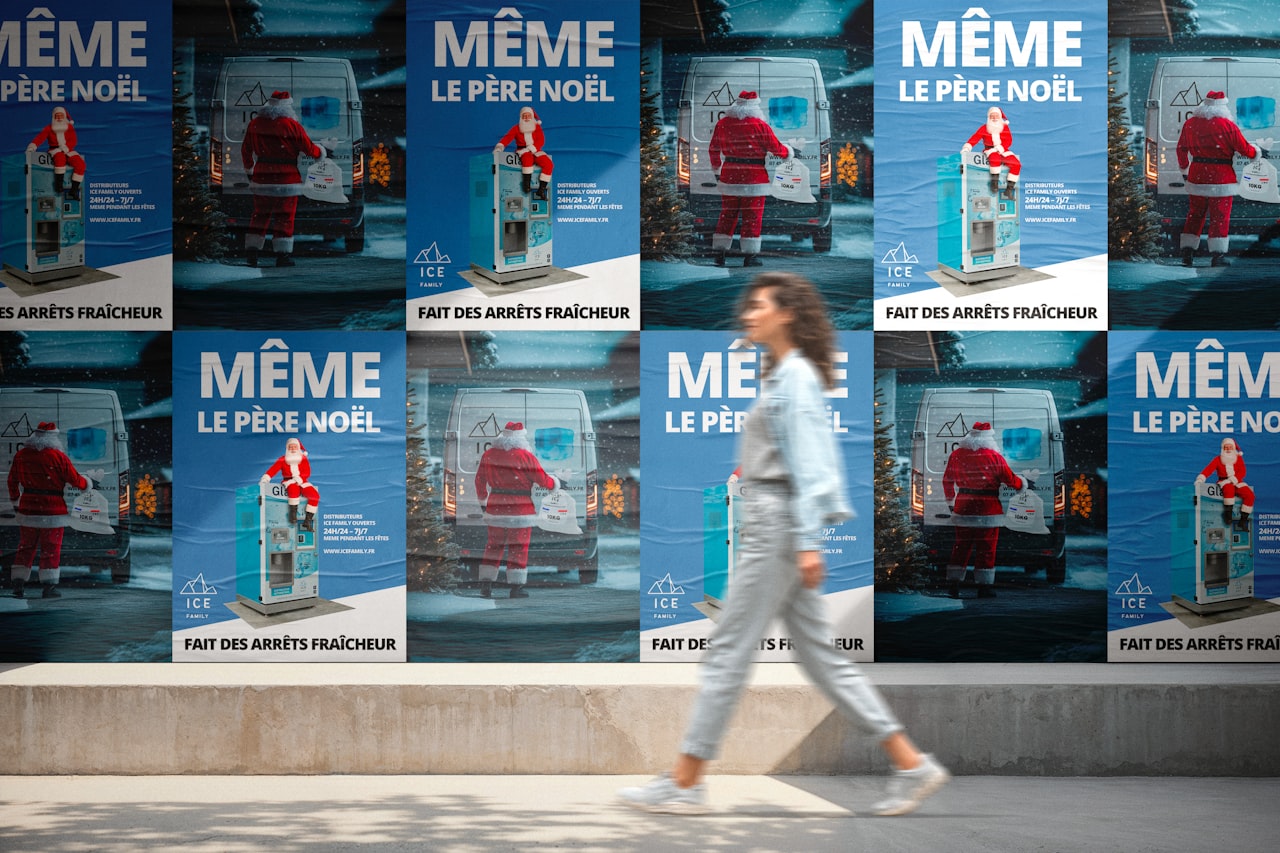
Sampling activations put your product directly into consumers’ hands. For FMCG, food and beverage and beauty brands, product trial is the most powerful conversion tool. Sampling activations can be standalone events or integrated into larger campaigns. The key is creating a sampling experience that goes beyond handing out freebies — wrap the sample in a story, a demonstration or a personalised recommendation. Our guide on product sampling campaigns covers this in depth.
Digital activations use online platforms to create interactive brand experiences. Social media challenges, augmented reality filters, gamified web experiences and interactive content campaigns can reach massive audiences without the constraints of physical events. Digital activations are more scalable and measurable than physical ones but typically create less emotional impact.
Cause-related activations align your brand with a social or environmental cause. These campaigns resonate strongly with Singapore’s growing segment of socially conscious consumers. The cause must be genuinely aligned with your brand values — consumers are quick to identify and call out performative activism. When authentic, cause activations build deep brand loyalty and positive sentiment.
Retail activations transform the shopping experience into a brand engagement opportunity. In-store demonstrations, personalisation stations, interactive displays and themed shopping events create memorable retail moments. These activations drive immediate sales while building brand affinity. They work particularly well during key retail periods like year-end holidays and Chinese New Year.
Partnership activations combine two or more brands to create something neither could achieve alone. Co-branded experiences, cross-promotional campaigns and joint events pool audiences, budgets and creative resources. The best partnerships create unexpected combinations that generate buzz — a luxury watch brand partnering with a craft cocktail bar, or a tech company collaborating with a local artist collective.
Planning Framework for Successful Activations
Every brand activation should start with a clear brief that answers five questions. Who is the target audience? What behaviour change do you want to create? What is the big idea that will capture attention? Where and when will the activation take place? How will you measure success? These answers guide every subsequent decision.
Audience insight is the foundation. Research your target consumers’ interests, behaviours, media habits and pain points. What do they care about? Where do they spend their time? What would motivate them to participate in a brand experience? The more deeply you understand your audience, the more relevant and engaging your activation will be.
The creative concept is what makes or breaks an activation. It must be simple enough to communicate in seconds, distinctive enough to stand out from the noise and compelling enough to motivate participation. Test your concept by asking: would a consumer voluntarily choose to engage with this, or would they need to be incentivised? The best activations are intrinsically appealing.
Build a detailed project plan with clear milestones, responsibilities and dependencies. Brand activations involve many moving parts — creative design, venue logistics, permits, production, staffing, promotion, technology, measurement and contingency planning. A disciplined project management approach prevents the chaos that derails many activations.
Budget for promotion alongside production. Allocate 25 to 35 percent of your total budget to driving awareness and attendance. The most spectacular activation in Singapore fails if nobody shows up. Promotion should begin 3 to 4 weeks before a physical activation, with intensity building as the activation date approaches. Invest in social media marketing to build pre-event buzz.
Creative Concepts That Work in Singapore
Personalisation campaigns give consumers a product or experience customised to them. Personalised packaging, custom-blended products, engraved items or digitally generated personalised content make consumers feel special and create natural social sharing moments. Singaporeans respond well to personalisation because it adds perceived value and uniqueness.
Gamification campaigns turn brand interaction into a game. Challenges, competitions, leaderboards, achievement badges and reward mechanics tap into competitive instincts and create addictive engagement loops. A gamified activation can sustain engagement over weeks or months, unlike a one-time event. Ensure the game mechanics align with your brand message rather than existing purely for entertainment.
Pop culture collaborations tap into existing fandoms and cultural moments. Limited-edition products tied to popular shows, branded experiences at cultural events or creative mashups with trending topics generate instant relevance and social media buzz. Timing is critical — cultural moments are fleeting, so plan and execute quickly.
Community-building activations create ongoing groups and movements around your brand. Running clubs sponsored by sports brands, cooking communities hosted by food brands and professional networks facilitated by business services brands all create repeated touchpoints and genuine community value. These activations build loyal brand advocates rather than one-time participants.
Technology-forward activations showcase innovation and attract tech-savvy Singaporeans. AR product visualisation, interactive digital installations, AI-powered personalisation and IoT-connected experiences feel cutting-edge and generate media coverage. However, the technology must serve the brand message — a VR experience with no connection to your product is a tech demo, not a brand activation.
Connecting Digital and Physical Activations
The most effective brand activations blur the line between digital and physical. A physical installation that generates social media content extends its reach exponentially. A digital campaign that drives people to a physical location creates tangible, memorable experiences. The integration of both channels multiplies the impact of each.
Design physical activations with digital sharing in mind. Create visually striking moments optimised for photography and video. Include your brand name, hashtag or handle in every shareable angle. Provide good lighting — dark venues produce poor social media content. Make sharing effortless with QR codes, NFC tags or dedicated photo sharing stations.
Use digital channels to drive traffic to physical activations. Geo-targeted social media ads reach people near your activation location. Influencer previews build anticipation before the public opening. Email marketing to your existing database drives a loyal initial crowd. Real-time social media content from the activation creates FOMO that draws additional visitors.
Digital extensions allow physical activations to scale beyond their physical capacity. Live streaming, virtual participation options, online galleries of activation content and digital versions of physical experiences let you engage audiences who cannot attend in person. These extensions are especially valuable for reaching audiences outside Singapore.
Data bridges between physical and digital interactions are essential for measurement. QR code scans, event app usage, WiFi logins, NFC taps and registration forms all connect anonymous physical interactions with identifiable digital profiles. This data enables personalised follow-up and accurate ROI measurement. Integrate activation data with your CRM and advertising platforms for retargeting.
Execution and Logistics
Venue selection and permitting are covered extensively in our guides on pop-up store marketing and roadshow marketing. The key principles apply to all physical activations: match the venue to your audience, secure all permits well in advance, plan for weather contingencies and ensure adequate power, connectivity and accessibility.
Staffing can make a ten-out-of-ten concept feel like a three-out-of-ten execution. Hire experienced brand ambassadors who can represent your brand authentically. Brief them thoroughly on the brand, the activation objectives, the target audience and common questions. Role-play scenarios so they are prepared for real interactions. Monitor staff performance throughout the activation and provide real-time coaching.
Production quality matters more in Singapore than in many markets. Consumers here are accustomed to high-quality retail environments and professional events. A cheaply produced activation damages brand perception rather than building it. Invest in quality materials, professional lighting, clean graphic design and attention to detail in every touchpoint.
Build in setup time and contingencies. Physical activations inevitably encounter unexpected challenges — delayed deliveries, technical issues, weather changes or last-minute venue modifications. Build buffer time into your setup schedule and have backup plans for critical elements. A smooth, stress-free launch sets the tone for the entire activation.
Health and safety compliance is non-negotiable. Conduct a risk assessment for your activation, ensure adequate crowd management measures, provide first aid capabilities and comply with all fire safety regulations. Singapore’s authorities take safety seriously, and non-compliance can result in shut-downs, fines and reputational damage.
Measurement and Optimisation
Define your key performance indicators before the activation launches. Common KPIs include reach (total audience exposed to the activation), engagement (active participation and interaction), amplification (social media sharing and earned media), conversion (leads, sales or sign-ups generated) and sentiment (qualitative brand perception impact).
On-site measurement captures the physical activation’s direct impact. Track foot traffic with counters or sensors, participation rates for interactive elements, samples distributed, leads collected through registration forms and on-site sales. Staff should log qualitative observations about audience response, common questions and unexpected behaviours.
Digital measurement provides quantitative data on amplification and online engagement. Monitor your branded hashtag volume, social media mentions, earned media coverage, website traffic from activation-related sources and digital ad performance. Social listening tools can track sentiment and identify themes in public conversation about your activation.
Post-activation surveys measure brand perception impact. Survey both participants and a control group of non-participants to isolate the activation’s effect on brand awareness, consideration, preference and purchase intent. Include Net Promoter Score questions to gauge advocacy potential. For a comprehensive measurement approach, see our guide on event marketing ROI.
Calculate your cost per meaningful engagement and compare it against other marketing channels. A “meaningful engagement” should be defined specifically for your activation — it might be a product trial, a data capture, a social media share or a sales conversation. This metric allows fair comparison with digital advertising, content marketing and other channels in your marketing mix.
Frequently Asked Questions
What is the difference between brand activation and advertising?
Advertising communicates a message to a passive audience through paid media. Brand activation creates interactive experiences that require active consumer participation. Advertising builds awareness; activation builds engagement and emotional connection. The most effective marketing strategies use both — advertising to drive awareness and activation to drive deeper engagement.
How much does a brand activation cost in Singapore?
Small-scale activations like sampling events or digital campaigns start at $10,000 to $30,000. Mid-scale physical activations with custom builds and multi-day runs cost $50,000 to $150,000. Large-scale immersive experiences or multi-location campaigns can exceed $300,000. Allocate 25 to 35 percent of the total budget for promotion.
How long should a brand activation run?
Physical activations typically run 2 to 7 days for maximum impact-to-cost efficiency. Digital activations can run 2 to 8 weeks. Community-building activations may run indefinitely as ongoing programmes. The optimal duration depends on your objectives, budget and the activation format.
How do I choose between digital and physical brand activation?
Choose physical activation for high-involvement products that benefit from sensory interaction, when emotional connection is the primary objective, and when your target audience is geographically concentrated. Choose digital activation for broader reach, lower budgets, highly measurable objectives and audiences that are primarily online. The best campaigns combine both.
What makes a brand activation successful?
Successful activations share four characteristics: a clear and compelling creative concept, precise audience targeting, quality execution down to every detail, and robust measurement that connects activities to business outcomes. The most common failure point is investing in production but under-investing in promotion, resulting in low attendance or participation.
How do I generate social media buzz from a brand activation?
Design visually striking, shareable moments into your activation. Include your brand name and hashtag in every photo-worthy angle. Provide good lighting for photography. Engage influencers for preview and event-day coverage. Make sharing effortless with QR codes and digital sharing tools. Repost user-generated content to your brand channels to encourage more sharing.
Can brand activations work for B2B companies?
Absolutely. B2B brand activations take the form of thought leadership events, product demonstration experiences, executive roundtables and interactive trade show booths. The audience is smaller but more targeted, and the potential value per engagement is typically much higher than B2C activations.
How do I measure brand activation ROI?
Track direct metrics like leads, sales and sign-ups. Measure amplification through social media and earned media. Assess brand impact through pre and post surveys. Calculate cost per meaningful engagement and compare against other channels. For activations with longer sales cycles, track pipeline influence over 3 to 6 months post-activation.