
Glassdoor Management: Improve Your Rating and Respond to Employee Reviews
Table of Contents
How Glassdoor Influences Hiring in Singapore
A solid glassdoor management strategy has become essential for companies operating in Singapore. Glassdoor is one of the first places candidates look when researching potential employers. With millions of reviews covering companies worldwide, including a growing number of Singapore-based organisations, the platform holds significant influence over hiring outcomes.
Candidates in Singapore are thorough researchers. Before accepting an interview invitation, many will check a company’s Glassdoor rating, read recent reviews, and look at salary data. A company with a rating below three stars will struggle to attract quality candidates, regardless of how attractive the role itself may be.
Glassdoor also affects your broader employer branding in Singapore. Reviews often surface in Google search results when candidates search for your company name. A series of negative reviews can dominate the first page of search results, overshadowing your carefully crafted marketing messages.
The platform is particularly influential for mid-career professionals considering a move. These candidates have established careers and are cautious about their next step. They rely heavily on peer feedback to validate their impression of a potential employer. Your digital marketing efforts can amplify positive employer brand signals, but Glassdoor reviews carry a unique weight because they come directly from employees.
Auditing Your Glassdoor Profile
Before you can improve your Glassdoor presence, you need to understand where you stand. A thorough audit of your profile provides the baseline for your management strategy.

Start with your overall rating and the trend over time. Is your rating improving, declining, or stagnant? Look at the volume of reviews. A four-star rating based on five reviews carries less weight than a 3.8 rating based on fifty reviews. Both rating and volume matter.
Analyse the content of reviews thematically. What do reviewers praise most consistently? What complaints appear repeatedly? Common themes in Singapore Glassdoor reviews include work-life balance, management quality, career progression, compensation, and company culture. Categorise reviews by theme to identify patterns.
Review the CEO approval rating and the Recommend to a Friend percentage. These summary metrics are prominently displayed and heavily influence candidate perceptions. A low CEO approval rating signals leadership concerns, while a low recommendation rate suggests broad dissatisfaction.
Check your interview reviews separately. Candidates share their interview experiences, including difficulty level, duration, and questions asked. Negative interview experiences can deter future candidates even if your overall rating is acceptable.
Examine your salary data. Glassdoor aggregates salary reports from employees and interview candidates. If your listed salaries are significantly below market rates, candidates may not bother applying. This audit should form part of a broader employer brand audit to give you a complete picture.
How to Respond to Employee Reviews
Responding to Glassdoor reviews is one of the most impactful things you can do. It signals that your company listens to feedback and values employee perspectives. Both current employees and candidates notice whether a company engages with reviews.
For positive reviews, express genuine gratitude. Thank the reviewer for sharing their experience and highlight specific points they mentioned. Avoid generic responses that could apply to any review. Personalisation shows that you actually read and valued the feedback.
For negative reviews, the approach requires more care. Start by thanking the reviewer for their candour. Acknowledge their concerns without being defensive. Avoid arguing with specific claims or trying to identify the reviewer. Instead, express empathy and describe any steps the company is taking to address the issues raised.
Maintain a professional and empathetic tone in every response. Remember that your response is not just for the reviewer. It is for every candidate who will read it in the future. A thoughtful response to a critical review can actually enhance your employer brand by demonstrating maturity and commitment to improvement.
Respond to reviews consistently. If you only respond to positive reviews and ignore negative ones, it creates a perception of selective listening. Aim to respond to every review within one to two weeks of posting.
Never reveal confidential information in your responses. Do not reference specific situations, people, or internal processes that could identify the reviewer or breach confidentiality. Keep responses focused on values, culture, and general improvement initiatives.
Strategies to Improve Your Glassdoor Rating
Improving your Glassdoor rating requires addressing both the substance and the perception of your employment experience. There are no shortcuts. Fake reviews are against Glassdoor’s terms of service and, if detected, can result in penalties and reputational damage.

The most effective strategy is to genuinely improve the employee experience. Address recurring complaints identified in your audit. If work-life balance is a consistent concern, review workload distribution and implement policies that protect personal time. If career progression is an issue, develop clearer promotion criteria and increase development opportunities.
Communicate improvements internally. When you make changes based on feedback, tell your employees. This creates a positive feedback loop where employees see that their input leads to action, which in turn encourages more constructive engagement both internally and on Glassdoor.
Ensure your onboarding process sets accurate expectations. Many negative reviews stem from a gap between what was promised during recruitment and what new hires experience. Align your employer value proposition with reality to prevent disappointment.
Invest in management training. A significant portion of negative reviews focus on direct managers rather than the company as a whole. Equipping managers with better leadership, communication, and people management skills can have a disproportionate impact on review sentiment.
Create internal channels for feedback so that employees have a constructive way to raise concerns before they feel the need to post publicly. Regular pulse surveys, open-door policies, and anonymous feedback mechanisms give employees a voice within the organisation.
Encouraging Authentic Employee Reviews
Encouraging employees to share genuine reviews on Glassdoor is a legitimate and effective strategy. The key word is genuine. You should never pressure employees to leave positive reviews or offer incentives tied to rating. This is both unethical and against Glassdoor’s policies.
Normalise the practice of leaving reviews. Include Glassdoor in your internal communications about the company’s online presence. Mention it during team meetings or company updates as a platform where employees can share their experiences.
Time your encouragement strategically. After positive company events such as successful project launches, company awards, or culture initiatives, employees are more likely to feel positively about their experience and share it online. A gentle reminder at these moments can increase review volume.
Make it easy. Share the direct link to your company’s Glassdoor review page. Remove any friction from the process. Many employees intend to leave reviews but forget because the process seems cumbersome.
Emphasise honesty. Tell employees you want their genuine feedback, positive and negative. This builds trust and results in more balanced reviews that candidates find credible. A profile with exclusively five-star reviews looks suspicious and undermines trust.
Consider integrating Glassdoor review encouragement into your exit process. Departing employees often have valuable perspectives. While some exit reviews may be critical, they add to the overall volume and authenticity of your profile. Supporting this with strong social media marketing presence ensures your employer brand is visible across multiple platforms.
Using Glassdoor Analytics for Employer Insights
Glassdoor offers analytics tools that provide valuable insights beyond individual reviews. These analytics can inform your broader employer branding and HR strategy.
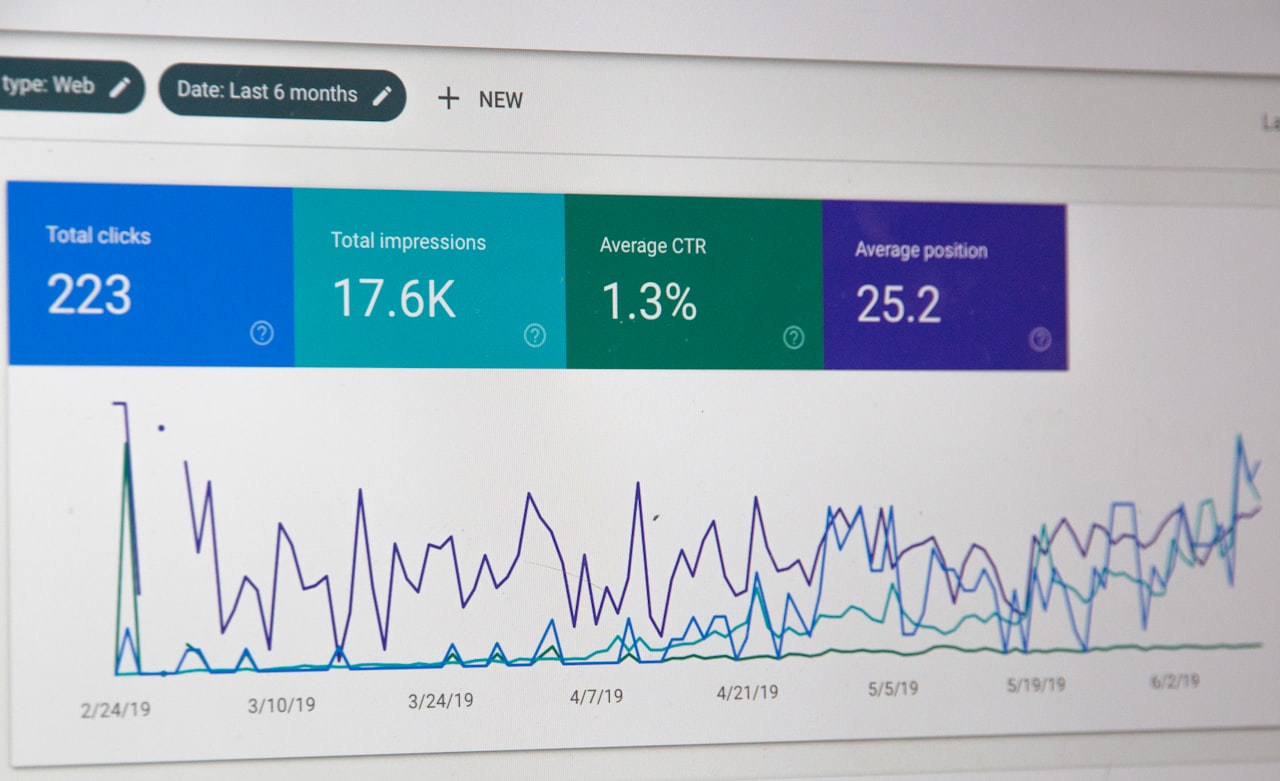
Profile analytics show how many people are viewing your company page, where they are coming from, and what actions they take. Monitor trends in page views to understand how your employer brand visibility is changing over time.
Review analytics help you track sentiment trends. Look at how your rating has changed quarter over quarter and correlate it with internal initiatives. If you implemented a new flexible work policy and your rating improved in the following quarter, you have evidence that the initiative resonated.
Competitor benchmarking is available on Glassdoor’s premium plans. Compare your rating, review volume, and sentiment with direct competitors. This competitive intelligence helps you identify where you are falling behind and where you have advantages to promote.
Salary analytics reveal how your compensation is perceived relative to market rates. If employees consistently report that pay is below market, it signals a need to review your compensation strategy. Conversely, if salary satisfaction is high, it is a strength worth highlighting in your employer branding.
Use these insights to set measurable goals. Rather than aiming vaguely to improve our Glassdoor presence, set specific targets such as reaching a 4.0 rating within twelve months or increasing review volume by thirty percent. Track progress with the right employer branding metrics to ensure accountability.
Integrate Glassdoor data with other feedback sources including internal surveys, exit interview data, and candidate feedback. This triangulation provides a more complete picture of your employer brand health and ensures your SEO strategy for employer-related search terms is aligned with reality.
Frequently Asked Questions
Can we remove negative reviews from Glassdoor?
You cannot remove reviews simply because they are negative. Glassdoor has a content moderation policy, and reviews that violate their community guidelines such as those containing defamatory statements, confidential information, or personal attacks can be flagged for review. Legitimate negative feedback, however, will remain.
How important is Glassdoor compared to other review platforms?
In Singapore, Glassdoor is the most widely used employer review platform. While Indeed and JobStreet also host reviews, Glassdoor’s brand recognition and comprehensive review format make it the primary platform candidates check. Managing your Glassdoor presence should be a priority.
Should we claim our Glassdoor employer profile?
Absolutely. Claiming your profile allows you to respond to reviews, update company information, add photos and content, and access analytics. An unclaimed profile is a missed opportunity. The free employer account provides basic features, while premium plans offer additional tools.
How do we handle a sudden influx of negative reviews?
A sudden spike in negative reviews may indicate a systemic issue such as layoffs, management changes, or policy shifts. Address the root cause internally first. Respond to reviews thoughtfully and consistently. If the situation escalates, refer to our guide on employer brand crisis management for a structured response framework.
Is it appropriate to ask current employees to leave reviews?
Yes, as long as you ask for genuine, honest reviews rather than pressuring employees to leave positive ones. Encouraging authentic participation is legitimate. Never offer incentives tied to review content or rating, as this violates Glassdoor’s terms and can backfire.
How often should we check and respond to Glassdoor reviews?
Check your Glassdoor profile at least weekly. Set up alerts to be notified of new reviews. Aim to respond to reviews within seven to fourteen days. Consistent, timely responses demonstrate active engagement and build credibility with candidates.
Does Glassdoor affect our search engine rankings?
Glassdoor pages often rank highly in Google for company name searches. While Glassdoor itself does not directly affect your website’s SEO, the sentiment and content of reviews can influence how candidates perceive your company when they search for you online.
What should we include in our Glassdoor employer profile?
Include an updated company description, your mission and values, photos of your workplace and team, benefits information, and links to your careers page. A complete profile signals professionalism and gives candidates a richer understanding of your company.